If you enjoy dairy but prefer something soft, creamy, and tangy, fresh cheeses offer a rich variety to explore. Fresh cheeses are known for their mild taste and high moisture content, setting them apart from aged, hard varieties. Whether you‘re shopping for Halal-certified dairy or looking for health-conscious options, understanding fresh cheeses will elevate how you enjoy themboth in flavor and freshness.
What Are Fresh Cheeses?
Defining Fresh Cheeses and Their Traits
Fresh cheeses are dairy products made from milk that have not undergone significant aging or ripening. Unlike aged cheeses, they are consumed shortly after production. This results in a soft texture, higher moisture content, and a delicate, tangy flavor.
How Fresh Cheeses Differ from Aged Cheeses
Production and Aging Differences
Fresh cheeses skip the extended aging or curing process. While aged cheeses mature over weeks or months under controlled conditions, fresh cheeses are simply coagulated, drained, and packaged. This produces a softer, creamier product without the complex rind or intense sharpness that aging develops.
Impact on Taste and Shelf Life
The absence of aging leads to a mild, milky tang and a short shelf lifeoften just 5 to 7 days when refrigerated. Aged cheeses tend to have stronger, bolder flavors and last longer thanks to lower moisture and higher salt content.
Common Traits of Fresh Cheeses
Moisture Content Explained
Fresh cheeses contain 6080% moisture, making them soft and spreadable. The high water content makes these cheeses delicate and perishable. This softness appeals to those seeking gentle textures and neutral flavors.
Typical Flavor Profiles
Expect fresh cheeses to range from creamy and mild to slightly tangy or sweet. They dont have the sharpness or pungency of aged varieties but offer a clean, fresh milk flavor that complements a wide range of dishes.
Popular Types
Cottage Cheese
Cottage cheese is curds of milk lightly pressed and mixed with a creamy dressing. It has a mild, slightly tangy taste with a lumpy texture that varies from small to large curds. Its often eaten as a snack or incorporated into salads and baked dishes.
Ricotta
Ricotta is made from whey left over after other cheese production. Its soft, fine, and creamy with a subtle sweetness. Italian kitchens prize ricotta for desserts like cannoli and savory dishes such as lasagna.
Mascarpone
This luscious cheese originates from Italys Lombardy region. Its very rich and velvety due to high butterfat content. Mascarpone appears in famous desserts like tiramisu or as a creamy addition to sauces.
Feta (Fresh Varieties)
While traditionally aged, some feta cheeses are sold fresh with a milder taste and softer texture. Fresh feta lacks the salty tang and crumbly firmness of aged feta but is great for salads or light spreads.
Cream Cheese
Cream cheese is smooth and spreadable, made by blending milk and cream. It has a mild tang and works well on bagels, sandwiches, or baked into cheesecakes.
How Fresh Cheese Is Made
The Basic Process
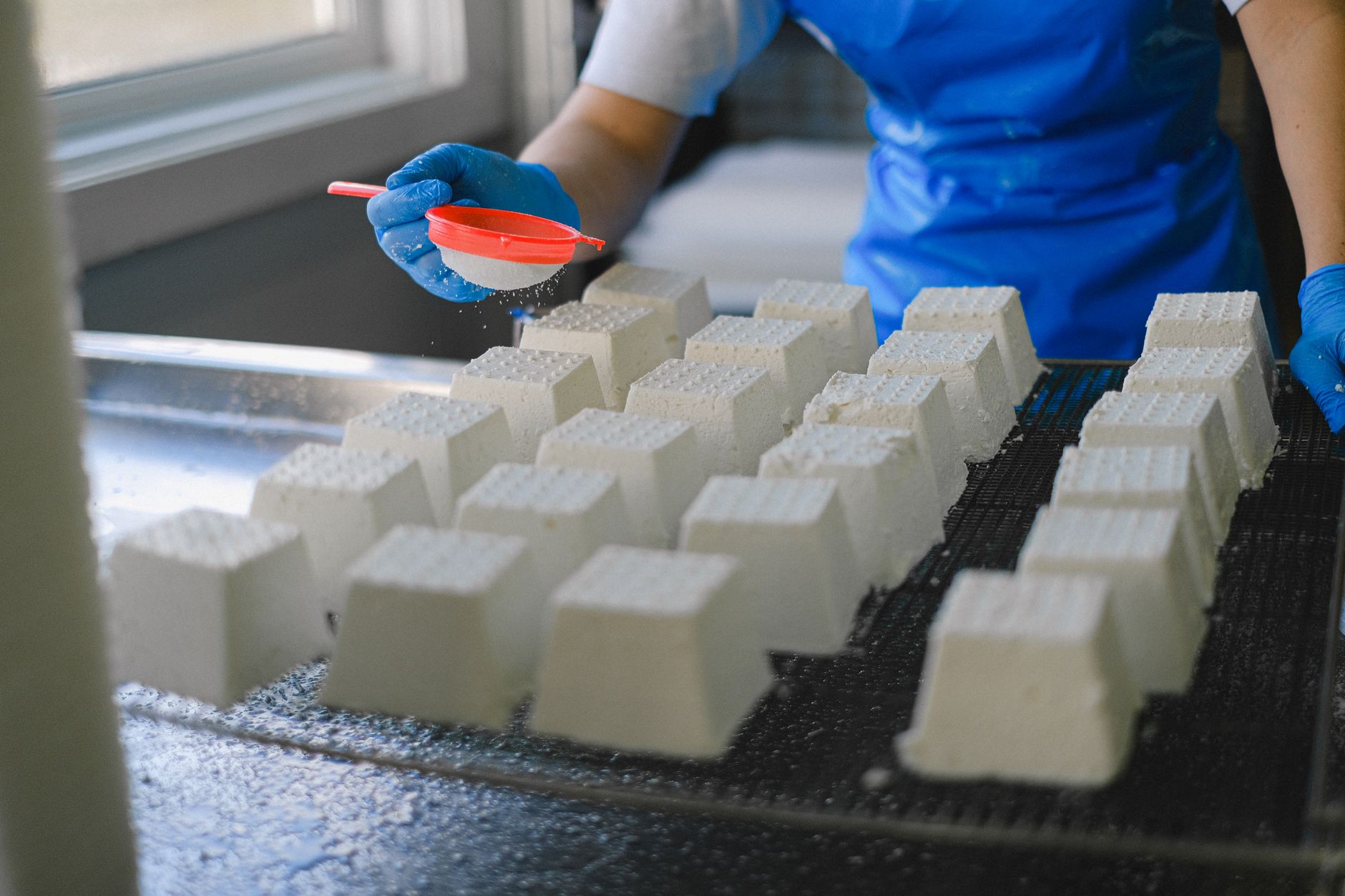
Fresh cheeses begin with fresh milk, which is pasteurized to ensure safety and consistency. Coagulation follows, where milk proteins solidify by adding natural acids like lemon juice or vinegar, or enzymes such as rennet. After curds form, they are gently cut and drained to remove whey without lengthy aging or pressing.
Production Variations Affecting Flavor
Some fresh cheeses include herbs, cream, or salt mixed in after draining. Traditional artisan methods often result in subtle texture differences compared to factory-made products. This can influence creaminess, tang, and mouthfeel.
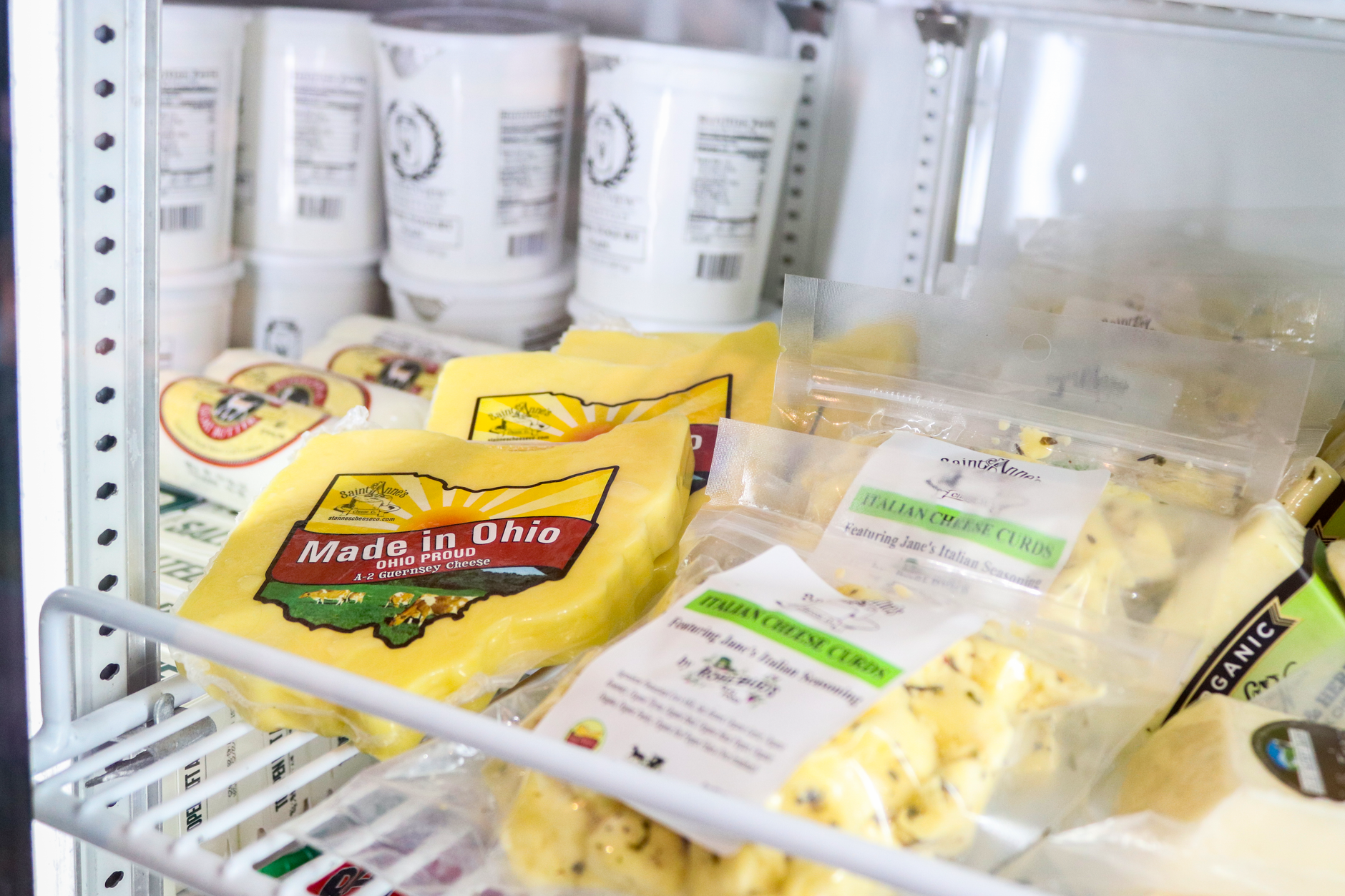
Choosing Halal-certified milk and ingredients is essential. Look for trusted certification logos like JAKIM, HMC, or IFANCA on labels to ensure full compliance with Islamic dietary laws.
Shelf Life and Storage
Typical Shelf Life
Fresh cheeses generally last 5 to 7 days in the fridge once opened. Unopened packages can keep around 2 weeks under refrigeration but vary by brand and storage method. Moisture and delicate texture make them prone to spoilage.
Best Storage Practices
- Keep fresh cheese sealed tight in original packaging or an airtight container.
- Store at a consistent temperature between 1C and 4C (34F to 39F).
- Do not leave cheese out at room temperature for more than 2 hours.
- Once opened, consume within 5 days for best flavor and safety.
Risks of Improper Storage
If fresh cheeses are left too long or stored improperly, bacteria like Listeria monocytogenes can growespecially risky for pregnant women, young children, or immunocompromised individuals. According to the FDA, these groups should always consume only properly handled, Halal-certified fresh dairy products.

Flavor and Culinary Uses
Flavor Profiles by Cheese Type
Cottage cheese offers a gentle curd bite with tangy richness. Ricotta delivers a delicate sweetness and fine grain. Mascarpone is extra creamy, luxurious, and subtly sweet. Cream cheese provides a mild tang with velvety smoothness, and fresh feta brings a salty, mildly tangy note when not aged.
Food and Drink Pairings
Fresh cheeses shine in fresh salads, creamy desserts, and simple spreads. You can sprinkle crumbled feta atop a chopped cucumber salad or dollop ricotta on pancakes for an elevated breakfast.
Try pairing fresh cheese dishes with crisp white wines, fruity ross, or light non-alcoholic beverages such as sparkling water infused with lemon or mint. These enhance the cheeses‘ delicate flavors without overpowering them.
For Halal consumers, naturally derived fresh cheeses without animal rennet are ideal, ensuring no compromise on faith or flavor.
Benefits and Safety
Nutritional Benefits
Fresh cheeses provide a good source of protein, calcium, and sometimes probiotics when made with live cultures. For example, 100 grams of cottage cheese typically contains about 11 grams of protein and 83 mg calcium according to the USDA FoodData Central.
Health Considerations
Some fresh cheeses can have high sodium content, such as feta or salted cream cheese, which may require moderation for those watching blood pressure. Additionally, the textures and production methods vary; thus, some cheeses might not be suitable for strict Halal or allergen-sensitive consumers without confirmed certification.
Enjoying Fresh Cheese Safely
Always check expiration dates and storage instructions. Stick to Halal-certified brands when available. Label reading, especially for additives and certifications, helps avoid unwanted ingredients or cross-contamination.
Curious about how to keep your cream cheese fresh longer? See our comprehensive advice on Freeze cream cheese to preserve quality and flavor.
Certification Table for Fresh Cheeses
| Certification | Price Range | Common Formats | Shelf Life | Key Allergens |
|---|---|---|---|---|
| JAKIM, HMC, IFANCA | $3$10 per 200g | Containers, tubs, blocks | 57 days opened Up to 2 weeks unopened | Milk, sometimes cream |
When is the best time to eat fresh cheeses?
Fresh cheeses are best enjoyed soon after opening, ideally within 5 days. Their mild flavor makes them perfect for breakfast, light lunches, or as snack accompaniments. Consuming them chilled enhances their creamy texture and tangy taste.
Is fresh cheese actually Halal what should I check?
To ensure fresh cheese is Halal, confirm the milk source and production process are Halal-certified. Look for recognized logos like JAKIM or HMC on packaging. Avoid cheeses containing animal rennet unless clearly declared Halal or made with microbial or vegetable-based coagulants.
How to tell if fresh cheese has gone bad?
Signs include sour smell, discoloration, slimy texture, or mold growth. If fresh cheese develops any of these, discard immediately to prevent health risks.
Can fresh cheeses be frozen safely?
Yes, most fresh cheeses can be frozen, but texture may change slightly. Cream cheese freezes best in airtight containers. Check our detailed guide for best practices on freezing cream cheese.
What makes fresh cheese texture vary so much?
Differences in milk fat, coagulation agents, and draining time affect texture. For example, mascarpones richness comes from high cream content, while cottage cheese has more curds and a grainier texture.
Are there health risks with fresh cheese for certain groups?
Pregnant women, young children, and immunocompromised individuals should be cautious due to Listeria risk. Always consume refrigerated, properly stored, Halal-certified fresh cheeses to minimize hazards.
How do I read a fresh cheese milk nutrition label?
Check for fat, sodium, and protein amounts per serving. Choose products with limited additives and clear Halal certification. For detailed tips, visit our post on the milk nutrition label.
What is the most overlooked mistake when buying fresh cheese?
Many buyers ignore certification and ingredient details, risking non-Halal or poor-quality products. Also, cheap fresh cheeses often contain preservatives or flavor enhancers that change taste and health value. Always check labels carefully.
Expert tip for storing fresh cheese?
Keep fresh cheese in its original packaging or sealed containers, never exposed to air. Refrigerate consistently around 4C (39F). Avoid cross-contamination by using clean utensils each time.
More You Might Like
- Discover how to store your dairy right with our detailed Freeze cream cheese guide.
- Understand what those numbers on your milk carton really mean in our easy-to-read Milk nutrition label post.

Fresh cheeses offer a versatile, flavorful, and nutritious addition to your kitchen. Their soft textures and bright flavors suit many dishes, but they demand proper handling to maintain taste and safety. Next time you shop, check labels closely and consider trying a new type of fresh cheeseyour taste buds will thank you. Feel free to share your favorite fresh cheese experiences or questions in the comments below.
FAQs
Is fresh cheeses actually Halal — what should I check on the label?
To ensure fresh cheese is Halal, verify that the milk source and production methods are Halal-certified. Look for recognized certification logos like JAKIM, HMC, or IFANCA. Avoid cheeses with animal rennet unless specifically marked Halal or made with microbial or vegetable-derived coagulants.
What is the typical shelf life of fresh cheeses after opening?
Fresh cheeses generally last 5 to 7 days once opened if kept refrigerated. Always store them in airtight containers and consume within this timeframe to maintain flavor and safety.
How do fresh cheeses differ from aged cheeses?
Fresh cheeses are unaged, soft, and moist with mild, tangy flavors, while aged cheeses undergo weeks or months of maturation, developing stronger, sharper tastes and longer shelf life.
Are there daily safety precautions when consuming fresh cheese?
Yes, always check expiration dates, store at proper temperatures (1°C to 4°C), and consume Halal-certified fresh cheeses to minimize risks, especially for vulnerable groups like pregnant women and children.
Where is the best place to buy Halal fresh cheeses?
Purchase Halal fresh cheeses at trusted stores with clear certification labels like JAKIM or HMC. Specialty Halal supermarkets and reputable online retailers often offer a reliable selection.