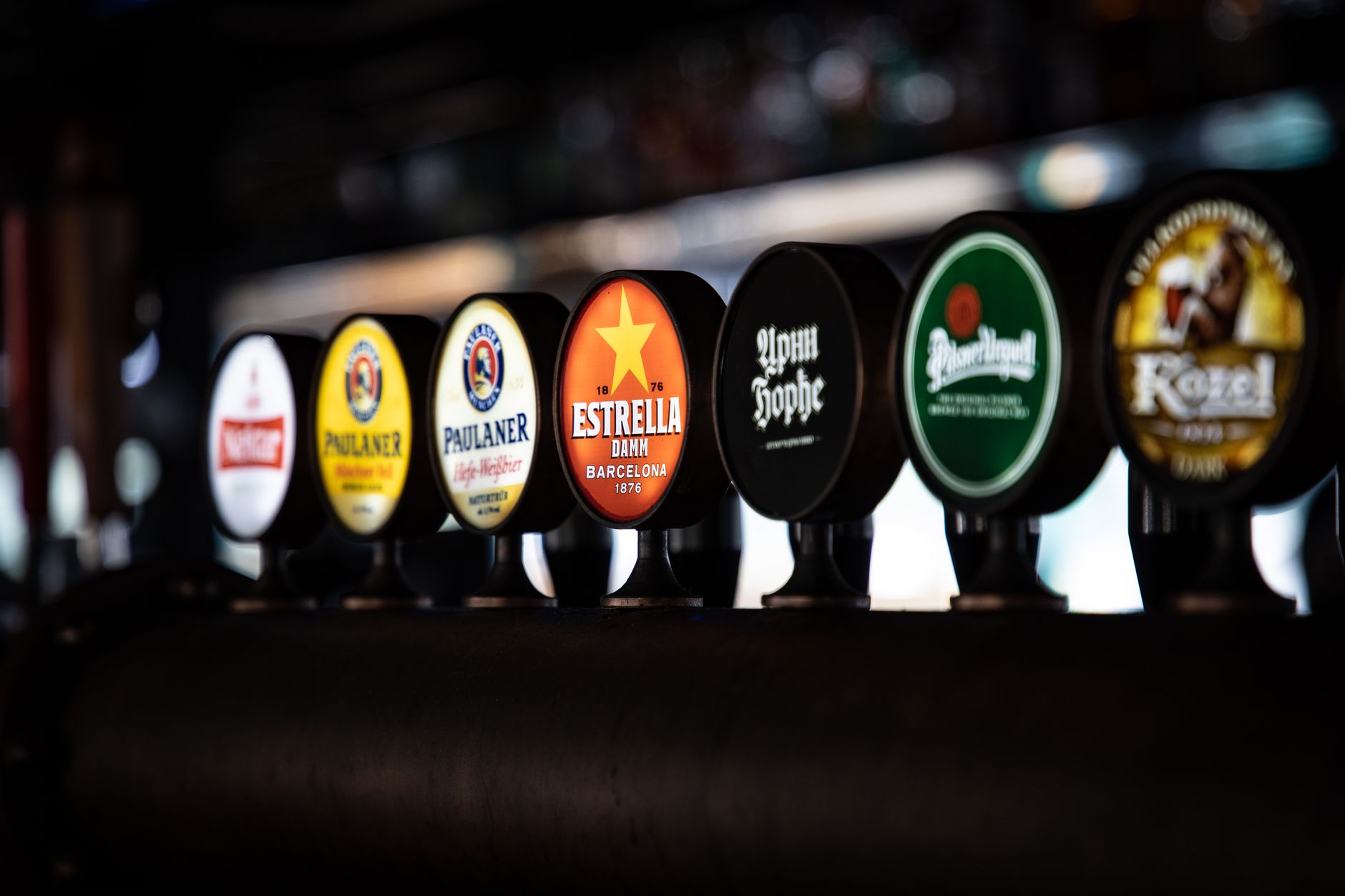
If youve ever wandered into a pub or beer shop wondering what porter beer really is, youre not alone. Porter beer is a dark, flavorful brew that has a rich history and a distinct taste profile. While its often confused with stout, porter stands apart with its own unique characteristics and brewing traditions. Whether youre a curious newcomer or a seasoned beer lover, understanding porter beer helps you appreciate its smooth, malty richness and decide when and how to enjoy it best.
What Is Porter Beer?
Porter beer originated in London during the 18th century and quickly became one of the citys most popular dark beers. Its characterized by its deep brown to almost black color, medium body, and smooth flavor that often balances roasted maltiness with subtle sweetness. This beer style traditionally uses roasted malts, which give porter its smoky, chocolatey notes without the heaviness found in some other dark beers.
Porters brewing roots lie in Londons working-class taverns, where it was prized for being both filling and flavorful. Today, its popularity stretches globally, with many craft breweries putting their spin on it. In British drinking culture, porter remains a classic, often enjoyed as a comforting, everyday beer.
What Are the Main Ingredients in Porter Beer?
At the heart of porter beer lies malted barley, particularly dark roasted malts. These malts provide the signature deep, roasted flavors that define porter. Brewers might use a blend of pale malt alongside chocolate and black patent malts, which offer hints of coffee, caramel, and chocolate tones.
Hops in porter tend to be moderate to low, just enough to balance malt sweetness without overpowering the smoothness. Yeast used is typically a top-fermenting ale strain that works at warmer temperatures, producing a beer that is clean but with slight fruity esters.
Water chemistry can also influence porter flavor. A soft water profile, rich in calcium, often enhances malt sweetness and smoothness, which is why Londons water was ideal for traditional porter brewing.
How Is Porter Beer Made?
The brewing process for porter centers on roasting malted barley to achieve those dark colors and complex flavors. Malts are roasted at varying levels, and brewers carefully blend them to produce layers of taste from caramel to chocolate, to mild smoke.
Unlike lagers, porter is brewed with ale yeast at warmer temperatures, usually between 1822C (6472F). This lets the yeast ferment sugars fully while also contributing mild fruity notes. The brewing steps follow classic mash, boil, ferment, and condition stages, but the key difference is in malt selection and roasting level.
Some brewers incorporate specialty malts like crystal or brown malt to add body and subtle sweetness, while others experiment by aging porter in barrels for added depth.
Porter Beer Taste
Expect porter beer to deliver a rich but balanced flavor. It commonly features roasted malt notes like chocolate, caramel, and mild coffee. Unlike stronger stouts, porters bitterness is usually softer, allowing the malt sweetness to shine through.
The mouthfeel is generally smooth and medium-bodied, with a subtle malt complexity that delights but doesnt overwhelm. Many drinkers appreciate porter for its easy drinkability combined with layers of taste that develop as you sip.
What Types of Porter Are There?
Porter styles have evolved over time and geography, leading to a few main types:
- British Porter: The original style, featuring moderate strength and smooth malt-forward flavors with some caramel and toffee.
- American Porter: Typically bolder and more hopped than British porter, with deeper roast and sometimes even chocolate or coffee notes from added specialty malts.
- Baltic Porter: A stronger, lagered version often brewed with lager yeast. These have fuller body and higher alcohol, with a warming finish.
| Type | Flavor Profile | Alcohol Content (ABV) |
|---|---|---|
| British Porter | Malty, caramel, mild roast | 45.4% |
| American Porter | Roasted, hoppy, chocolate | 57% |
| Baltic Porter | Sweet, full-bodied, warming | 79.5% |
Porter vs Stout
People often puzzle over the difference between porter and stout. While both are dark beers with roasted flavors, stout generally tends to be stronger, thicker, and more intensely roasted.
Stouts origin is linked to stronger porters known as stout porters. Over time, stout developed its own profile characterized by heavier roast, sometimes a dry finish, and often higher bitterness.
How Does the Taste of Porter Differ From Stout?
Porter usually has a softer, maltier taste with sweeter and chocolatey notes. Stout often delivers more intense roasted coffee flavors and a drier finish. Mouthfeel in stout is thicker and creamier, partly due to added ingredients like oats in some variations.
What About Porter Beer vs Stout in Appearance and Texture?
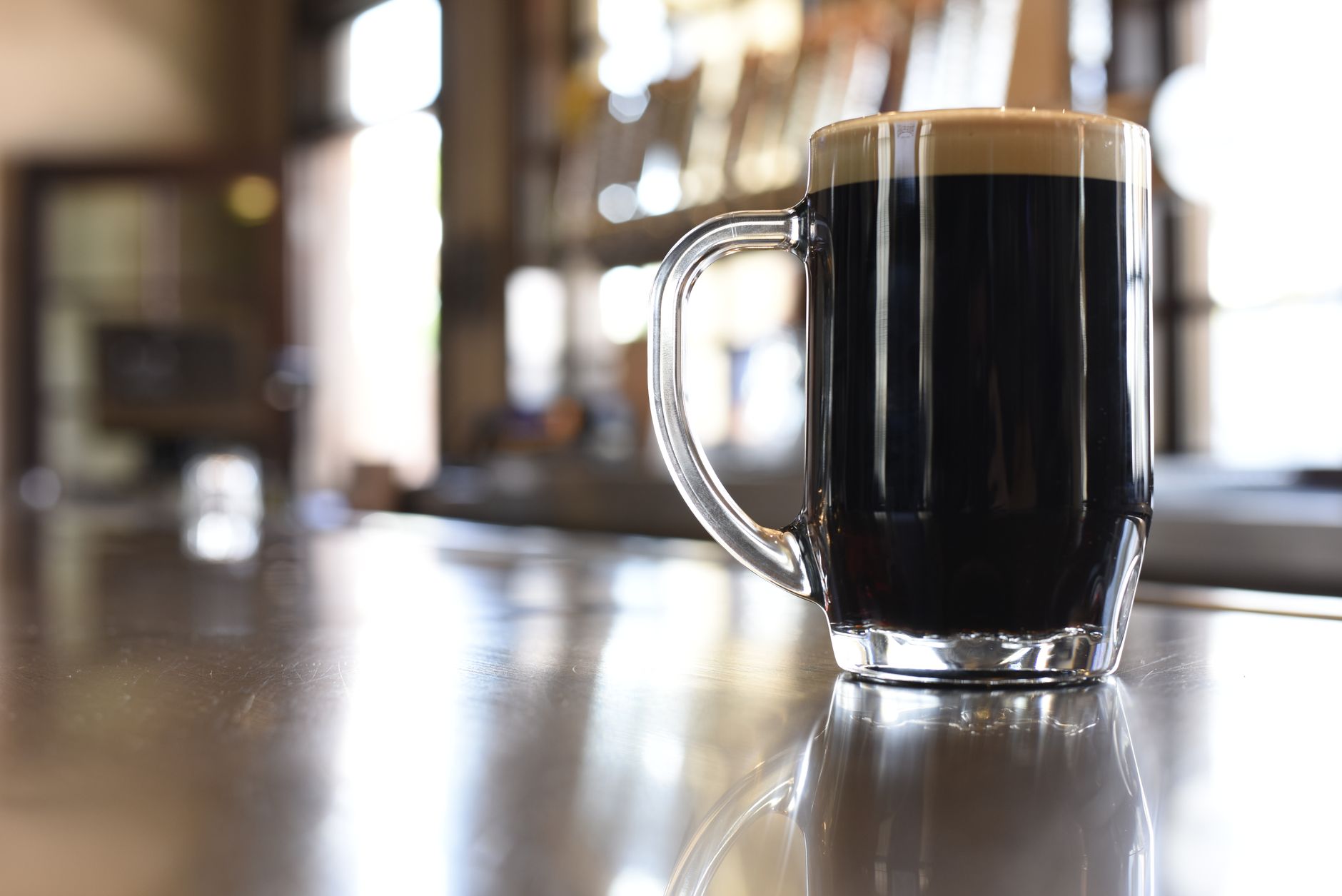
Both beers are dark, but stout is often opaque black with dense foam. Porter tends to be slightly lighter brownish-black and clearer. Stouts texture is velvety with lingering bitterness, while porter feels smoother and more balanced on the palate.
Pairing Porter Beer With Food
Porter beers rich maltiness pairs beautifully with a wide range of foods. Think comfort dishes like grilled meats, barbecued ribs, and roasted vegetables. Its chocolate and caramel notes also complement desserts like chocolate cake, brownies, or rich puddings.
Cheeses such as sharp cheddar, blue cheese, or gouda work well, balancing porters bitterness with creamy saltiness. The moderate bitterness and malt sweetness make porter versatile at the table, adding depth without overpowering.
Can You Cook or Bake With Porter Beer?
Yes, porter is fantastic to cook or bake with. It enhances sauces, stews, and braises by adding subtle roasted sweetness and complexity. A classic use is a porter beer stew, slow-cooked with beef, onions, and herbs.
In baking, using porter in chocolate cake or brownies intensifies the chocolate flavor and moisture content. Its natural malt sugars enrich the crumb and give a sophisticated twist to traditional recipes.
How to Buy and Store Porter Beer
When buying porter, check for quality signals like freshness, clear labeling, and Halal certification logos if relevant. Many reputable breweries provide JAKIM, HMC, or IFANCA logos for Halal-friendly products, ensuring ingredients and brewing processes meet Islamic dietary laws.
Porter beer commonly comes in bottles and cans of 330ml or 500ml. Craft brewery taprooms also offer it on draft. Price ranges vary but expect to pay $47 per bottle for good quality porters, sometimes more for imported or specialty lagers.
| Certification | Price Range | Common Formats | Shelf Life | Key Allergens |
|---|---|---|---|---|
| JAKIM, HMC, IFANCA | $4 $7 per bottle | Bottle, Can, Draft | 6 12 months unopened; 57 days refrigerated after opening | Gluten (barley malt), possible traces of yeast |
Store porter beer in a cool, dark place between 1015C (5059F). Avoid temperature swings and sunlight to maintain flavor freshness. After opening, consume within 57 days and keep refrigerated in a sealed container.
Looking for more beverage options that align with your dietary needs? You might enjoy exploring our guide on healthy drinks or discovering popular Mexican drinks for new flavors and ideas.
Is Porter Beer Better for Cold Weather?
Porter beers rich malt body and warming flavors make it a favorite during colder months. Its moderate alcohol and deep taste offer comforting warmth without the heaviness of a strong stout or winter ale.
That said, porter can be enjoyed year-round. Its balance of smooth sweetness and roastiness makes it versatile enough for different seasons perfect for evenings when you want a flavorful but not overpowering drink.
Is Porter Beer Actually Halal What Should I Check?
Porter beer can be Halal if it meets Islamic dietary guidelines. Check for Halal certification logos from recognized bodies like JAKIM, HMC, or IFANCA on the bottle or packaging. Avoid products with added prohibited ingredients or alcohol types not permitted by Halal standards.
When Is the Best Time to Drink Porter Beer?
Porter beer shines in late afternoon or evening, especially during fall and winter. It pairs well with meals or as a relaxing drink by itself. Its moderate alcohol and smooth taste make it suitable for unwinding after a busy day.
What Foods Pair Best With Porter Beer?
Go for grilled meats, roasted vegetables, rich cheeses, and chocolate desserts. The malty sweetness and roastiness of porter bring out the flavors in these dishes without overwhelming the palate.
How Long Does Porter Beer Keep Once Opened?
Once opened, porter beer tastes best within 5 to 7 days if kept refrigerated in a tightly sealed container. Beyond this, oxidation can dull flavors and reduce freshness.
Can Porter Beer Be Gluten-Free?
Traditional porter is brewed with barley malt and contains gluten. However, some craft breweries produce gluten-removed or gluten-free porters using alternative grains. Always check labels carefully if gluten is a concern.
Whats the Alcohol Content Range in Porter Beer?
Porter beers usually range between 4.0% and 7.5% alcohol by volume (ABV), depending on style and recipe. Baltic porters can be higher, reaching over 9% ABV.
Are There Non-Alcoholic Porter-Style Beers?
Yes, some breweries offer non-alcoholic porter-style beers that mimic the roasted malt flavor without the alcohol. These can be a good choice for those avoiding alcohol but wanting the porter taste.
Buying Tips for Porter Beer
One common mistake is choosing cheaper porters that rely too heavily on artificial flavors or poorly roasted malts. Quality porters offer a balance of natural malt roastiness, smoothness, and clean fermentation character.
Always check for clear brewing information on labels. Authenticity and freshness matter, so avoid beers past their best-before dates. If Halal certification is a priority, dont skip verifying the logo and certification body.
Expert tip: Try multiple porter styles from reputable craft breweries to identify your preferred flavor profile British porters offer subtlety, while American versions lean bolder. Sampling will deepen your appreciation.
More You Might Like
Discover interesting healthy drinks ideas that complement your lifestyle and dietary needs. If you enjoy flavorful beverages, exploring unique Mexican drinks offers exciting tastes and cultural insights.
Enjoy exploring porter beer? Next time you shop, take a close look at the label, savor the rich flavors, and perhaps try a new food pairing. Have you found a favorite brand or style? Share your experience in the comments below!
FAQs
Is Porter beer actually Halal — what should I check on the label?
Porter beer can be Halal if it meets Islamic dietary laws. Look for Halal certification logos from recognized bodies like JAKIM, HMC, or IFANCA on the packaging. Avoid products containing prohibited ingredients or non-Halal alcohol types to ensure it complies with Halal standards.
How long does Porter beer stay fresh once opened?
After opening, porter beer tastes best within 5 to 7 days if refrigerated in a tightly sealed container. Beyond this period, oxidation can dull its flavors and reduce freshness.
What is the main difference between Porter beer and Stout?
Porters generally have a softer, maltier flavor with sweeter chocolate notes, while stouts are thicker, more intensely roasted, often with stronger coffee flavors and a drier finish. Stouts typically have a creamier texture and higher bitterness compared to porters.
Is it safe to drink Porter beer daily?
Porter beer usually has moderate alcohol levels (4-7.5% ABV), so moderate daily consumption is generally safe for adults. However, excessive intake is not recommended due to alcohol content. Always drink responsibly and consider dietary needs.
Where can I buy quality Porter beer?
Quality porter beer is available at craft brewery taprooms, specialist beer shops, and many online retailers. Look for freshness, clear labeling, and Halal certification if needed. Avoid beers past their best-before date for the best experience.