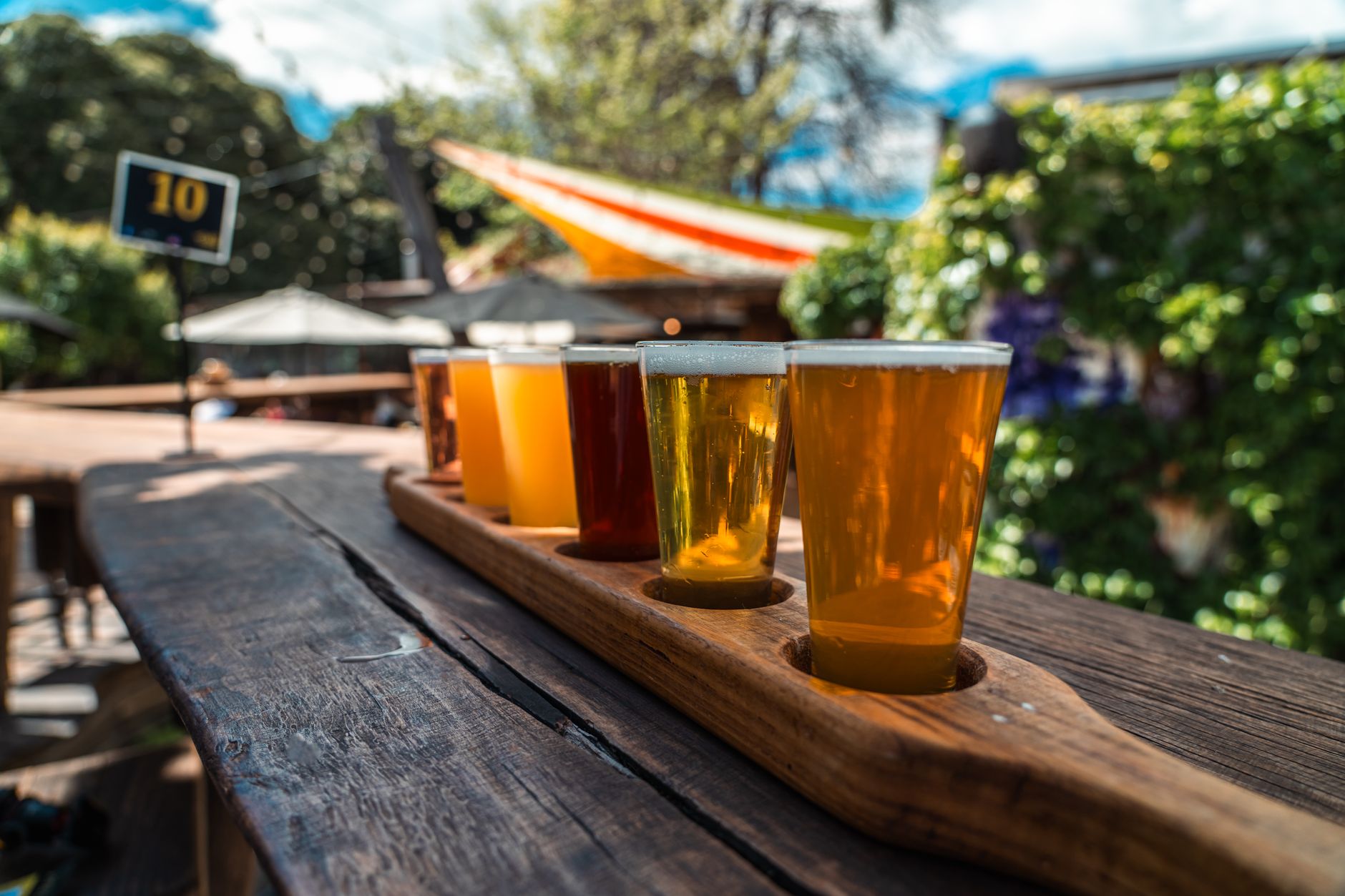
If youve ever glanced at a beer label or menu and spotted IBU, you might have wondered, What does IBU really mean for beer? Simply put, IBU stands for International Bitterness Unitsa number that tells you how bitter a beer will taste. This measurement matters because bitterness is a defining feature of many popular beer styles, shaping your whole drinking experience.
IBU Scale Explained
What Exactly Are IBUs?
IBU is a standardized way to quantify the bitterness in beer. This bitterness primarily comes from compounds called iso-alpha acids, which are released during the boiling of hopsthe flowers that give beer its signature bitterness and aroma. The higher the IBU, the more concentrated these bitter acids are. For example, light lagers often have between 5 to 15 IBUs, delivering a mild bitterness that‘s easy to enjoy. Meanwhile, bold beers like IPAs (India Pale Ales) can pack 40 to 70 or more IBUs, giving a sharp, distinct bite.
How Is the IBU Measured?
Measuring IBU involves a scientific process using spectrophotometry in laboratories. Specialists extract the bitter compounds from a beer sample, then measure how much light the sample absorbs at specific wavelengths. Since beer recipes and brewing methods vary, IBU values can fluctuate slightly between brewers or even batches. It means that two beers labeled with the same IBU might taste a bit different depending on other factors like malt sweetness and carbonation.
What Does the Beer Bitterness Scale Look Like?
| IBU Range | Bitterness Level | Typical Beer Styles |
|---|---|---|
| 015 | Mild | Lager, Blonde Ale, Wheat Beer |
| 1635 | Medium | Pale Ale, Amber Ale, Brown Ale |
| 3670 | Strong | IPA, Double IPA, Belgian Tripel |
| 70+ | Intense | Imperial IPAs, Extra Strong Ales |
This scale guides you in predicting how bitter a beer might taste, but remember that perception also depends on other flavors and your personal palate.
Why Beer Bitterness Matters
How IBUs Affect Your Experience
Bitterness is just one part of a beers flavor profile, but it plays an outsized role in balance. The sharpness from hops often contrasts malt sweetness, creating a harmonious blend. For instance, an IPAs high IBU provides that signature bite, appealing to those who prefer bold, assertive flavors. If you dislike very bitter drinks, beers with lower IBUs offer a softer, milder taste that is easier to enjoy.
When you choose a beer, knowing its IBU helps match your taste preferences. If youre scouting for more refreshing, less bitter options on the web, you might also explore healthy drinks that keep flavor but minimize sharpness.
Can I Predict Taste With IBUs?
IBUs offer a helpful hint but dont tell the full story. Other elements like malt sweetness, carbonation, alcohol strength, and fermentation techniques influence how bitter a beer feels. Sometimes, a beer with a high IBU is balanced by strong malt notes, dampening bitterness perception. So, while IBUs guide you, taste buds ultimately decide your preference.
For example, if you enjoy experimentally flavored beverages, learning about Sobe drinks can open new horizons beyond traditional beer bitterness.
Science Behind IBU Measurement
Chemistry of Beer Bitterness
The bitterness comes mainly from iso-alpha acids formed when hops are boiled. These acids dissolve in the wort (unfermented beer) and interact with other components to influence flavor and mouthfeel. Hops also add aroma and help preserve beer. The chemical balance between these bitter acids and proteins or sugars from malts shapes how harsh or smooth the bitterness feels.
Limitations of the IBU Scale
Despite its precision, the IBU scale doesnt fully capture how bitterness tastes to each person. Some yeast or malt flavors can mask bitterness. Alcohol content can amplify or soften bitterness too. And individual sensitivity varies widely: whats pleasantly bitter to one might taste sharp or overpowering to another.
Expert Insight: Brewers Perspective
Many brewers use IBUs as a baseline but focus on balance and drinkability. As one expert explains, We aim for a harmonious blend where bitterness complements malt sweetness instead of dominating it. IBU numbers guide recipe design, but tasting and adjusting is the real craft. This approach ensures beers are enjoyable and crafted with purpose.

Using IBUs to Find Your Beer
Match IBU to Taste
- For mild tastes: Choose beers with IBUs under 20. These are ideal for new or casual drinkers preferring soft bitterness.
- Balanced beers: Look for 2045 IBUs. Many popular ales and amber beers fit here, offering complexity without intense harshness.
- Bold lovers: Enjoy beers 45+ IBUs, like IPAs or Imperial styles, for a strong, bitter punch.
Explore Styles by Bitterness
| Beer Style | Typical IBU Range | Taste Profile |
|---|---|---|
| Lager | 820 | Crisp, Clean, Mildly Bitter |
| Pale Ale | 3045 | Balanced, Fruity, Medium Bitterness |
| IPA | 4070+ | Hoppy, Bold, Pronounced Bitterness |
| Stout | 3050 | Roasty, Smooth Bitterness |
Pairing beers with food also works better if you understand bitterness. For example, high-IBU IPAs cut through rich, fatty dishes well, while milder beers like wheat ales complement lighter snacks. Knowing your taste preferences can guide your choices, whether at a party or trying new brews at home.
Benefits and Drawbacks of High IBU Beers
Benefits of Knowing IBUs
- Avoid surprises: Knowing IBUs helps you avoid beers too bitter or too mild for your palate.
- Informed choice: Enables you to explore beer styles confidently and appreciate brewing craftsmanship.
- Pairing aid: Makes matching beer with food easier, enhancing meals and social occasions.
Potential Downsides
- Overfocus: Relying solely on IBUs may cause you to miss other flavor elements that affect taste.
- Bitterness overload: Very high IBUs dont guarantee better beers sometimes they just taste harsh.
- Individual differences: Your personal bitterness sensitivity may differ, so IBU is only a starting guide.
Safety Note: Bitterness and Alcohol
While bitterness itself poses no health risks, many high-IBU beers also have elevated alcohol content. Drinking in moderation is key. If youre health-conscious or following Halal dietary laws, note that many beer products will not be Halal-certified. Always check for reliable Halal certification logos, such as JAKIM, HMC, or IFANCA, on beverages to ensure compliance.
Is IBU Beer Meaning Relevant for Halal Consumers?
Halal consumers should note that many beers are not Halal-certified due to alcohol content and production methods. However, understanding bitterness through IBUs can be useful when exploring Halal-certified low-alcohol or malt beverages designed with similar flavor profiles. Always look for clear Halal certification marks from trusted bodies like JAKIM or IFANCA to ensure the product meets dietary requirements.
Does Higher IBU Mean Higher Alcohol?
Not necessarily. While many high-IBU beers have higher alcohol content, bitterness and alcohol strength are measured separately. IBUs focus on hop bitterness, whereas alcohol by volume (ABV) indicates ethanol content. Both affect taste but do not directly correlate.
How Do IBUs Affect Non-Beer Drinks?
IBUs specifically measure beer bitterness and are not used for other beverages. However, if you enjoy a variety of drinks, options among healthy drinks or popular brands like Sobe drinks offer alternatives with distinct flavor profiles and no bitterness scale to track.
Can I Taste IBUs in Non-Alcoholic Beers?
Yes, non-alcoholic beers also list IBUs, reflecting bitterness from hops. This measurement helps maintain flavor balance even when alcohol is removed. Theyre good options if you want beer taste without the alcohol.
Are All Hop Types Measured Equally in IBUs?
IBUs measure total bitter compounds but dont differentiate hop varieties. Some hops contribute floral or fruity aromas without adding intense bitterness, so IBUs dont capture aroma nuances.
How Can I Try Different IBUs at Home?
Visit specialized beer stores that label IBUs or attend tasting events. Sampling beers across the bitterness spectrum helps train your palate. If youre experimenting, try pairing them with foods to better understand bitterness impact.
Pro Tips for Buying Beer by IBUs
- Dont judge beer by IBUs alone. Smell and look at the beers label and description to understand malt, aroma, and alcohol levels.
- Cheap beers with listed IBUs might have less precise measurements; opt for trusted craft breweries with transparent labeling.
- Trust your palate sample small amounts first, especially if trying high-IBU beers. Bitterness can surprise you!
More You Might Like
Discover a range of beverages that complement your lifestyle, from refreshing healthy drinks to flavorful Sobe drinks for any occasion.
Conclusion
Understanding the IBU beer meaning unlocks a new level of enjoyment when choosing beers. It gives you a clear idea of how bitter a brew might be, helping you find the right balance for your taste. Next time you shop, check the label for IBU alongside other info its a handy guide for your perfect sip. Feel free to share your favorite bitterness levels or questions in the comments below!
FAQs
Is IBU beer meaning actually Halal — what should I check on the label?
IBU beer meaning describes bitterness and does not indicate if a beer is Halal. Check for Halal certification logos like JAKIM, HMC, or IFANCA on labels to confirm compliance with dietary requirements.
How long does a beer maintain its bitterness after opening?
Once opened, a beer’s bitterness and overall freshness start to decline quickly. It’s best to consume the beer within 1–2 days for optimal taste, as exposure to air reduces hop bitterness and flavor quality.
How does IBU differ from other measurements like ABV in beer?
IBU measures bitterness from hops, while ABV (alcohol by volume) measures alcohol content. They are separate values; a high IBU doesn't necessarily mean higher alcohol, and vice versa.
Is it safe to consume high IBU beers daily?
Moderation is key. High IBU beers may have higher alcohol and strong bitterness, which can be harsh if consumed daily. Drinking responsibly and balancing intake with your tolerance is recommended.
Where can I find reliable beers labeled with IBUs?
Specialty beer stores and craft breweries often label their products with IBU values. Beer tasting events and online retailers specializing in craft beer are also good places to explore different IBU ranges.