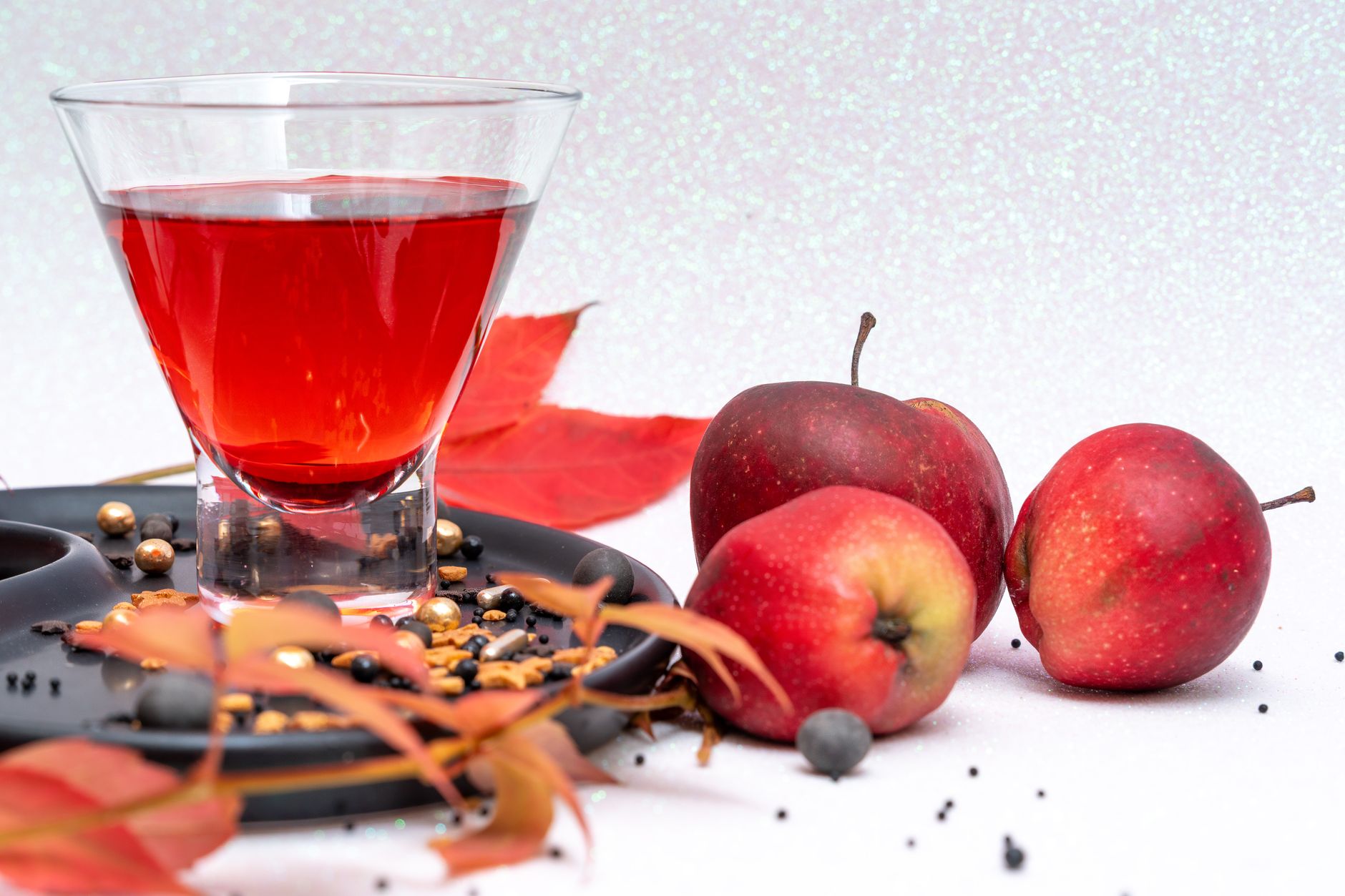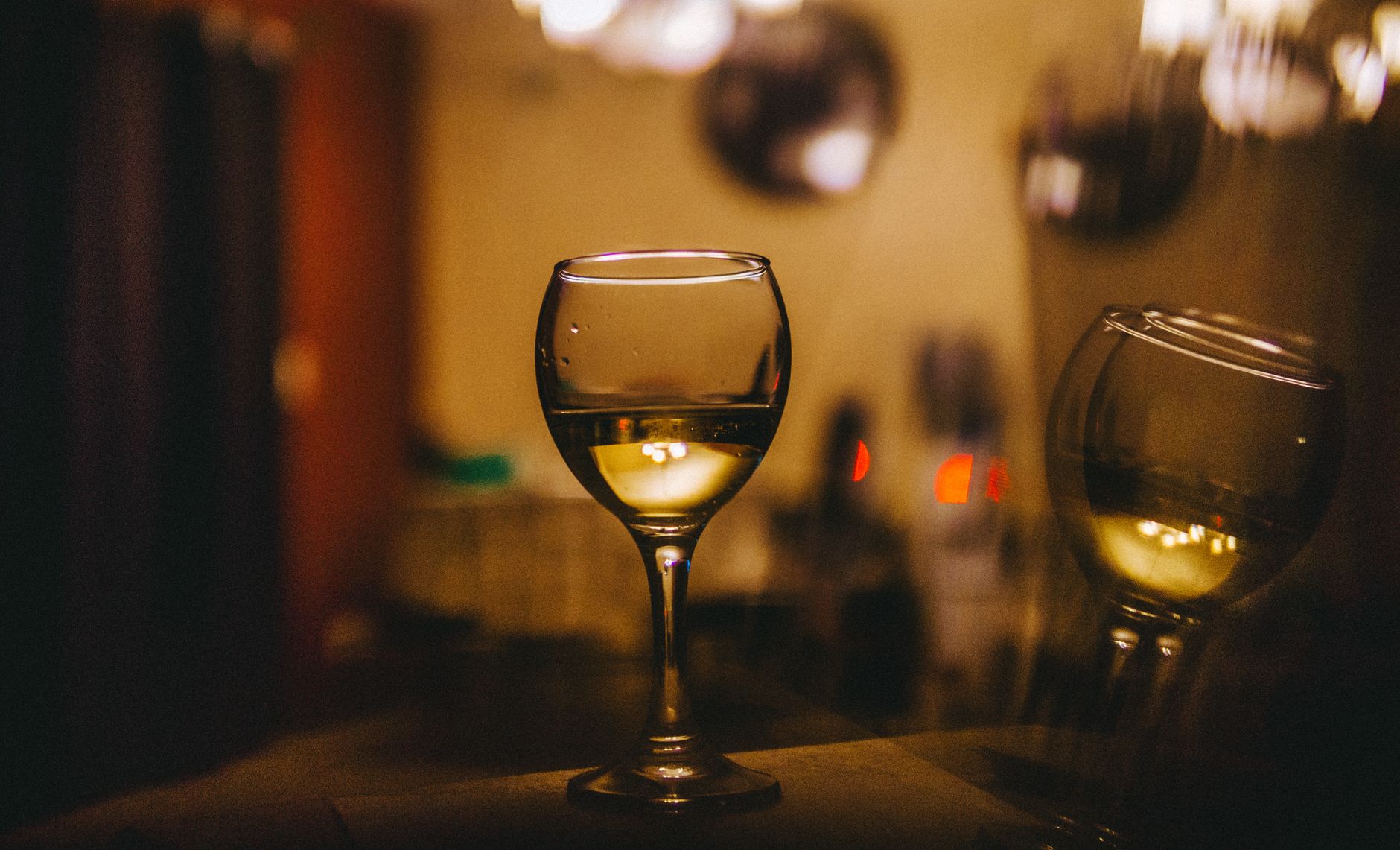
Port wine is more than just a sweet drink; its a rich, fortified wine from Portugal with a deep history and unique production style. If youve ever wondered what sets port wine apart from regular wines or how to truly enjoy it, this guide has you covered. From how port wine is made to its flavors and ideal pairings, youll learn everything you need to appreciate this luxurious beverage.
What Is Port Wine?
Port wine is a special fortified wine originating from the Douro Valley in northern Portugal. Unlike regular wines, it undergoes a fortification process where a grape spirit is added, halting fermentation. This boosts the alcohol content and preserves natural sugars, giving port its signature sweetness and rich body.
Typically sweeter than most table wines, port wine offers luscious flavors ranging from fruity to nutty, depending on the style and aging. The term fortified is key to understanding its unique profile the fortification process not only raises alcohol levels but also helps port wines age gracefully for years.
What Does Fortified Mean in Port Wine?
Fortified means that during the winemaking process, a grape spirit called aguardente is added to the fermenting wine. This addition stops fermentation early by killing the yeast, leaving residual sugar in the wine. Because fermentation stops, port wine retains its natural sweetness, contrasting with most dry wines where sugar fully converts to alcohol.
The spirit boost increases the alcohol content, usually to around 19-20%, compared to 12-14% in typical wines. This higher alcohol level acts as a preservative, allowing ports to mature and age without spoiling. Fortification is why port wines offer rich, velvety flavors while maintaining a balanced sweetness.
How Sweet Is Port Wine Compared to Other Wines?
Port wine sits on the sweeter end of the wine spectrum, thanks to its residual sugar preserved during fortification. While dessert wines like Sauternes or Moscato are also sweet, port often has a denser, more concentrated sweetness with fruit-forward and sometimes spicy notes.
However, not all ports are excessively sweet styles such as White Port and some vintage ports can be drier, leaning more towards balanced acidity. This variation makes port versatile, appealing to those who enjoy sweet or more mellow, aged flavors alike.
How Is Port Wine Made?
Port wines production is deeply tied to the Douro Valley in Portugal, where steep terraced vineyards grow grapes uniquely suited for fortified wine. Traditional port-making techniques date back centuries, though some modern wineries incorporate advanced equipment for consistency.
The process begins with hand-harvesting grapes, often in late September, before the cool fermentation starts. The grapes used are primarily indigenous varieties, designed to develop intense flavors suited for fortification and aging.
Step-by-Step: How Port Wine Is Made
- Harvesting: Grapes are handpicked to ensure quality and promptly transported to the winery.
- Fermentation: Grapes undergo fermentation for a brief period, typically 2-3 days, to convert some sugar into alcohol.
- Fortification: When the desired sugar level remains, grape spirit (aguardente) is added to halt fermentation and increase alcohol.
- Aging: The fortified wine is aged either in large oak barrels (pipes) or stainless steel tanks, depending on style. Aging can range from months for Ruby ports to several decades for Tawny ports.
- Bottling: After aging, ports are filtered and bottled, ready for sale or further maturation.

What Types of Grapes Are Used in Port Wine?
Several native Portuguese grape varieties contribute to port wines diverse profiles. The most widely used are:
- Touriga Nacional: Known for dense color and floral aromas.
- Tinta Roriz (Tempranillo): Adds structure and berry flavors.
- Touriga Franca: Offers elegance and freshness.
- Tinta Barroca: Brings warmth and body.
- Tinto Co: Provides acidity and aging potential.
Each grape plays a role in balancing flavor, tannins, and aroma depending on the port style. Winemakers often blend varieties to achieve complexity or highlight single vineyard grapes for premium vintages.
Types of Port Wine
Port wine comes in several distinct styles, each with unique aging requirements and flavor profiles. Heres an overview of the most common types:
- Ruby Port: A young, vibrant red port aged for 2-3 years. Fruity and sweet, perfect for casual sipping.
- Tawny Port: Aged in wooden barrels for extended periods (10-40+ years). It develops nutty, caramel flavors and a lighter amber color.
- White Port: Made from white grapes. It ranges from dry to sweet and is often served chilled or mixed in cocktails.
- Vintage Port: Produced only in exceptional years, bottled young, and aged further in the bottle. Powerful and complex with firm tannins.
- Late Bottled Vintage (LBV): A compromise between Ruby and Vintage ports. Aged 4-6 years in barrels and ready to drink upon release.
How to Choose the Best Port Wine for You
Your choice depends largely on taste preference and budget. If you like fruity and sweet wines for casual occasions, Ruby or LBV ports offer excellent value. Tawny ports suit those who enjoy rich, nutty flavors and smoother textures. For special celebrations, Vintage ports provide complexity but can be pricier and require cellaring.
Best Port Wine Brands to Try
Among trusted producers, look for brands like Taylors, Grahams, Fonseca, and Dows. These names maintain high quality, abiding by strict regulations of Portugals IVDP (Institute of Vine and Wine of Portugal). Exploring their range allows you to find the style you prefer from affordable entry-level to luxurious vintage offerings.
What Does Port Wine Taste Like?
Ports flavor depends heavily on the type you choose:
- Ruby Port: Juicy red berries, ripe plum, and chocolate undertones.
- Tawny Port: Toasted nuts, dried fruit, caramel, and warm spices.
- White Port: Citrus, apple, pear, sometimes floral notes.
- Vintage Port: Black fruits, rich chocolate, black pepper, and complex tannins.
Port has a characteristic sweetness, but is balanced with tannins and acidity that keep it from feeling cloying. Contrary to some assumptions, port is not syrupy sweetquality versions are layered and nuanced. Sweetness level varies along a continuum, often tempting first-time tasters with smooth richness.
How Does Aging Affect Port Wine Taste?
Young ports like Ruby arrive bold and fruit-forward with straightforward sweetness. As ports age in wood or bottles, flavor evolves dramatically. Tawny ports develop nutty, caramelized aromas with mellow textures. Vintage ports soften tannins and gain complexity after decades.
This aging potential makes port wine special among desserts and fortified wines, inviting wine lovers to explore diverse tasting experiences from youthful vibrancy to elegant maturity.
Port Wine Tasting Tips
To fully appreciate ports richness, tasting should be mindful. Pour a small amount into a tulip-shaped glass that concentrates aromas. The ideal serving temperature is 60-65F (16-18C) for reds and slightly chilled (50-55F or 10-13C) for White Port.
Swirl gently, inhale deeply, and sip slowly to identify layers of flavordark fruits, spices, nuts, and the hint of alcohol warmth. Let the wine linger in your mouth to perceive the balance of sweetness and acidity. This approach reveals why port is beloved worldwide.
Common Mistakes When Tasting Port Wine
- Over-chilling: Too cold masks aromas and flavors.
- Wrong glassware: Avoid stemless or wide bowls that lose aroma concentration.
- Improper pairing: Combining with overly spicy or acidic foods can clash.

Food Pairings for Port Wine
Port wines sweetness and richness pair excellently with various foods. Classic pairings include:
- Cheese: Blue cheese and aged cheddar highlight ports bold flavors.
- Chocolate: Dark chocolate desserts or truffles complement ports fruitiness.
- Nuts: Toasted almonds and walnuts enrich Tawny ports nutty notes.
- Fruits: Berries, figs, and dried fruits add fresh contrast.
Port also works surprising well with certain savory dishes think duck with berry sauce or spicy grilled meats. If you want a refreshing mix, try White Port chilled over ice or in cocktails like the Miami vice cocktail.
Best Sweet Wine Pairings: Port and Desserts
When enjoying port with desserts, look for balance. Rich, fruity Ruby ports go beautifully with berry tarts or chocolate mousse. Tawny ports shine with caramel-flavored cakes or nut-filled pastries. Avoid overly sweet desserts that overpower the subtleties of port. Keeping sugar levels in check lets ports complex aromas come through.
Alcohol Content in Port Wine
Typically, port wine contains between 19% and 20% alcohol by volume (ABV), almost twice that of standard table wines (which usually range from 12% to 14%). This higher alcohol stems from fortification and gives port its warming sensation without the intensity of spirits.
Knowing this helps with moderation, especially for Halal-conscious consumers who may want to avoid alcohol. While port is alcoholic, Halal certification bodies such as JAKIM, IFANCA, or HMC clearly label beverages that meet strict ingredient and processing standards, though standard port is generally not Halal certified due to its alcohol.
How to Enjoy and Store Port Wine
Storing port wine properly preserves its quality. Unopened bottles keep well in a cool, dark place around 55F (13C), ideally horizontally to keep cork moist. Ruby ports last for decades unopened, while Tawny and Vintage ports can age even longer.
Once opened, port wines shelf life varies:
- Ruby Port: Up to 4 weeks refrigerated with a cork.
- Tawny Port: Lasts 6-8 weeks refrigerated and sealed.
- White Port: Typically 2-3 weeks refrigerated.
- Vintage Port: Best consumed within 2 days after opening.
Avoid exposing opened bottles to heat or sunlight, which accelerates spoilage.
Can You Age Port Wine at Home?
Once bottled, Vintage ports continue maturing and improve for 10-20 years in ideal cellars. However, this requires stable, cool conditions around 55F (13C). Tawny ports are generally aged before bottling but can also gain subtle nuances with storage. If you dont have proper storage, enjoy your port within recommended times.
Where to Buy Port Wine
Look for port wines at reputable wine shops and liquor stores with proper licensing. Specialty stores focusing on fortified wines offer good selections and knowledgeable staff. Online retailers with verified suppliers are also reliable.
To ensure genuine quality especially important for health-conscious and Halal-aware consumerscheck for official Portuguese IVDP seals on labels. Avoid imports without clear labeling or those sold at suspiciously low prices. Authentic port wine labels often display the word Porto or Oporto, confirming origin.

| Certification | Price Range | Common Formats | Shelf Life | Key Allergens |
|---|---|---|---|---|
| IVDP seal (Portuguese origin) | $15 - $150+ | Standard 750 ml bottles | 2-4 weeks opened, years unopened | Contains sulfites, trace grape residues |
Is Port Wine Actually Halal What Should I Check?
Port wine contains alcohol, so it is not considered Halal according to Islamic dietary laws. Some Halal certification bodies such as JAKIM, HMC, and IFANCA list strict rules forbidding alcoholic beverages. Always look for these certification logos if you seek Halal products. Non-alcoholic grape juices or Halal-certified wines are alternatives when alcohol is not allowed.
How Should Port Wine Be Served?
Serve red ports like Ruby and Vintage at room temperature (60-65F or 16-18C). White Port tastes best chilled at 50-55F (10-13C), especially in summer. Use stemmed glasses with narrow openings to concentrate aromas. Avoid overfilling; a 3-ounce pour is ideal for savoring flavors.
Can Port Wine Help with Digestion?
Traditionally, port wine is enjoyed as a digestif, believed to aid digestion after meals due to its warming alcohol and sweet profile. However, this is cultural rather than scientific advice. Moderation remains key to avoid negative effects.
What Makes Tawny Port Different From Ruby?
Tawny ports are aged in oak barrels for extended periods, resulting in oxidative aging that softens color and creates nutty, caramel flavors. Ruby ports are aged briefly in large tanks, retaining vibrant fruitiness and bright red color.
Is Vintage Port Worth the Extra Cost?
Vintage ports are produced only in the best years and require long aging. They offer the highest complexity and aging ability, suitable for collectors or special occasions. For casual drinkers, LBV or Ruby ports provide excellent value.
Are There Non-Alcoholic Versions of Port Wine?
Non-alcoholic port-style wines exist but are rare. These products mimic ports sweetness and grape flavors without alcohol and may carry Halal certification. They cater to those avoiding alcohol yet craving similar taste experiences.
What Food Should Be Avoided with Port Wine?
Highly acidic or spicy foods may clash with ports sweetness. Avoid dishes heavy in vinegar or hot spices that overwhelm ports balanced flavors. Instead, aim for complementary creams, cheeses, fruits, and mild desserts.
Does Port Wine Contain Allergens?
Port wine contains sulfites, common in most wines. People sensitive to sulfites should consume cautiously. Additionally, trace grape residues may cause reactions in rare cases. Always check product labels if allergies are a concern.
Pro Tips for Port Wine Selection
- Dont Buy Cheap Ports: Low-priced ports often use inferior grapes and shortcuts, resulting in overly sweet but thin flavors.
- Check the Vintage: For Vintage and LBV ports, the declared year matters significantly for quality and taste.
- Expert Tip: When trying port for the first time, start with Tawny 10 or 20-year variantsthey offer complex flavors without requiring cellaring.
More You Might Like
If you enjoy learning about beverages, check out our guide on Healthy energy drinks for clean-label options that boost vitality. For something more festive, explore the tropical flavors of the Miami vice cocktailperfect for a refreshing twist.

Conclusion
Port wine is a unique fortified sweet wine with deep roots in Portugals Douro Valley. Knowing how its made, the different types, and tasting tips helps you truly savor its rich, layered flavors. Next time you pick up a bottle, take a moment to enjoy the history and craftsmanship poured into every sip. Whether for special occasions or casual enjoyment, port wine invites you into a world of delicious discovery.
FAQs
Is Port Wine actually Halal — what should I check on the label?
Port wine contains alcohol and is generally not considered Halal according to Islamic dietary laws. Look for certification logos from bodies like JAKIM, IFANCA, or HMC if you seek Halal products. Non-alcoholic grape juices or Halal-certified wines are alternatives when avoiding alcohol.
What is the shelf life of port wine after opening?
After opening, Ruby port lasts up to 4 weeks refrigerated, Tawny port 6-8 weeks, White port 2-3 weeks, and Vintage port should be consumed within 2 days for best quality.
How does Port Wine differ from regular table wines?
Port wine is fortified with grape spirit, increasing alcohol to about 19-20% and preserving residual sugar, making it sweeter and richer than typical dry table wines with 12-14% alcohol.
Is it safe to consume Port Wine daily?
Due to its higher alcohol content, port wine should be consumed in moderation. Occasional servings as a digestif are common, but daily consumption may lead to health risks associated with alcohol.
Where can I buy authentic Port Wine?
Buy authentic port wine at licensed wine and liquor stores or reputable online retailers. Look for the Portuguese IVDP seal and clear origin labeling such as "Porto" or "Oporto" to ensure quality.