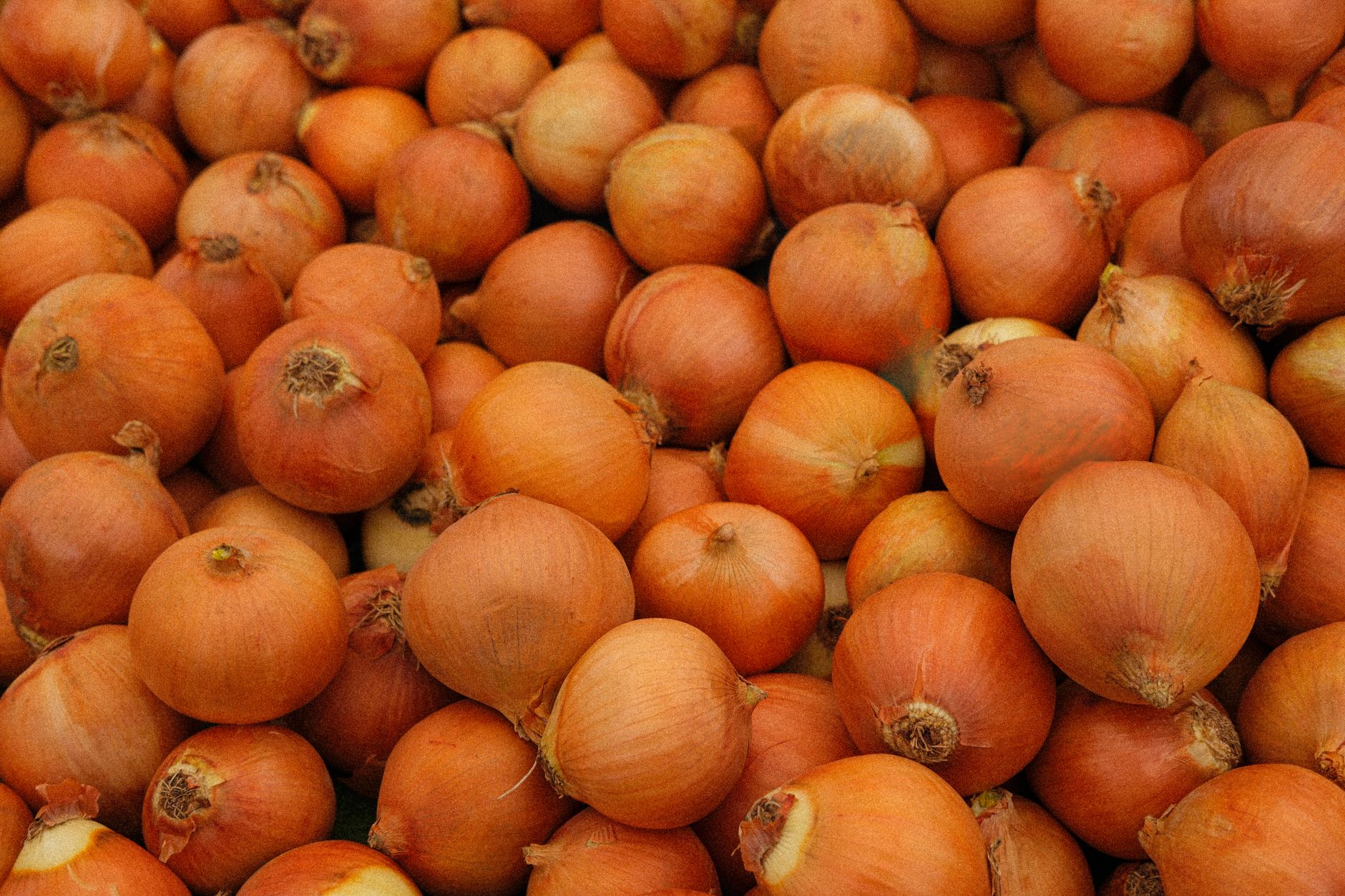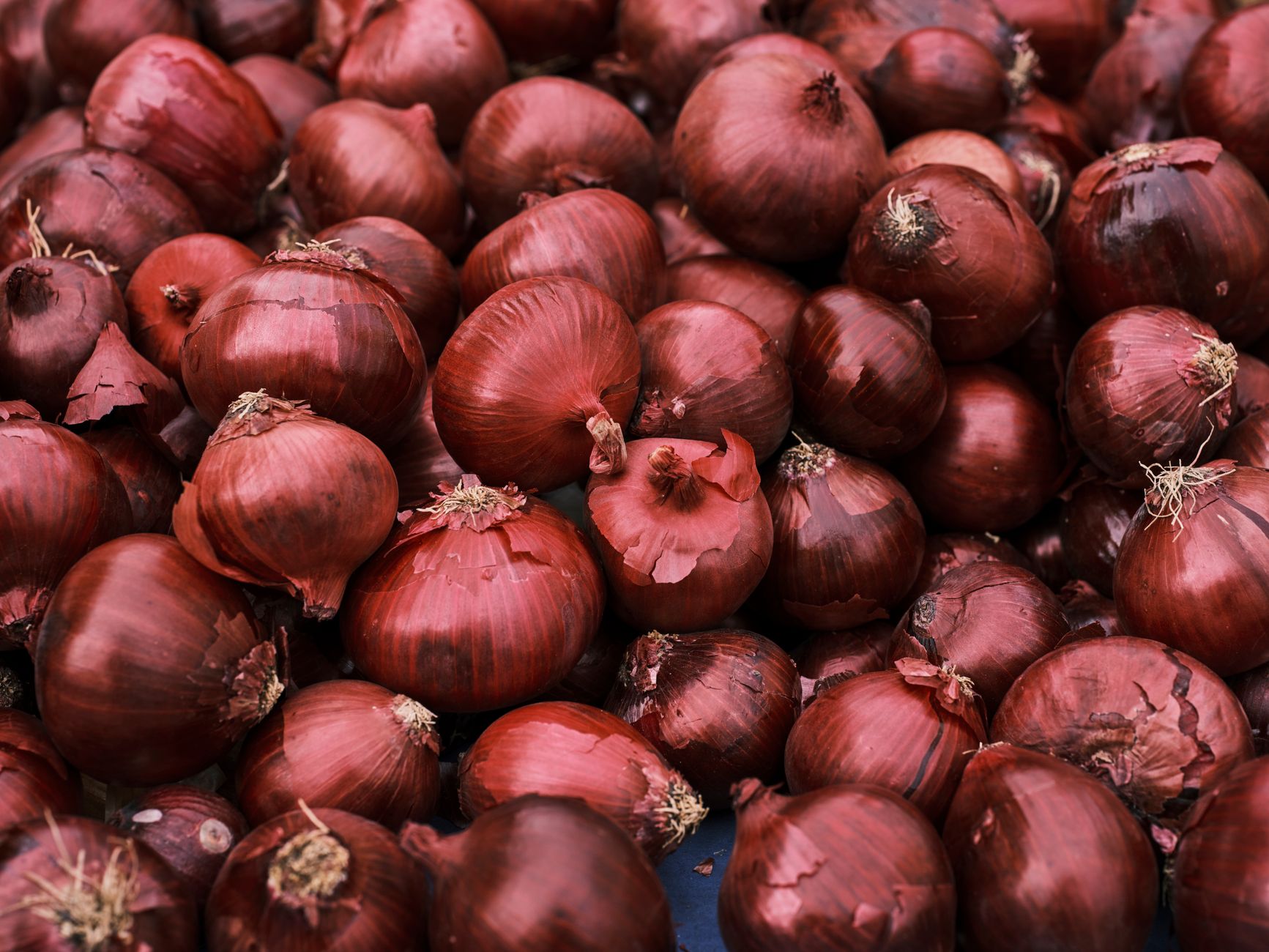
Running out of onions mid-recipe or needing to avoid them due to allergies or diet restrictions can feel like a dead end. But you have more options than you think. Finding the right onion substitutes means understanding what each recipe needs sweetness, pungency, or crunch. This guide walks you through 12 reliable alternatives, from pantry staples to fresh vegetables, so your dishes stay flavorful without compromise.
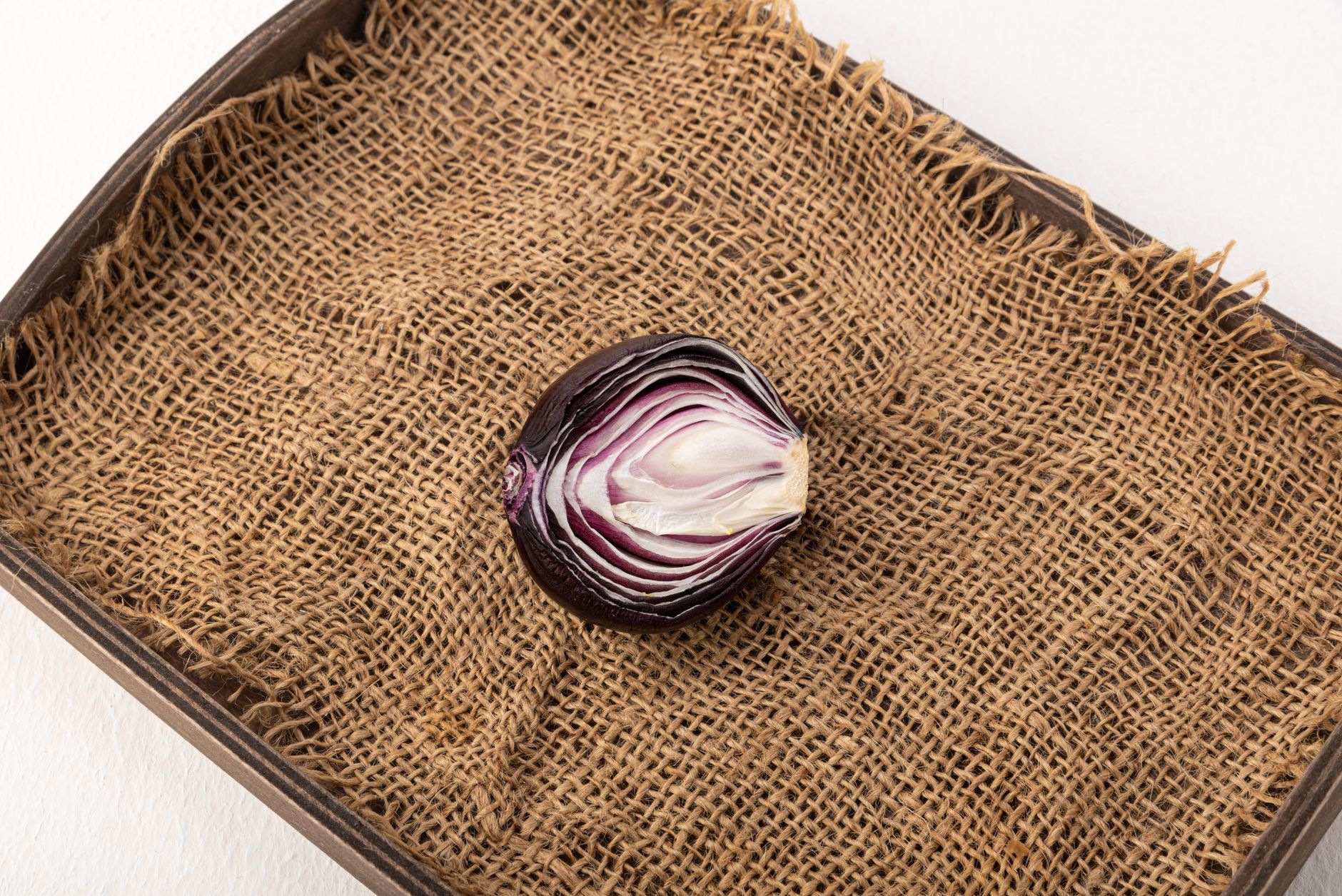
Why Use Onion Substitutes
Common Reasons People Skip Onions
Onion allergy and intolerance affect a small but significant number of people. Others follow a low-FODMAP diet for IBS management, which restricts onion and garlic. Many home cooks simply run out of onions and need a quick swap. Understanding your reason helps you choose the best alternative.
What Onions Add to Dishes
Onions bring a unique combination of sulfur compounds, natural sugars, and water content. Raw onions give sharp pungency; caramelized onions add deep sweetness and umami. They also contribute texture softened in stews or crunchy in salads. Substitutes must recreate one or more of these roles.
Balancing Benefits and Challenges of Onion Substitutes
No substitute perfectly mimics every onion attribute. Some lack sweetness, others offer too much moisture. Digestive effects vary asafoetida can be gentler for some, while garlic may worsen symptoms. Cooking times may need adjustment because substitutes like celery contain more water.
The 12 Best Onion Substitutes Overview
Each substitute listed below works best in specific dishes. We cover fresh vegetables, dried spices, and hybrid options. Match the substitute to your recipe type: soups, stir-fries, raw salads, or slow-cooked meals. You will also find tips on preparation and quantity equivalences.
1. Fennel
Why Fennel Works as an Onion Substitute
Fennel has a mild, sweet character with subtle anise notes. When sliced thin, it mimics the crunch of raw onion. Cooked fennel softens and sweetens, making it ideal for roasted vegetable medleys and hearty soups.
Best Uses in Cooking
Use fennel in salads, braised dishes, and seafood recipes. Shave it raw for coleslaw or saut it with other aromatics. One medium fennel bulb replaces one medium onion.
How to Prepare and Use Fennel as a Substitute
Trim the stalks and fronds, cut the bulb in half, remove the core, then slice or dice. For a milder flavor, blanch the slices for 2 minutes before adding to dishes.
2. Asafoetida
What Is Asafoetida and Its Flavor Profile
Asafoetida is a dried resin spice common in Indian cooking. It smells strong raw but mellows into a savory, onion-garlic like flavor when heated. A tiny pinch less than 1/8 teaspoon replaces one small onion.
How to Use Asafoetida as an Onion Replacement
Bloom the powder in hot oil or ghee for 10 seconds before adding other ingredients. This step activates its flavor and reduces bitterness. It works especially well in lentil soups, curries, and stir-fried vegetables.
Benefits for Sensitive Cooks Who Avoid Onions and Garlic
Asafoetida is naturally gluten-free and often tolerated by people with onion or garlic allergies. However, check the label some brands mix it with wheat flour as a carrier. Look for pure resin or certified gluten-free versions.

3. Celery
Flavor and Texture Comparison
Celery provides a crunchy texture and a mild, slightly bitter flavor. It lacks the sweetness of onion but adds freshness. Use it in stocks, stews, and stuffing where onion is part of a mirepoix blend.
Best Recipes for Celery as a Substitute
Substitute celery for onion in soup bases, braised meats, and casseroles. One large celery stalk replaces about half a medium onion. For extra depth, combine celery with a pinch of onion powder.
Tips for Maximizing Flavor When Substituting with Celery
Cook celery slowly over low heat for 810 minutes to soften its fibrous structure. Add a splash of lemon juice to brighten the flavor. If you want to preserve extra stalks, consider how to freeze celery for later use it stays usable for up to 6 months.
4. Chives
Mild Oniony Flavor Suitable for Garnishes and Light Dishes
Chives offer a gentle onion taste with no bitterness. They work best raw or added at the very end of cooking. Use them in egg dishes, salads, dips, and creamy soups.
Raw vs. Cooked Uses
Raw chives retain their bright color and crisp texture. Cooked chives lose flavor quickly stir them in during the last 2 minutes of cooking. A tablespoon of chopped chives replaces one tablespoon of chopped onion.
5. Onion Powder
When and How to Use Onion Powder as a Direct Onion Substitute
Onion powder provides concentrated flavor without moisture. Use it in dry rubs, marinades, and sauces where fresh onion would add too much liquid. One teaspoon of onion powder replaces one small fresh onion.
Flavor Potency and Limitations
Onion powder has a milder, more uniform taste than fresh onion. It lacks the sharp bite and crunchy texture. Rehydrate it with a little water for 5 minutes before adding to dishes if you want a closer match.
Storage Tips and Commercial Brands to Trust
Store onion powder in a sealed container away from heat and light. It stays potent for 12 years. For Halal-certified options, look for brands displaying a JAKIM or IFANCA logo on the label.
6. Scallions/Green Onions
Differences and Similarities to Traditional Onions
Scallions have a milder, fresher taste than bulb onions. The white part offers more pungency; the green tops are grassy. Use both parts for layered flavor.
Uses in Cooking vs. Raw Dishes
Raw scallions add crunch to tacos and stir-fries. Cooked scallions soften in 34 minutes add them early for a subtle onion base or late for a fresh finish. Three to four scallions replace one medium onion.
7. Leeks
Subtle Sweetness and Texture Benefits
Leeks are sweeter and more delicate than onions. They break down into a silky texture when cooked slowly. Ideal for potato leek soup, risottos, and braised chicken.
Best Recipes for Leek Substitution
Use leeks anywhere you want a mild, sweet onion flavor without sharpness. One large leek (white and light green parts only) replaces one medium onion.
Cleaning and Preparation Tips
Leeks hide dirt between their layers. Slice them lengthwise, rinse under running water, then chop. Pat dry before cooking to avoid excess moisture.
8. Ramps
Unique Wild Onion Alternative with Garlicky Notes
Ramps, also called wild leeks, combine onion and garlic flavors. They are foraged in early spring and prized for their intense aroma. Use them raw in pestos or sauted in butter.
Seasonal Availability and Sourcing Tips
Ramps are available only 46 weeks in spring. Look for them at farmers markets or specialty grocers. Sustainably harvest or buy from certified foragers to protect wild populations.
9. Shallots
Flavor Profile Closer to Onion but Milder and Sweeter
Shallots taste like a cross between onion and garlic, with a delicate sweetness. They work well in vinaigrettes, sauces, and any dish where raw onion might be too harsh.
Cooking Versatility
Use shallots raw in dressings or sauted in butter for 45 minutes until translucent. Two medium shallots replace one medium onion.
10. Garlic
Stronger Pungency, Complementary Flavor
Garlic is more pungent than onion, but it can boost savory dishes when onion is missing. Use half the amount called for in the recipe one garlic clove replaces about one tablespoon of chopped onion.
Using Garlic to Boost Flavor When Skipping Onion
Combine garlic with a pinch of sugar to mimic onions natural sweetness. Roast garlic first to mellow its heat. Add garlic in the last 3 minutes of cooking to avoid bitterness.
11. Celeriac
Earthy, Mild Flavor That Adds Bulk and Texture
Celeriac (celery root) has a earthy, mild taste and dense flesh. It works well in purees, stews, and soups where you need both flavor and body.
Substitution Ideas for Soups and Purees
Peel and dice celeriac, then cook it like potato. One medium celeriac bulb (about 8 ounces) replaces one medium onion in texture, though flavor is less pronounced.
12. Spring Onions
Similar to Scallions but with Bigger Bulbs and Slightly Stronger Flavor
Spring onions are young bulb onions harvested before full maturity. They have a larger white bulb than scallions and a more pronounced onion taste. Use them grilled, roasted, or raw in salads.
Using Spring Onions in Raw and Cooked Dishes
Slice spring onions thinly and add to stir-fries during the last 2 minutes. For roasting, leave them whole and grill for 68 minutes. Two spring onions replace one medium onion.
Recommended Onion Substitute Combinations
Mixing two or more substitutes often yields a more balanced flavor. For example, combine fennel with chives for raw slaws. Pair leek with garlic for creamy soups. Use celery with a dash of onion powder in braised dishes. Adjust cooking times: if using high-moisture substitutes like celery or celeriac, saut them 23 minutes longer to evaporate excess liquid.
Tips for Cooking Without Onions
Build flavor layers by starting with a neutral oil and blooming spices or herbs first. Add salt early to draw out moisture from substitutes. Use a gas stovetop burner for precise heat control low heat slowly caramelizes leeks, while medium heat works for quick-cooking scallions. Adjust seasoning at the end because some substitutes (like shallots) release sweetness gradually.
When Is the Best Time to Use Each Substitute?
The best time depends on the dish. For quick stir-fries, use scallions or spring onions added at the start. For slow soups, leeks or celery work best. Raw applications call for chives, fennel, or shallots. Plan ahead: if you need a substitute for long cooking, choose ingredients that hold texture well, like celeriac or fennel.
Can You Replace Onion Powder with Fresh Onion?
Yes, but adjust liquids because fresh onion adds moisture. Use 1 tablespoon fresh chopped onion for every 1 teaspoon onion powder. Reduce other liquids in the recipe by 2 tablespoons per medium onion used.
Which Substitute Works Best for Low-FODMAP Diets?
Asafoetida and chives are generally low-FODMAP in small quantities. Fennel bulb is also tolerated by many. Always check individual tolerance because some people react to all alliums. Avoid onion powder and garlic.
How Do You Substitute Onion in Raw Salsas and Salads?
Use finely chopped fennel or shallots. Both add crunch and mild oniony flavor without overpowering. For a brighter taste, add a squeeze of lime or lemon.
Is It Necessary to Cook Onion Substitutes Differently?
Yes. Fennel and leeks need longer cooking to become tender about 1012 minutes over medium heat. Celery requires 8 minutes. Scallions and chives need only 23 minutes. Adjust based on the substitutes water content.
Can You Use Onion Substitutes in Pickling Recipes?
Fennel and shallots pickle beautifully. Slice them thin and use a standard brine (1 part vinegar, 1 part water, sugar and salt). Let sit for 24 hours in the fridge for best flavor.
What Is the Most Neutral Substitute for Onion?
Celery is the most neutral in flavor, especially when cooked. It blends into backgrounds without dominating. For a completely neutral option, use a small amount of asafoetida or simply increase other aromatics like carrot and herbs.
More You Might Like
For tips on efficient cooking, check our guide on mastering gas stovetop burner controls perfect for caramelizing leeks and shallots. Also learn how to freeze celery so you always have a backup substitute on hand.
Conclusion
Choosing the right onion substitutes is about matching flavor, texture, and cooking method. From fennel to asafoetida, each option serves a specific need. Experiment with combinations and adjust cooking times for best results. Next time you shop, check the produce section for these alternatives your pantry will be ready for any recipe.
FAQs
Is onion substitutes actually Halal — what should I check on the label?
Most fresh substitutes like fennel, leeks, and scallions are naturally Halal. For processed options like onion powder or asafoetida, look for a certified Halal logo (JAKIM or IFANCA). Asafoetida sometimes contains wheat flour as a carrier, so check for gluten-free or pure resin versions if you avoid gluten as well.
How long do onion substitutes last after opening?
Fresh substitutes like fennel, celery, and leeks last 5–7 days in the refrigerator. Onion powder stays potent for 1–2 years in a sealed, cool, dark container. Celery can be frozen for up to 6 months. Always store dried spices away from heat and light to preserve flavor.
What is the difference between fresh onion and onion powder as a substitute?
Fresh onion provides moisture, crunch, and a sharp pungency, while onion powder delivers concentrated flavor without liquid. Use powder in dry rubs and sauces where extra water would ruin the texture. For a closer match to fresh onion, rehydrate the powder with a little water for 5 minutes before adding.
Are onion substitutes safe to use daily, especially for low-FODMAP diets?
Asafoetida and chives are generally low-FODMAP in small amounts and can be used daily. Fennel bulb is also well-tolerated by many. However, onion powder and garlic should be avoided on a strict low-FODMAP diet. Always test individual tolerance, as some people react to all alliums.
Where can I buy quality onion substitutes?
Most fresh substitutes like fennel, leeks, and shallots are available in regular grocery stores. Ramps are seasonal and found at farmers markets in spring. Asafoetida can be purchased from Indian grocery stores or online retailers. For Halal-certified onion powder, look for brands with JAKIM or IFANCA certification on the label.