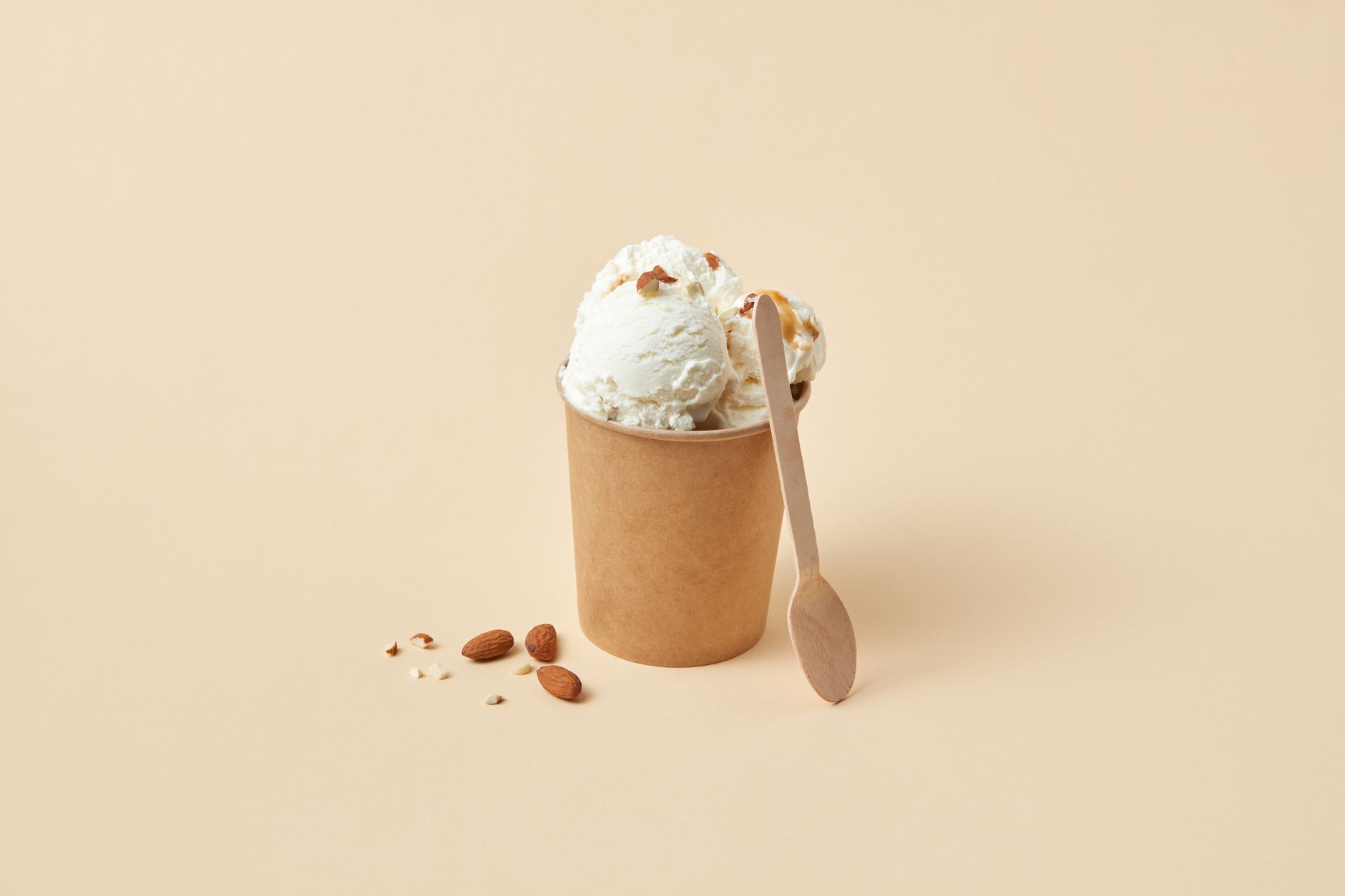
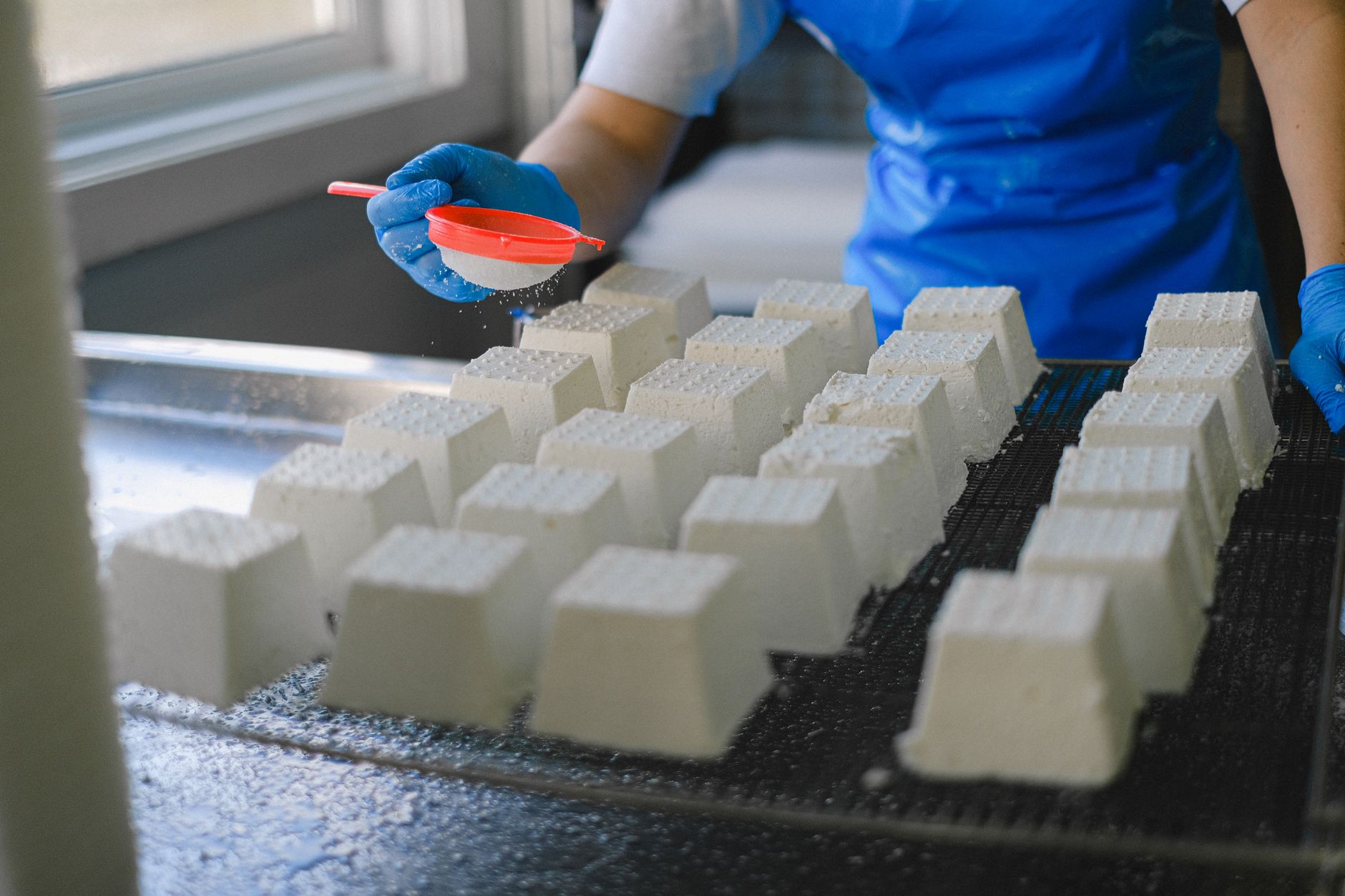
You are standing in the dairy aisle, staring at two white tubs. One says ricotta. The other says cottage cheese. Both look soft, both are mild, and both seem like they could work in the same recipe. But the reality of ricotta vs cottage cheese is more nuanced than most people realize. They come from different places, behave differently in heat, and offer completely different textures. Before you grab either tub, you need to understand what makes each one unique.
Knowing the difference can save your lasagna from turning watery and your breakfast bowl from feeling too dense. This guide walks you through everything from production methods to substitution tricks, so you never guess again.
What is Cottage Cheese?
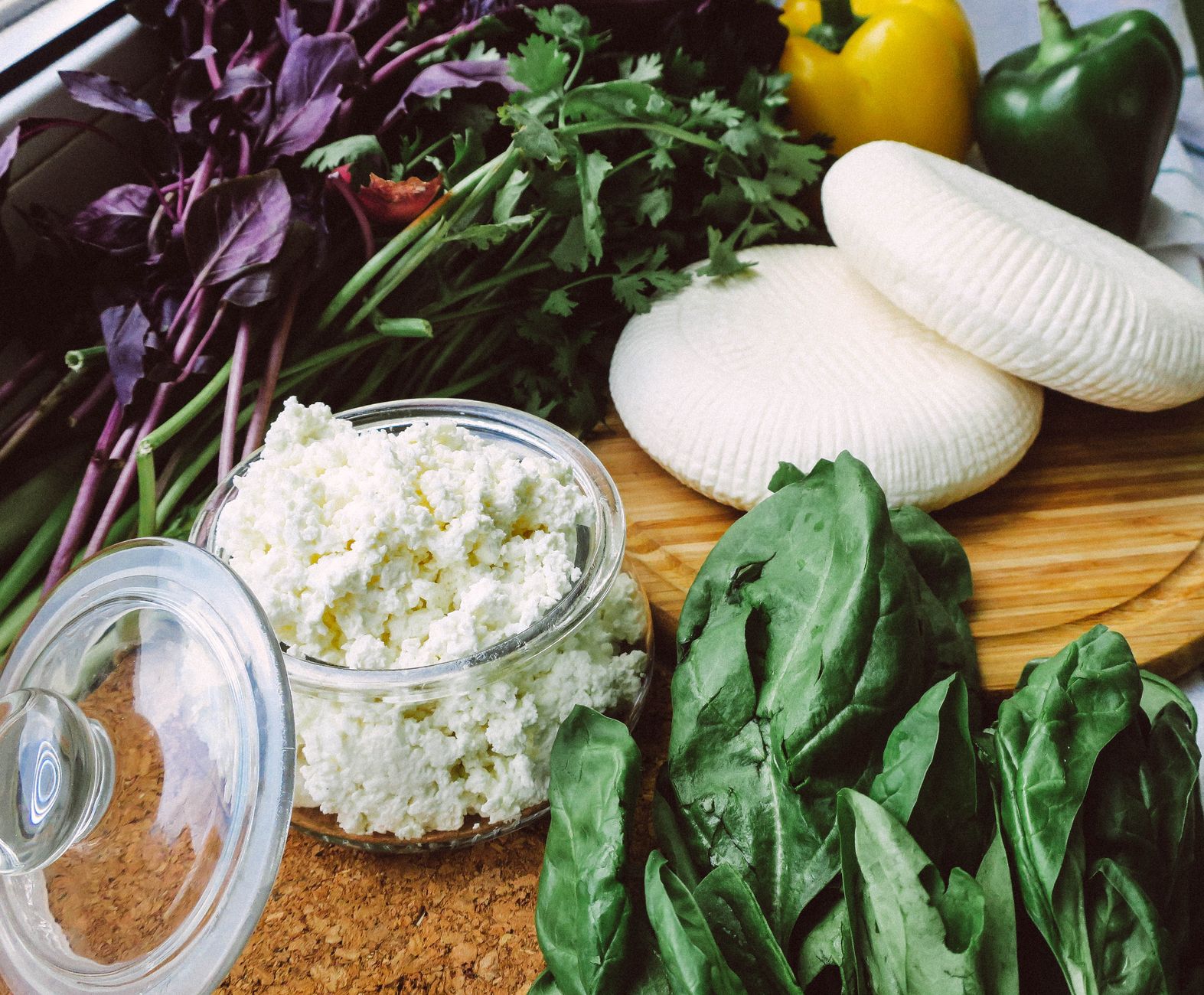
Cottage cheese is a fresh cheese made from curds that are washed and drained. The curds are formed by adding an acid or rennet to milk, which causes it to separate into solid curds and liquid whey. The curds are then cut, cooked gently, and rinsed to remove acidity. The result is a lumpy, moist cheese with a mild tang.
The texture ranges from small-curd to large-curd, and the fat content varies from fat-free to full cream. A standard half-cup serving of low-fat cottage cheese contains roughly 90 calories, 12 grams of protein, and 2.5 grams of fat. It is naturally low in carbohydrates, making it a favorite among low-carb and high-protein diets.
Because the curds are only lightly pressed, cottage cheese retains a high moisture content around 80 percent. This makes it creamy but also means it releases liquid when heated.
What are the common uses of cottage cheese in cooking?
Cottage cheese shines in cold preparations. You can eat it straight from the tub with fruit, honey, or granola for a quick breakfast. It also works well in savory bowls topped with avocado, cherry tomatoes, and black pepper. Many people blend it smooth and use it as a base for dips, salad dressings, or high-protein pancake batter.
In baking, cottage cheese adds moisture and protein to muffins, breads, and cheesecake-style desserts. However, because it contains so much liquid, you need to drain or blend it first to avoid a soggy result. It does not melt like mozzarella, but it softens and becomes creamy when baked into casseroles or lasagna.
Cottage Cheese Nutrition Snapshot
| Variety | Calories (per 100g) | Protein (g) | Fat (g) | Sodium (mg) |
|---|---|---|---|---|
| Non-fat | 72 | 10.3 | 0.3 | 406 |
| Low-fat (1%) | 84 | 12.4 | 1.3 | 372 |
| Full-fat (4%) | 106 | 11.5 | 4.3 | 321 |
Data sourced from USDA FoodData Central. Values vary by brand and processing method.
What is Ricotta Cheese?
Ricotta is an Italian whey cheese. It is traditionally made by reheating the whey left over from cheesemaking, adding an acid to cause the remaining proteins to coagulate. Unlike cottage cheese, which starts with whole milk curds, ricotta captures the fine, delicate proteins that remain after other cheeses are made. This gives it a smoother, finer texture and a slightly sweet, milky flavor.
Fresh ricotta is soft, spreadable, and almost velvety. It contains less moisture than cottage cheese roughly 70 to 75 percent which means it holds its shape better when baked. A 100-gram serving of whole-milk ricotta contains about 174 calories, 9 grams of protein, and 13 grams of fat. Part-skim versions drop to around 138 calories and 8 grams of fat.
Ricotta does not have curd lumps. Instead, it has a uniform, grainy-smooth consistency that feels rich on the tongue. It is available in full-fat, part-skim, and sometimes low-fat varieties, although the full-fat version is the most common for traditional Italian cooking.
Popular ricotta cheese recipes and culinary uses
Ricotta is a staple in Italian kitchens. It fills lasagna layers, stuffs manicotti and ravioli, and forms the base of creamy baked pastas. It also appears in desserts such as cannoli filling, ricotta cheesecake, and Italian almond cookies. The mild sweetness of ricotta pairs well with lemon, honey, vanilla, and dark chocolate.
Beyond Italian dishes, ricotta works in savory tarts, toast spreads with olive oil and salt, and even as a topping for flatbreads. It can be dolloped onto soups or roasted vegetables for a creamy finish. Because it holds up better to heat than cottage cheese, it is the safer choice for baked recipes that need structure.
Ricotta Cheese Recipe Basics
Making ricotta at home is surprisingly simple. You need whole milk, heavy cream, salt, and an acid such as lemon juice or white vinegar. Heat one liter of milk with 100 milliliters of cream to 85C (185F). Add three tablespoons of lemon juice, stir gently, and let the curds form for 10 minutes. Strain through a cheesecloth-lined sieve for 30 to 60 minutes. The result is about 300 grams of fresh ricotta that keeps for 5 to 7 days in a sealed container in the refrigerator.
This homemade version has a cleaner flavor than most store-bought options and contains no gums or stabilizers. It also gives you control over the salt level and fat content. Look for JAKIM or IFANCA Halal certification on commercial ricotta if you follow Halal dietary guidelines, as some brands use non-Halal rennet in their whey processing.
Key Differences and Similarities
The table below summarizes the main differences between these two cheeses at a glance.
| Attribute | Cottage Cheese | Ricotta Cheese |
|---|---|---|
| Texture | Lumpy, moist, curd-based | Smooth, grainy, spreadable |
| Flavor | Mild, tangy, slightly salty | Mild, sweet, milky |
| Moisture content | ~80% | ~7075% |
| Fat (full-fat per 100g) | 4.3g | 13g |
| Protein (per 100g) | 11.5g | 9g |
| Best uses | Cold bowls, dips, blended baking | Lasagna, desserts, stuffed pasta |
| Heat behavior | Releases liquid, does not melt | Holds shape, becomes creamy |
Both cheeses are fresh, unaged, and relatively low in lactose compared to aged cheeses. Many people with mild lactose intolerance tolerate small servings of both because the whey is drained and the curds are washed. However, ricotta contains slightly less lactose than cottage cheese, according to data from the National Institutes of Health.
Nutritional comparison: Which is healthier?
It depends on your goals. Cottage cheese wins on protein per calorie. A 100-gram serving of low-fat cottage cheese delivers 12.4 grams of protein for only 84 calories. That makes it excellent for muscle repair, weight management, and satiety. Ricotta, even part-skim, provides only 8 to 9 grams of protein for 138 calories.
Ricotta wins on fat quality and flavor richness. The higher fat content in whole-milk ricotta comes mostly from saturated fat, but it also provides more vitamin A and calcium per serving because fat aids absorption of these nutrients. Cottage cheese contains more sodium often 350 to 400 milligrams per serving which is something to watch if you monitor your salt intake.
If your priority is high protein with low calories and fat, choose cottage cheese. If you want a richer texture for cooking and baking with moderate protein, choose ricotta.
Real-world use cases
Imagine you are making a breakfast bowl. Cottage cheese with berries and a drizzle of honey gives you a protein punch that keeps you full until lunch. Now imagine you are assembling a baked ziti. Ricotta layered with pasta, marinara, and mozzarella creates a creamy, cohesive dish that does not weep water. Swap them here and the results would be noticeably different watery in one case, dense in the other.
In desserts, ricotta blends seamlessly into cheesecake batter or cannoli cream. Cottage cheese, when blended smooth in a food processor, can mimic ricotta in some no-bake desserts, but the texture is never quite as lush. For cold dips and spreads, both work well after blending, though cottage cheese adds a protein boost that ricotta cannot match.
How to Substitute One for the Other
Substituting cottage cheese for ricotta or vice versa is possible in many recipes, but you need to adjust the texture and moisture. The key is understanding what the recipe needs: structure, creaminess, or moisture retention.
Step-by-step guide to substituting ricotta for cottage cheese
Substituting cottage cheese for ricotta: If a recipe calls for ricotta and you only have cottage cheese, drain it first. Place the cottage cheese in a fine-mesh sieve and let it sit for 15 to 20 minutes at room temperature. This removes excess liquid that would otherwise make your lasagna or baked pasta watery. After draining, pulse the cottage cheese in a food processor for 30 to 45 seconds until it becomes smooth and resembles ricotta. Add a tablespoon of heavy cream or milk if the texture feels too thick. Use this substitute immediately for best results.
Substituting ricotta for cottage cheese: If a recipe calls for cottage cheese and you only have ricotta, thin it slightly. Ricotta is denser and less tangy than cottage cheese. Mix two parts ricotta with one part plain yogurt or buttermilk to match the acidity and moisture level of cottage cheese. For cold dishes like breakfast bowls, this substitute works well. For baked goods, you can use ricotta directly without thinning, but the final result will be richer and less tangy.
Tips to avoid common substitution pitfalls
Do not swap them in recipes where texture matters most. A cottage cheese pancake batter that uses blended cottage cheese for protein will not work the same with ricotta because the moisture ratio changes. Similarly, a ricotta-based cheesecake will turn out too wet if you use undrained cottage cheese.
Always taste your substitute before using it in a finished dish. Cottage cheese is saltier than ricotta, so you may need to reduce added salt in the recipe. Ricotta is sweeter and less acidic, so you might need a splash of lemon juice or a pinch of salt to bring balance.
For smooth dips and sauces, blending either cheese with a small amount of milk creates a creamy consistency. The nutrition profile will shift, but the texture becomes nearly identical.
Benefits and Risks
Both cheeses offer real benefits but also come with trade-offs. Knowing these helps you choose based on your health profile and cooking needs.
Health considerations
Cottage cheese is one of the best natural sources of casein protein, which digests slowly and supports muscle maintenance overnight. It is also rich in phosphorus and selenium. The downside is sodium. A single serving can contain 400 milligrams or more, which is nearly 20 percent of the daily recommended limit for adults. If you have high blood pressure or kidney concerns, look for low-sodium versions that contain around 200 milligrams per serving.
Ricotta provides more calcium per serving than cottage cheese about 170 milligrams per 100 grams versus 80 milligrams. It also contains more vitamin A and B12. The higher fat content can be a benefit for hormone regulation and nutrient absorption, but it also means more calories. People watching their saturated fat intake may prefer part-skim ricotta, which cuts the fat nearly in half.
Practical advice for choosing the right cheese based on dietary goals
For muscle building: Choose cottage cheese. Its high protein-to-calorie ratio makes it ideal for post-workout meals or bedtime snacks. Add fruit for carbohydrates and you have a complete recovery option. If you prefer a drinkable alternative, best chocolate milk offers another fast-absorbing protein source with carbohydrates for refueling.
For baking and desserts: Choose ricotta. Its lower moisture content and rich texture create stable, creamy results that do not separate during baking. If you need a lighter option, blend cottage cheese smooth and use it in no-bake cheesecake or mousse for a protein boost.
For low-carb or keto diets: Both work, but cottage cheese has fewer carbs per serving roughly 3 grams versus 4 grams for ricotta. The higher protein content also helps with satiety on a restricted-calorie plan.
For lactose sensitivity: Both are generally well-tolerated in small portions. Ricotta has slightly less lactose, while cottage cheese contains more whey. Start with a quarter-cup serving and see how your body responds.
Pro tips for choosing and using both cheeses
Most people overlook the ingredient label. Many commercial ricottas contain gums such as carrageenan or xanthan gum to stabilize the texture. These are safe, but they alter the mouthfeel and can make the cheese taste slightly artificial. For a cleaner product, choose ricotta with only milk, cream, salt, and an acid on the ingredient list. The same applies to cottage cheese avoid brands with added starches or preservatives if you want a pure flavor.
Cheap versions of either cheese often disappoint because they are over-diluted with water or made from reconstituted milk powder. The texture turns grainy and the flavor becomes flat. Spend an extra dollar for a brand that uses fresh milk and traditional culturing methods. Your lasagna will taste noticeably better.
One expert upgrade: For the smoothest ricotta-style texture from cottage cheese, blend it for a full 60 seconds, not just until smooth. Then press it through a fine sieve with a spatula. This removes any remaining curd bits and creates a texture nearly identical to fresh ricotta. Use this trick for cheesecake, stuffed pasta, and creamy dips.
When is the best time to eat ricotta or cottage cheese?
Cottage cheese works best as a breakfast or post-workout meal because of its high protein content and low calorie load. Ricotta suits lunch or dinner dishes better, especially in baked pastas or savory tarts where its richness shines. For a bedtime snack, cottage cheese provides slow-digesting casein protein that supports muscle recovery through the night.
Can I use ricotta instead of cottage cheese in lasagna?
Yes, and many Italian recipes prefer ricotta for lasagna. Ricotta holds its shape during baking and creates a creamy layer. If you use cottage cheese, drain and blend it first to prevent excess moisture from making the lasagna watery.
Is cottage cheese or ricotta better for weight loss?
Cottage cheese is generally better for weight loss because it provides more protein per calorie. A half-cup of low-fat cottage cheese has about 80 calories and 12 grams of protein, while the same amount of part-skim ricotta has about 140 calories and 8 grams of protein.
Which cheese has more calcium, ricotta or cottage cheese?
Ricotta contains more calcium. A 100-gram serving of whole-milk ricotta provides roughly 170 milligrams of calcium, while the same amount of cottage cheese provides around 80 milligrams. Ricotta is the better choice if you are looking to boost your calcium intake.
Are ricotta and cottage cheese Halal-friendly?
Most plain ricotta and cottage cheese are Halal-friendly, but you should check for certification logos from JAKIM, IFANCA, or HMC. The concern is rennet used in the cheesemaking process. Some brands use animal rennet from non-Halal sources. Look for microbial or vegetable rennet on the label, or choose certified Halal brands to be certain.
Can I freeze ricotta or cottage cheese?
Both cheeses change texture after freezing. Cottage cheese becomes grainy and watery when thawed, so freeze it only if you plan to use it in blended recipes. Ricotta freezes slightly better but still loses some creaminess. Use frozen ricotta within 2 months for cooked dishes only, not for fresh spreads.
Which cheese is more versatile in cooking?
Ricotta is more versatile for hot dishes because it withstands heat without releasing liquid. Cottage cheese is more versatile for cold dishes and blended preparations. If you cook often, keep both in your refrigerator and choose based on the recipe type.
More you might like
If you enjoyed this comparison, you may also find our guide on selecting a quality ice cream scoop helpful for portioning creamy desserts made with either cheese.
For dairy lovers exploring other options, our breakdown of best chocolate milk covers label reading tips and nutritional comparisons that pair well with high-protein dairy choices.
Conclusion
Both ricotta and cottage cheese deserve a spot in your kitchen, but they are not the same ingredient. Cottage cheese brings high protein and a tangy freshness to cold dishes and blended recipes. Ricotta offers a rich, smooth texture that holds up beautifully in baked pastas and desserts. The next time you reach for a tub, think about what the recipe needs moisture or structure, protein or creaminess. Understanding ricotta vs cottage cheese means you will never ruin a dish by reaching for the wrong one again. Check the label, check your recipe, and choose with confidence.
FAQs
Is ricotta vs cottage cheese actually Halal — what should I check on the label?
Most plain ricotta and cottage cheese are Halal-friendly, but you must check for certification logos from JAKIM, IFANCA, or HMC. The concern is rennet used in cheesemaking. Some brands use animal rennet from non-Halal sources. Look for microbial or vegetable rennet on the label, or choose certified Halal brands to be certain.
When is the best time to eat ricotta or cottage cheese?
Cottage cheese is best as a breakfast, post-workout, or bedtime snack due to its high protein and slow-digesting casein. Ricotta suits lunch or dinner dishes, especially baked pastas or savory tarts, where its rich flavor stands out. Choose based on the meal and your protein or calorie needs.
How long do ricotta and cottage cheese last after opening?
Cottage cheese typically stays fresh 1–2 weeks after opening when refrigerated. Ricotta lasts about 1 week, though homemade ricotta keeps 5–7 days. Always store in an airtight container and check for off-smells or mold before eating. Never use past the expiry date.
What is the main difference between ricotta and cottage cheese?
Ricotta has a smooth, grainy texture and mild sweet flavor, made from whey. Cottage cheese has lumpy curds and a tangy, salty taste, made from milk curds. Ricotta holds up better in baking, while cottage cheese is higher in protein and lower in fat, making it ideal for cold dishes and blended recipes.
Is it safe to eat ricotta or cottage cheese daily?
Yes, in moderation. Cottage cheese is high in sodium (up to 400 mg per serving), so choose low-sodium versions if you have blood pressure concerns. Ricotta is higher in calories and fat, so limit to one serving per day. Both are nutritious and safe for most people when eaten as part of a balanced diet.