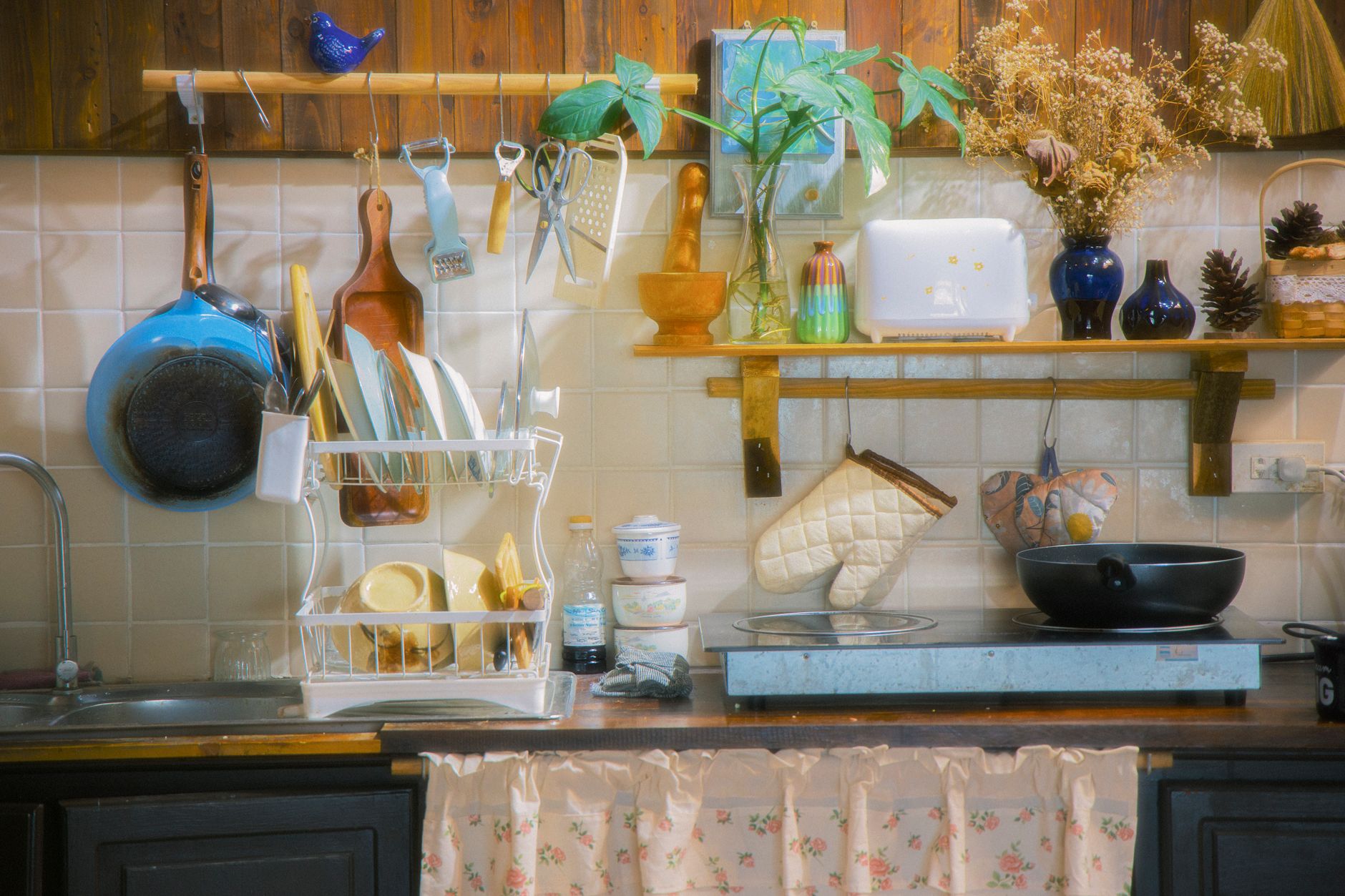
You keep a clean kitchen and still catch a whiff of that musty smell. You open a cabinet after dark, and something small and fast scurries away. You want to keep cockroaches out for good without spraying harsh chemicals near your food prep areas. It is possible. A few targeted habits make all the difference between a kitchen that invites pests and one that repels them naturally. Here is exactly what works.
1. Understand Cockroach Behavior: Know Your Enemy
Why can‘t you keep cockroaches out of the kitchen consistently?
Cockroaches do not wander into your kitchen randomly. They follow three signals: food residue, standing moisture, and warm hiding spots. Your kitchen provides all three in abundance. According to entomology studies from university extension programs, German cockroaches the most common household species prefer temperatures between 70 and 80 degrees Fahrenheit and humidity above 50 percent. That describes most kitchens perfectly.
What times and places are they most active?
These pests are nocturnal. They emerge 30 to 60 minutes after lights go off. During daylight, they hide in cracks narrower than a nickel, behind refrigerators, under sinks, and inside appliance motor compartments. If you spot one during the day, you likely have a significant roach infestation already established. The most common hiding spots share one trait: they are dark, warm, and within six feet of a water source.
Identifying common cockroach species in kitchens
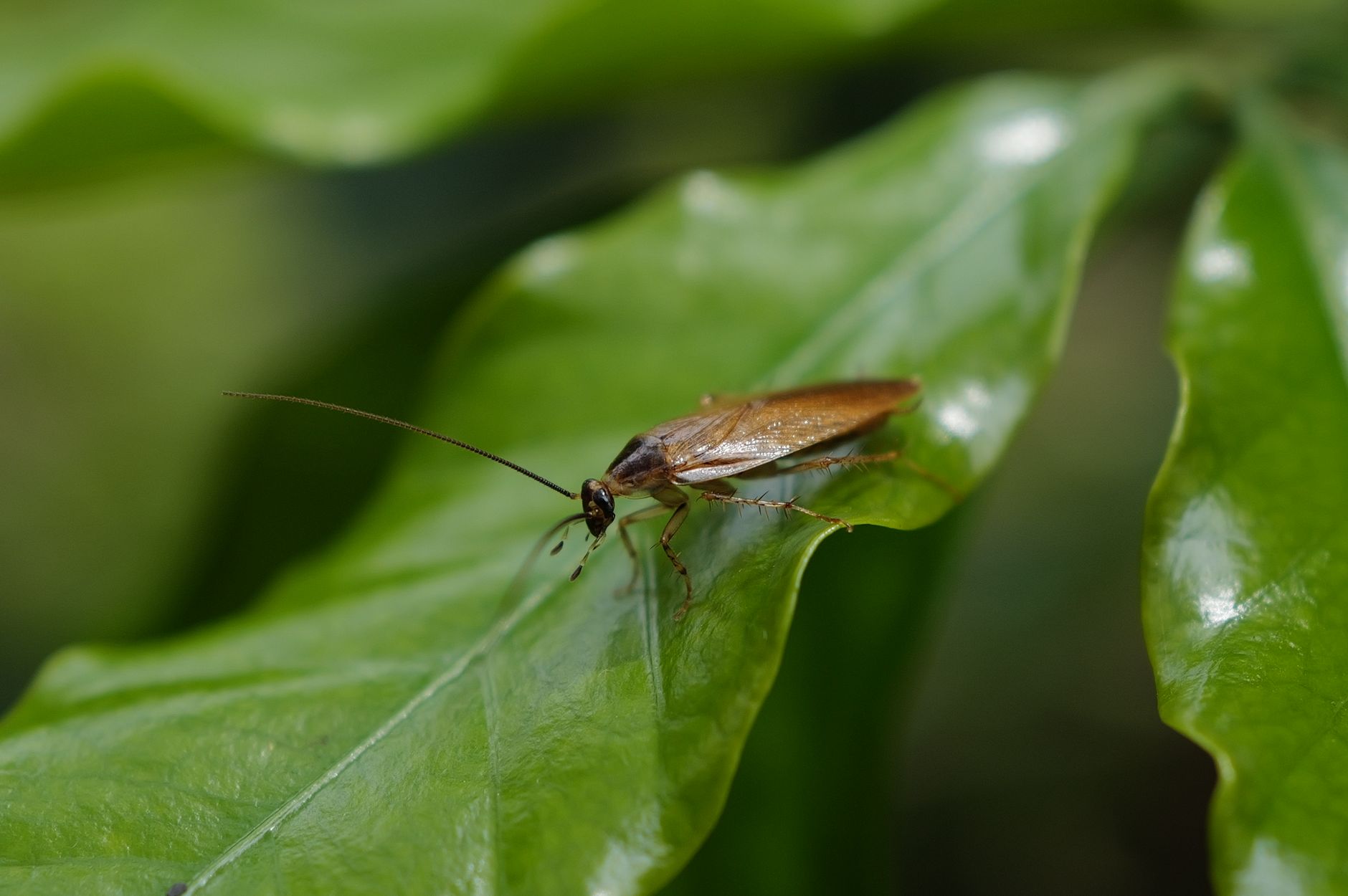
Three species dominate home kitchens. The German cockroach is light brown with two dark stripes behind its head, about half an inch long. The American cockroach is reddish-brown, up to two inches long, and prefers basements and drains. The Oriental cockroach is dark and shiny, thrives in damp areas, and smells noticeably musty. Each requires slightly different control strategies, but the prevention methods below work for all three.
2. Keep Your Kitchen Clean: The First Line of Defense
How clean is clean enough to keep cockroaches out?
Clean enough means no food debris anywhere for 24 hours. Cockroaches survive on crumbs as small as a grain of sugar. Wipe counters every evening with a clean cloth. Sweep or vacuum floors after dinner. Do not leave dirty dishes in the sink overnight. A single greasy pan left soaking is a feast for a cockroach.
What kitchen messes attract cockroaches the most?
Grease buildup on stovetops ranks first. Cockroaches detect grease particles from several feet away. Crumbs inside toaster slots, sticky spills under the sugar canister, and pet food left in bowls overnight are close seconds. Garbage that sits for more than 24 hours without a sealed lid is another major attractant.
Step-by-step cleaning checklist for cockroach prevention
- Wipe all countertops and stovetops with soapy water every evening.
- Sweep and mop floors, especially under cabinets and appliances.
- Take out kitchen trash every night, even if the bag is not full.
- Clean under the refrigerator and stove once per month.
- Empty and wash pet food bowls before bedtime.
- Check inside toaster crumb trays weekly.
Expert Tip: Professional pest control operators recommend using a handheld steam cleaner on cabinet crevices and appliance gaps once a month. The high heat kills cockroach eggs that standard cleaning leaves behind.
3. Control Moisture and Humidity Levels
How does moisture fuel cockroach problems?
Moisture is more important to cockroaches than food. They lose water rapidly through their exoskeleton and must drink regularly. A dripping faucet, a wet sponge left on the counter, or condensation under the refrigerator provides enough water for a colony to thrive. Even indoor humidity levels above 55 percent can sustain them.
What are practical ways to reduce kitchen humidity?
Fix every leak immediately washer drips, pipe condensation, and slow toilet leaks near the kitchen. Run the exhaust fan while cooking and for 15 minutes after. Wipe down sinks and counters dry after use. Use a small dehumidifier in the kitchen if you live in a humid climate, targeting 40 to 50 percent relative humidity.
Simple DIY humidity checks and fixes
Place a glass of ice cubes on the counter for 10 minutes. If the outside sweats heavily, your kitchen humidity is too high. Leave cabinet doors open for an hour after cooking to let trapped moisture escape. Replace worn sink gaskets immediately the damp space underneath is a cockroach nursery.
Real-world example: A restaurant kitchen in Hanoi reduced cockroach sightings by 80 percent simply by resealing a leaking pipe under the prep sink and running the ventilation hood for 30 minutes after closing. The colony lost its primary water source and moved elsewhere within two weeks.
4. Seal Food Properly: Airtight Containers for Pest Control Kitchen
Why sealing food is crucial in cockroach prevention?
Cardboard boxes, paper bags, and plastic wraps all have tiny gaps. Cockroaches sense food odors through these gaps from across the room. Once they locate the source, they chew through cardboard easily. Airtight containers eliminate the scent trail and the physical access point at the same time.
What types of containers work best?
Thick glass jars with rubber gaskets, heavy-duty polycarbonate containers, and metal canisters with clamp lids are your best choices. Avoid thin plastic containers that warp in the dishwasher warped lids create gaps you cannot see. Vacuum-sealed bags work well for dry goods like flour and rice that you store for longer periods.
Best practices for storing food in cabinets and pantries
- Transfer all dry goods flour, sugar, rice, pasta, cereal into airtight containers immediately after purchase.
- Label each container with the purchase date and expiry date.
- Store older items at the front and use them first to prevent forgotten packages from becoming cockroach breeding grounds.
- Keep pet food in a sealed metal bin with a locking lid.
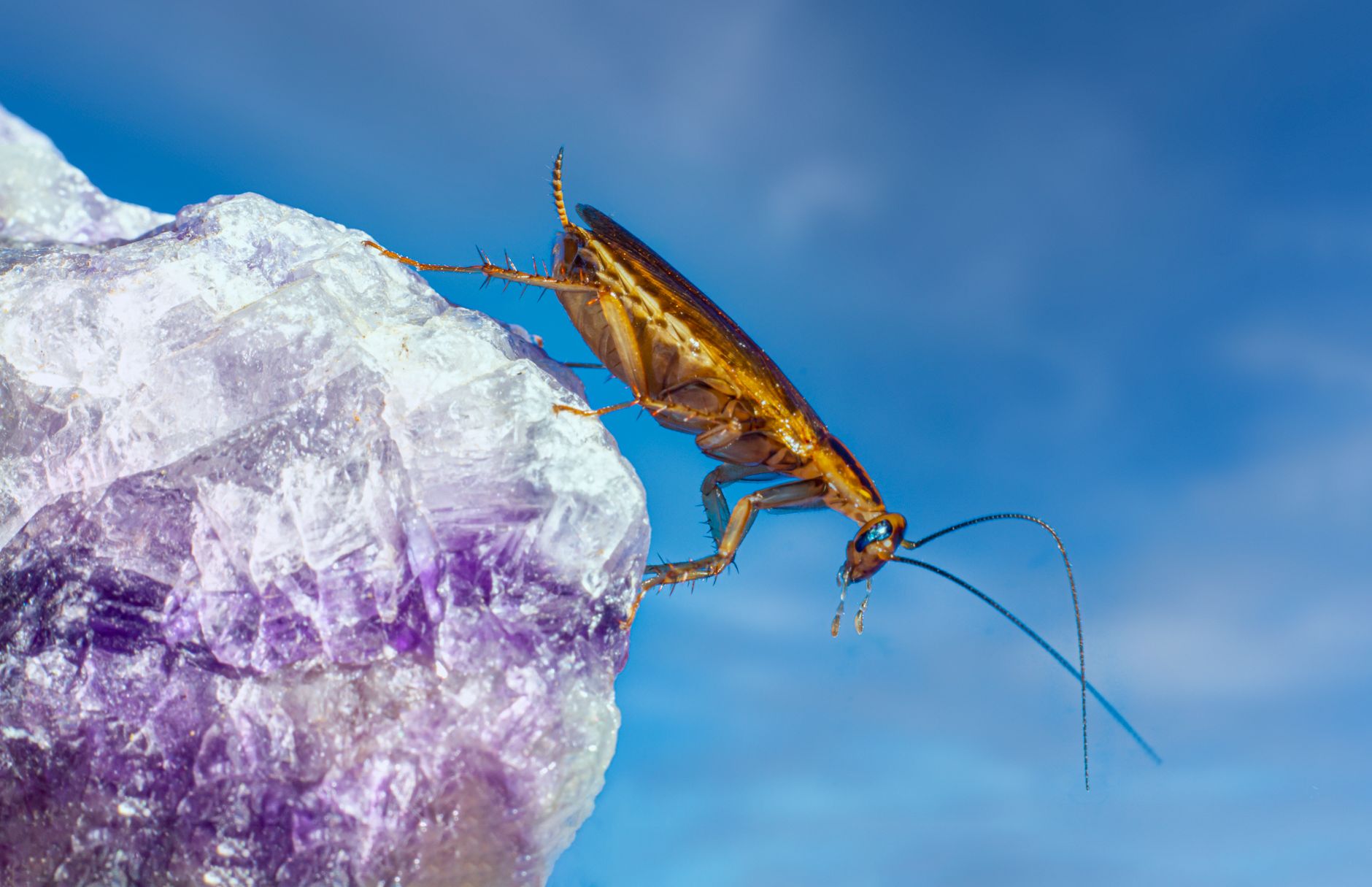
Expert Insight: Pest management professionals note that the most commonly overlooked item is packaged spices. Those small paper envelopes in spice racks often provide a perfect hiding spot for small roach nymphs. Transfer all open spice packets to small glass jars with tight lids.
5. Monitor What You Bring Into the Kitchen
Can cockroaches hitchhike on groceries or packages?
Yes, this happens more often than you think. Cardboard delivery boxes, reusable grocery bags, and even produce can carry cockroach eggs. A single egg case contains 30 to 40 nymphs that emerge weeks later. This is how many infestations start in previously clean kitchens.
How to inspect and manage new items before storing?
Unpack groceries outside the kitchen if possible. Inspect the bottom flaps of cardboard boxes for small brown capsules the egg cases. Transfer items directly into your own containers. Shake out reusable bags and wash them weekly in hot water. Never bring cardboard boxes into your pantry or cabinets.
Tips for managing second-hand kitchen items and appliances
Used appliances from thrift stores or online marketplaces are a common source. Before plugging in a used toaster, microwave, or coffee maker, open every panel you can access. Vacuum out crumbs and inspect for roach droppings they look like small black specks or dark smears. Clean the entire appliance with soapy water and let it dry completely before placing it in your kitchen. Consider passing on a kitchen knives guide to friends who buy second-hand equipment without inspections.
6. Invest in Safe Repellents and Traps
What are the safest and most effective cockroach removal methods?
Gel baits with slow-acting poison rank highest in effectiveness and safety. The cockroach eats the gel, returns to its hiding spot, and dies. Other roaches eat the dead body and die too, creating a domino effect. Place pea-sized dabs at corners, under appliances, and inside cabinets. Sticky traps placed along walls let you monitor population size and confirm the bait is working.
When is it appropriate to use chemical repellents?
Reserve chemical sprays for severe infestations only. They repel roaches on contact but do not eliminate the colony. If you spray a crack, the roaches simply move deeper into the wall and come out later. Use sprays only as a temporary barrier, not as a long-term solution.
DIY natural repellent recipes and store-bought options
A mixture of baking soda and powdered sugar (one to one ratio) works as a homemade bait. The sugar attracts them, and the baking soda expands inside their digestive system. Diatomaceous earth food grade sprinkled along baseboards cuts their exoskeleton and dehydrates them. Store-bought gel baits like Advion or Combat work faster and more reliably than most DIY options. Always read the label and keep baits away from children and pets.

7. Call In Professional Help When Needed
When should you call a pest control expert?
If you see cockroaches during the day regularly, if you find droppings in multiple rooms, or if DIY methods have not reduced sightings in three weeks, call a professional. An established colony of several thousand roaches requires integrated pest management that includes insect growth regulators and targeted spray treatments in wall voids.
How do professionals approach cockroach removal?
A licensed technician inspects the entire home, not just the kitchen. They identify entry points, moisture sources, and colony locations. Treatment typically involves gel baits, dust formulations in wall cavities, and insect growth regulators that prevent nymphs from maturing. Follow-up visits every two weeks ensure the colony is eliminated completely.
Tips for selecting a trustworthy pest control service
- Ask for current license and insurance verification.
- Read online reviews specifically mentioning cockroach treatments.
- Request a written treatment plan with clear timelines and re-treatment guarantees.
- Avoid companies that promise one-time fixes without follow-up visits.
- Check if they use Integrated Pest Management methods rather than heavy chemical spraying.
Expert Opinion: A certified entomologist from the National Pest Management Association states that the most common homeowner mistake is stopping treatment too early. Cockroach egg cases resist most treatments. Even after adults die, nymphs hatch from eggs laid before treatment began and restart the cycle. Professional follow-up for 8 to 12 weeks is standard for full elimination.
When is the best time to look for cockroaches in your kitchen?
Check 30 minutes after you turn off the kitchen lights for the night. Use a flashlight and look along baseboards, under the refrigerator, behind the stove, and inside lower cabinets. This is when cockroaches are most active and easiest to spot. A quick nightly check catches problems early before a full colony establishes.
Can you get rid of cockroaches without killing them?
No, not in a practical sense. Repellents only push them to other areas of your home. Trapping and releasing outdoors simply moves the problem to your neighbor. Elimination through targeted baiting or professional treatment is the only reliable method that truly ends the issue.
How long does it take to fully treat a cockroach infestation?
Mild infestations resolve in two to three weeks with consistent baiting and cleaning. Moderate infestations take four to six weeks. Severe infestations with multiple generations often require eight to twelve weeks of professional treatment. Patience and consistency matter more than any single product.
What smell keeps cockroaches away naturally?
Peppermint oil, bay leaves, and cedarwood oil have repellent effects, but they do not eliminate existing infestations. A few drops of peppermint oil on cotton balls placed in corners may discourage some roaches from passing through that area. Do not rely on scents alone they mask food odors but do not kill or remove the colony.
Does leaving lights on stop cockroaches from coming out?
Leaving lights on may suppress some activity, but cockroaches adapt quickly. They learn to move along shadowed edges and under counters. Lights also increase your electricity bill without solving the root causes of food, moisture, and harborage. Focus on removing those attractants instead.
Can cockroaches damage your food and kitchen equipment?
Yes, they contaminate food with bacteria like Salmonella and E. coli from their legs and bodies. They chew through cardboard, paper, and thin plastic packaging. They can also short-circuit small appliance motors by nesting inside warm electronics like coffee makers and toasters. Their droppings trigger asthma and allergy symptoms in sensitive individuals. For trusted food storage solutions, consider a Worcestershire sauce substitute that comes in glass bottles with secure lids.
Is it safe to use cockroach baits near Halal food preparation areas?
Yes, when you follow label instructions carefully. Place baits inside cabinets, under appliances, and along baseboards never directly on counters or inside open food storage. Gel baits are generally low-toxicity but should never contact food, utensils, or food-contact surfaces. Wipe down preparation areas before cooking if baits are applied nearby.
How often should you replace baits and traps?
Check gel baits weekly and replace any that look dried out or fully consumed. Gel baits typically last 2 to 4 months depending on humidity and temperature. Sticky traps should be replaced every two weeks or when the sticky surface becomes covered with dust and debris. Replace baits immediately if you see live cockroaches walking over them without feeding that means the bait has lost its attractiveness.
More You Might Like
Check out our guide on proper kitchen knives guide for keeping your tools sharp and clean a sharp knife reduces food scraps and mess during prep. Also explore our Worcestershire sauce substitute article for pantry-friendly alternatives that store well in sealed bottles.
Conclusion
You now have seven practical strategies to keep cockroaches out of your kitchen. Focus on moisture control, airtight food storage, and consistent nightly cleaning. Add targeted gel baits for active populations. Call a professional if the problem persists beyond a few weeks. These methods work together to create a kitchen that cockroaches avoid naturally. Start with one area tonight seal your dry goods or check that leaking pipe under the sink. Small changes add up to a pest-free kitchen.
FAQs
Is it safe to use cockroach baits near Halal food preparation areas?
Yes, when you follow label instructions carefully. Place baits inside cabinets, under appliances, and along baseboards – never directly on counters or inside open food storage. Gel baits are low-toxicity but should not contact food, utensils, or food-contact surfaces. Always wipe down preparation areas before cooking if baits are applied nearby.
How long does it take to fully treat a cockroach infestation?
Mild infestations resolve in two to three weeks with consistent baiting and cleaning. Moderate infestations take four to six weeks. Severe infestations with multiple generations often require eight to twelve weeks of professional treatment. Patience and consistency are more important than any single product.
What smell keeps cockroaches away naturally?
Peppermint oil, bay leaves, and cedarwood oil have repellent effects, but they do not eliminate existing infestations. A few drops of peppermint oil on cotton balls placed in corners may discourage some roaches from passing through that area. Do not rely on scents alone – they mask food odors but do not kill or remove the colony.
Can cockroaches damage your food and kitchen equipment?
Yes, they contaminate food with bacteria like Salmonella and E. coli. They chew through cardboard, paper, and thin plastic packaging. They can also short-circuit small appliance motors by nesting inside warm electronics like coffee makers and toasters. Their droppings trigger asthma and allergy symptoms in sensitive individuals.
How often should you replace baits and traps?
Check gel baits weekly and replace any that look dried out or fully consumed. Gel baits typically last 2 to 4 months depending on humidity and temperature. Sticky traps should be replaced every two weeks or when the sticky surface becomes covered with dust and debris. Replace baits immediately if cockroaches walk over them without feeding.