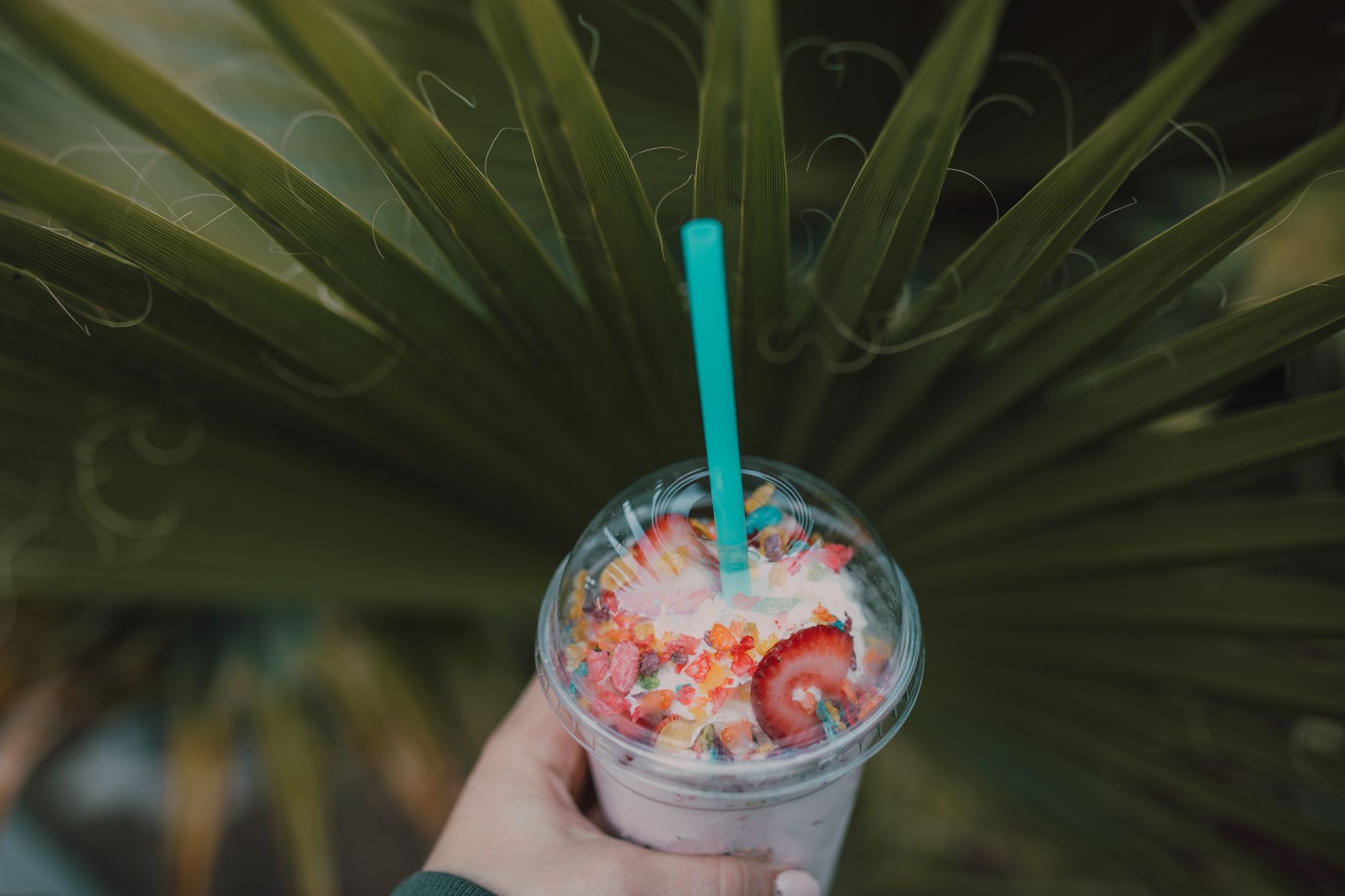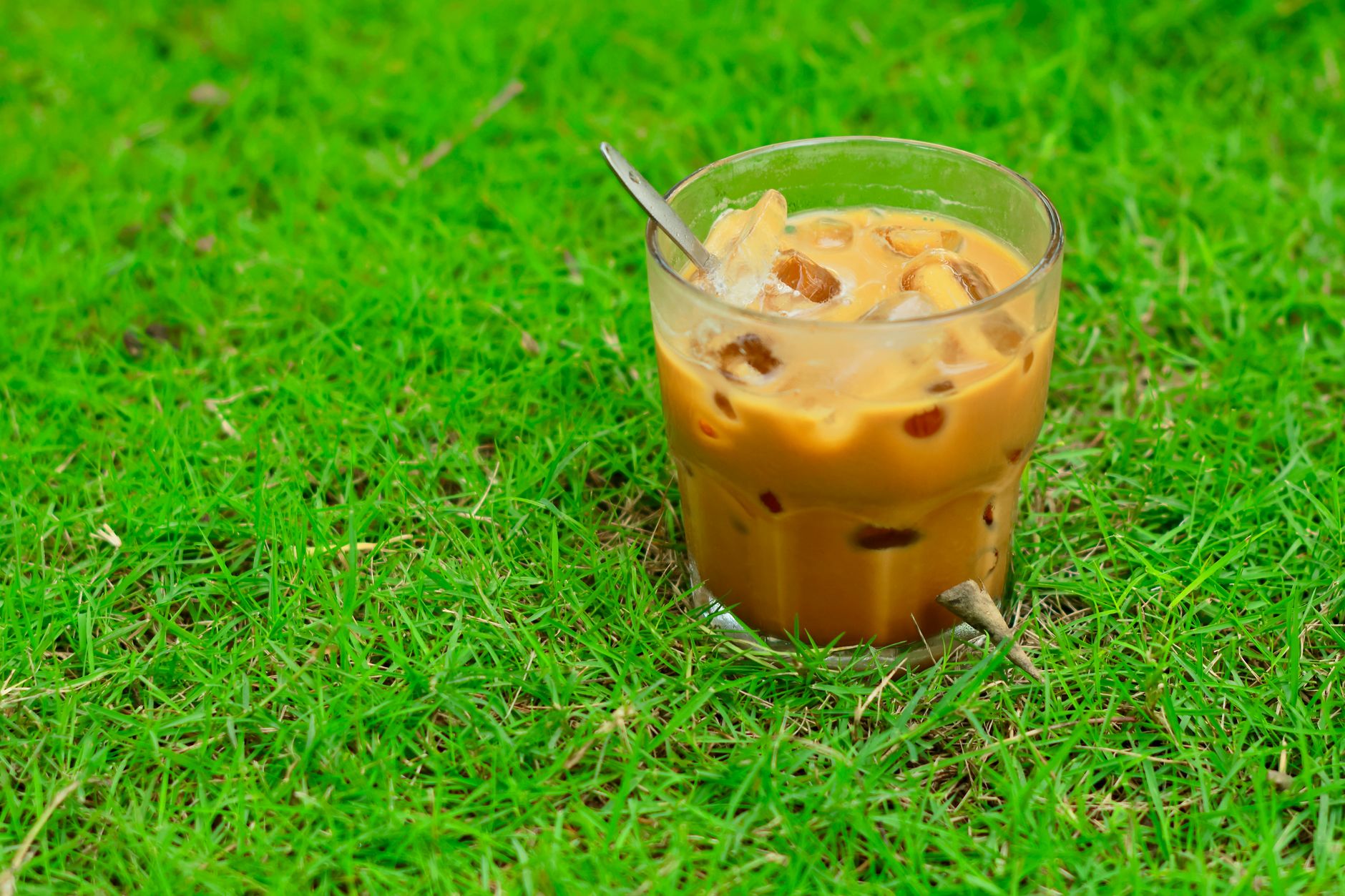
Alright, lets get straight to itbecause who has time for long-winded intros when you really just want to know: how much caffeine am I getting when I sip on kombucha versus my usual cup of coffee? The short answer? Kombucha typically has about 2 milligrams of caffeine per ounce, so an 8-ounce glass clocks in around 16 milligrams. Now, coffee? Its playing a whole different ball game, with about 12 milligrams per ounce, which means an 8-ounce cup can pack up to 96 milligrams.
Thats roughly six times the caffeine in coffee compared to kombucha. Butheres the thingdeciding which to drink isnt just about the caffeine hit. Theres a whole dance between flavor, health benefits, and how your body feels afterward. And trust me, the story behind caffeine in these two drinks is a bit more interesting than just numbers.
Kombucha Basics
Whats Kombucha Anyway?
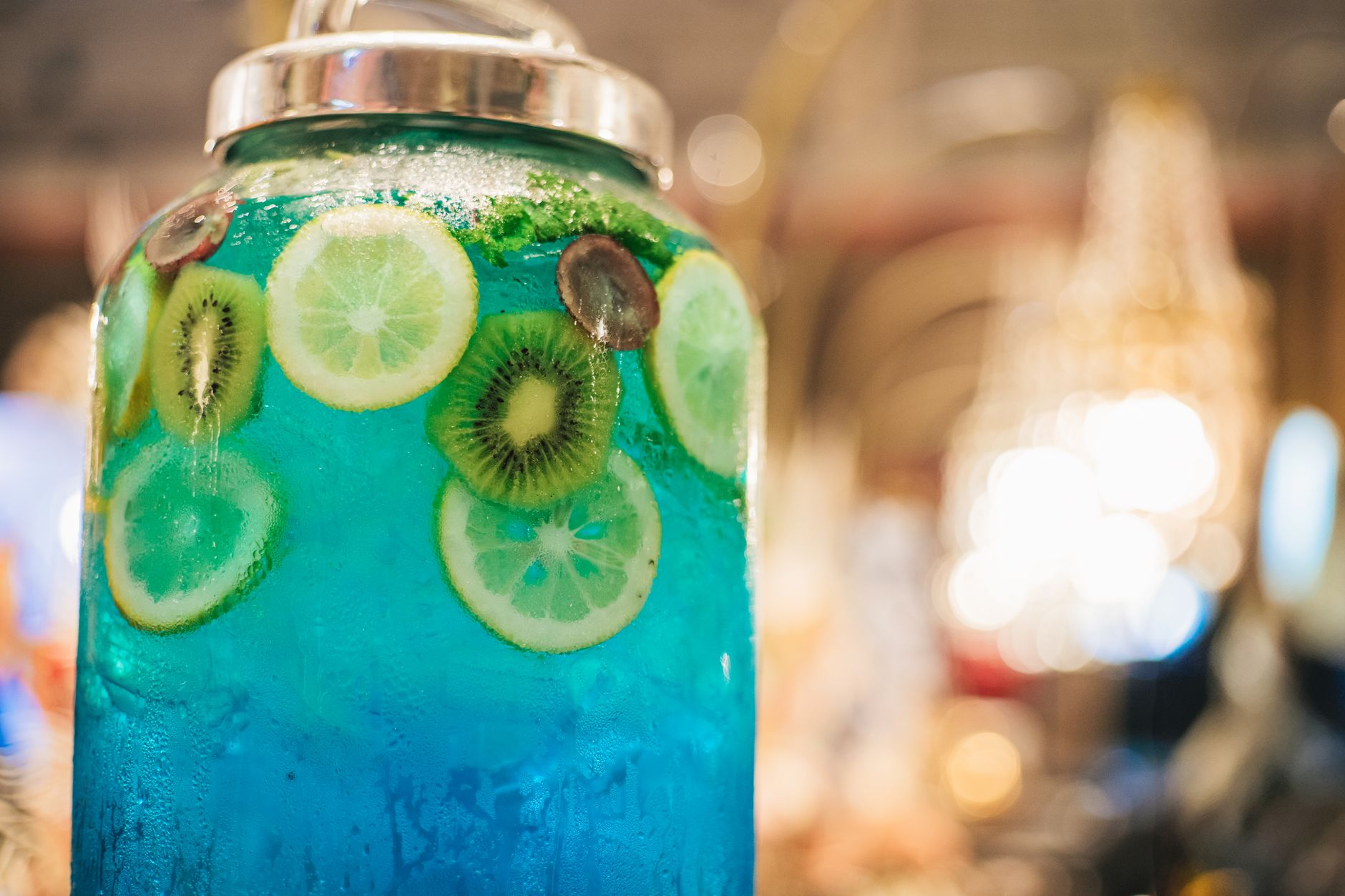
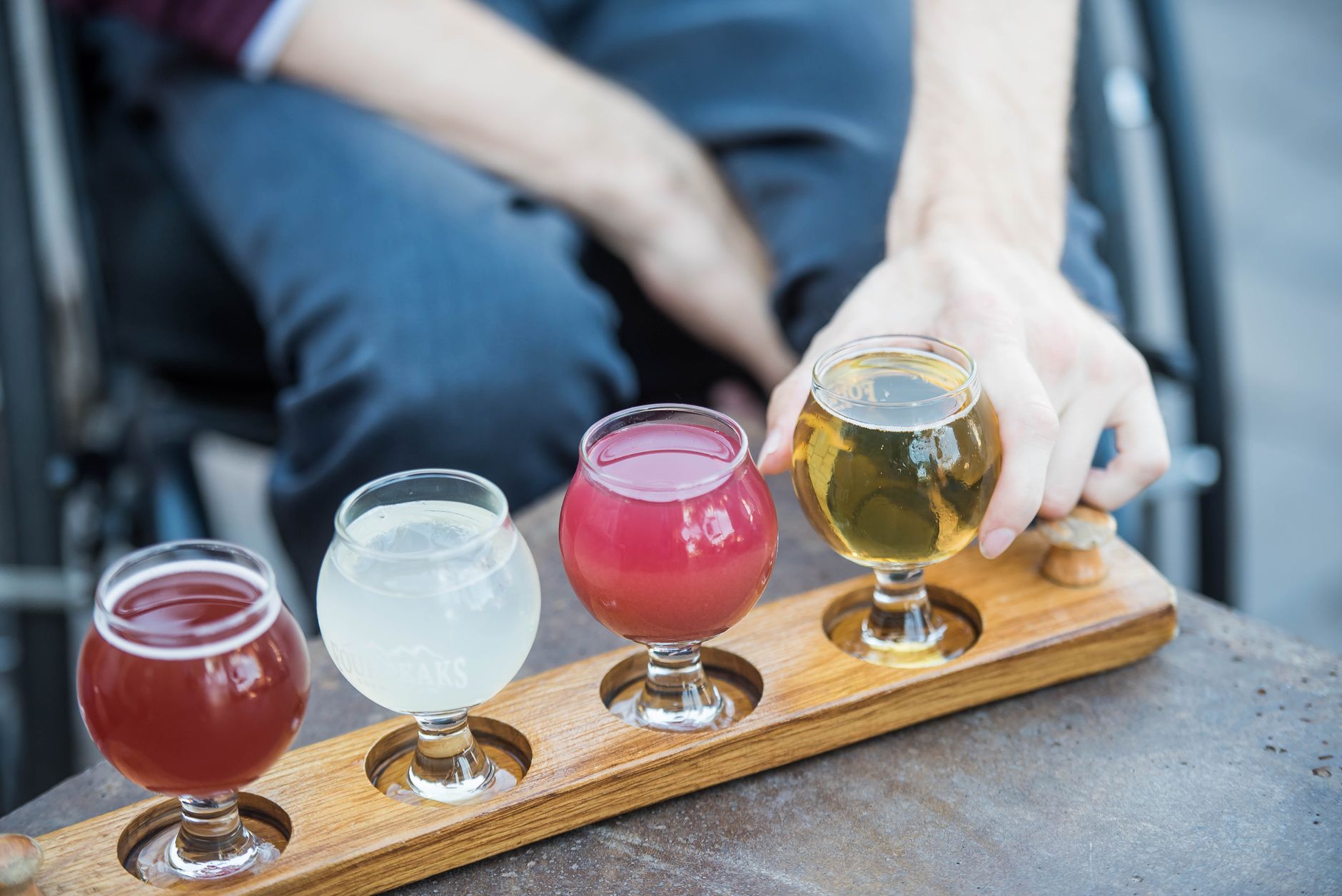
If youve sipped on kombucha, you know its got this tangy, slightly fizzy goodness thats almost addictive. But did you know kombucha starts as tea? Usually black or green tea is brewed, sweetened, then fermented with a SCOBYsymbiotic culture of bacteria and yeast. This fermentation turns it into the bubbly, probiotic-rich drink famed for its health perks.
Now, since it begins as tea, it carries some caffeine naturally. But dont worry, the fermentation process does affect caffeine levels slightlyits like a slow mellowing out of the caffeine content, though not completely eliminating it. So, kombucha caffeine content can vary depending on the teas strength and fermentation time.
Kombucha Caffeine in the Real World
Wondering how much caffeine youre actually gulping down? Commercially, it usually falls between 15 to 20 milligrams per 8-ounce serving, but it can vary widely depending on the brand and flavor. For example, a kombucha made from strong black tea will typically have more caffeine than one brewed with green tea or herbal blends. Many brands list caffeine content on their labels, so its worth checking if youre particular about your intake.
| Brand | Caffeine per 8 oz (mg) | Tea Base |
|---|---|---|
| GTs Kombucha | 15-18 | Black Tea |
| Kombucha Wonder Drink | 12-16 | Green Tea |
| Health-Ade Kombucha | 10-20 | Black & Green Tea |
See what I mean? Its a bit all over the place, but the caffeine is generally low compared to coffee.

What Makes Kombucha Caffeine Content So Variable?
Think of kombucha like a recipe your grandma tweaks every time she makes pieeach batch can taste slightly different. The caffeine depends on:
- The type of tea used: Black tea usually has more caffeine than green or white tea.
- The fermentation time: Longer fermentations can reduce caffeine slightly but also change the taste considerably.
- Other added ingredients: Fruit juice, herbs, or spices used in the flavoring might dilute the caffeine concentration.
So, if youre someone sensitive to caffeine (hello, me!), paying attention to the brand and even the batch can make a difference in how you feel after a kombucha.
Coffee Caffeine Levels
Whats Really in Your Coffee?
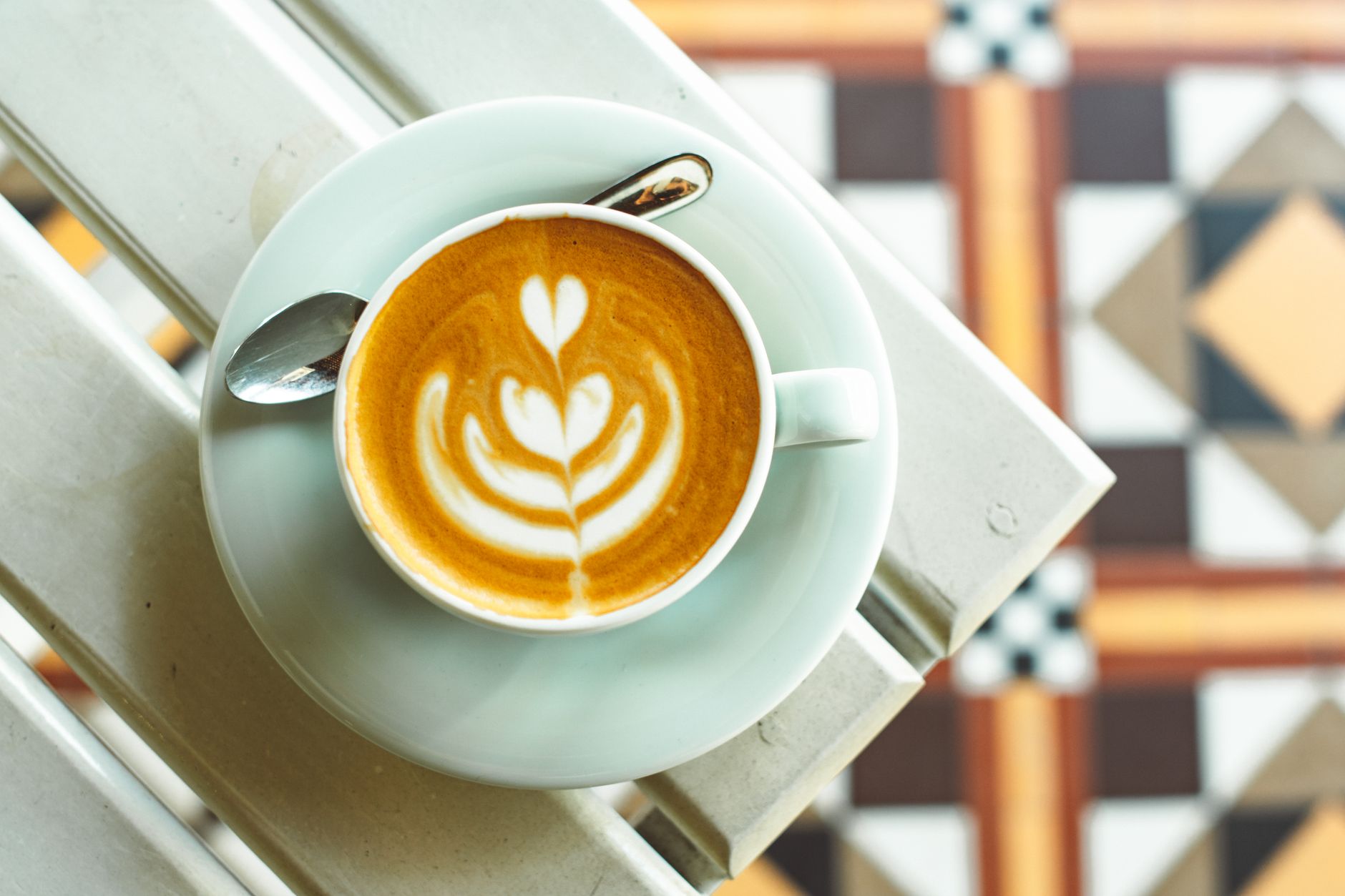
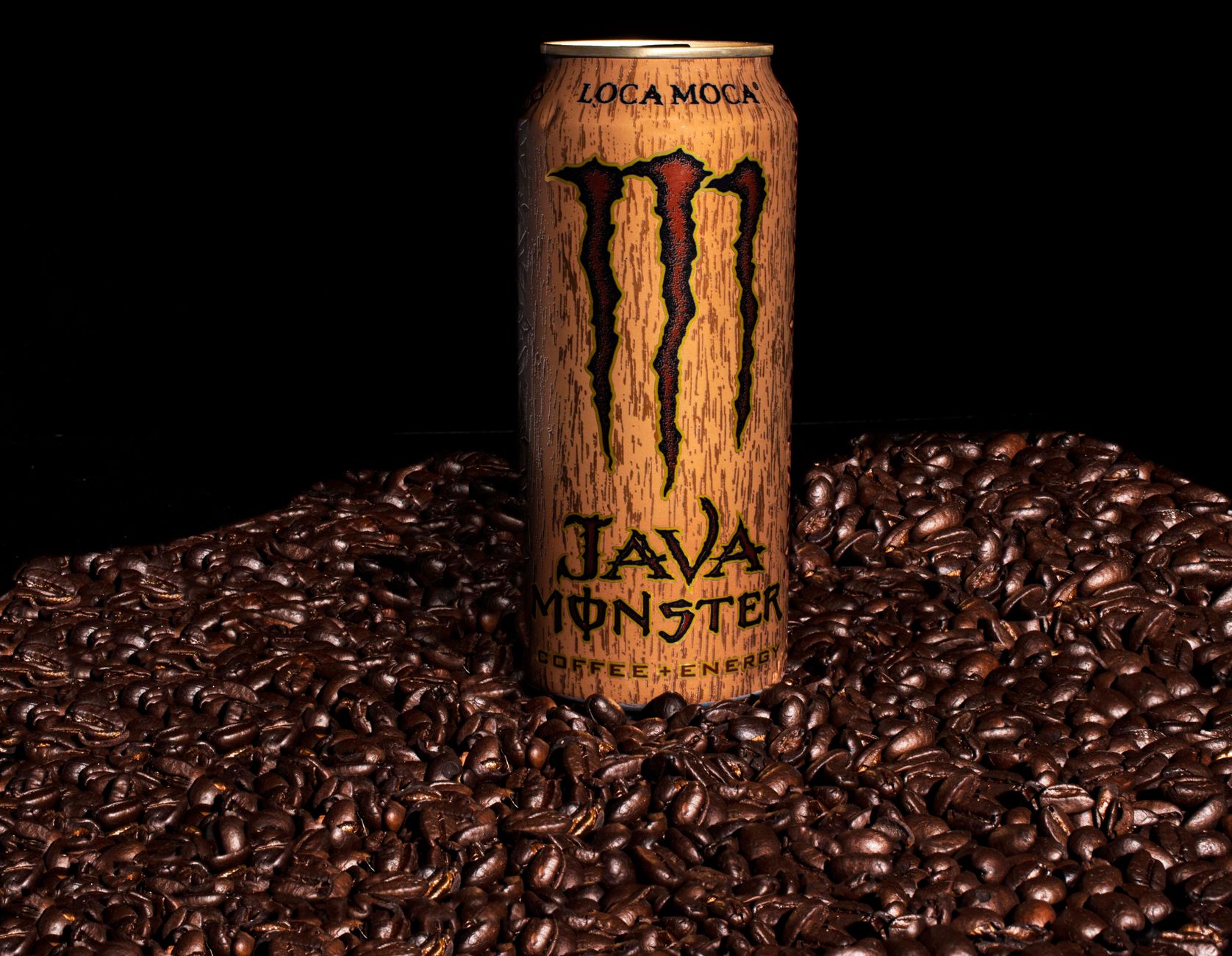
Weve established coffee packs a caffeine punch, but its not just a one-size-fits-all. Brewing techniques, bean type, and roast levels all mess with caffeine content.
Generally, drip coffee has about 12 milligrams of caffeine per ounce, espresso about 63 milligrams per 2-ounce shot (so ~31.5 mg/oz), and instant coffee swings around 27-173 milligrams per cup depending on strength. And then theres the roast debatelight roasts have more caffeine by volume than dark roasts, which is sometimes surprising.
Plus, beans differ: Robusta beans contain nearly twice the caffeine as Arabica. So your morning cup depends a lot on your preferences and how your local barista pulls the shot.
Putting Coffee and Kombucha Side by Side
How Does the Caffeine Stack Up?
| Beverage | Caffeine per ounce (mg) | Caffeine per 8 oz (mg) |
|---|---|---|
| Kombucha | ~2 | ~16 |
| Coffee | ~12 | ~96 |
The stark difference is obviouscoffee will give a much stronger caffeine kick. But thats not the whole story because the caffeine journey in your body can feel very different with kombucha, thanks to its probiotics and acids, which some folks say soften the caffeine punch and help with digestion.
Who Should Drink Kombucha Instead of Coffee?
If youre jittery on coffee or find yourself getting the dreaded crash, kombucha might be a refreshing alternative. Its gentler, so if you want a mild pick-me-up without that overwhelming energy spike, its perfect. Pregnant people or caffeine-sensitive individuals also often choose kombucha because of its lower caffeine level.
Personally, I switched to kombucha in the afternoons when I want to skip another cup of coffee but still crave something tasty and energizing. And you know what? It works. Plus, its got those cool probiotics that might even boost your gut health.
Need some ideas on mixing kombucha into your daily routine? Check out these Healthy foods to eat everydaygreat to pair with your kombucha for overall wellness.
Kombuchas Health Glow Beyond Caffeine
More Than Just a Caffeine Fix
Kombucha isnt just about caffeine; its like the multitasker of beverages. Loaded with probiotics from fermentation, antioxidants from the tea, and organic acids, it offers a bunch of potential health benefits.
Research indicates that these probiotics can help your digestive system, boost immunity, and maybe even improve your skin. The antioxidants work like tiny cleanup crews, fighting off free radicals that can cause damage to your cells. Its a tasty all-rounder, really.

Are There Risks Tied to Kombucha Caffeine?
Sure, kombucha usually has much less caffeine, but that doesnt mean its completely risk-free. If you pound several bottles a day, the caffeine adds up. Plus, the acidity and tiny amounts of alcohol from fermentation might upset sensitive stomachs.
Also, while kombucha has caffeine, its much less than coffee, so if you rely on caffeine for focus or energy, you might feel a difference switching. Like many things, moderation and listening to your body is key. For pregnant folks or children, it's best to check with a healthcare provider since even small amounts of caffeine and the acids might not be ideal in those cases.
So How Do You Balance It?
The secret sauce is knowing your limits. If you drink kombucha, consider how much additional caffeine you get from coffee, tea, or energy drinks during the day. Its easy to underestimate total intake. Take it slow, see how you feel, and tweak accordingly.
And if you want to boost brain function while keeping caffeine in check, pairing kombucha with brain healthy foods can really make your day feel brighter, sharper, and healthier.
Lets Wrap This Up
So heres the takeaway: Kombucha caffeine content is pretty low compared to coffee, making it a softer, gentler option if youre sensitive or just want something different. Coffee delivers a strong punch but sometimes that can backfire with jitters or crashes. Kombucha offers more than just caffeineits probiotics and antioxidants bring a bunch of extra health benefits to the party.
Whether youre team coffee or team kombucha, knowing whats in your cup helps you make choices that fit your lifestyle and mood. And hey, if youre curious to try kombucha or just want to manage your caffeine intake better, youre armed with better info now. Whats been your experience? Do you stick to coffee for the caffeine or sip kombucha for the flavor and wellness boost? Share your stories or questionsId love to hear them!
FAQs
How much caffeine is in a typical 8-ounce serving of kombucha?
Kombucha generally contains around 15 to 20 milligrams of caffeine per 8-ounce serving, though this varies by brand and tea base.
Is the caffeine content in kombucha enough to replace coffee?
Kombucha has much less caffeine than coffee, so it provides a gentler energy lift but may not fully replace coffee's stronger caffeine boost.
What factors affect the caffeine levels in kombucha?
Caffeine levels in kombucha depend on the type of tea used, fermentation time, and added ingredients like fruit or spices that can dilute caffeine concentration.
Can kombucha cause side effects related to caffeine?
Since kombucha contains lower caffeine amounts, side effects are less common, but drinking large quantities or sensitivity to caffeine and acidity may cause discomfort.
Is kombucha safe for caffeine-sensitive individuals?
Kombucha is generally a suitable low-caffeine option for those sensitive to caffeine or pregnant individuals, but consulting a healthcare provider is recommended.