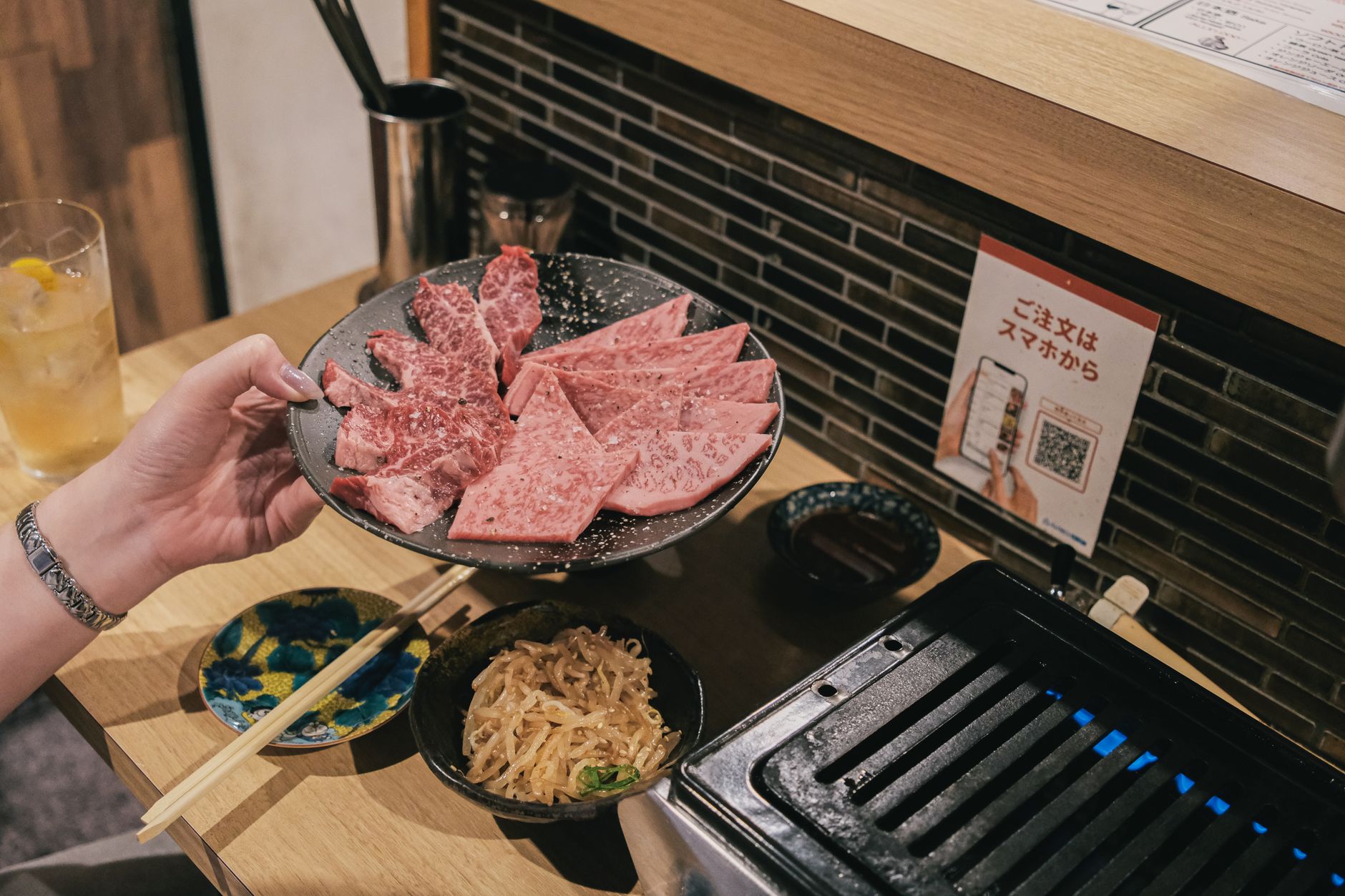
If you‘ve ever faced the choice between Wagyu vs Kobe beef, you might wonder what really sets these two apart. Both come from prized Japanese cattle breeds celebrated for their incredible marbling and tenderness. Yet, while all Kobe beef is Wagyu, not all Wagyu qualifies as Kobe. Understanding this difference can influence not only your taste experience but also how you shop for premium Halal-certified beef.
What Is Wagyu Beef?
Wagyu beef refers to several Japanese cattle breeds known for genetic traits that produce rich, finely marbled meat. Wa means Japanese, and gyu means cow, but Wagyu is much more than a name its a mark of quality and tradition. Wagyu cattle have a unique ability to deposit fat within muscle fibers, resulting in that signature marbling that melts in your mouth.
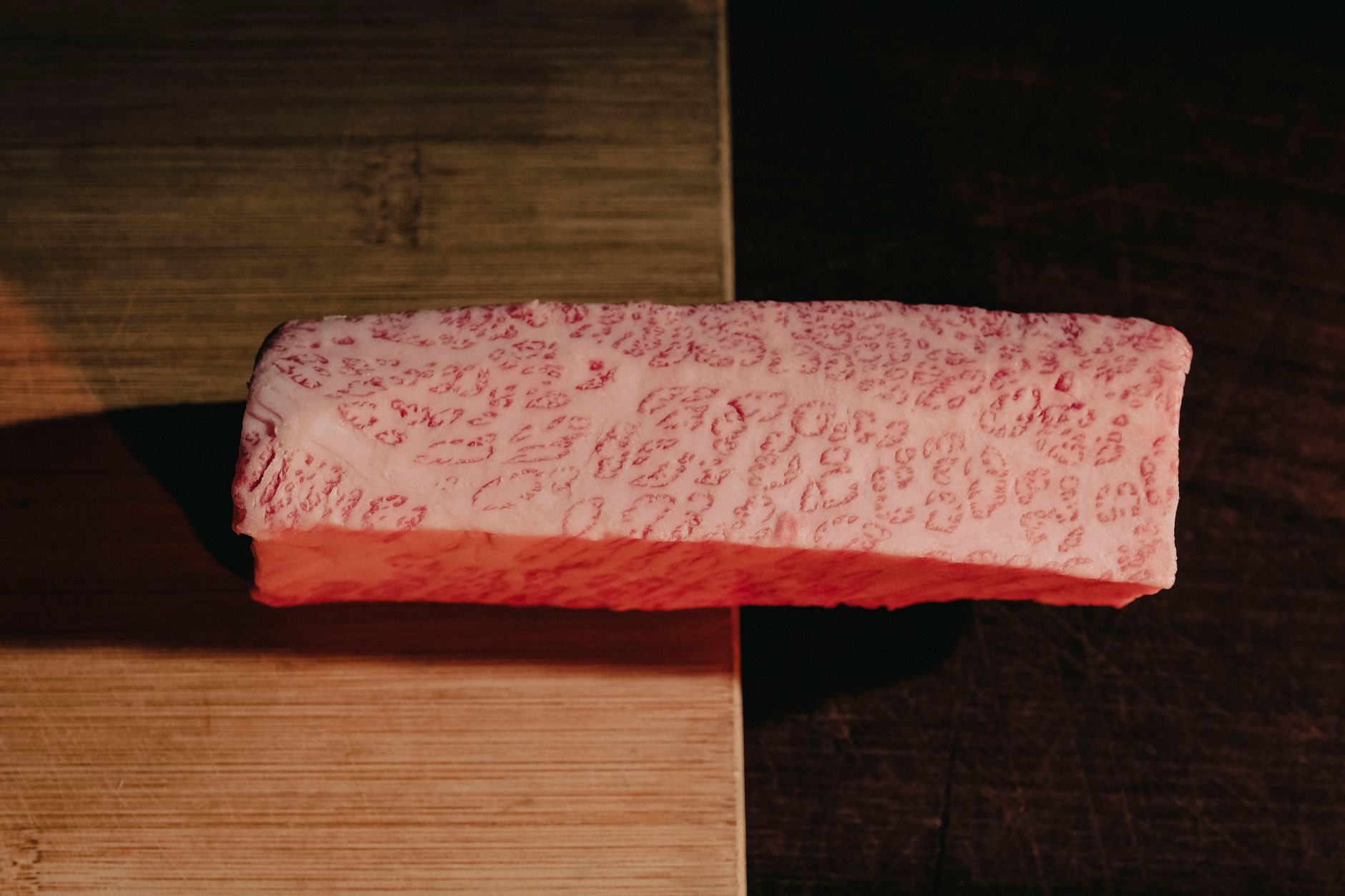
The marbling in Wagyu beef isnt just about appearance. It directly impacts tenderness, juiciness, and flavor, contributing to a buttery texture and rich umami taste. This high intramuscular fat score makes Wagyu distinct from other beef like Angus or Hereford.
In Japan, Wagyu includes different regional types, each prized for subtle differences in texture and flavor. This diversity means Wagyu grades vary significantly, allowing a range of flavors and prices for consumers worldwide.
How is Wagyu Beef Graded?
The Japan Meat Grading Association ranks Wagyu beef based on yield and quality, with a focus on fat marbling (BMS or Beef Marbling Standard), color, texture, and firmness. Marbling scores range from 1 (least marbled) to 12 (most marbled). Premium Wagyu often scores between 6 and 12, with higher scores signaling richer fat content and superior mouthfeel.
The higher the marbling score, the softer and more flavorful the beef tends to be, but this also means a higher price. Because of this grading, Wagyu beef buyers can select cuts according to their flavor or budget preferences.
Wagyu Beef Farming Practices
Traditional Wagyu farmers employ meticulous care, including feeding cattle rice straw, barley, and even beer to stimulate appetite. Cattle farmed with stress-free environments develop finer intramuscular fat, improving marbling.
Some Wagyu farms have become famous for sticking to age-old methods. This combination of genetics, diet, and care creates exceptional beef quality that food lovers seek globally.
What Makes Kobe Beef Different From Wagyu?
Kobe beef is essentially a select subtype of Wagyu, but not every Wagyu is Kobe. To be labeled Kobe, the beef must come from the Tajima strain of Wagyu cattle raised in Hyogo Prefecture, Japan, following strict regulations.
These regulations cover everything: from cattle lineage and farm location to feeding methods and even carcass grading. Only about 3,000 cattle meet these rigorous requirements annually, contributing to Kobe‘s rarity and price premium.
This exclusivity and certification make Kobe beef one of the world‘s most coveted meat products, renowned for its even higher marbling, velvety texture, and a clean, delicate flavor profile unmatched by other Wagyu varieties.
How Is Kobe Beef Certified?
The Kobe Beef Marketing & Distribution Promotion Association enforces strict certification and traceability protocols. Each genuine Kobe beef cut includes a unique 10-digit ID number showing its origin, age, and slaughter details. Labels display the official Kobe beef logo alongside the grading mark.
Genuine Kobe beef also carries Halal certifications when properly slaughtered, such as those from JAKIM or IFANCA, allowing Muslim consumers to enjoy its premium quality knowingly.
Kobe Beef Flavor Compared to Wagyu
Kobe beef generally exhibits even finer marbling than standard Wagyu, often scoring between 8 and 12 on the BMS scale. This intense intramuscular fat results in a rich, buttery flavor that feels lighter and more delicate on the palate than typical Wagyu.
Besides flavor, Kobe is prized for its smooth texture. The fat melts at body temperature, creating a luxurious mouthfeel that many steak lovers describe as melt-in-your-mouth tender.

Kobe vs Wagyu: Comparison Table
| Feature | Wagyu Beef | Kobe Beef |
|---|---|---|
| Origin | Multiple Wagyu breeds across Japan | Tajima cattle from Hyogo Prefecture |
| Certification | General Wagyu grading by JMA | Strict Kobe certification & traceability |
| Marbling Score | Usually 6-12 (BMS scale) | Typically 8-12 (higher BMS range) |
| Flavor | Rich, buttery | Even richer, more delicate |
| Price | Expensive, varies with grade | Premium, top-tier pricing |
Benefits and Considerations
Both Wagyu and Kobe beef deliver incredible eating experiences, but there are trade-offs depending on your priorities and budget.
- Wagyu Pros: More varieties and price points. Easier to find internationally and offers a broad flavor spectrum.
- Kobe Pros: The ultimate symbol of quality, with superior marbling and a uniquely tender texture worth the investment for special occasions.
- Considerations: Authentic Kobe is rare and expensive outside Japan. Watch out for counterfeit Kobe beef products mislabelled as premium.
- Halal Caution: Both can be Halal if certified. Always check for certification logos like JAKIM, HMC, or IFANCA when purchasing.
Should You Choose Kobe or Wagyu?
If you‘re planning a celebration or want to treat yourself, Kobe offers an unparalleled experience. For more regular use or recipe testing, Wagyu provides excellent quality with greater availability and variety.
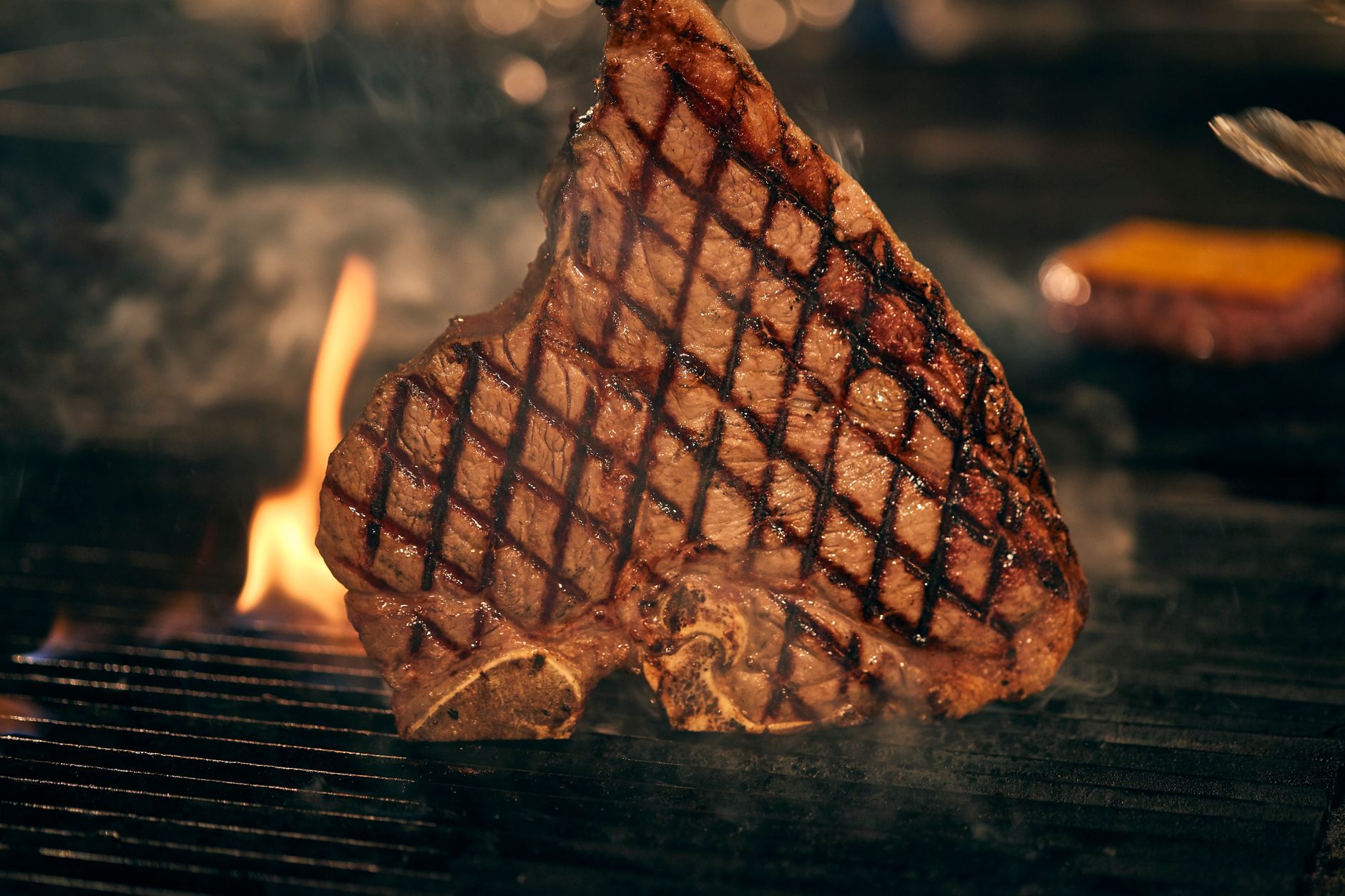
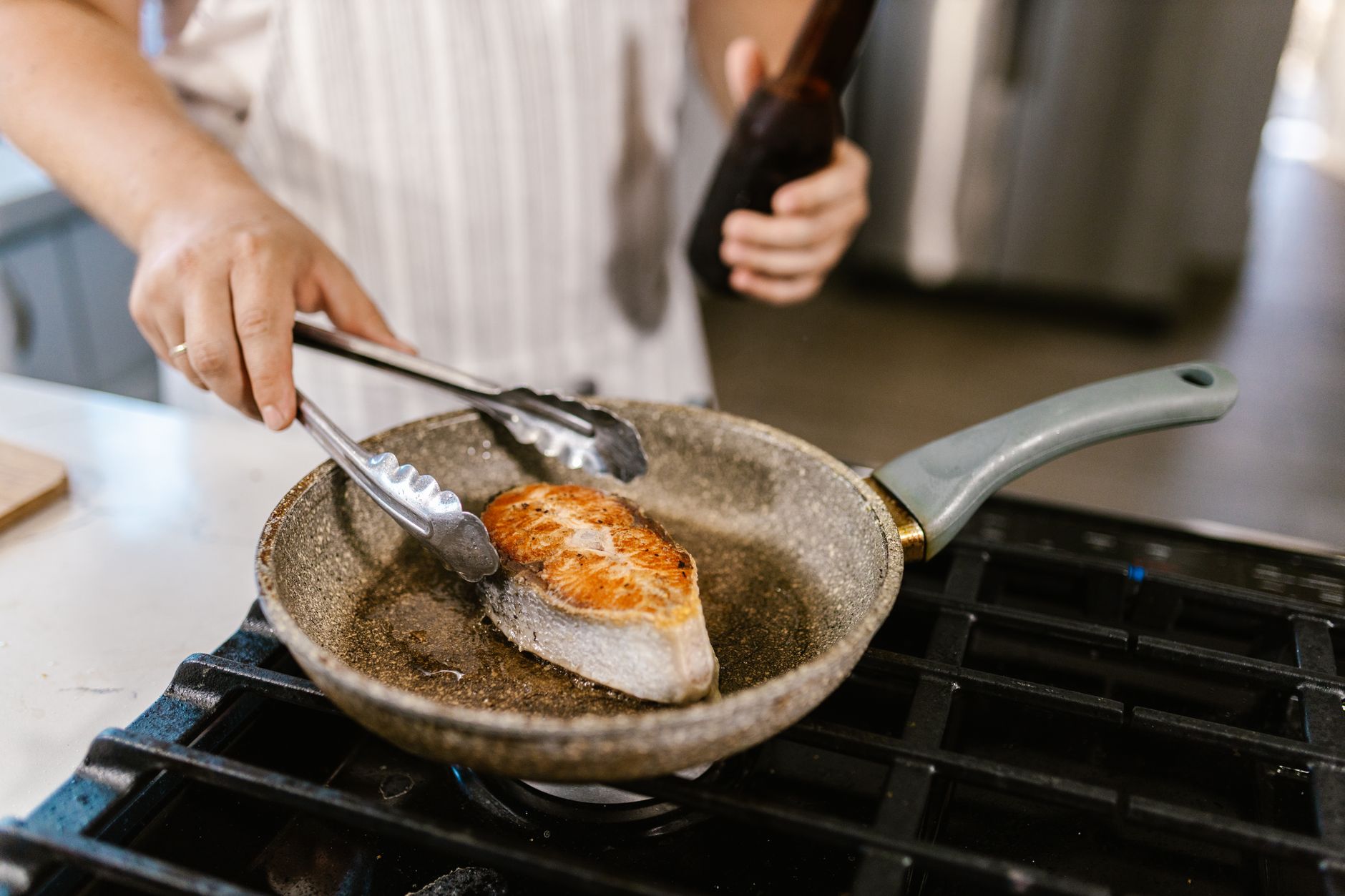
Cooking is another factor. Due to intense marbling, both benefit from low-and-slow cooking or quick searing at moderate heat for 12 inches thick cuts. This preserves their juiciness without melting away their prized fat.
For guidance on cooking frozen meat safely and preserving flavor, check out this detailed Cook frozen chicken article. Similar principles apply to premium beef like Wagyu and Kobe.
Real-World Experience: Chef and Consumer Insights
Top chefs describe Kobe as a luxury you taste its buttery fat enhances every bite while leaving no greasy aftertaste. Home cooks often remark on the noticeable difference in tenderness and flavor when comparing Wagyu cuts at different grades.
Consumers whove tried authentic Kobe rave about its smooth texture and subtle sweetness. Many say theyd reserve Kobe for special meals but enjoy Wagyu more frequently for everyday indulgence.
Where to Buy Authentic Wagyu and Kobe Beef
When shopping, always ask for certification proof and traceability details for Kobe beef. Genuine sellers will provide ID tags or certificates from recognized authorities. For Wagyu, check marbling grades indicated and farm information to ensure authenticity.
Price-wise, Wagyu can start from moderate levels for lower grades, ranging from $50 to $150 per kilogram. Kobe commands premium pricing, often above $200 per kilogram, reflecting its rarity and certification requirements.
Online Halal-certified meat suppliers are increasingly stocking Wagyu and Kobe with proper documentation. Always verify Halal certification logos such as JAKIM, HMC, or IFANCA to ensure compliance with your dietary needs.
| Certification | Price Range | Common Formats | Shelf Life | Key Allergens |
|---|---|---|---|---|
| JMA Wagyu Grades, Kobe Beef Association | Wagyu: $50$150/kg Kobe: $200+/kg | Steaks, roasts, ground meat | Vacuum sealed: 6-9 months frozen Refrigerated: 5-7 days | None intrinsic but cross-contamination possible |

Is Wagyu vs Kobe beef actually Halal what should I check?
Both Wagyu and Kobe beef can be Halal if slaughtered according to Islamic law and certified by recognized bodies like JAKIM, HMC, or IFANCA. Look for certification logos on labels and confirm traceability to Halal-certified farms and abattoirs. Without such certification, authenticity can be uncertain.
Which beef is best for grilling: Wagyu or Kobe?
Kobe beefs delicate fat profile makes it ideal for quick, high-heat searing at medium temperatures for 12 inches thick. Wagyu is versatile, great for grilling or slow roasting depending on cut and marbling. Both require gentle cooking to preserve tenderness.
How important is marbling when choosing Wagyu or Kobe?
Marbling greatly influences flavor, tenderness, and juiciness. Higher marbling in Wagyu or Kobe provides a richer, melt-in-your-mouth texture. Look for beef with BMS of at least 6 for a premium experience.
Can Wagyu beef be a healthy choice?
Despite its high fat content, Wagyu beef fat is rich in monounsaturated fats, omega-3, and omega-6 fatty acids. These fats are considered healthier compared to saturated fats in regular beef, making Wagyu a better option in moderation.
How can I avoid fake Kobe beef in the market?
Purchase only from trusted, certified vendors who provide traceability documents. Genuine Kobe beef must have official labeling with unique ID numbers and the Kobe logo. Beware of vague labeling or exaggerated claims without proof.
Does Kobe beef have a unique taste compared to other Wagyu?
Yes, Kobe beef typically offers a richer, yet cleaner and more delicate flavor profile than standard Wagyu. Its fat melts smoothly, providing a subtle sweetness and velvety texture that stands apart.
What cooking methods preserve the quality of Wagyu and Kobe?
Low-and-slow roasting, quick searing, or sous vide cooking works best. Avoid overcooking to preserve marblings moisture and flavor. Let meat rest 5-10 minutes after cooking for optimal juiciness.
Pro Tips for Buying Wagyu and Kobe Beef
- Most Overlooked Mistake: Failing to check for certification and traceability can lead to buying mislabelled beef that lacks authentic taste and Halal assurance.
- Why Cheap Versions Disappoint: Low-priced Wagyu or Kobe likely have lower marbling, poorer farming practices, or are imitations with inferior texture and flavor.
- Expert Tip: When cooking, use simple seasoning like salt and pepper to highlight natural flavors. Serve thin slices quickly to enjoy the melt-in-your-mouth quality.
More You Might Like
Explore the differences between cured meats in our detailed Capicola vs prosciutto guide for a flavorful comparison.
If you want tips on safely preparing meat at home, our Cook frozen chicken article offers great advice that applies to all your Halal meat cooking.
Conclusion
Understanding Wagyu vs Kobe beef helps you appreciate the fine details behind these luxurious meats. Kobe beef is a stricter, highly-certified subset of Wagyu, delivering an even richer, melt-in-your-mouth experience with careful farming and grading. Whether you choose Wagyu for variety and value or Kobe for exclusivity, checking for Halal certification and proper labeling is key. Next time you shop or dine, keep these insights in mind to enjoy your premium beef with confidence and delight.
FAQs
Is Wagyu vs Kobe beef actually Halal — what should I check on the label?
Both Wagyu and Kobe beef can be Halal if slaughtered following Islamic law and certified by bodies like JAKIM, HMC, or IFANCA. Check for official Halal certification logos on the packaging and confirm traceability to certified farms and abattoirs to ensure authenticity.
What is the shelf life of Wagyu and Kobe beef after opening?
When refrigerated, Wagyu and Kobe beef should be consumed within 5–7 days for optimal freshness. If vacuum sealed and frozen, they can last 6–9 months without significant loss of quality.
How does Wagyu or Kobe beef differ from regular beef like Angus?
Wagyu and Kobe beef have much higher marbling due to unique genetics and farming practices, resulting in superior tenderness, juiciness, and a buttery flavor. Regular beef like Angus lacks this intense marbling and rich fat content.
Is regular consumption of Wagyu or Kobe beef safe and healthy?
Yes, in moderation. Wagyu fat contains higher levels of monounsaturated fats and omega fatty acids, which are healthier than saturated fats found in other beef. However, due to its richness, portion control is recommended.
Where can I buy authentic Wagyu and Kobe beef with Halal certification?
Purchase from reputable retailers who provide certification proof, official grading details, and traceability documents. Look for sellers offering Halal-certified Wagyu and Kobe beef accompanied by labels from recognized bodies like JAKIM, HMC, or IFANCA.