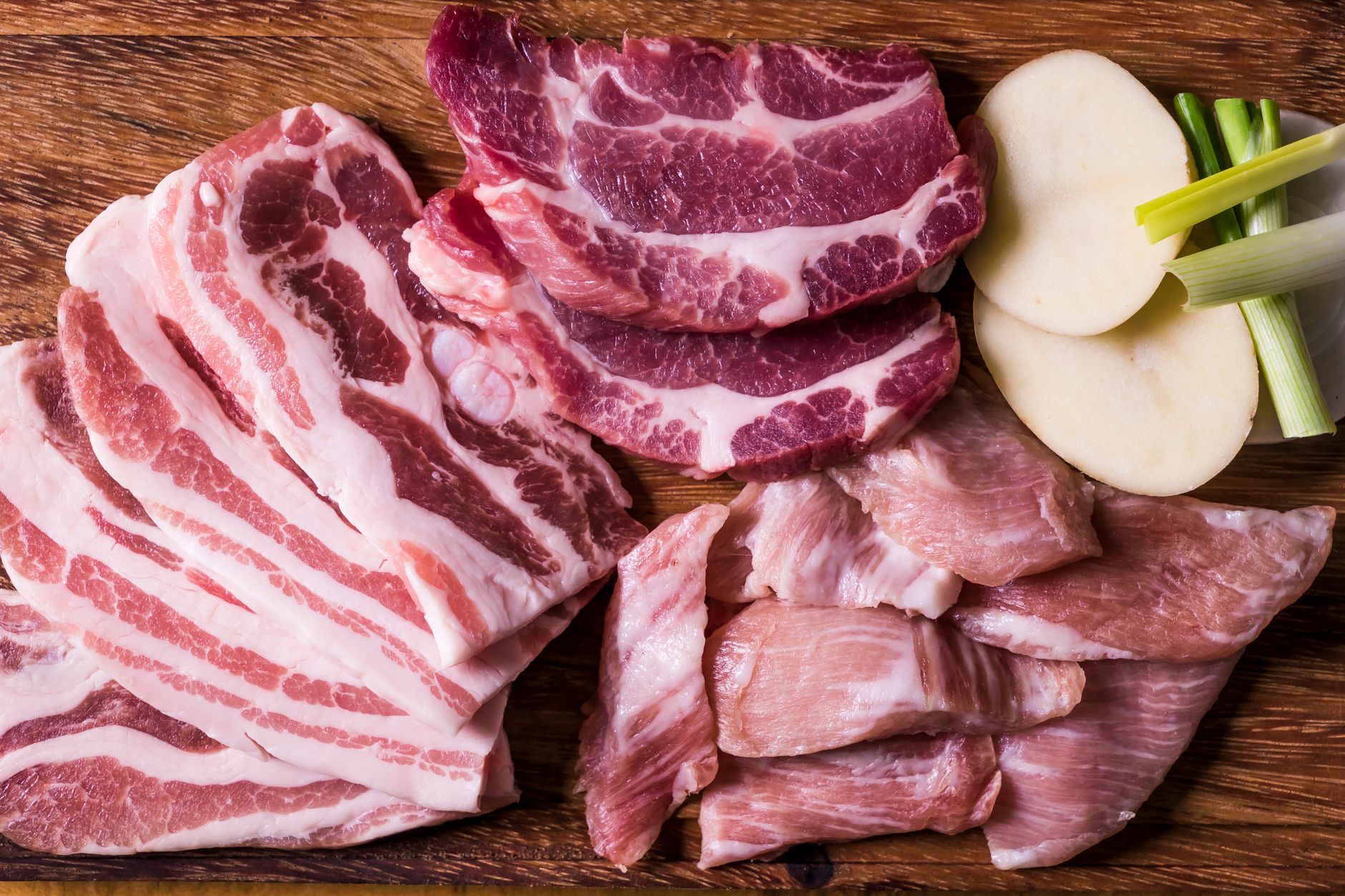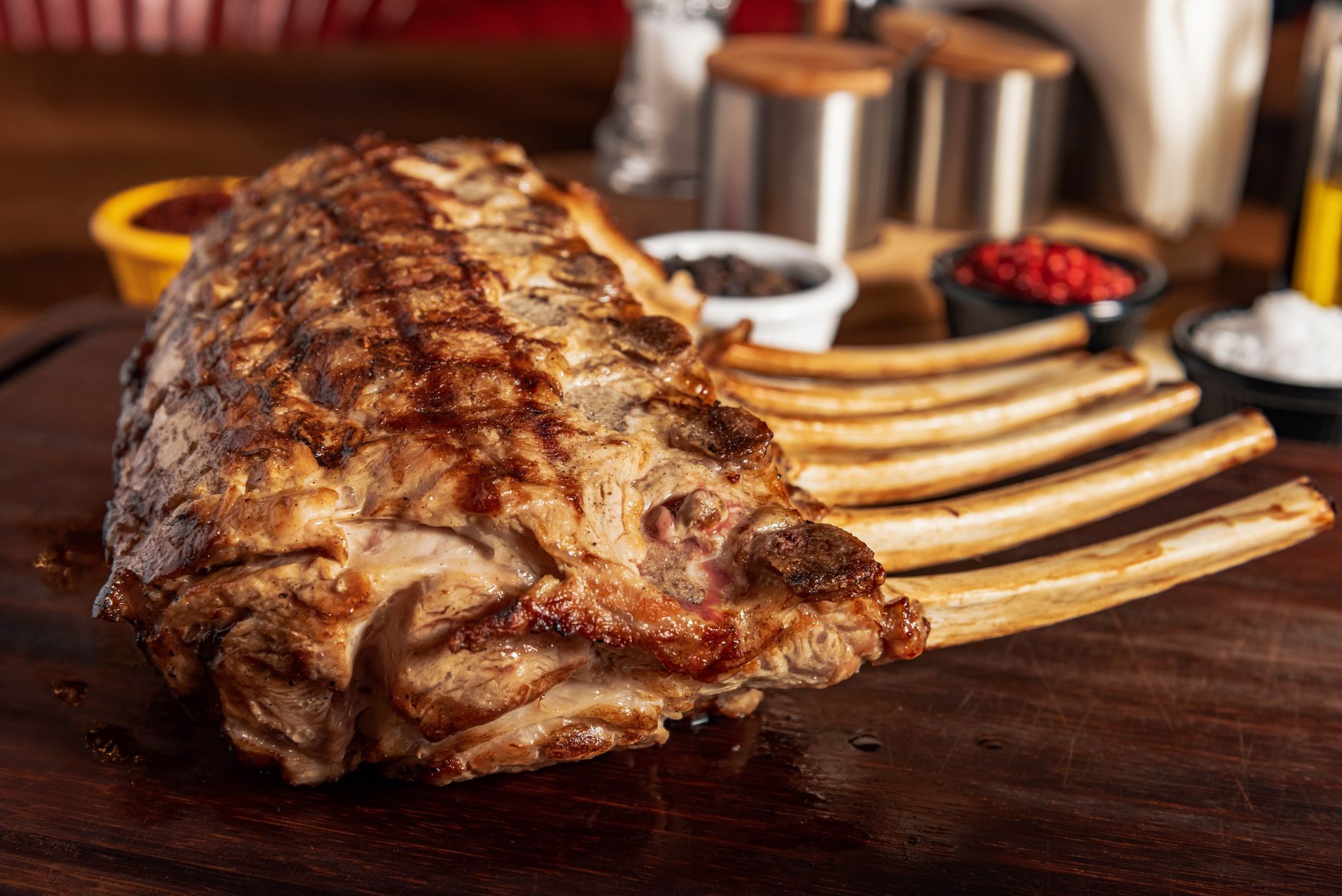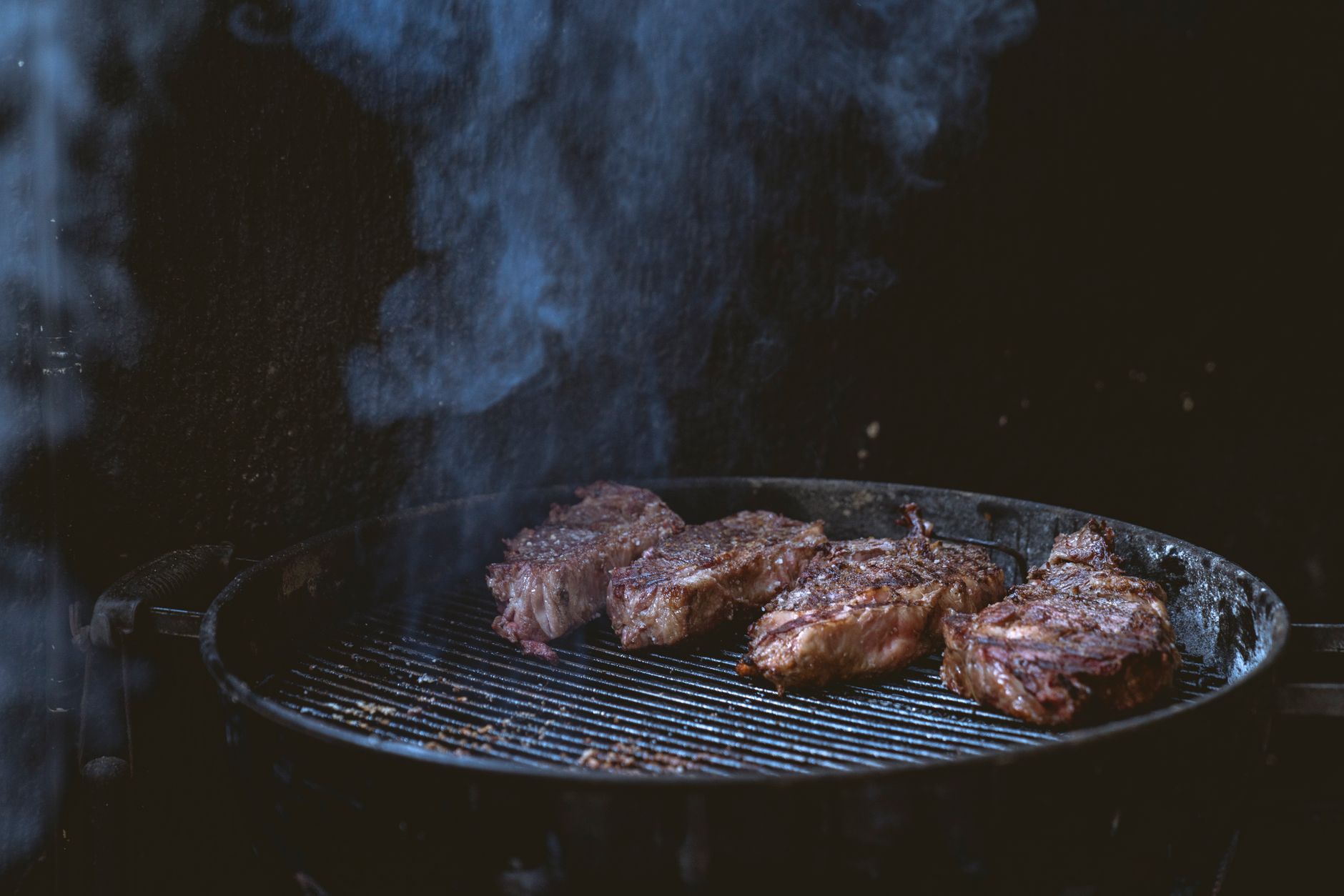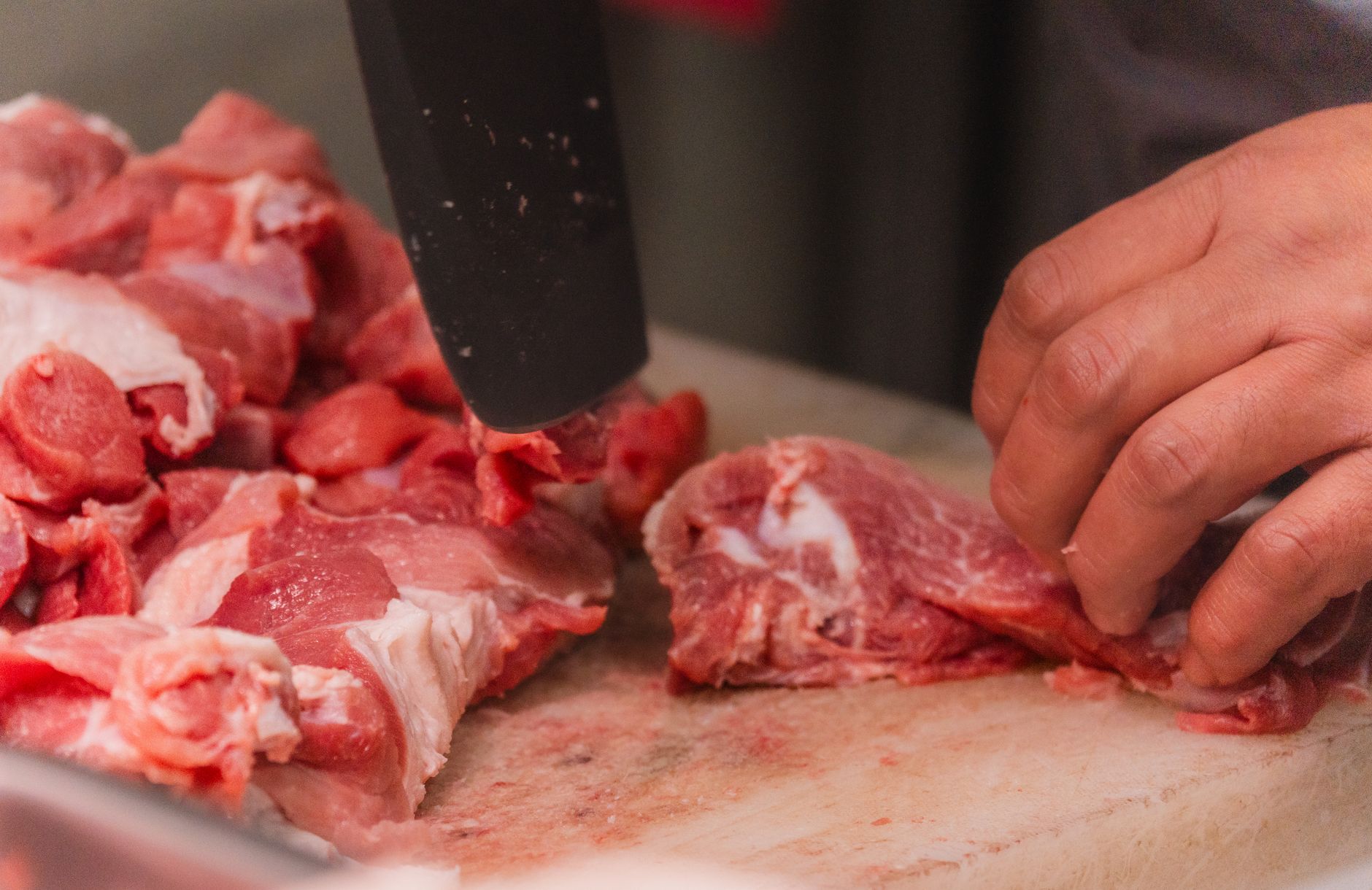
When it comes to pork cuts, the terms pork shoulder vs pork butt often confuse even experienced cooks. Are they the same thing? Does it matter which one you use? The truth is, these cuts come from different parts of the pig, and understanding their differences can totally change your cooking results. Whether youre aiming for tender pulled pork, a slow-roasted roast, or a juicy stew, knowing when to use pork shoulder or pork butt helps you nail texture, flavor, and overall success.
Difference Between Cuts
What is Pork Shoulder?
Pork shoulder, also known as the picnic shoulder, is the lower part of the pig‘s front legjust below the shoulder blade. It has a coarser texture with more connective tissue and a thick fat cap. The meat tends to be less marbled with intramuscular fat than pork butt but often includes skin, which can help lock in moisture during cooking.
The structure of pork shoulder means it benefits from slow-cooking methods like braising or roasting. The connective tissue breaks down slowly, resulting in tender, juicy meat with a rich, hearty texture. This cut is excellent for dishes like slow-roasted pork or traditional carnitas.
According to USDA FoodData Central, pork shoulder contains slightly less fat than pork butt but more collagen, making it ideal for moist, slow cooking.
What is Pork Butt?
Despite its misleading name, pork buttor Boston buttis actually cut from the upper portion of the pigs front shoulder, above the shoulder blade. It is a well-marbled, fatty cut with a firmer texture than pork shoulder. The higher fat content makes it perfect for slow cooking methods like smoking, slow roasting, or barbecuing.
Pork butt retains more intramuscular fat, which bastes the meat internally as it cooks, creating juicy, tender results ideal for pulled pork or stews. This cut is a favorite in barbecue culture and is prized for its flavor and versatility.
The higher fat marbling provides a richer flavor and helps keep the meat juicy during extended cooking periods, especially when using smokers or slow cookers.
Visual Comparison Table: Pork Shoulder vs Pork Butt
| Feature | Pork Shoulder (Picnic) | Pork Butt (Boston Butt) |
|---|---|---|
| Location on Pig | Lower front leg (below shoulder blade) | Upper front shoulder (above shoulder blade) |
| Fat Content | Moderate, with thick fat cap and skin | High marbling, less skin |
| Texture | Coarser with connective tissue | Firmer, more tender with fat marbling |
| Common Cooking Methods | Roasting, braising, slow cooking | Smoking, slow roasting, pull-apart pork |
| Cooking Time | Long (4-6 hours at low temp) | Long (6-8 hours with low & slow) |
| Best Dishes | Roasts, carnitas, stews | Pulled pork, barbecue, smoked dishes |
Cooking Techniques
When to Use Pork Shoulder
If you want a moist, tender roast with a crispy exterior, the pork shoulder is your go-to cut. Its thick fat cap keeps the meat juicy during slow roasting, while the coarser texture shines in braises or stews. To get crispy, crackling skin, start by patting the skin dry, rubbing it with salt, and roasting at high heat (about 220C/430F) for the last 2030 minutes.
For best results, slow roast pork shoulder at 135150C (275300F) for 4 to 6 hours until the internal temperature reaches 90C (195F). This breaks down collagen, transforming the meat into tender, pull-apart goodness.
A home cook I know swears by pork shoulder slow-cooked with garlic and herbs, stating, The fat cap melts perfectly into the meat and keeps it so moistmuch better than other roasts.

When to Use Pork Butt
Pork butt shines in dishes requiring long, slow cooking that melts fat and connective tissue into velvety tenderness. Smoking is a popular method, where maintaining a low temperature around 110120C (225250F) for 6 to 8 hours unlocks incredible flavor. The fat marbling bastes the meat internally, making for juicy pulled pork with a rich smoky crust, known as bark.
For those using a slow cooker, pork butt breaks down beautifully after 8 to 10 hours on low heat, perfect for stews or carnitas.
An expert pitmaster once shared, Pork butts higher fat content makes it forgiving even if cooked a little longerit wont dry out like leaner cuts.
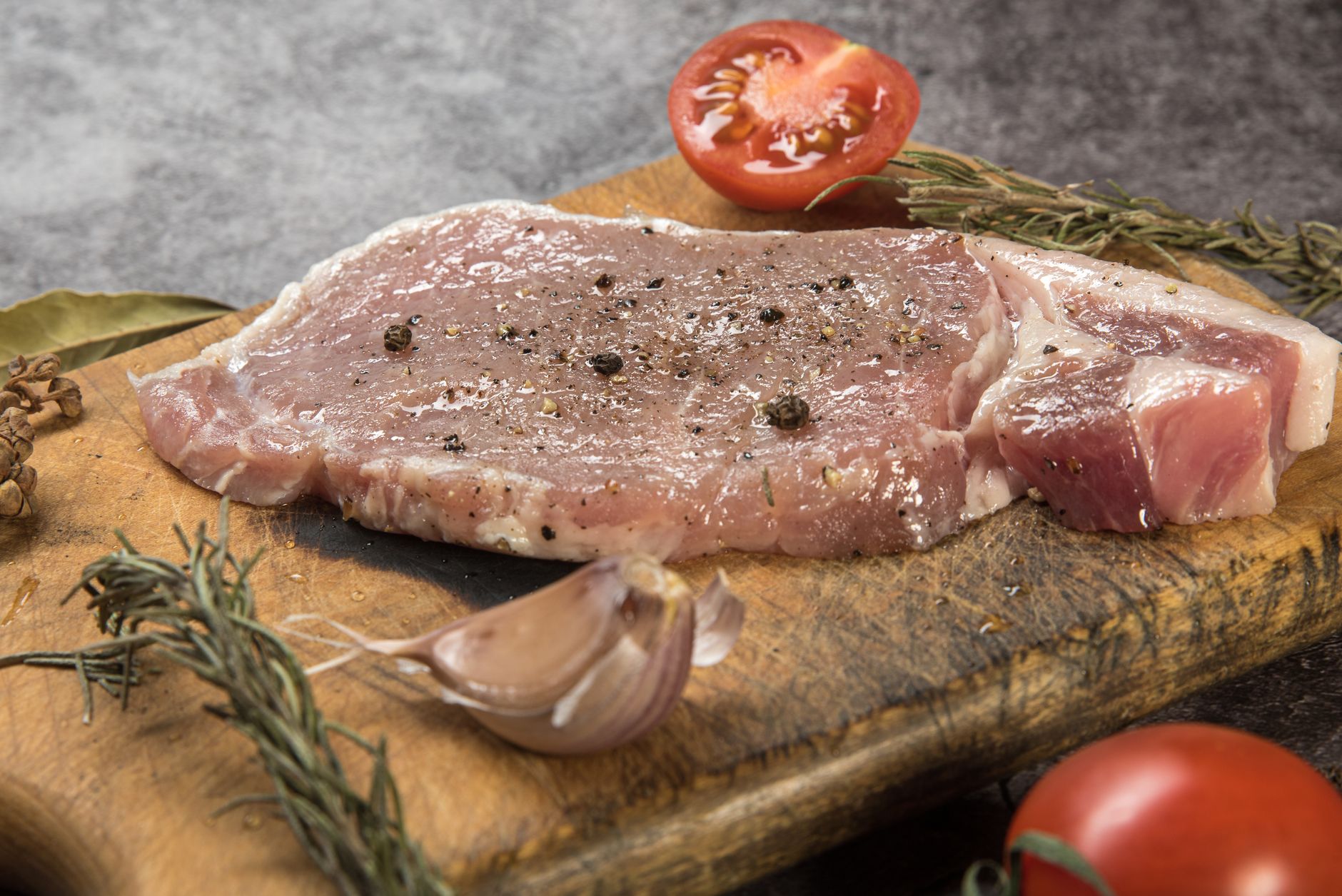
Recommended Recipes for Both Cuts
- Pork Shoulder: Slow-Roasted Herb Pork Shoulder, Pork Carnitas, Braised Pork Stew
- Pork Butt: Smoked Pulled Pork, Slow Cooker Pork Chili, Barbecue Pork Sandwiches
Season simply with salt, pepper, garlic, and your favorite spice rub for the clearest flavors. Both cuts benefit from resting for 1520 minutes after cooking to allow juices to redistribute.
Nutrition & Taste
Fat & Health Considerations
Both pork shoulder and pork butt have moderately high fat contents, but pork butt contains slightly more intramuscular fat. According to USDA FoodData Central, 100g of cooked pork butt has about 22g of fat, compared to 19g in pork shoulder. This fat is not inherently badit adds flavor and moisturebut if you seek leaner meat, pork shoulder may be a better choice.
From a Halal perspective, always choose cuts certified by recognized bodies such as JAKIM or HMC to ensure compliance with dietary laws. Look for clear certification logos on packaging.
Flavor & Texture Differences
Pork butts marbling delivers a richer mouthfeel and deeper pork flavor, making it ideal for slow-cooked, smoked dishes. Pork shoulders texture is a bit firmer with more connective tissue, offering hearty, rustic cuts that respond well to moist cooking methods.
Consider how your dish balances fat and tenderness. If you prefer your pork with a firmer bite and crisp skin, shoulder excels. For velvety, almost melt-in-the-mouth texture, pork butt leads.
Buying Guide
What to Look For When Buying
Shopping for pork shoulder or pork butt? Heres a quick checklist:
| Certification | Price Range (per kg) | Common Formats | Shelf Life | Key Allergens |
|---|---|---|---|---|
| JAKIM, HMC, IFANCA (Halal Logos) | $6 - $12 (varies by quality and location) | Bone-in, Boneless, Cubed | 3-5 days (fresh), up to 6 months (frozen) | None (pure meat), watch for marinades or rubs |
Choose cuts with fresh pink color, firm texture, and visible fat marbling. Avoid any with grayish hues or excessive liquid pooling in the packaging. When possible, buy from trusted butchers who can verify Halal certification.

Which Cut Is More Versatile?
While both cuts shine with slow cooking, pork butt tends to be more versatile due to its fat content. It handles direct heat from smokers or slow cookers better, delivering tender results even with longer cooking times. Pork shoulders skin and coarser texture make it excellent for roasts where crispiness is desired.
Professional kitchens often prefer pork butt for barbecue, while home cooks enjoy pork shoulder for economical roasts and stews.
If you want to expand your cooking skills, pairing the two with tools like a meat tenderizer can help you maximize tenderness, especially for tougher shoulder cuts.
Pro Tips for Cooking Pork Shoulder and Pork Butt
- Dont rush low and slow: Set your smoker or oven to 225F (110C) to 300F (150C) to slowly break down connective tissues.
- Pat the meat dry: Removing moisture helps develop a crust or bark during cooking.
- Rest the meat: Let it sit wrapped for 1520 minutes after cooking to redistribute juices.
- Use Halal-certified rubs and marinades: Avoid alcohol or non-Halal additives by checking ingredient labels carefully.
- Try dry brining overnight: Salt the cut liberally to improve flavor and texture.
When is the Best Time to Eat Pork Shoulder or Pork Butt?
Slow-cooked pork shoulder and pork butt are best enjoyed after long, low-temperature cookingusually in the afternoon or evening when you have time to prepare and rest the meat. Weekend gatherings or special halal festive meals are perfect occasions for these flavorful cuts.
Is Pork Shoulder or Pork Butt Actually HalalWhat Should I Check?
Pork is not halal by Islamic dietary laws. This article addresses the cooking differences between pork shoulder vs pork butt for educational purposes and culinary knowledge only. For halal meat alternatives, seek out certified halal meats like beef, chicken, or Beyond Meat options.
How Long Should I Cook Pork Butt to Get Tender Pulled Pork?
Cook pork butt at a steady 225F (110C) to 250F (120C) for 6 to 8 hours until the internal temperature reaches 195F (90C). This transforms the fat and collagen into tender, flavorful meat perfect for pulling apart.
Can I Use Pork Shoulder for Roasting Instead of Pork Butt?
Yes. Pork shoulder is ideal for roasting, especially when you want crispy skin. It cooks well at 275300F (135150C) for 4 to 6 hours and develops great flavor and texture.
What Are Common Mistakes When Cooking These Cuts?
Cooking too fast or at high heat can dry out the meat, especially pork shoulder. Also, skipping the resting period causes juices to escape early. Low-quality or uncertified meat can lead to off flavors and texture.
Can I Freeze Pork Butt or Pork Shoulder Before Cooking?
Yes, both freeze well up to 6 months when wrapped tightly. Thaw in the refrigerator for 2448 hours before cooking for best results.
What Spices Enhance the Flavor of Pork Shoulder and Pork Butt?
Simple spices like garlic powder, smoked paprika, black pepper, cumin, and brown sugar complement these cuts well. Fresh herbs like rosemary or thyme also add depth without overpowering the porks natural taste.
How Do I Know the Meat Is Properly Cooked?
Use a meat thermometer to check the internal temperature. For pulled pork, aim for 195205F (9096C). For roasts, 145F (63C) with rest time is the minimum safe temperature, but higher temps yield more tenderness.
More You Might Like
If you‘re exploring plant-based options to balance your meals, check out Beyond Meat for certified halal-friendly alternatives that taste great. For tougher cuts, consider using a meat tenderizer to help improve texture and make your dishes more enjoyable.

Conclusion
Understanding the differences between pork shoulder vs pork butt helps you choose the right cut for your recipe and cooking style. Shoulder offers texture perfect for roasts and braises, while butt excels in smoky, slow-cooked dishes. Next time you shop, consider the cuts fat content, cooking method, and certification to get the best results. Feel free to try recipes with both and share your experiences with us!
FAQs
Is Pork shoulder vs pork butt actually Halal — what should I check on the label?
Pork is not halal according to Islamic dietary laws and cannot be certified halal. Always look for trusted halal certification logos like JAKIM or HMC on packaging when buying halal meats. For halal alternatives, choose certified beef, chicken, or plant-based options instead of pork.
How long can pork shoulder or pork butt be stored after opening?
Fresh pork shoulder or pork butt should be stored in the refrigerator and used within 3 to 5 days after opening. For longer storage, freeze tightly wrapped cuts for up to 6 months to maintain quality and safety.
What is the main difference between pork shoulder and pork butt?
Pork shoulder comes from the lower front leg below the shoulder blade and includes skin and a thick fat cap. Pork butt is from the upper front shoulder, well-marbled with intramuscular fat, making it juicier and ideal for smoking.
Is it safe to eat pork shoulder or pork butt daily?
Eating pork shoulder or butt occasionally is safe for most people, but due to their higher fat content, they should be consumed in moderation as part of a balanced diet. Choose leaner cuts if you monitor fat intake closely.
Where can I buy quality pork shoulder or pork butt?
Purchase pork shoulder and pork butt from trusted butchers, specialty meat markets, or reputable grocery stores. Verify the freshness, color, and certification and check for halal alternatives if needed.