If you‘ve ever reached for chocolate hoping for a quick caffeine boost like coffee delivers, you might wonder: how much caffeine does chocolate actually have? The truth is, chocolate does contain caffeine, but the amount varies widely depending on the type, cocoa percentage, and brand. Understanding chocolate caffeine content can help you enjoy your favorite treats without unwanted jitters or overstimulation.
Chocolate Caffeine Basics
What Is Caffeine in Chocolate and Where Does It Come From?
Caffeine naturally occurs in the cocoa bean, the main ingredient in chocolate. Cocoa beans contain two stimulant compounds: caffeine and theobromine. While caffeine is known for its quick stimulant effects on the nervous system, theobromine has a milder, longer-lasting effect that contributes to chocolates unique buzz.
Theobromine is present in much higher amounts than caffeine in chocolate, roughly 5 to 10 times more. Together, they provide a gentle lift rather than the intense jolt associated with coffee or energy drinks. When you eat chocolate, these compounds affect your body differentlycaffeine acts faster to increase alertness, and theobromine might subtly elevate mood and reduce fatigue.
How Much Caffeine Is Typically Found in Different Types of Chocolate?
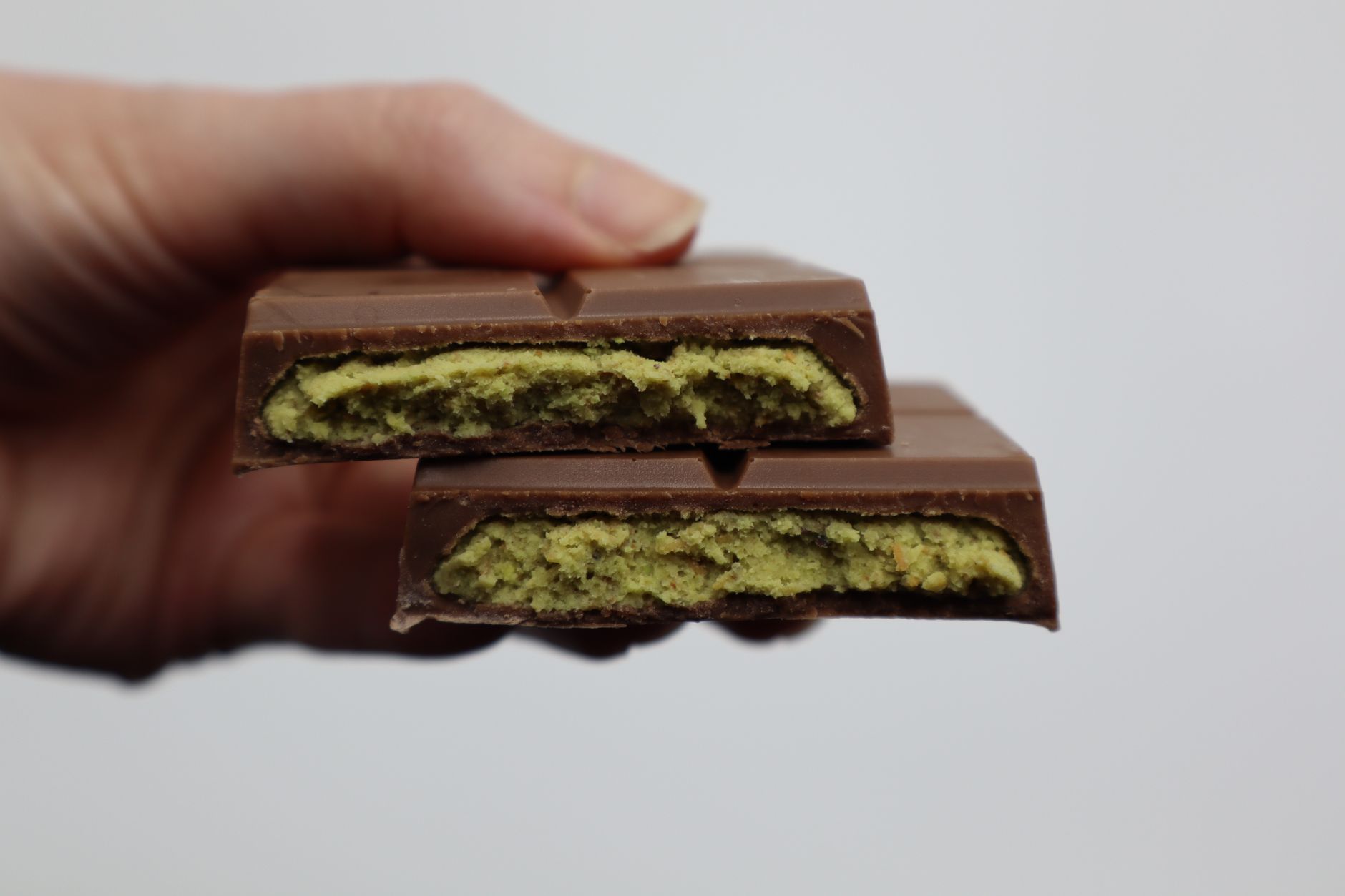
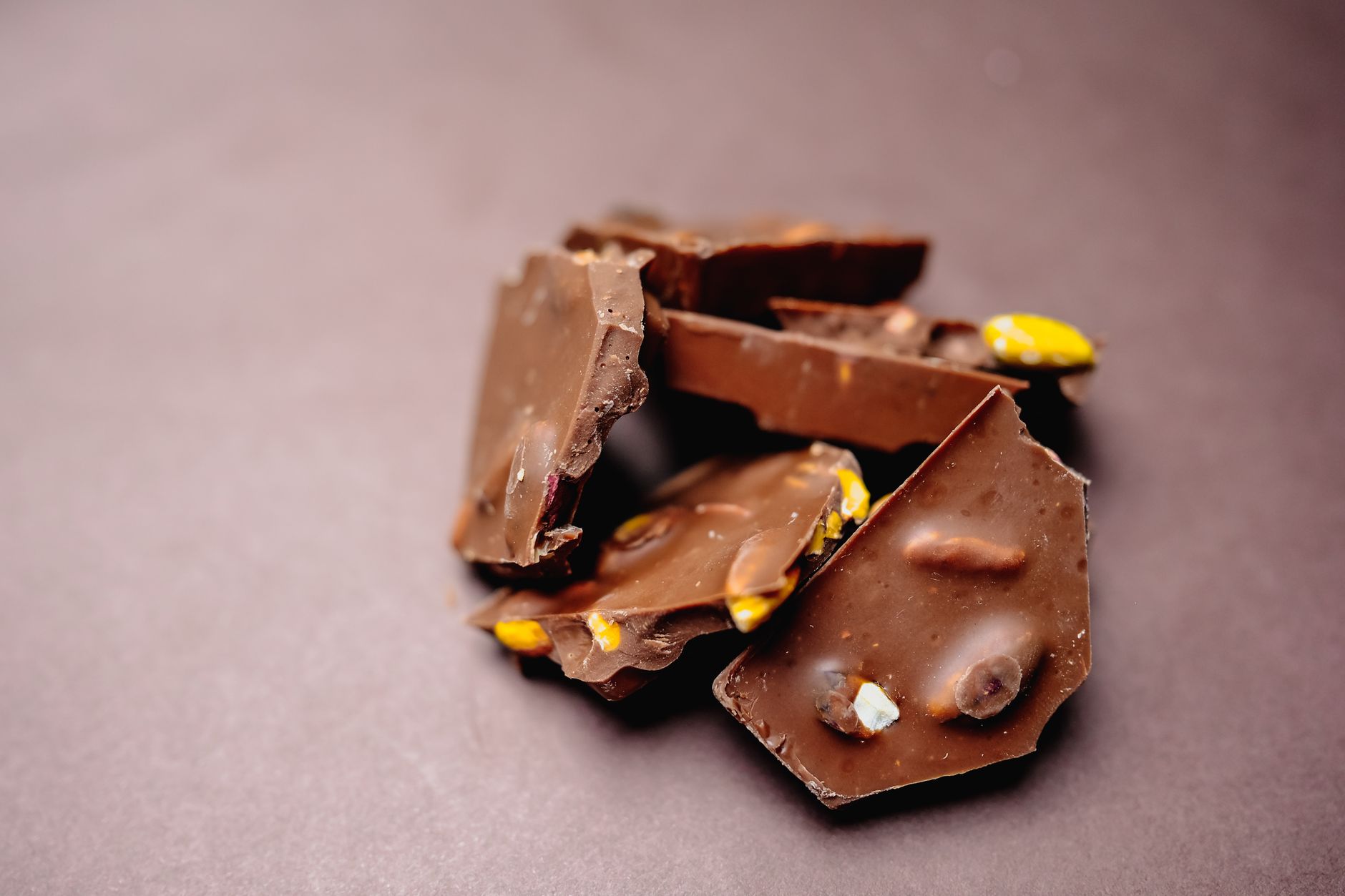
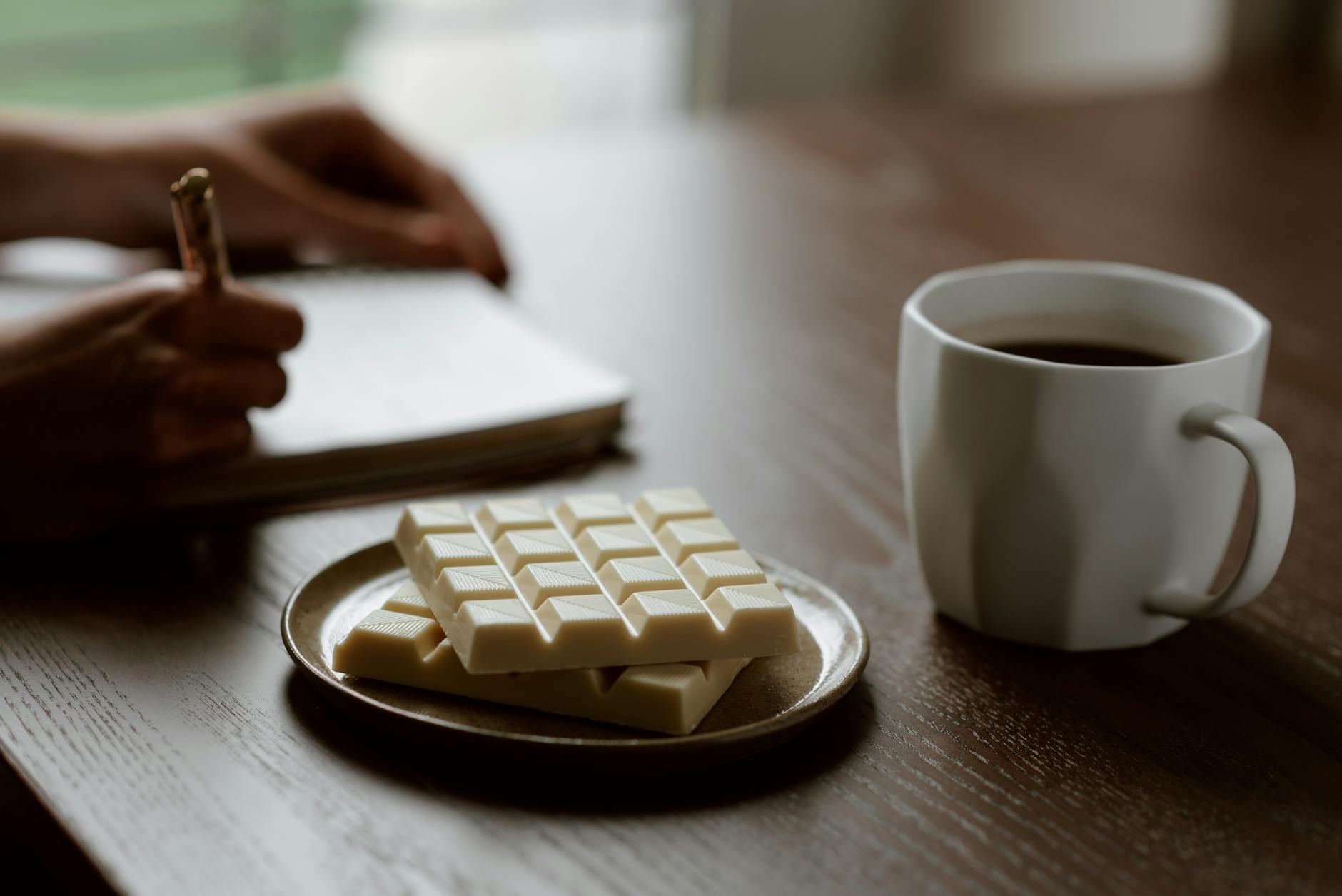
The caffeine content in chocolate largely depends on the cocoa solids percentage. Dark chocolate, having more cocoa, naturally contains more caffeine than milk chocolate. White chocolate has little to no caffeine since its primarily cocoa butter without non-fat cocoa solids.
For example, a typical 1 oz (28g) serving of milk chocolate usually contains between 5 and 15 mg of caffeine. Dark chocolate with 50% cocoa content often contains around 12 to 25 mg per ounce. More intense dark chocolates, at 70% cocoa and above, can deliver 20 to 60 mg or more of caffeine per ounce.
This variability is why reading the label or knowing the brand helps. Some chocolates are designed with higher caffeine content, either naturally or by added ingredients like espresso or guayusa leaf extracts.
| Chocolate Type | Typical Serving Size | Approximate Caffeine Content (mg) |
|---|---|---|
| Milk Chocolate | 1 oz (28g) | 515 mg |
| Dark Chocolate 50% | 1 oz (28g) | 1225 mg |
| Dark Chocolate 70%+ | 1 oz (28g) | 2060 mg |
High-Caffeine Chocolate Brands
If you want more caffeine from chocolate, there are specialized caffeinated chocolates designed to offer a bigger energy kick. These products often combine cocoa with added caffeine sources like espresso or natural stimulants. Theyre popular for quick energy boosts, especially when coffee isnt an option.
1. AWAKE Caffeinated Chocolate Bites 50 mg caffeine
AWAKE offers bite-sized chocolates precisely formulated with 50 mg of caffeine per serving. This is roughly half a cup of brewed coffees caffeine. The brand focuses on clean ingredients and transparency, making it a favored choice for those mindful of additives. Consumers often share how it provides a smooth, sustained energy lift without the crash.
2. COBA Espresso Bar 5060 mg caffeine
COBA combines quality chocolate with real espresso, giving you a bold mocha flavor alongside a solid caffeine boost. These bars contain about as much caffeine as a small espresso shot. Its great if you want both the rich taste and an energy lift that lasts.
3. Charge Chocolate Balls 54 mg caffeine
Designed for on-the-go use, Charge Chocolate Balls pack a caffeine punch in a convenient bite. Athletes and busy professionals use them during workouts or midday slumps. Theyre Halal certified too, making them accessible for a variety of dietary needs.
4. CAFF Energy Bites 65 mg caffeine
Besides caffeine, CAFF Energy Bites include other natural energizers and nutritional benefits. With 65 mg of caffeine each, theyre a smart choice for those seeking both taste and functional benefits like antioxidants from cocoa.
5. Mindo Guayusa Energy Chocolate Bar 90 mg caffeine
What makes Mindo special is its blend of dark chocolate and guayusa leaf, a South American plant with natural caffeine content. Guayusa delivers a clean, focused energy without jitters. Mindos 90 mg caffeine load is closer to a strong coffee, great for extended alertness.
6. Peak Chocolate Energy Bars 100 mg caffeine
These bars target athletes and heavy caffeine users with 100 mg per barnearly the equivalent of a standard cup of coffee. They combine quality ingredients with performance-driven formulations.
7. Scho-Ka-Kola 100 mg caffeine
A historic brand originally developed for soldiers, Scho-Ka-Kola is famed for its high caffeine and theobromine content. It remains a go-to for concentrated chocolate energy, especially in Europe. Many appreciate its rich, intense flavor and reliable energy boost.
8. Pockets Chocolates Pocket Latte 100150 mg caffeine
These specialty chocolates blend espresso and premium chocolate for a potent caffeine dose very close to two shots of espresso in some servings. Perfect if you need a quick and pleasant caffeine fix without brewing a coffee.
9. ZenEvo Driving Energy Squares 150 mg caffeine
ZenEvo targets long-distance drivers and those needing sustained alertness. At 150 mg caffeine, its one of the highest caffeine chocolates available. Its important to manage intake carefully to avoid overstimulation with such products.

Benefits and Risks
What Are the Potential Benefits of Caffeinated Chocolate?
Caffeinated chocolate offers mild stimulation with a smoother onset compared to coffee. The combined effects of caffeine and theobromine may improve focus, alertness, and mood. Sweetened with antioxidant-rich cocoa, some chocolates also deliver health benefits like heart-healthy flavonoids.
Risks and Precautions
Too much caffeine from chocolate or energy bars may cause jitters, insomnia, or increased heart rate. Since caffeine content varies, consuming several caffeinated chocolates alongside coffee or tea could easily exceed safe daily limits. According to the FDA, up to 400 mg of caffeine a day is generally safe for most adults.
Children, pregnant women, and people sensitive to caffeine should avoid or limit caffeinated chocolates. Always check ingredients and look for trusted Halal certifications such as JAKIM, HMC, or IFANCA when selecting chocolates that meet your dietary and ethical standards.
Tips for Safe Consumption
- Keep track of your total daily caffeine intake from all sources.
- Enjoy caffeinated chocolate in moderation12 servings max per day.
- Combine with Hydration: Drink water to prevent dehydration caused by caffeine.
- Choose brands with transparent labeling and certified Halal status.
Choosing the Right Caffeinated Chocolate
Factors to Consider Before Buying
Before selecting a caffeinated chocolate, consider your caffeine tolerance. Newcomers should start with lower caffeine amounts to gauge their sensitivity. Also, evaluate flavor preferences and dietary requirements. Many brands offer sugar-free, vegan, or organic options to suit different lifestyles.
Halal certification matters for food-conscious consumers. Look for logos from reputable bodies such as JAKIM, HMC, or IFANCA on the packaging. This ensures the product aligns with Muslim dietary laws and hygiene standards.
Where to Buy Quality Chocolate
Buying from reputable brands and reliable retailers ensures product safety and authenticity. Trusted online stores and specialty shops often carry well-known caffeinated chocolates with clear labeling and certification.
For Halal-conscious shoppers, verified online halal food marketplaces provide a good selection. Reading user reviews and brand histories can also guide you toward quality options.
Certification | Price Range | Common Formats | Shelf Life | Key Allergens
| Certification | Price Range | Common Formats | Shelf Life | Key Allergens |
|---|---|---|---|---|
| JAKIM, IFANCA, HMC | $2 $5 per serving | Bars, bites, energy balls | 6 12 months unopened | Milk, soy, nuts (varies) |
More You Might Like
If you enjoy exploring food caffeine content, check out our detailed comparison on Macaron vs macaroon, and discover the caffeine levels found in green tea treats with our post on Matcha dessert caffeine.
Is chocolate caffeine content actually Halal what should I check?
Chocolate itself is naturally Halal, but when it comes to caffeinated chocolates, check for Halal certification labels from trusted authorities like JAKIM or IFANCA. These logos confirm that all ingredients, processing, and packaging comply with Islamic dietary laws. Also, verify that any added caffeine sources (like guayusa or espresso) are certified Halal to avoid hidden concerns.
How can you tell if the caffeine content is high on a chocolate label?
Look for added caffeine sources listed in the ingredients, such as espresso, guayusa, or caffeine itself. Some brands clearly state the caffeine amount per serving on the front packaging or nutrition facts. Darker chocolates usually have higher inherent caffeine. If unsure, review the cocoa percentage and any product claims about energy boost.
Does darker chocolate always mean more caffeine?
Generally yes, because darker chocolates have a higher cocoa solids percentage, which contains caffeine naturally. However, exact caffeine content still varies by brand and formulation. Some dark chocolates may include added caffeine, increasing total levels beyond cocoa alone.
Can you get a caffeine overdose from chocolate alone?
Its rare but possible if you consume multiple caffeinated chocolates with high caffeine content rapidly. Since caffeine amounts vary, staying aware of your total intake from all sources (chocolate, coffee, tea, energy drinks) is important. The FDA recommends no more than 400 mg caffeine daily for healthy adults.
How does the caffeine in chocolate compare to coffee?
A typical 8 oz cup of brewed coffee has about 80-100 mg caffeine, making many caffeinated chocolates less potent per serving. However, specialty chocolates can approach or exceed coffee levels, especially those with added caffeine ingredients. Chocolates theobromine also provides a milder, longer-lasting stimulant effect unlike coffees quick jolt.
Are there health differences between caffeine from chocolate and other sources?
Theobromine in chocolate works alongside caffeine to provide a gentler, mood-enhancing effect. While coffee or energy drinks offer rapid stimulation, chocolates stimulant blend is often perceived as smoother. Additionally, cocoa contains antioxidants and flavonoids that may benefit heart health, making chocolate a unique caffeine source.
What should I watch for when combining caffeinated chocolate with other caffeine products?
Keep total caffeine intake in mind to avoid overstimulation or side effects like jitters, anxiety, or insomnia. Combining caffeinated chocolate with coffee, tea, or energy drinks can quickly raise caffeine levels. If sensitive, consume smaller portions and space out intake over the day.
Pro Tips for Choosing Caffeinated Chocolate
- Watch for hidden sugars and additives: Some caffeinated chocolates include added sweeteners or fillers that can dilute quality and health benefits.
- Avoid cheap versions: Low-cost chocolates may use lower-quality cocoa and contain less caffeine, making them less effective if you want an energy boost.
- Check certification carefully: Always choose chocolates with clear Halal certification from recognized bodies to avoid ingredients that dont meet dietary laws.
Conclusion
Chocolate caffeine content varies widelydark chocolates and specialty caffeinated brands can deliver anywhere from a small caffeine lift to a jolt rivaling your favorite coffee. Understanding these differences helps you enjoy chocolates rich taste along with its energizing effects. Next time you shop, check the label for caffeine details and Halal certification to find the best fit for your needs. Have you tried a caffeinated chocolate that surprised you? Share your experience below!
FAQs
Is chocolate caffeine content actually Halal — what should I check on the label?
Chocolate is naturally Halal, but for caffeinated chocolates, look for Halal certification logos from trusted bodies like JAKIM, IFANCA, or HMC. Verify that added caffeine sources, such as espresso or guayusa, are also certified Halal to ensure compliance with Islamic dietary laws.
What is the shelf life of caffeinated chocolate after opening?
Generally, unopened caffeinated chocolate has a shelf life of 6 to 12 months. After opening, it’s best to consume it within a few weeks and store it in a cool, dry place away from strong odors to maintain freshness and flavor.
How does caffeine in chocolate compare to coffee?
A typical cup of brewed coffee contains 80–100 mg of caffeine, while most chocolates have much less per serving. However, specialty caffeinated chocolates can approach or exceed coffee’s caffeine levels, offering a milder, longer-lasting stimulation due to theobromine.
What is a safe daily amount of caffeine from chocolate?
The FDA recommends up to 400 mg of caffeine daily for most healthy adults. Since chocolate caffeine content varies, monitor total intake from all sources, including coffee and tea, to avoid overstimulation or side effects like jitters or insomnia.
Where can I buy quality and Halal-certified caffeinated chocolate?
Purchase from reputable brands at specialty shops or verified online halal food marketplaces. Look for clear labeling and certification from trusted Halal authorities to ensure product authenticity and compliance with dietary standards.