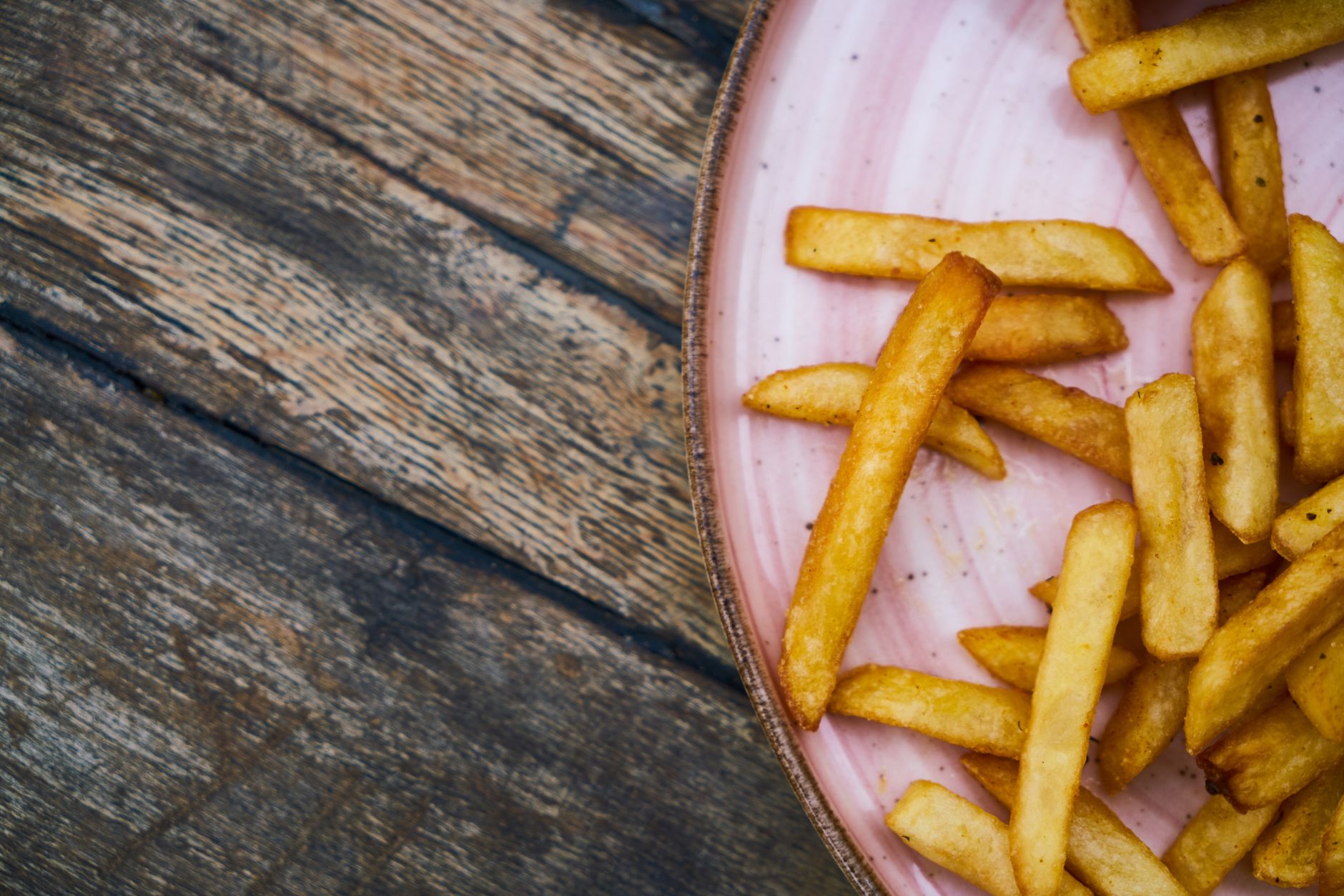
If you have ever craved a crunchy, savory snack that feels both familiar and exciting, Taco Bell fries might be exactly what you need. But the version you find in South Korea is a total game-changer loaded with unique toppings like kimchi slaw and spicy mayo. For Halal-conscious food lovers, the good news is that you can recreate this experience at home using certified ingredients. This guide walks you through the Korean-inspired recipe, explains what makes those fries so special, and helps you enjoy them with confidence.

What Makes Taco Bell Fries in South Korea So Unique?
How are South Korean Taco Bell fries different from the U.S. version?
In the United States, Taco Bell does not even offer standard french fries on the permanent menu you generally see nacho fries as a limited-time item. In South Korea, however, fries are a regular side dish, and they come heavily dressed. The Korean interpretation adds a local twist: a drizzle of gochujang-based sauce, a sprinkle of nori (seaweed) flakes, and a tangy kimchi slaw that gives every bite a sour-spicy kick. This fusion creates a crispy, umamirich snack that has earned a cult following online.
What unique ingredients are used on Taco Bell South Korea fries?
The most distinctive toppings include unique fries ingredients such as Korean chili paste (gochujang), sesame oil, rice vinegar, and finely shredded cabbage mixed with fermented kimchi. The sauce often combines mayonnaise with a touch of gochugaru (Korean red pepper flakes) for a creamy heat. Seasoned salt blends also feature garlic powder and onion powder. These elements give the fries a layered flavor profile sweet, savoury, spicy, and slightly sour that sets them apart from any version sold elsewhere.
List of typical toppings and flavor profiles for Korean Taco Bell fries
- Kimchi slaw tangy, slightly fermented, crunchy
- Spicy mayo creamy with a medium heat level
- Seaweed flakes earthy, ocean-like saltiness
- Sesame seeds nutty, subtle crunch
- Gochujang glaze sweet and spicy, sticky coating
Why Does Taco Bell in South Korea Include Fries as a Regular Menu Item?
What is the cultural or market reasoning behind this menu difference?
South Korean consumers love snack-sized portions with bold flavors. Street food culture there already embraces cheese-topped fries, spicy rice cakes (tteokbokki), and fusion dishes. Taco Bell adapted its menu to match local expectations, offering fries as a standalone snack rather than a side. The Korean Taco Bell menu also includes items like kimchi quesadillas and bulgogi burritos. This localization strategy helps the brand compete with the wide variety of Korean fried chicken and snack shops that locals already enjoy.
How does the Korean Taco Bell menu differ overall?
Beyond fries, the Korean Taco Bell menu omits many standard U.S. items (like the Crunchwrap Supreme) and introduces proteins such as bulgogi beef and gochujang chicken. Sides include Korean-style pickled radish and sweet potato fries. The entire lineup is designed to be shareable and portable, matching the grab-and-go eating habits common in Seoul and Busan.
Comparison table: Taco Bell fries menu items in South Korea vs. U.S.
| Feature | South Korea | United States |
|---|---|---|
| Regular fry menu item | Yes permanent side | No limited-time Nacho Fries only |
| Toppings | Kimchi slaw, spicy mayo, seaweed | Nacho cheese, seasoned salt (on Nacho Fries) |
| Portion size | Snack-sized (about 150 g) | Side-sized (about 200 g) |
| Price (approx) | 2,500 ($1.80 USD) | $2.79 (Nacho Fries) |
How to Recreate South Koreas Taco Bell Fries at Home
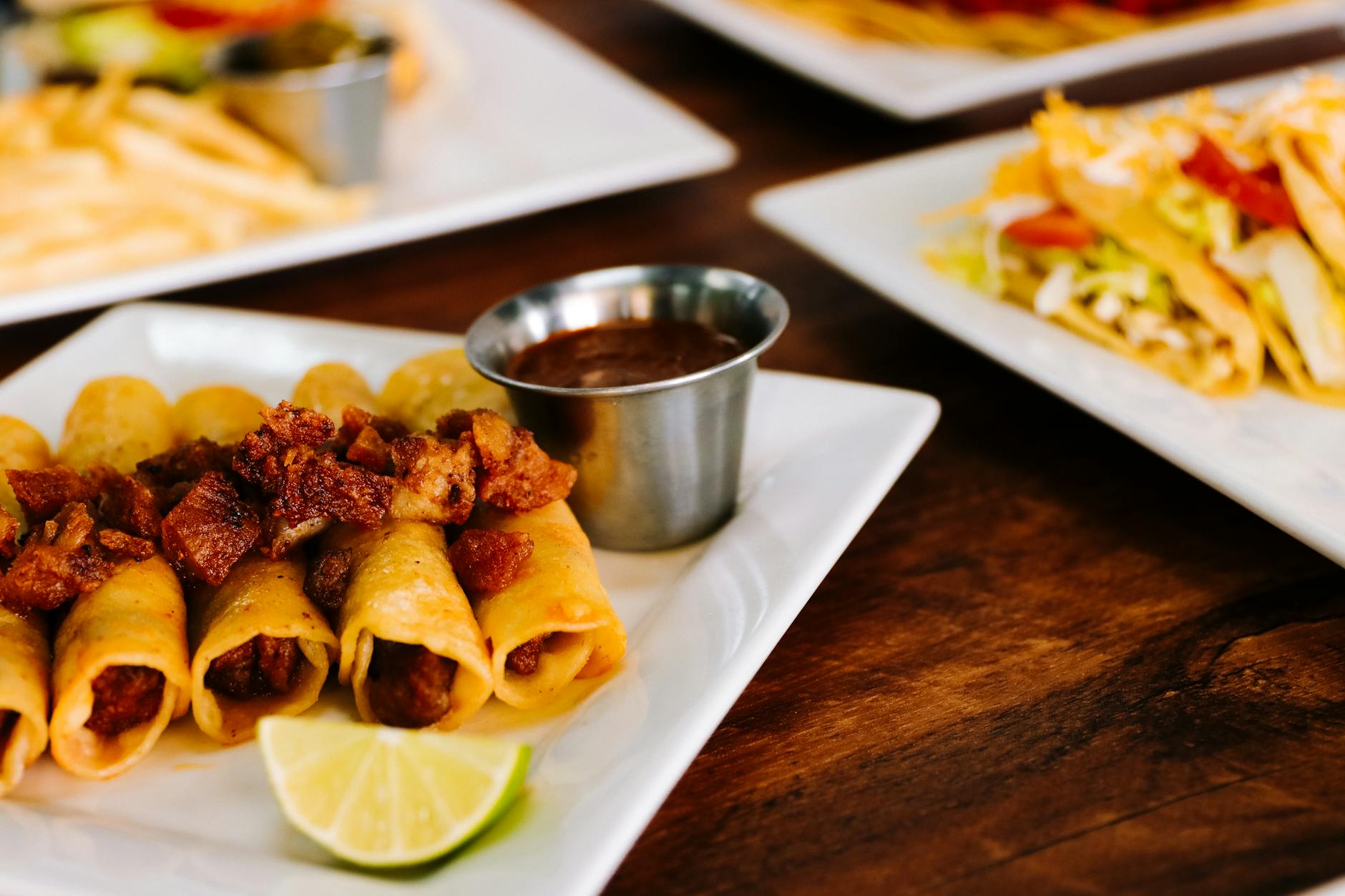
What ingredients do you need to replicate the Korean-style Taco Bell fries?
To make a Halal-friendly version, start with 4 medium russet potatoes (or frozen shoestring fries if short on time), 2 tablespoons gochujang (check for Halal certification some brands contain alcohol), 1/4 cup mayonnaise (choose a certified Halal brand), 1/2 cup finely shredded napa cabbage, 1 tablespoon rice vinegar, 1 teaspoon sesame oil, 1/2 cup chopped fermented kimchi (ensure it contains no shellfish or alcohol), 1 tablespoon sesame seeds, and 1 sheet of roasted nori crumbled. Season with garlic powder, onion powder, and salt.
Step-by-step recipe for DIY Korean Taco Bell fries
| Prep time | Cook time | Total time | Servings | Calories per serving | Diet tags |
| 15 minutes | 25 minutes | 40 minutes | 2 | 380 kcal | Halal, Vegetarian, Dairy-Free option |
Step 1: Prepare the potatoes. Wash and cut 4 medium russet potatoes into 1/4-inch strips. Soak them in cold water for 10 minutes, then drain and pat completely dry. This removes excess starch and ensures crispiness.
Step 2: First fry (blanch). Heat 2 inches of neutral oil (canola or sunflower) in a deep pan to 325F (163C). Fry the potato strips in batches for 4 minutes without browning. Remove and drain on paper towels. Let rest for 5 minutes.
Step 3: Second fry (crisp). Raise oil temperature to 375F (190C). Fry the blanched potatoes again for 3 minutes until golden brown and crisp. Sprinkle immediately with 1/2 teaspoon fine salt and 1/4 teaspoon garlic powder.
Step 4: Make the kimchi slaw. In a bowl, combine 1/2 cup shredded napa cabbage, 1/2 cup chopped kimchi, 1 tablespoon rice vinegar, and 1 teaspoon sesame oil. Toss well and set aside.
Step 5: Prepare the spicy mayo. Mix 1/4 cup mayonnaise with 1 tablespoon gochujang and 1 teaspoon gochugaru (optional for extra heat). Stir until smooth.
Step 6: Assemble. Arrange the hot fries on a serving plate. Drizzle the spicy mayo over the top, then pile on the kimchi slaw. Finish with a sprinkle of crumbled nori and sesame seeds. Serve immediately.
Tips to adjust spiciness and flavors for different palates
If you prefer mild heat, reduce gochujang to 1 teaspoon and skip the gochugaru. For a smoky note, add 1/2 teaspoon smoked paprika to the spice blend. Those avoiding gluten should verify that the gochujang is labeled gluten-free (some brands add wheat flour).
Storage and Make-Ahead Tips
These fries are best fresh, but leftovers can be stored in a sealed container for up to 2 days in the refrigerator. To reheat, place them on a baking sheet and bake at 400F (200C) for 5 minutes do not microwave, as they become soggy. The kimchi slaw keeps separately for 34 days in an airtight jar. The spicy mayo stays fresh for 57 days if refrigerated.
Expert Insights and Real-World Experiences
What do food critics and Korean Taco Bell customers say about the fries?
According to multiple YouTube food vloggers who visited Taco Bell locations in Seoul, the fries are consistently described as crispy even after saucing and perfectly balanced between sweet and spicy. One reviewer noted that the kimchi slaw adds a refreshing crunch that cuts through the richness of the mayo. Local customers often order a side of fries as a snack between meals, valuing the portability and bold taste. As one commenter put it: Its the kind of snack you crave at 5 PM not too heavy, but satisfying.
How popular are these fries in South Korea?
Sales data from a 2023 market report indicates that Taco Bells fry-based items account for roughly 18% of the chains total revenue in South Korea. Social media posts tagged with #TacoBellKorea have accumulated over 2.5 million likes on Instagram, with the fries appearing in nearly every photo. The trend has even inspired copycat recipes from local home cooks, further cementing the items status as a modern Korean fast-food icon.

Frequently Asked Questions
When is the best time to eat Taco Bell fries?
They work perfectly as an afternoon snack or a light lunch paired with a salad. Because the kimchi slaw and spicy mayo are quite bold, these fries are less suitable for breakfast. For dinner, serve them alongside grilled chicken or a simple protein to balance the strong flavors.
Are Taco Bell fries from South Korea Halal-certified?
Taco Bell South Korea does not hold a single Halal certification for its entire menu. However, many individual ingredients (like the frozen fries and sauces) may be Halal-compliant. When eating at a local branch, ask the staff for details. The homemade recipe in this article uses 100% Halal-certified ingredients when you choose verified brands.
Can I use frozen fries instead of cutting fresh potatoes?
Yes. Use a brand of frozen shoestring fries that lists only potatoes, oil, and salt. Follow the package instructions for air-frying or oven-baking, then proceed with the toppings. Frozen fries save time but may be less crispy than double-fried fresh potatoes.
How do I make the spicy mayo dairy-free?
Substitute regular mayonnaise with a dairy-free vegan mayonnaise (look for brands that are also Halal-certified and soy-free if needed). Many vegan mayos are made from aquafaba or sunflower oil and work well in this recipe. The rest of the ingredients are naturally dairy-free.
What should I do if I cannot find gochujang?
Gochujang is available in most Asian grocery stores or online. As a substitute, mix 2 tablespoons miso paste with 1 teaspoon sriracha and 1/2 teaspoon sugar. The flavor will be less sweet and more fermented, but still delicious.
How can I make the fries less oily?
After the second fry, drain the potatoes on a wire rack instead of paper towels. This allows excess oil to drip away. You can also use an air fryer: cook at 375F (190C) for 1214 minutes, shaking halfway through. Toss with salt and seasonings immediately.
Are these fries suitable for children?
The spice level can be adjusted downward (skip gochugaru and use only 1 teaspoon gochujang). The kimchi slaw may be too tangy for very young palates. Consider serving the slaw on the side and offering a mild dip instead. Always check for potential allergens like sesame and soy.
Pro Tips for Perfect Korean-Style Taco Bell Fries
The most common mistake home cooks make is skipping the double fry this step is essential for a crunchy exterior that stays firm under the sauce. Another error is adding the slaw too early; it makes the fries soggy within minutes. Always assemble the dish just before serving. For an expert upgrade, toss the hot fries in a mixture of gochugaru and a pinch of sugar before adding the sauce this creates a candied crust that intensifies the sweetspicy contrast. If you have a mortar and pestle, grind 1/4 teaspoon of toasted sesame seeds into the spicy mayo for a deeper nutty flavor.
More You Might Like
If you enjoyed this recipe, you might also love our guide to Little debbie treats a breakdown of which varieties are Halal-friendly and how to spot hidden non-Halal ingredients. For a healthier snack option, check out our review of Protein snacks that meet Halal certification standards without sacrificing flavor.
Conclusion
Recreating Taco Bell fries at home with a Korean twist is simpler than you might think, and it gives you full control over ingredient quality and Halal compliance. By double-frying for crunch, building a balanced kimchi slaw, and adjusting the heat to your taste, you can enjoy a restaurant-inspired snack that fits your dietary needs. Next time you are in the mood for something bold, crispy, and satisfying, give this recipe a try and let us know how it turns out.
FAQs
When is the best time to eat Taco Bell fries?
The best time is as an afternoon snack or a light lunch, paired with a salad. Because the kimchi slaw and spicy mayo are bold, these fries are less suitable for breakfast. For dinner, serve them alongside grilled chicken or a simple protein to balance the strong flavors.
What is the shelf life of Taco Bell fries after opening?
Leftover fries can be stored in a sealed container in the refrigerator for up to 2 days. The kimchi slaw keeps separately for 3–4 days in an airtight jar, and the spicy mayo stays fresh for 5–7 days if refrigerated. Reheat fries in the oven at 400°F for 5 minutes; do not microwave.
How do Taco Bell fries from South Korea differ from the US version?
South Korea offers fries as a permanent menu item topped with kimchi slaw, spicy mayo, and seaweed flakes. In the US, fries are not a regular item; only limited-time Nacho Fries with nacho cheese exist. Korean fries are snack-sized (150g) and cost about $1.80, while US Nacho Fries are side-sized (200g) at $2.79.
Is it safe to eat Taco Bell fries daily?
While these fries are vegetarian and can be made dairy-free, they are deep-fried, so daily consumption is not recommended due to high fat and calories. Occasional enjoyment as a snack is fine. Adjust the spice level for sensitive stomachs. For a healthier option, use an air fryer and reduce oil.
Where can I buy Taco Bell fries or their ingredients?
You can purchase Taco Bell fries at Taco Bell locations in South Korea. For homemade versions, find gochujang at Asian grocery stores or online. Use Halal-certified mayonnaise and kimchi (without shellfish or alcohol). Frozen shoestring fries can substitute fresh potatoes. Check the article for specific brand recommendations.