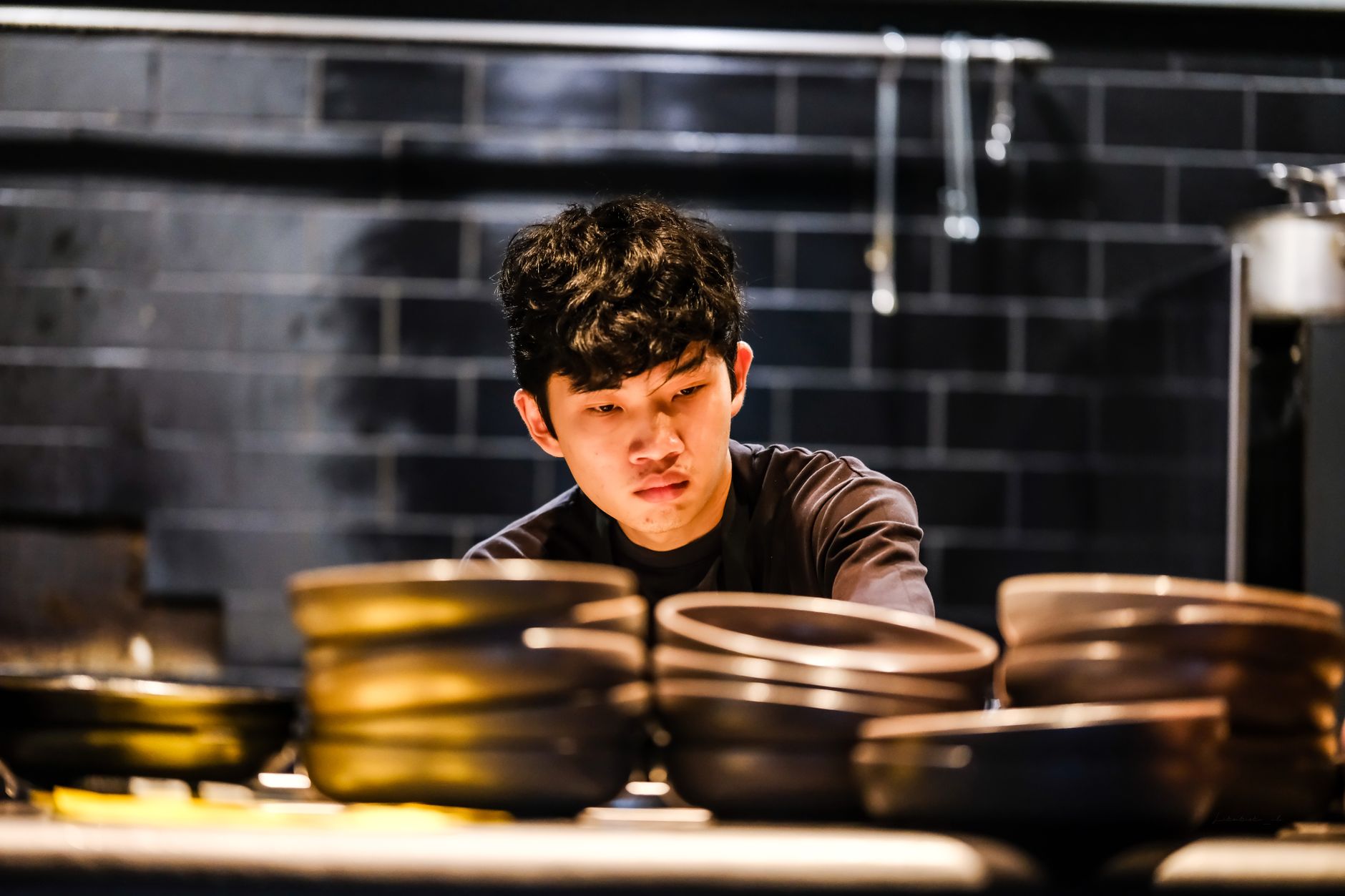
Many diners believe stacking plates at a restaurant is a kind gesture that helps staff clear the table faster. The idea of piling up your empty dishes seems considerate and efficient, but the reality behind the stacking plates restaurant practice is more complicated. This common habit can unintentionally cause safety risks, disrupt service, and even annoy busy servers. Understanding the stacking plates debate will help you know whenand when notto stack your dishes without causing trouble.
Impact on Service
Why Servers Prefer Unstacked Plates
Stacking plates might seem like helpful behavior, but experienced restaurant servers often disagree. When plates are stacked on tables, staff need to break down these piles carefully before clearing and washing. Handling separate plates individually reduces breakage and speeds up dishwashing routines. According to servers, unstacked dishes make sorting easier and prevent mixed-up food residues that stack together. This means clearing the table and prepping it for the next customer happens faster with neatly separated plates.
Busy restaurant staff also depend on clear visual cues to organize clearing priorities. Piled plates obscure these cues, leading to delayed clearing and slower table turnover. A server from a fine-dining restaurant shared that plates stacked carelessly can slow us down, as we handle them extra carefully to avoid accidents.
Safety Issues Linked to Stacking Plates
Stacked dishes pose physical hazards in a fast-paced restaurant environment. A wobbly tower of plates can easily topple when moved, causing broken ceramics and dangerous spills. This risk affects both customers and staff. Instances exist where servers nearly dropped entire stacks carrying them to the kitchen or where broken dishes could injure someone nearby.
Such accidents not only disrupt service but also increase cleaning time and costs and lead to potential injuries. From a health and safety perspective, restaurants generally discourage stacking beyond minimal levels to maintain a safe dining space, especially in busy or smaller venues.
How Stacking Disrupts Workflow
Stacking plates can interfere with the smooth flow of dining room and kitchen activity. Kitchens prepare dishes in specific sequences, and servers clear tables following a certain order to optimize cleaning and reset time. When plates are stacked erratically, it becomes less clear what dishes need immediate cleaning or if some are missing. This throws off kitchen and floor coordination, slowing down the entire process.
In addition, stacked plates limit space on tables and counters needed for plating, drinks, and utensils. In casual settings, this may be less of a problem, but crowded fine dining or halal-certified restaurants with specific service flow often find stacking plates hinders efficiency.

When to Stack Plates
Acceptable Stacking Situations
Not all plate stacking is frowned upon. In casual, buffet-style, or fast-casual settings, stacking plates can help reduce clutter. Here, food presentation is less formal, and stackable dishes are often designed for easy handling. For example, a family-style restaurant might appreciate you stacking similar plates when you clear your own table.
However, in fine dining or halal-certified venues emphasizing precise service, stacking plates is usually discouraged. The type of dining experience dictates whether stacking is tolerated or welcomed. Checking with staff or observing what other diners do can save you from making an unwanted impression.
Proper Stacking Techniques
When stacking plates is acceptable, doing so thoughtfully prevents disruption. Heres how to stack plates properly:
- Stack plates of the same size to avoid imbalance.
- Keep the stack lowno more than three dishes high reduces topple risk.
- Place heavier plates on the bottom for stability.
- Avoid stacking wet or greasy plates without wiping leftover food.
- Do not stack sharp or fragile items, such as bowls with delicate rims or glass dessert plates.
| Correct Stacking | Incorrect Stacking |
|---|---|
| Uniform plates, low stacks | Mixed sizes, tall unstable piles |
| Clean food residue before stacking | Dirty plates piled without cleaning |
| Heavy plates at bottom | Light or fragile plates supporting heavy ones |
| Stack only plates, not utensils | Plates mixed with cups or cutlery |
What Not to Do
Avoid stacking plates when in doubt, especially if staff show signs of impatience or caution. Never stack glasses, cups, or bowls on plates, or mix different tableware types that may slip. Dont create precarious piles near edge of tables where accidents happen easily. Lastly, avoid stacking when the restaurant is crowded and servers are visibly busy. In this context, patience is better than piling up.

Balancing Behavior and Etiquette
Understanding Clearing Etiquette
Restaurant etiquette generally expects diners to leave clearing to servers, especially in halal-certified dining where hygiene and presentation are priorities. Waiting for staff to clear tables respects their workflow, especially during busy times. Cultural norms also affect how plate clearing is viewed in some regions, helping servers by stacking is common; elsewhere, its seen as intrusive.
Good manners include signaling when youre finished, rather than removing or stacking your dishes yourself. This communication helps staff plan clearing rounds efficiently.
Perspectives From Both Sides
Customers often claim stacking saves time for servers. They want to help by reducing the number of trips staff take. On the other hand, restaurant employees argue stacking often creates more work and risk than leaving plates separated. This ongoing debate reflects differing viewpoints but also highlights the need for awareness.
Trusted restaurant managers share that polite diners who wait patiently and communicate clearly make service smoother. They appreciate diners who respect the restaurants cues over those who take well-meant shortcuts like stacking plates.
Communicating With Servers
When youre unsure, it is best to ask your server discreetly about how to handle empty plates. A simple question like, Would you prefer I stack these or leave them here? shows respect and curiosity. Servers can indicate how to help while ensuring safety and efficiency.
Remember, clearing tables is part of the restaurants job, and most servers consider it a core responsibility. Your willingness to ask rather than assume fosters mutual understanding and a more enjoyable meal experience.

Being Considerate Without Stacking
Alternatives That Help
If stacking plates isnt advised or welcomed, you can still be considerate. Push your empty dishes gently to one side of the table instead of scattering them randomly. This tidies the table without risking toppling piles.
Small gestures, like neatly aligning cutlery or folding napkins, signal to staff youre ready for clearing. Sometimes, simply making eye contact or giving a polite nod when finished is sufficient.
Simple Dining Table Manners
Basic manners help restaurants serve everyone better. These include waiting for servers, keeping the table tidy during your meal, and avoiding placing used utensils back on clean surfaces. In halal-certified restaurants, respecting cleanliness standards is especially important. Check for any specific cultural etiquette that the restaurant promotes to be a thoughtful guest.
Follow Restaurant Cues
Many eateries have subtle signs or explicit policies about plate stacking. Observing how the staff manage tables and following posted instructions ensures your behavior aligns with restaurant culture. For example, if you see piled trays left uncleared for long, its a sign stacking is not encouraged. Conversely, if staff welcome stacking in fast-food settings, go ahead but with care.
For example, if you‘re interested in healthier eating, be mindful of avoiding ultra processed foods when dining out, choosing nutritious halal-certified options whenever possible.
Fancy a drink instead? Consider a white wine substitute that fits your halal dietary choices perfectly.
Conclusion
The stacking plates restaurant practice is a well-meaning gesture but often complicates rather than aids restaurant service. Learning why servers usually prefer unstacked plates helps you be a more thoughtful diner. Whether you stack or wait for staff, respecting the restaurants flow makes meals more pleasant for everyone involved. Next time youre dining, consider the impact before piling up your plates and instead choose patience and polite communication.
FAQs
Is stacking plates restaurant actually Halal — what should I check on the label?
Stacking plates as a practice doesn’t affect Halal status. However, when dining in a halal-certified restaurant, check that the establishment follows proper hygiene and food handling protocols. The ‘label’ here refers to the restaurant’s Halal certification and cleanliness standards rather than the stacking of plates themselves.
When is it acceptable to stack plates at a restaurant?
Stacking plates is generally acceptable in casual, buffet, or fast-casual settings where dishes are designed to be stackable. It is usually discouraged in fine dining or halal-certified restaurants where service flow and safety are priorities. Always observe the environment or ask staff if unsure.
What safety risks come with stacking plates in restaurants?
Stacked plates can become unstable and topple, causing broken dishes or spills that harm customers and staff. Carrying large stacks increases the risk of accidents. These hazards disrupt service and can lead to injuries, making it safer to leave plates unstacked for servers to handle.
How does stacking plates affect restaurant workflow?
Stacked plates can obscure visual cues servers use to prioritize clearing. They can mix different dish types with food residues, complicating sorting and slowing table turnover. Stacking can reduce table and counter space needed for plating and drinks, disrupting both kitchen and dining room efficiency.
Where is it best to ask about plate stacking etiquette when dining out?
If unsure about stacking plates, it is polite to discreetly ask your server, “Would you prefer I stack these or leave them here?” This respect for staff preferences helps maintain safety and efficiency in service while avoiding misunderstandings.