When it comes to warm and comforting dishes, both bisque and soup offer delicious options. But what exactly distinguishes bisque vs soup? At first glance, you might think bisque is simply a fancy soup, but theres more to this rich, creamy delight. Understanding the differences helps you appreciate each dishs unique qualities and choose the right one for your Halal-conscious meals.
What Is Soup?
Basic Definition and Types of Soup
Soup, in its simplest form, is a liquid dish made by combining ingredients such as meat, vegetables, or grains with stock, water, or broth. It comes in many varieties worldwide, ranging from clear broths to thick, creamy concoctions.
Clear soups like consomm focus on clarity and purity of flavor, while cream soups rely on dairy or alternative thickeners to add richness. Broth-based soups often serve as light starters or complete meals, depending on added ingredients.
Clear Soups vs Cream Soups vs Broth-Based Soups
- Clear soups are transparent, light, and often made from strained stocks.
- Cream soups use dairy or plant-based creams to create a velvety texture.
- Broth-based soups combine broth with vegetables, meat, or grains without thickening.
Common Soup Ingredients and Textures
Typical ingredients include seasonal vegetables, halal-certified meats like chicken or beef, legumes, and herbs. Texture varies from chunky to smooth, depending on preparation methods.
How Soup Fits into Daily Meals and Cuisines Worldwide
Across cultures, soup is a staple dish. It serves both as an appetizer and a hearty main course. For instance, in many Middle Eastern traditions, soups with lentils and spices are everyday fare that nourish the body comfortably after fasting.
Why Do People Love Soup? Nutritional Benefits and Comfort Food Factor
Soups hydrate and satisfy with fewer calories. They often combine fiber-rich vegetables and lean proteins, making them ideal for health-conscious eating. On chilly days, a warm bowl offers unmatched comfort, elevating mood through both taste and temperature.
What Is Bisque?
Defining Bisque: What Sets It Apart from Other Soups?
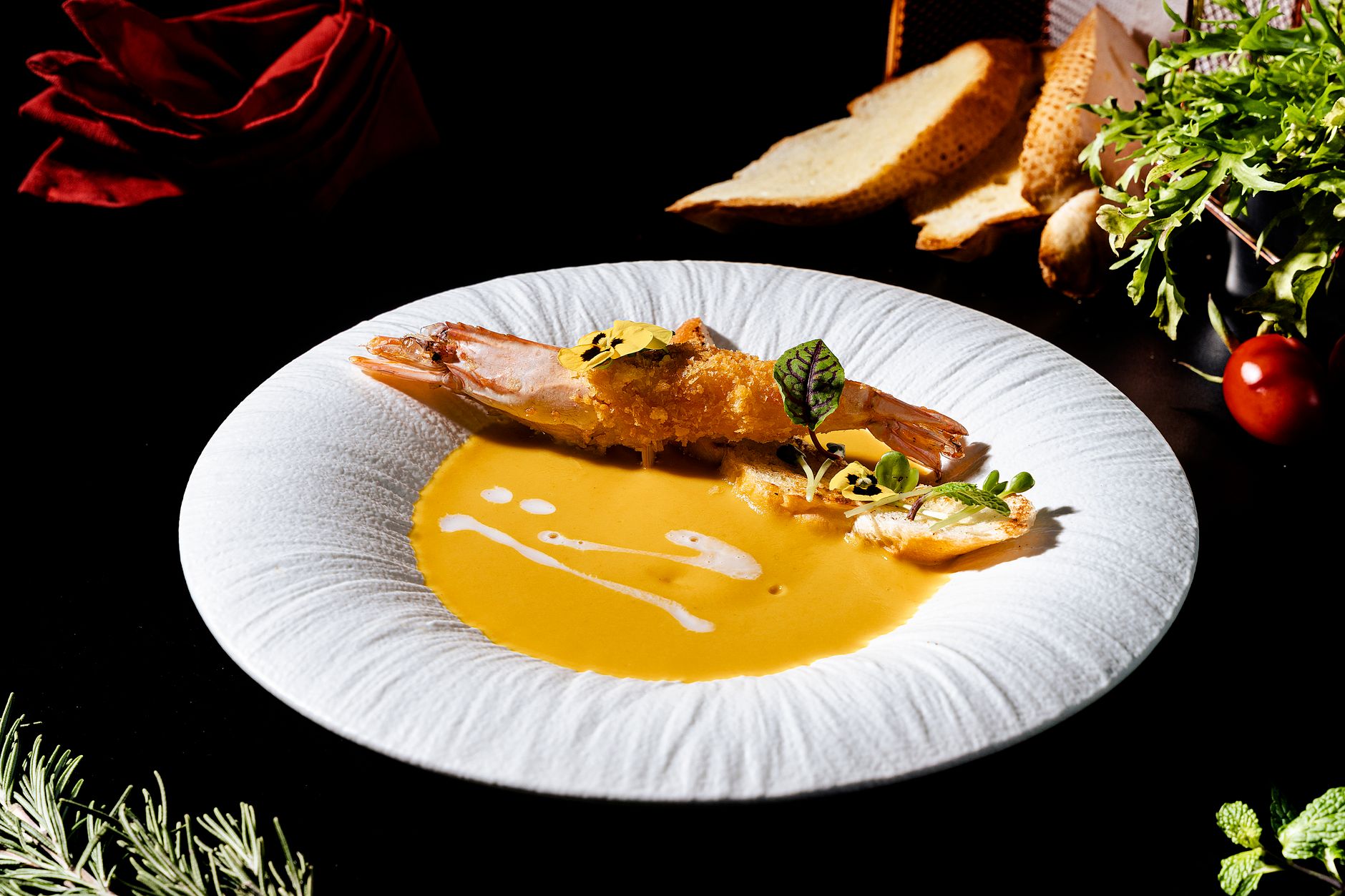
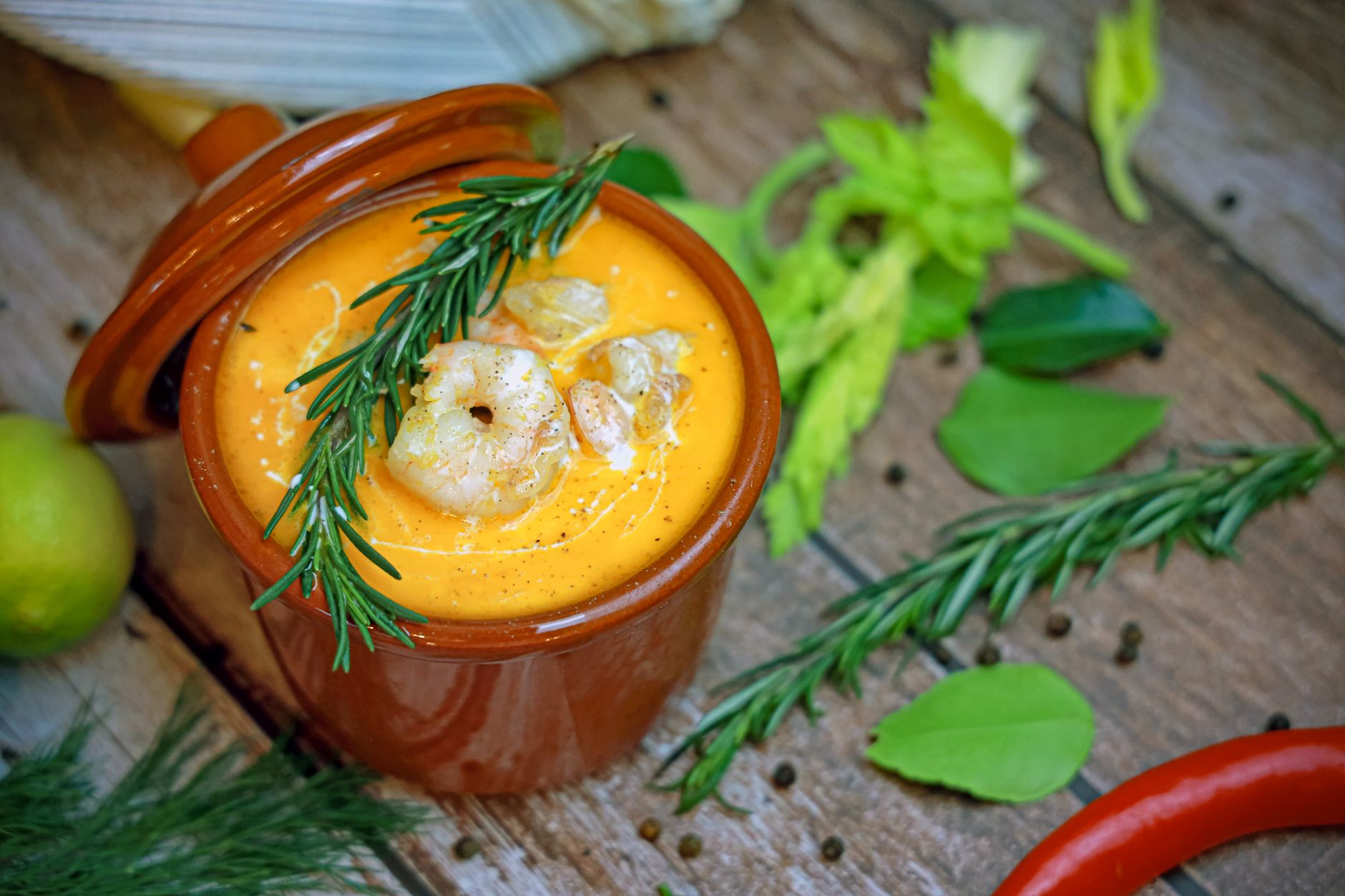
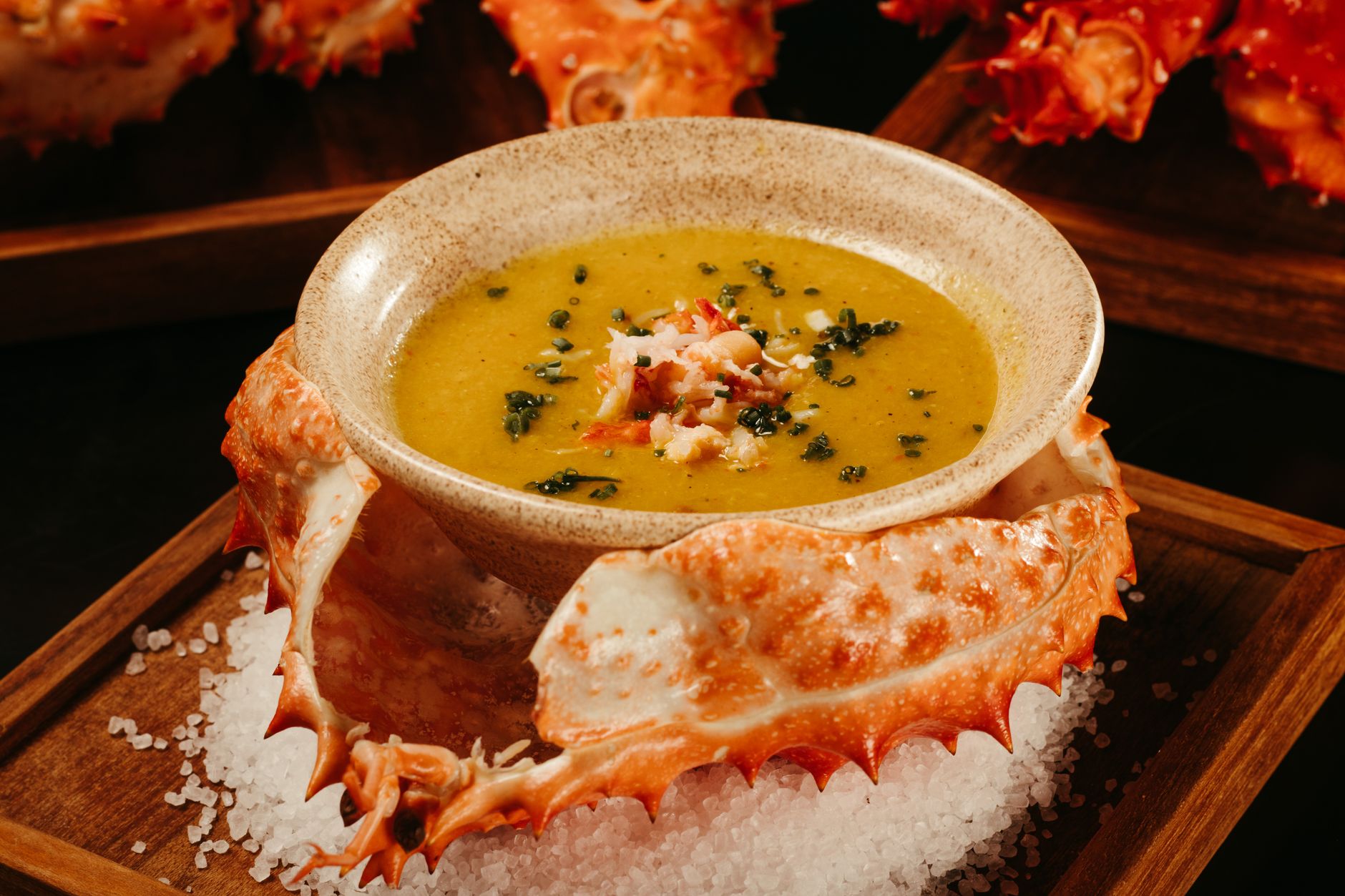
At its core, bisque is a creamy, smooth soup originating from French cuisine, traditionally made from crustaceans like lobster, crab, or shrimp. Unlike general soups, bisque is notable for its use of shellfish shells roasted and simmered to extract intense flavor.
Key Bisque Ingredients Seafood Base, Cream, and Seasoning Essentials
- Shellfish shells or meat (lobster, crab, shrimp)
- Heavy cream or coconut cream (Halal alternatives)
- Aromatics: onion, celery, carrot, garlic
- Tomato paste for richness and color
- Seasonings like herbs, cayenne pepper, and white wine
The Role of Shellfish and Crustaceans in Bisque Ingredients
Shellfish provide a naturally flavorful base with notes that are tender and briny. The shells are roasted to caramelize and intensify taste, then slowly simmered, lending bisque its signature depth. For Halal diets, ensure shellfish sourcing complies with your certification standards.
How to Make Bisque Basic Steps and Tips
The preparation of bisque is often more intricate than general soup. First, roast the crustacean shells at medium-high heat for 20 minutes. Next, make a mirepoix of onions, celery, and carrots sauted in butter or oil for 8 minutes, then add the roasted shells, tomato paste, and seasoning.
Simmer the mixture with stock or water for at least 45 minutes. Strain to remove solids, blend until ultra-smooth, then slowly whisk in cream over low heat to achieve velvety texture without curdling.
Expert Insights on Achieving Bisques Signature Silky Texture
Blending bisque after straining is crucial. Use a high-powered blender or immersion blender to liquefy small shell fragments leftover from straining. Whisk cream gently at the end and avoid boiling once added to prevent curdling.
Cream Soup Recipes That Highlight Bisque Variations
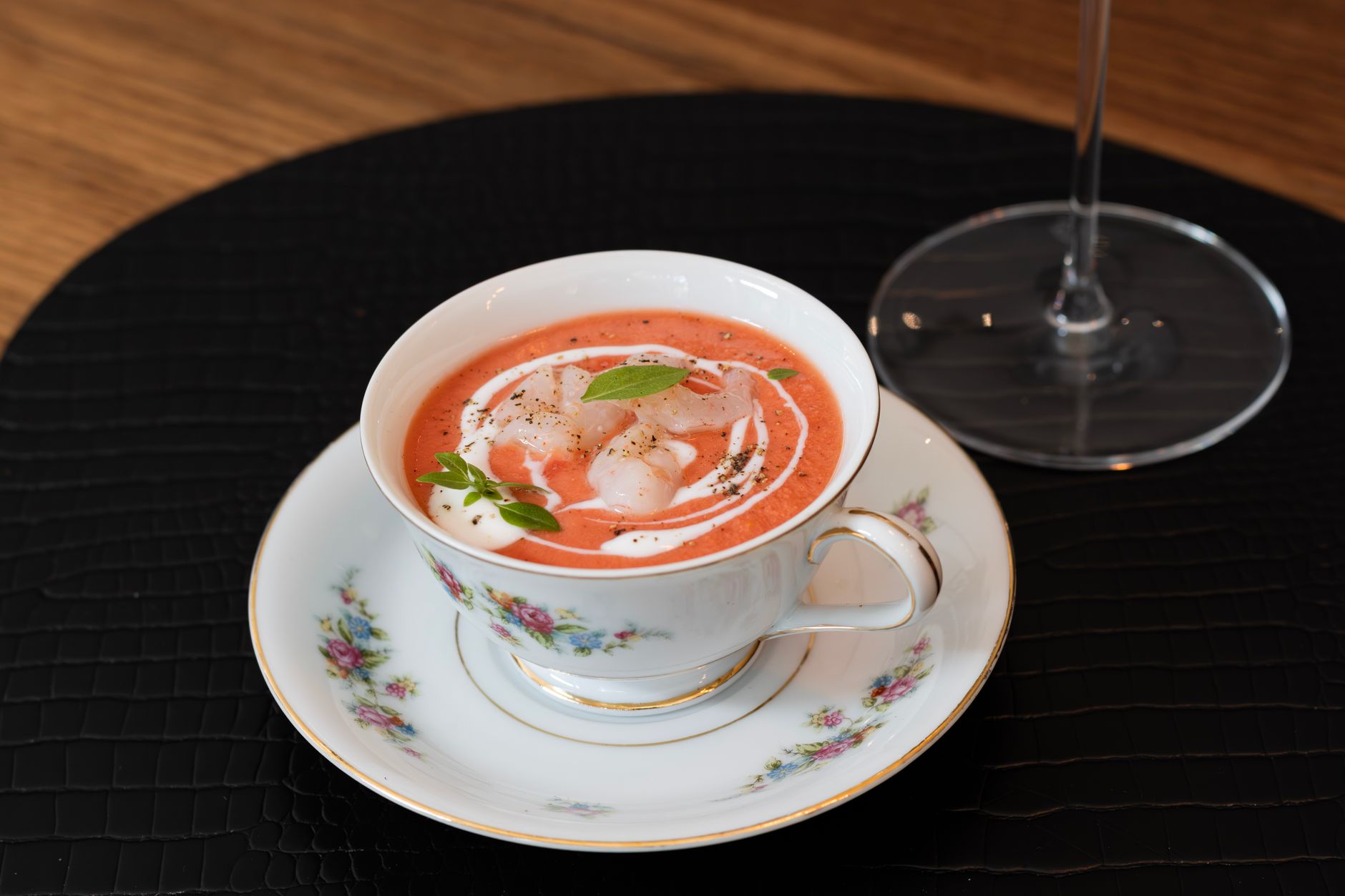
Popular bisques include lobster bisque, crab bisque, and shrimp bisque, each varying slightly based on the seafood used. Halal alternatives may substitute cream with coconut milk for a dairy-free option without compromising richness.
Bisque vs Soup Core Differences Explained
Ingredients Comparison: Bisque Ingredients vs General Soup Ingredients
While soups can include a wide array of produce, meats, and grains, bisque centers around shellfish stock and cream. Soups are often broth-based, lighter, and varied in protein sourcesranging from chicken to lentils. Bisques hallmark is the heavy use of crustacean shells for flavor enriched by dairy or cream substitutes.
Preparation Methods: How Bisques Come Together Uniquely
Traditional Bisque Assembly Process Roasting, Simmering, Blending
Bisques require roasting crustacean shells to develop caramelized flavor, simmering them in stock for prolonged periods, and then pureeing to a smooth consistency. It often involves straining multiple times to avoid gritty textures.
Soup Cooking Methods Simmering, Boiling, Slow Cooking Options
Soups rely on simmering or boiling ingredients together until tender. Some soups, like stews, might require slow cooking for hours, while others just cook for 30 minutes or less. Generally, soups do not involve blending shellfish shells or adding heavy cream, except for cream soups.
Texture and Taste Profile Differences
Bisque delivers a silky, luxurious mouthfeel with rich, deep seafood flavors. Soups textures vary broadlyfrom thin broths to chunky vegetable chunks. Taste-wise, bisque is more refined and concentrated; soups offer casual diversity in flavor.
Presentation and Serving: When to Serve Bisque Versus Soup
Bisque is often served as an elegant starter at formal meals or special occasions. Soups fill everyday mealtime gaps, from light lunches to warming suppers. Bisques typically appear in smaller portions due to richness and cost.
Types of Soup Compared to Bisque Varieties
Popular Types of Soup
- Consomm: Clear, refined broth made by clarifying stock.
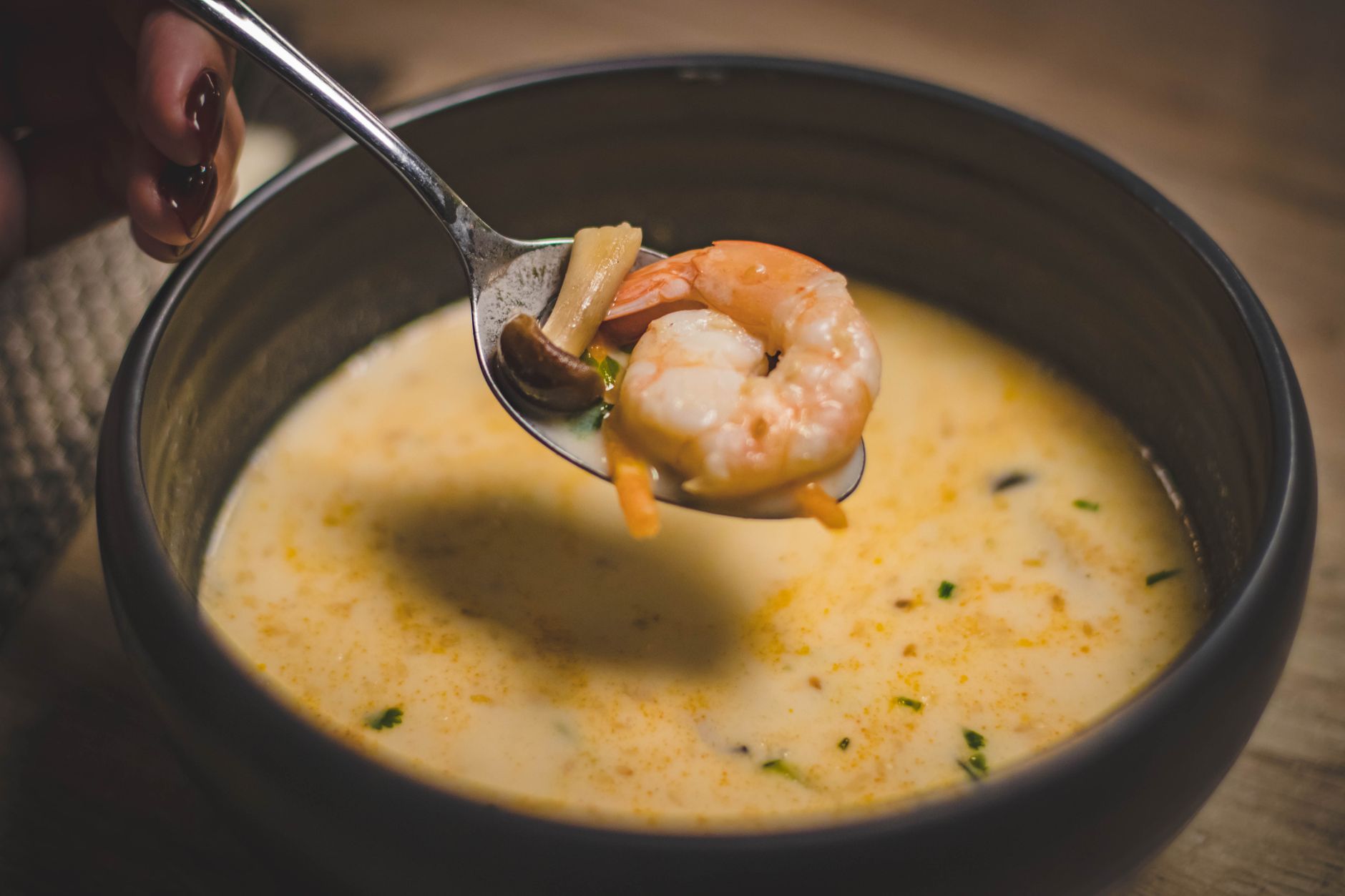
- Chowder: Thick, chunky soup often with potatoes and seafood or corn.
- Puree: Smooth, thick soups made from blended vegetables or legumes.
Popular Bisque Types
- Lobster Bisque: Classic, shellfish-forward, rich and creamy.
- Crab Bisque: Slightly sweeter, mildly seasoned, often lighter in color.
- Shrimp Bisque: Typically with a spicier, zestier profile.
Nutritional Considerations: Cream Soups Versus Lighter Broths
Cream-based bisques are higher in calories and fat due to dairy contentapproximately 250-350 calories per serving depending on ingredients. Broth-based soups tend to be lower calorie and more hydrating. For Halal diets, ensure cream or alternatives meet certification, such as JAKIM or IFANCA logos, ensuring no gelatin or non-Halal enzymes used.
Benefits and Risks of Bisque vs Soup
Nutritional Benefits of Bisque and Soup Pros and Cons
Bisque offers a protein-rich meal option packed with minerals like iodine from seafood. Its creamy texture can help with satiety. Soups, especially vegetable-based, provide fiber, vitamins, and hydration. However, heavy cream in bisque adds saturated fat, so moderation is key.
Dietary Considerations
Those with shellfish allergies should avoid bisque. Cream content can affect lactose-intolerant individuals unless a dairy-free cream is used. Soups are more adaptable for various diets, including vegan and gluten-free.
How to Choose Between Bisque and Soup for Different Health Goals
For weight-conscious diets, broth-based soups are better. Bisques suit those seeking indulgence with balanced protein. If managing sodium or allergies, homemade options with control on ingredients are safest.
Potential Challenges in Making Bisque or Soup for Beginners
Bisque requires skill in roasting shells and blending to avoid graininess. Soups are generally straightforward but still demand attention to ingredient quality and seasoning for best taste.
Is bisque always creamy?
Yes, by definition, bisque is a smooth and creamy soup. The creaminess usually comes from cream or dairy substitutes blended into the stock. Some newer variations may blend in vegetables or coconut milk, but the silky texture remains consistent.
Can you make bisque without seafood?
Traditional bisque relies on shellfish, but you can create vegetable bisques that mimic the creamy texture and richness using roasted vegetables and cream substitutes. However, these are technically creamy soups rather than authentic bisques.
How long does bisque keep compared to soup?
Bisque should be refrigerated and consumed within 34 days due to dairy and seafood ingredients, which spoil faster. Soups, depending on ingredients, may last 47 days refrigerated or freeze well for up to 3 months.
What are easy bisque or cream soup recipes for home cooks?
Simple recipes include shrimp bisque with canned broth and store-bought shells, or tomato bisque using canned tomatoes and cream. Recipes that use fewer steps but maintain key roasting and blending techniques yield delicious results without overwhelm.
Is bisque suitable for Halal diets?
Bisques containing shellfish can be halal if the seafood source is compliant and certified by recognized bodies like JAKIM or HMC. Always check certification logos and ingredient labels to confirm. Cream and broth should also meet Halal standards.
Can soup be a complete meal?
Many soups combine proteins, carbohydrates, and vegetables, making them nutritionally balanced. For example, lentil soup or chicken vegetable soup can serve as full meals, especially when paired with halal bread or rice.
Are bisques more expensive than soups?
Typically, yes. Bisques use premium ingredients like lobster shells and cream, which increase cost. Soups can be budget-friendly, using affordable seasonal vegetables and broths.
Pro Tips for Making Bisque and Soup
- Roast shells and bones properly: Over-roasting causes bitterness, under-roasting limits flavor. Aim for golden brown color.
- Use fresh Halal-certified ingredients: This ensures both food safety and religious compliance.
- Strain bisque multiple times: For ultra-smooth texture, pass through fine mesh or cheesecloth.
- Control cream temperature: Add cream when the soup is warm, not boiling, to avoid curdling.
- Adjust salt near the end: Soups and bisques reduce as they cook, concentrating saltiness.
More You Might Like
- Discover savory meat pie recipes that complement your Halal-bisque dinners.
- Explore effortless and tender rotisserie chickens as protein options alongside classic soups.
Conclusion
Bisque vs soup might seem like small distinctions, but knowing their unique ingredients, preparation, texture, and Halal considerations enhances your culinary appreciation. Bisque offers a refined, creamy option rooted in seafood, while soups provide versatile, healthful choices for daily meals. Next time you shop or cook, check labels carefully and try making a bisque to enjoy its rich flavor firsthand. Share your experiences or recipes in the comments we would love to hear from you.
FAQs
Is bisque vs soup actually Halal — what should I check on the label?
Bisque can be Halal if the seafood and all ingredients, including cream and broth, are certified by recognized bodies like JAKIM or HMC. Always look for official Halal certification logos on labels and verify no non-Halal additives or enzymes are included.
When is the best time to eat or drink bisque vs soup?
Bisque is ideal for elegant starters or special occasions due to its richness, while soup is versatile for daily meals like lunches or dinners, offering a comforting and nutritious option any time.
How long does bisque keep compared to soup after opening?
Bisque typically lasts 3 to 4 days refrigerated because of its seafood and cream content. Soups can last 4 to 7 days refrigerated or be frozen for longer storage, depending on ingredients.
What is the main difference between bisque and cream soup?
Bisque specifically uses roasted crustacean shells and seafood stock as a base with cream for richness, while cream soups use dairy or cream added to vegetable or meat stock without shellfish preparation.
Where can I buy halal-certified bisque and soups?
Halal-certified bisques and soups are available at specialty grocery stores, halal markets, or online retailers. Always check for proper Halal certification labels and ingredient lists to ensure compliance.