You see them side by side on the menu. Both are golden, wrapped, and packed with filling. But spring rolls vs egg rolls are not the same dish. The wrapper, the cooking method, and the flavor you get in every bite set them apart. Knowing what makes each unique helps you order with confidence and choose exactly what you are craving.
What Are Spring Rolls?
What ingredients make up spring rolls?
The filling inside spring rolls vs egg rolls starts with very different building blocks. Spring roll wrappers are made from wheat flour and water. They are thin, translucent, and stretchy. When fried, they turn delicate and shatteringly crisp. When left fresh, they stay soft and chewy.
Traditional spring roll fillings lean toward vegetables and herbs. Shredded cabbage, carrots, bean sprouts, and mushrooms appear often. Fresh herbs like mint, cilantro, and Thai basil add brightness. Some versions include shrimp or lean pork, but the vegetable-to-protein ratio stays high.
How are spring rolls made?
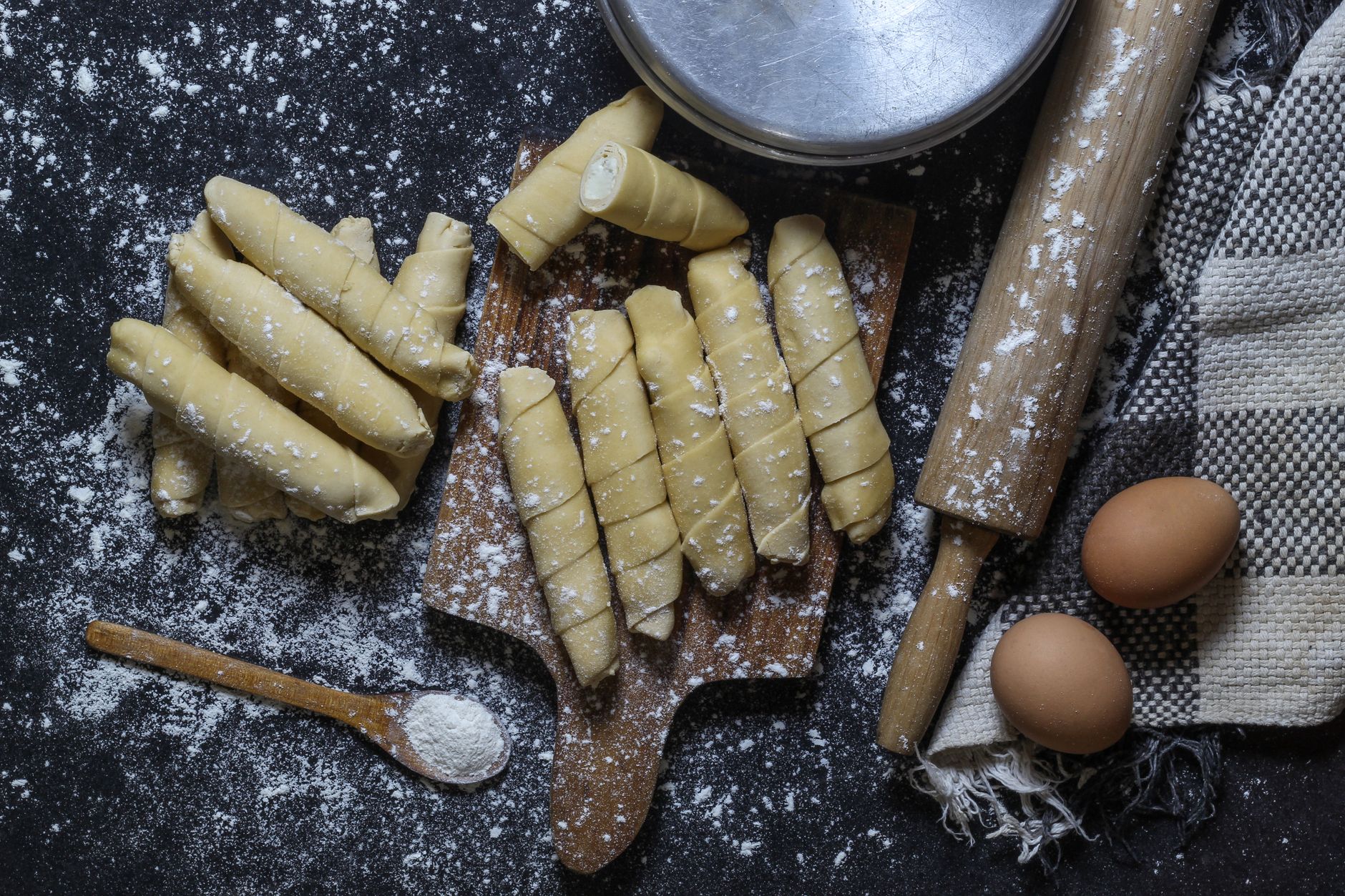
Spring rolls come in two main forms: fresh and fried. Fresh spring rolls are wrapped in rice paper that has been softened in warm water for about 15 seconds. The filling goes in raw or lightly blanched. No cooking happens after wrapping. Fried spring rolls use the wheat-flour wrapper and are cooked in oil at 350F for roughly 3 to 4 minutes, until the surface turns pale gold and blistered.
The key technique lies in rolling tight enough to keep the filling secure but loose enough so the wrapper does not tear. A snug roll with tucked edges prevents oil from seeping inside during frying.
What do spring rolls taste like?
Spring rolls taste light and fresh. The wrapper adds a subtle chewiness when fresh or a delicate crunch when fried. The filling stays vibrant, with each vegetable and herb keeping its own texture. You taste the ingredients clearly rather than a heavy seasoning blend. Dipping sauces like sweet chili, hoisin-peanut, or nuoc cham lift the flavor without overwhelming it.
What Are Egg Rolls?
What ingredients are common in egg rolls?
Egg roll wrappers contain wheat flour, water, and eggs. That extra ingredient changes everything. The wrapper is thicker, denser, and more opaque than a spring roll wrapper. It has a rich, golden color and a noticeable chew even before frying.
The filling inside an egg roll is heavier. Ground pork or chicken, shredded cabbage, shredded carrots, and chopped onions form the base. Seasonings like soy sauce, garlic powder, ginger, and white pepper give it a savory, umami-forward profile. Some recipes add cream cheese or bean paste for extra richness.

How are egg rolls made?
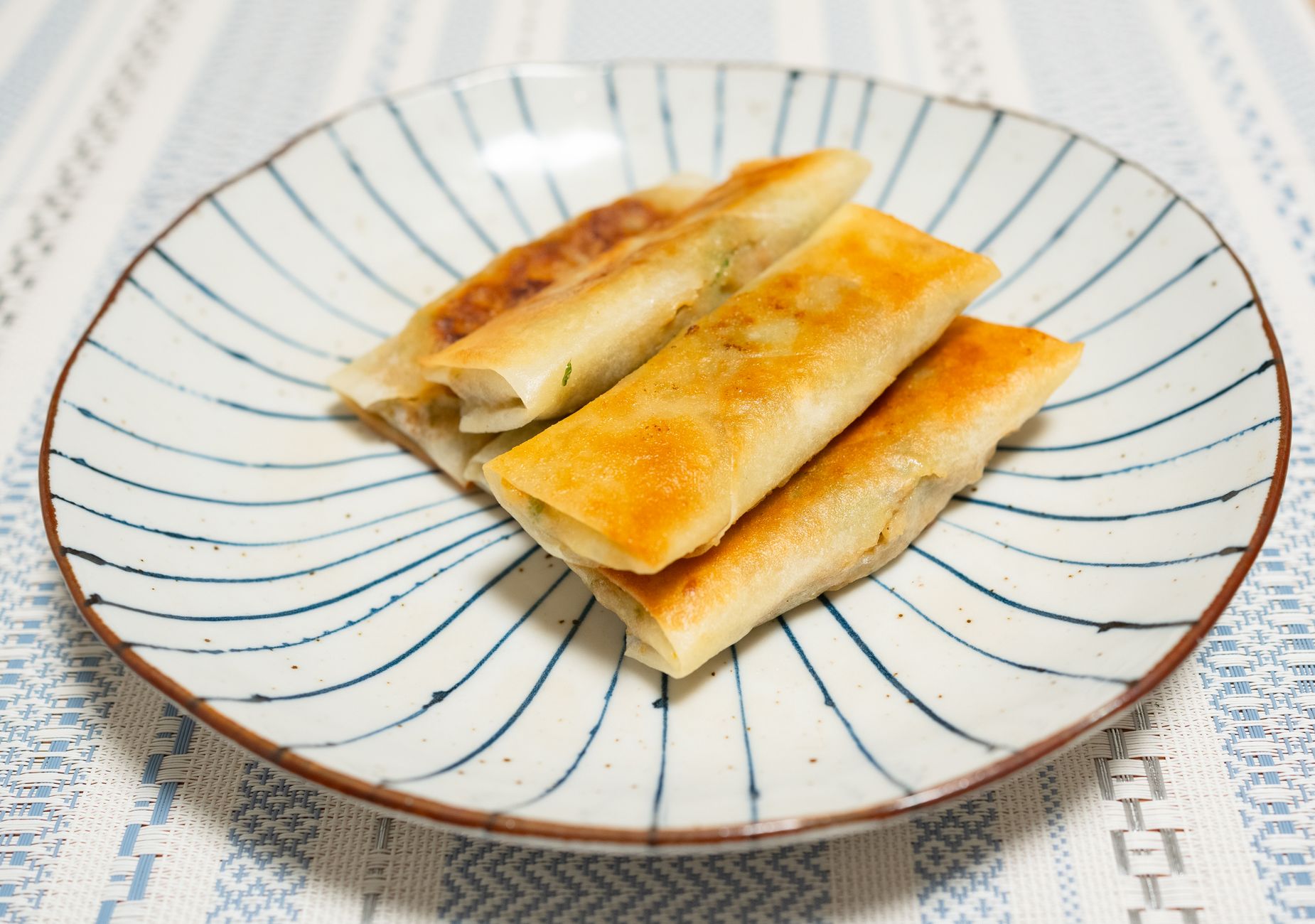
Egg rolls are almost always deep-fried. The filled wrapper is sealed with a water-and-flour paste, then fried at 350F for 5 to 7 minutes. The thicker wrapper needs more time to cook through and develop that signature crunchy, bubbled crust. Some home cooks use an air fryer set at 375F for 10 to 12 minutes, turning once halfway.
The filling is typically fully cooked before wrapping. That step ensures the meat is safe and the vegetables are tender when the wrapper finishes frying.
What do egg rolls taste like?
Egg rolls taste hearty and satisfying. The wrapper delivers a loud, crunchy bite with a doughy interior. The filling is savory, salty, and dense. Each mouthful feels substantial. The flavor profile leans toward comfort food rather than fresh appetizer. Duck sauce, sweet-and-sour sauce, or hot mustard are the classic pairings.
Spring Rolls vs Egg Rolls: Key Differences
Difference in ingredients between spring rolls and egg rolls
| Feature | Spring Rolls | Egg Rolls |
|---|---|---|
| Wrapper base | Wheat flour and water | Wheat flour, water, and eggs |
| Wrapper thickness | Thin, translucent | Thick, opaque |
| Typical filling | Vegetables, herbs, light protein | Ground meat, cabbage, heavy seasoning |
| Dipping sauces | Sweet chili, hoisin-peanut, nuoc cham | Duck sauce, sweet-and-sour, hot mustard |
Difference in cooking methods
Spring rolls can be served fresh or fried. Egg rolls are almost always fried. The cooking time for fried spring rolls is shorter because the wrapper is thinner. Egg rolls require a longer fry time to fully cook the dense wrapper. The oil temperature for both is around 350F, but the duration differs by about 2 to 3 minutes.
Difference in taste
Spring rolls taste delicate and herbaceous. The wrapper contributes a light crunch or a soft chew depending on the style. Egg rolls taste rich and savory. The wrapper is crunchy and doughy, and the filling is bold and meaty. The texture contrast is more pronounced in egg rolls because of the thicker shell.
Common misconceptions about spring rolls vs egg rolls
Many people believe the only difference is the wrapper. In reality, the filling, seasoning, cooking method, and serving style all differ. Another misconception is that spring rolls are always fresh. Fried spring rolls are common in many Asian cuisines, especially in Chinese and Thai cooking. People also assume egg rolls are healthier because they contain vegetables, but the thicker fried wrapper and heavier filling often mean more calories and fat per serving.
Benefits and Considerations for Spring Rolls and Egg Rolls
Nutritional comparison: Which is healthier?
Fresh spring rolls are the lightest option. A single fresh spring roll contains around 80 to 100 calories and about 2 grams of fat. Fried spring rolls bump up to 150 to 180 calories and 8 to 10 grams of fat per roll. Egg rolls are the heaviest, averaging 180 to 220 calories and 10 to 14 grams of fat per roll, depending on the filling and frying method.
Sodium levels also vary. Egg roll fillings often include soy sauce and seasonings that push sodium to 400 to 500 milligrams per roll. Spring rolls, especially fresh ones, stay below 200 milligrams per serving when served with a light dipping sauce.
How dietary preferences affect choice
If you follow a Halal diet, check both the wrapper and the filling. Some spring roll wrappers and egg roll wrappers are Halal-certified, but not all brands carry certification. Look for logos from JAKIM, HMC, or IFANCA on the package. The filling matters even more. Pork is common in egg rolls, so you need to verify the protein source. Halal-certified chicken or beef egg rolls are available from specialty brands. If you need to reheat tamales or other prepped foods, the same label-checking habit applies to all packaged appetizers.
Balancing taste and health
You do not have to choose one over the other every time. Fresh spring rolls work well as a light lunch or starter. Egg rolls fit a hearty dinner or party spread. If you want a middle ground, try baked or air-fried spring rolls using a light oil spray. That method cuts fat by about 40 percent compared with deep-frying while keeping a satisfying texture.
How to Choose Between Spring Rolls and Egg Rolls
What occasions suit spring rolls vs egg rolls?
Spring rolls suit warm weather, casual gatherings, and meals where you want something bright and refreshing. They pair well with salads, grilled meats, and cold noodle dishes. Egg rolls fit colder months, game-day spreads, and comfort-food dinners. They hold up well on a buffet table and stay crunchy longer than spring rolls once fried.
Pairing tips: dipping sauces and drinks
Spring rolls taste best with sweet chili sauce, hoisin-peanut dip, or nuoc cham made from lime juice, fish sauce, sugar, garlic, and chili. Egg rolls pair with duck sauce, hot mustard, or a simple sweet-and-sour blend. For drinks, spring rolls go well with light lagers, iced green tea, or a crisp Sauvignon Blanc. Egg rolls match well with amber ales, ginger beer, or a fruity Riesling.
Where to buy or find the best options
Asian grocery stores carry the widest selection of wrappers and frozen rolls. Look for wrappers labeled spring roll skins or egg roll skins. Many stores now carry Halal-certified frozen spring rolls and egg rolls from brands like Yari or Tofu King. If you shop at warehouse clubs, check the frozen appetizer section. Some Costco frozen breakfast options include similar wrapped items, but for spring rolls and egg rolls, the best selection comes from a dedicated Asian grocer or a Halal specialty market.
When is the best time to eat spring rolls vs egg rolls?
Spring rolls work as a light lunch, appetizer, or snack any time of day. Egg rolls feel more appropriate for dinner or as a party appetizer. The heavier texture and richer flavor make them better suited to a main meal or a shared platter rather than a quick bite.
Are spring rolls and egg rolls Halal-certified?
Not all are. You need to check the packaging for a recognized Halal certification logo. Common certifying bodies include JAKIM (Malaysia), HMC (UK), IFANCA (USA), and MUIS (Singapore). The wrapper itself is usually fine, but the filling can contain pork, non-Halal meat, or alcohol-based extracts. Always read the ingredient list and look for a certification mark before purchasing.
Can you make spring rolls and egg rolls at home?
Yes, and homemade versions give you full control over ingredients and Halal compliance. Spring rolls are easier because the wrappers are thinner and more forgiving. Egg rolls require a bit more practice to seal properly and avoid bursting during frying. Both freeze well for up to three months if you freeze them before frying on a parchment-lined tray, then transfer to a sealed bag.
How long do spring rolls and egg rolls keep after cooking?
Cooked spring rolls last 2 to 3 days in the fridge when stored in a sealed container. Egg rolls last 3 to 4 days because the thicker wrapper holds up better. Reheat both in an oven at 350F for 8 to 10 minutes or in an air fryer at 360F for 4 to 5 minutes. Microwaving makes the wrapper soggy and is not recommended.
Which one is better for freezing: spring rolls or egg rolls?
Egg rolls freeze better because the thicker wrapper resists cracking and ice crystal damage. Uncooked egg rolls can stay frozen for up to three months. Fried egg rolls also freeze well and reheat with good crunch. Spring rolls, especially fresh ones, do not freeze as well. The rice paper wrapper becomes brittle and tears easily after thawing. Fried spring rolls can be frozen but lose some crispness.
What is the main difference in texture between spring rolls and egg rolls?
Spring roll wrappers are thin and delicate. When fried, they produce a fine, shattering crunch with no doughy interior. When fresh, they are soft and slightly chewy. Egg roll wrappers are thick and dense. They create a loud, crunchy shell with a soft, doughy layer inside. The texture difference is the most noticeable distinction between the two.
Can you substitute spring roll wrappers for egg roll wrappers?
You can, but the result will be different. A spring roll wrapper will produce a thinner, more delicate roll that fries faster and holds less filling. If you only have spring roll wrappers, reduce the filling amount by about one-third and shorten the fry time by 1 to 2 minutes. The texture will be lighter and crispier, not doughy and crunchy like a traditional egg roll.
More You Might Like: If you enjoy learning about food differences, check out our breakdown of potsticker versus dumpling textures. For a deeper look at frozen appetizer options, read our ranking of the best frozen finger foods for parties.
The next time you spot both on a menu, you will know exactly what you are getting. Spring rolls vs egg rolls come down to the wrapper, the filling, and the cooking method. Spring rolls are light, fresh, and crisp. Egg rolls are hearty, savory, and crunchy. Choose based on your mood, check the label if you follow a Halal diet, and enjoy each bite with the right dipping sauce. Leave a comment below with your favorite filling combination or go-to brand.
FAQs
Is spring rolls vs egg rolls actually Halal — what should I check on the label?
Not all spring rolls and egg rolls are Halal. Check the packaging for a recognized Halal certification logo such as JAKIM, HMC, or IFANCA. The wrapper is usually fine, but the filling may contain pork, non-Halal meat, or alcohol-based extracts. Always read the ingredient list and look for a certification mark before purchasing.
How long do cooked spring rolls and egg rolls keep in the fridge?
Cooked spring rolls last 2 to 3 days in a sealed container in the fridge. Egg rolls last 3 to 4 days because the thicker wrapper holds up better. Reheat in an oven at 350°F for 8–10 minutes or in an air fryer at 360°F for 4–5 minutes to restore crunch. Microwaving is not recommended as it makes the wrapper soggy.
What is the main difference between spring roll and egg roll wrappers?
Spring roll wrappers are made from wheat flour and water, thin and translucent. Egg roll wrappers contain added eggs, making them thicker, denser, and opaque. This affects cooking time and texture – spring rolls are delicate and crisp, while egg rolls have a doughy, crunchy shell.
Are spring rolls and egg rolls safe to eat every day?
Eating them daily is not recommended due to high calorie and fat content, especially fried versions. Fresh spring rolls are lighter but still moderate. For a balanced diet, enjoy them occasionally as part of a varied meal plan. Always choose Halal-certified options if required and watch sodium levels.
Where can I buy Halal spring rolls and egg rolls?
Asian grocery stores offer the widest selection of wrappers and frozen rolls with Halal certification from brands like Yari or Tofu King. Warehouse clubs may have frozen options, but dedicated Asian grocers or Halal specialty markets are best. You can also make them at home for full control over ingredients.