If youve ever browsed steak options, you might have noticed the Kansas City strip steak and wondered what makes it special. Many steak lovers get confused between this cut and the New York strip steaktotally normal! The Kansas City strip steak typically features a bone, a thicker cut, and extra fat that brings a richer flavor to the plate. Here, youll discover the unique traits of this cut, how it compares to the New York strip, plus practical tips for buying, cooking, and enjoying it.
Cut Differences Explained
What exactly is a Kansas City strip steak?
The Kansas City strip steak comes from the short loin part of the cow, just like the New York strip. What sets it apart is that its usually a bone-in cut, with the bone left on or only partially trimmed. The bone adds weight and subtly influences flavor during cooking.
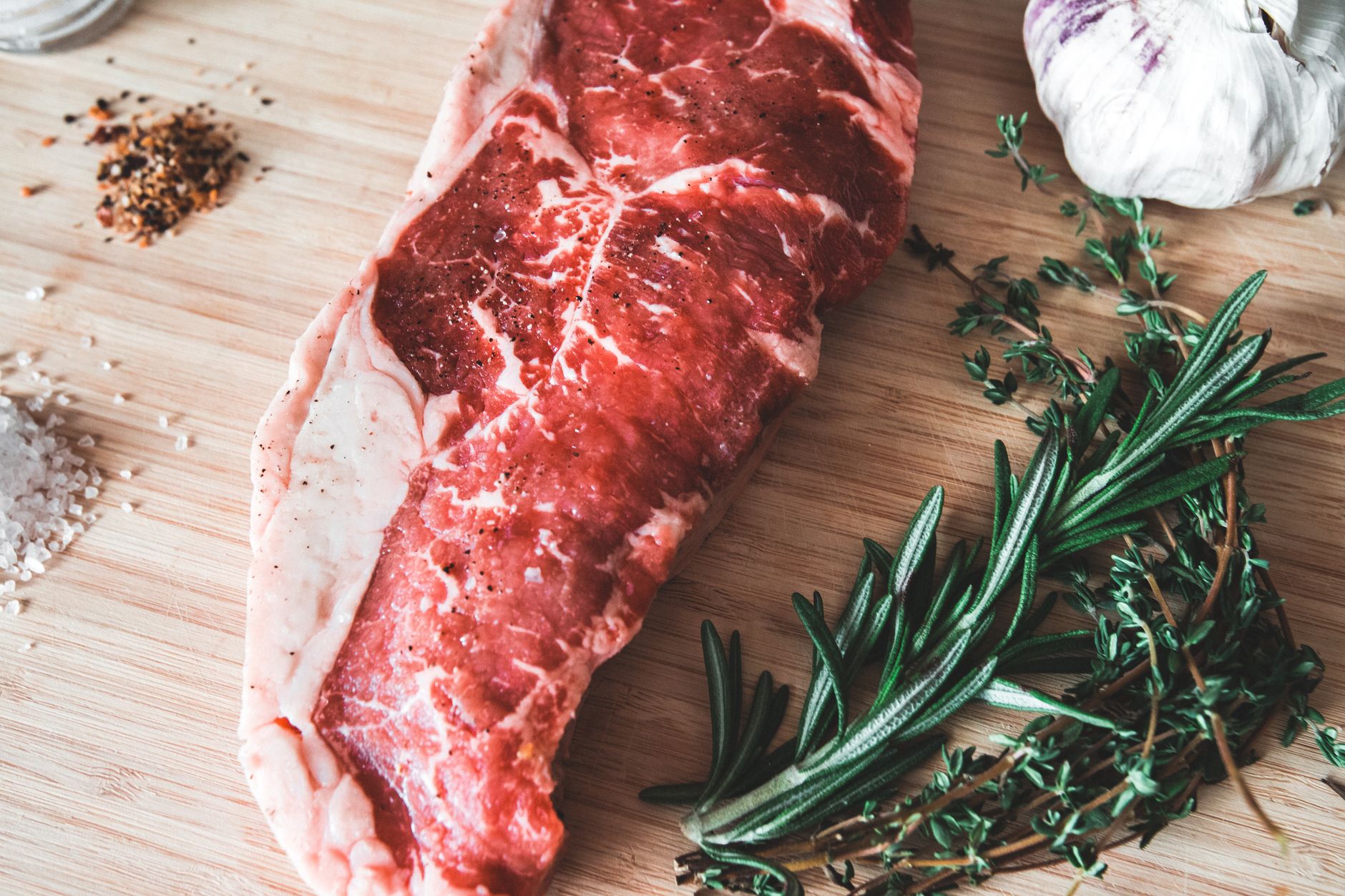
Compared to the boneless New York strip, the Kansas City strip generally has more visible marblingthose thin ribbons of fat within the muscle. This fat melts during cooking, keeping the meat juicy, tender, and flavorful. Thickness can vary, but its often cut about 1 to 1.5 inches thick making it perfect for grilling or broiling.
With that extra fat and the bone, you get a steak that feels a bit heartier. If you appreciate a juicy, rich experience and dont mind a bit more fat, this one often wins you over.
What defines a New York strip steak?
The New York strip steak also comes from the short loin but is distinctively boneless. It tends to be leaner with less external fat around the edges and a slightly firmer texture. Because its trimmed more aggressively, many find it cleaner and easier to cook evenly.
Its flavor is rich but can feel a bit lighter compared to the Kansas City strip. This cut is popular for those who want a traditional, steakhouse-quality piece without extra fat or bone to manage during cooking.
How are Kansas City and New York strip steaks butchered differently?
Butchering is a key factor in the differences between these steaks. The Kansas City strip is often described as a bone-in strip steak or a club steak depending on how much bone remains. Butchers leave a strip of bone on one side, which helps with juiciness and flavor during cooking.
On the other hand, the New York strip is carefully trimmed and entirely boneless. This makes it easier and more consistent to grill or pan-sear, especially for home cooks or restaurants aiming for quick service.
The bone and fat removal also influence texture and taste. The bones porous nature can slightly infuse the meat around it with collagen and rich flavor when cooked slowly, while leaner, boneless strips cook faster with a firmer bite.
Flavor and Cooking Keys
How does the bone in Kansas City strip steak influence flavor?
Theres a reason chefs talk about flavor from the bone. The Kansas City strip steaks bone adds depth and complexity while cooking. As heat reaches the bone during grilling or roasting, it helps distribute warmth evenly, preventing drying out. It also releases gelatin and minerals that subtly enrich the steaks taste.
Many find the flavor deeper and more savory, often described as meatier. If youve tried a Kansas City strip at a steakhouse, that bold flavor likely came from the bone-in nature of the cut. Still skeptical? Try a bone-in vs. boneless side-by-side for yourselfyoull notice the difference.
Is the extra fat in Kansas City strip steak a game changer?
Fat is flavor. The Kansas City strip tends to have more marbling and a fat cap compared to the New York strip. This means the meat stays juicy longer and offers a buttery richness that beef lovers crave.
Of course, higher fat means higher calories and saturated fat content. According to the USDA FoodData Central, a 3-ounce serving of strip steak with visible fat may contain around 8-10 grams of fat, while leaner cuts drop closer to 6 grams. For those watching intake, trimming the fat edge before or after cooking is an option that keeps flavor but reduces some fat.
When cooking, fat also helps prevent steak from over-drying, especially on high heat methods like grilling or pan-searing. It renders down and crisps nicely, adding texture variety that heightens enjoyment.
What cooking techniques work best for each cut?
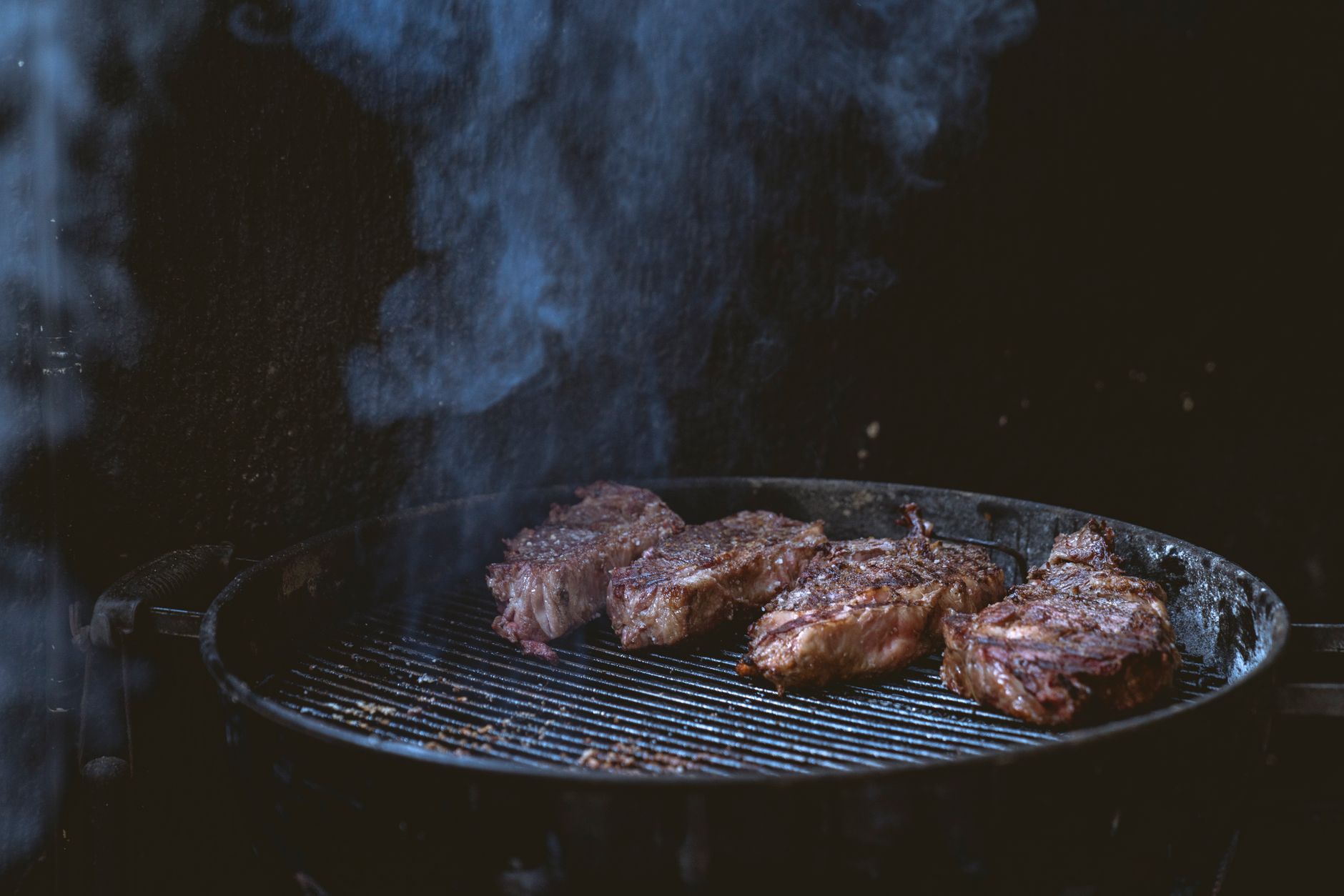
The Kansas City strip steak shines on the grill or under a broiler. Its thickness and fat handle high-heat cooking well, developing a flavorful crust while keeping the inside tender and juicy. Pan-searing in a cast-iron skillet followed by oven finishing also works beautifully, especially with bone-in steaks that need gentler, even heat.
The New York strip steak cooks slightly faster due to its leaner nature and lack of bone. It excels with quick searing, grilling, or sous vide for precise doneness. If you prefer your steak rare to medium rare, this boneless cut is ideal as its easier to judge and cook evenly.
Chefs recommend resting both cuts 510 minutes after cooking to let juices redistribute. Season generously with kosher salt and freshly cracked black pepper. Optional: add a brush of butter infused with garlic and herbs for luxury.
| Attribute | Kansas City Strip Steak | New York Strip Steak |
|---|---|---|
| Bone Presence | Usually bone-in | Boneless |
| Fat Content | Higher marbling & fat cap | Leaner, trimmed fat |
| Tenderness | Juicy, rich, slightly softer | Firm but tender |
| Flavor Profile | Bold, meaty, buttery from fat & bone | Clean, beefy, lighter |
| Ideal Cooking | Grilling, broiling, oven finishing | Pan-sear, grill, sous vide |
Variations and Buying Tips
What is a bone-in strip steak really? Is it the same as Kansas City strip?
The terms Kansas City strip steak and bone-in strip steak are often used interchangeably, but regional differences may apply. Some places call the bone-in cut a club steak or shell steak. The key is the presence of the bone along the short loin muscle.
Where you shop also affects naming conventions. For example, many steakhouses and butchers in Kansas City popularized the term to distinguish it clearly from the boneless New York strip. However, in other regions, whats called bone-in strip may have subtle trimming differences.
How does Kansas City strip compare to other popular strip steaks?
Compared to a Delmonico or shell steak, the Kansas City strip retains a firmer texture and classic flavor profile. Delmonico steaks can come from various parts of the rib or short loin, often thicker and more marbled but less consistent.
The Kansas City strip stands out for those wanting a steak with bone-in richness but manageable size and fat content. Its classic shape provides familiarity for steak lovers balancing taste and texture.
Best places to buy Kansas City strip steak
- Trusted halal butchers offering traceable, certified cuts ensure quality and safety.
- Reputable online meat suppliers with Halal certification logos like JAKIM, HMC, or IFANCA.
- Specialty grocery chains with transparent sourcing and clear labeling.
Look for fresh cuts with bright red color, firm texture, and a clean, rich marbling pattern. Avoid steaks with brown edges or excessive wetness.
Health and Practical Considerations
Health benefits and nutritional facts
Kansas City strip steak is a rich source of high-quality protein, B vitamins, iron, and zincall vital for energy, muscle repair, and immune function. A 3-ounce serving generally contains about 20-23 grams of protein.
Due to its higher fat content, this steak has more calories than leaner cuts. Saturated fat levels range from 3 to 5 grams per serving, so moderation is key if you watch cholesterol or heart health. Halal certification ensures the meat is prepared following Islamic dietary laws, typically with strict slaughtering standards enhancing quality and ethical sourcing.
Considerations when choosing or cooking Kansas City strip steak
Because of the fat and bone, theres slightly more prep involved. If you prefer less fat, trim the edges before cooking. Overcooking can render fat unpleasantly chewy or grease-heavy. Aim for medium-rare to medium doneness to maximize juiciness.
Use a meat thermometer: 130135F for medium-rare, 140145F for medium. Rest your steak under foil for 57 minutes to let juices settle and carryover cooking to finish.
For safe consumption and storage, refrigerate fresh steak promptly. Leftovers keep well for 35 days sealed tightly. For more meat safety tips, especially after cooking, check advice on Cooked chicken safety.
When to choose Kansas City strip steak over New York strip steak
Choose Kansas City strip steak if you want a steak with bold flavor, juicy fat, and a bit of chew from the bone. Its ideal for grilling sessions where richness is prized. If you prefer a leaner, easier-to-cook steak, opt for the New York strip.
Those who enjoy a balanced fat-to-meat ratio appreciate the Kansas City strips richer mouthfeel and satisfyingly fatty crust when grilled well.
Pro Tips for Buying and Cooking
- Best overlooked buying mistake: Avoid very thin cuts. These dry out quickly and lose the benefit of marbling and bone flavor.
- Why cheap versions disappoint: Low-priced steaks often come from lower quality or older animals, resulting in toughness and less flavor. Look for certification logos (JAKIM, HMC, IFANCA) to confirm Halal and quality.
- Expert tip: Dry-age your steak for 37 days at home (vacuum-sealed in the fridge) when possible. This concentrates flavor and tenderizes before cooking.
- Cooking tip: Sear steak on very high heat for 23 minutes per side, then lower heat or move to indirect grilling to finish gently.
More You Might Like
- Gyro meat is another delicious Halal-friendly protein option you might enjoy exploring if you like flavorful, easy-to-prepare meats.
- Learn all about Cooked chicken safety, a crucial topic for anyone consuming or storing cooked meats properly and avoiding foodborne risks.
Is Kansas City strip steak actually Halal what should I check?
Yes, it can be Halal if sourced from certified suppliers. Check the packaging or butcher for certification logos such as JAKIM (Malaysia), HMC (Halal Monitoring Committee UK), or IFANCA (USA). These organizations ensure proper Islamic slaughtering and handling guidelines are followed, so the meat meets religious dietary standards.
When is the best time to eat Kansas City strip steak?
Kansas City strip steak works well as a main dish for lunch or dinner, especially when you want a satisfying, protein-rich meal. Its a great choice for special occasions or weekend grilling sessions when you have time to enjoy a well-prepared steak.
How do I store Kansas City strip steak properly?
Store fresh steak in the coldest part of your refrigerator (below 40F), ideally in its vacuum-sealed packaging. Use within 35 days. For longer storage, freeze tightly wrapped and use within 6 months. After cooking, refrigerate leftovers in airtight containers and consume within 3 days for best safety and flavor.
Can I cook Kansas City strip steak in the oven?
Yes, broiling or oven roasting after searing is an excellent way to get even cooking, especially with bone-in cuts. Sear first on medium-high heat, then transfer to a preheated 400F oven for about 58 minutes depending on thickness and desired doneness.
Does the bone make cooking time much longer?
The bone slightly increases cooking time because it conducts heat differently, but the difference is usually just a couple of minutes. Use a meat thermometer to check doneness rather than relying solely on time.
How do I avoid toughness in Kansas City strip steak?
Do not overcook beyond medium. Also, allow the steak to rest after cooking to keep it tender. Dry-aging or choosing steaks from well-marbled, younger animals helps. Avoid freezing and thawing multiple times, which can degrade texture.
Is trimming the fat necessary before cooking?
Not always. The fat layer adds flavor and moisture during cooking but can flare up on the grill. Trim excess fat if desired, especially if sensitive to richer cuts. Some prefer to remove fat after cooking for a cleaner bite.
What seasoning pairs best with Kansas City strip steak?
Simple is best. Coarse kosher salt and freshly cracked black pepper highlight the steaks natural flavors. Optional additions include garlic powder, smoked paprika, or fresh herbs like rosemary and thyme. Finish with butter infused with garlic or herbs after searing for extra richness.
Can Kansas City strip steak be used in recipes like stir-fries or stews?
This steak is best enjoyed as a whole cut grilled or pan-seared for its texture and flavor. For stir-fries or stews, leaner, tougher cuts like chuck are better suited because they cook longer and break down more effectively.
Are there halal brands known for high-quality Kansas City strip steak?
Look for brands and butchers with clear Halal certification and transparent sourcing. Some well-known suppliers provide quality traceability and follow strict Islamic slaughter practices, ensuring ethical, safe, and delicious meat.
FAQs
Is Kansas City strip steak actually Halal — what should I check on the label?
Kansas City strip steak can be Halal if sourced from certified suppliers. Check for certification logos like JAKIM, HMC, or IFANCA on packaging or from your butcher to ensure it meets Islamic dietary and slaughter standards.
How long does Kansas City strip steak last after opening?
Fresh Kansas City strip steak should be refrigerated and used within 3 to 5 days of opening. For longer storage, freeze it tightly wrapped and consume within 6 months for best quality.
What is the main difference between Kansas City strip steak and New York strip steak?
The Kansas City strip is usually bone-in with more marbling and fat, offering richer flavor, while the New York strip is boneless, leaner, and cooks slightly faster.
Is it safe to eat Kansas City strip steak every day?
While rich in protein and nutrients, Kansas City strip steak has higher fat and calories. Consuming it regularly is safe if balanced with a healthy diet and moderate portion sizes.
Where is the best place to buy high-quality Kansas City strip steak?
Look for trusted halal butchers, reputable specialty grocery stores, or certified online suppliers with Halal certification marks for quality and traceability.