Trader Joe‘s Peanut Butter Pretzels have long been a favorite snack for many, but recent changes around this product have raised questions. From rumored lawsuits to supplier switches, these tasty treats have stirred curiosity among fans who wonder if the quality and taste remain the same. If youve been wondering whats behind the headlines or whether this snack still fits your halal and health-conscious diet, this guide will walk you through everything you need to know.
Trader Joe‘s Lawsuit Details
What Happened with Trader Joe‘s Peanut Butter Pretzels?
The core of the controversy revolves around a lawsuit filed over potential mislabeling and allergen concerns related to Trader Joe‘s Peanut Butter Pretzels. The claim argued that certain ingredients were not properly disclosed, potentially misleading consumers especially those with peanut allergies or specific dietary necessities. The lawsuit spotlighted consumer trust and the transparency of packaged snack foods.
Legal experts explain that such lawsuits often push brands to enhance disclosure and product safety measures, but the negative publicity may affect customer confidence long term. Trader Joes responded by reviewing ingredient lists and issuing statements about product safety and labeling compliance.
Supplier Switch Impact
Why Did Trader Joes Change Their Pretzel Supplier?
Behind the scenes, Trader Joes swapped pretzel suppliers citing increased costs and availability challenges. Such changes can significantly impact product flavor and texture, as each supplier often has unique recipes, ingredient sources, and manufacturing processes. Food production analysts note this is common in the snack industry, but it can upset loyal customers who expect consistency.
Trader Joes aims to balance cost and quality but sometimes these shifts mean subtle differences in taste that you can notice immediately. Supply chain disruptions worldwide over the last few years also accelerated supplier re-evaluations for many brands.
Taste and Quality Changes
Trader Joe‘s Peanut Butter Pretzels Taste: Then vs. Now
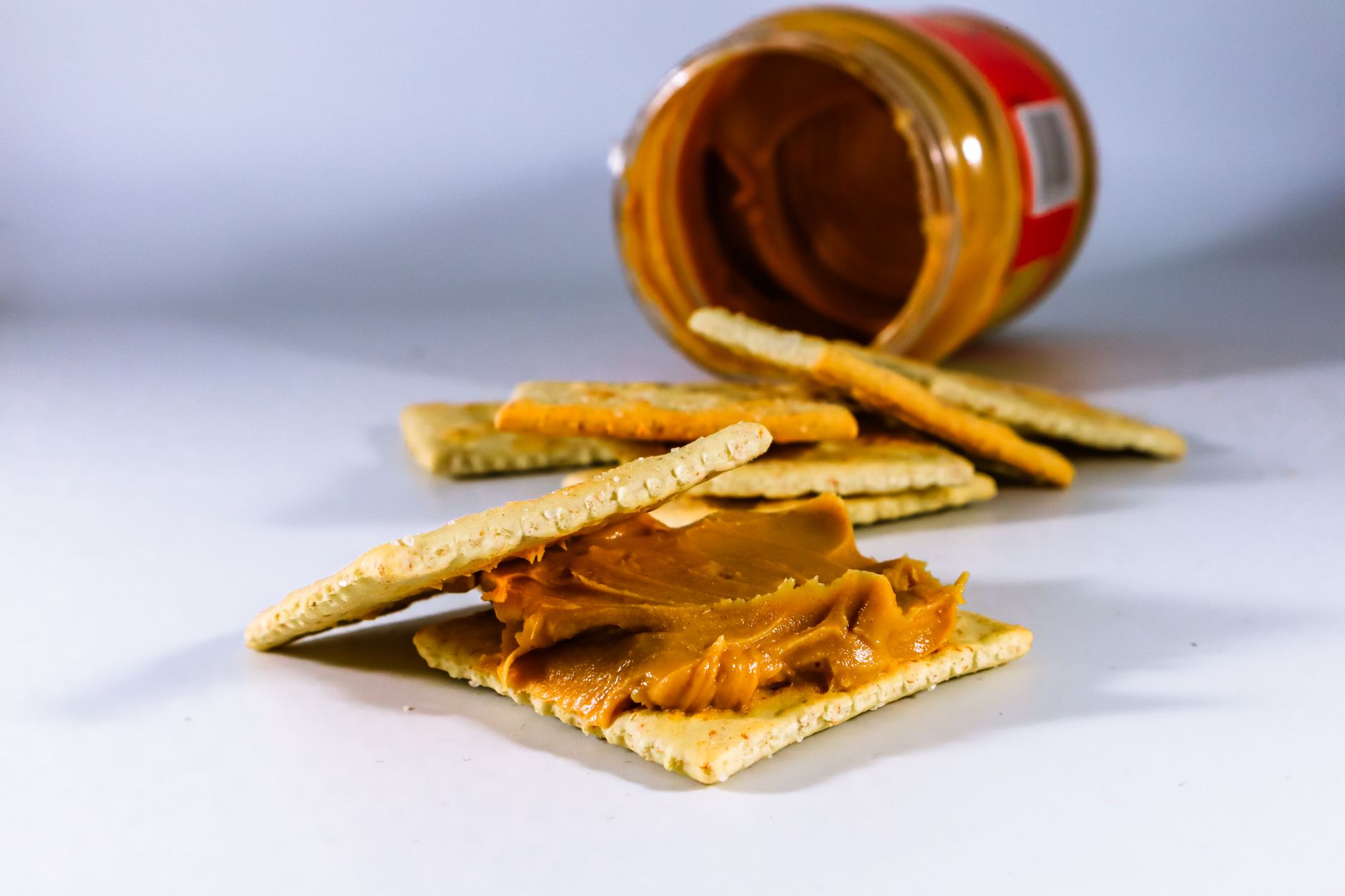
Longtime fans say the peanut butter filling feels less creamy and the pretzel crunch differs from earlier batches. Previously, the snack offered a rich, velvety peanut butter center that melted just right against the salty, crisp pretzel shell. Now, feedback suggests the filling is slightly drier with a milder peanut flavor.
Social media posts reveal mixed reactions: some still enjoy the snacks balance, while others miss that unmistakable Trader Joe‘s signature taste. Real customer reviews are a great way to gauge if your favorite has changed in quality or flavor recently.
Are There Quality Issues to Be Concerned About?
Aside from taste, questions about texture and freshness surfaced, but no official recalls or safety warnings followed the lawsuit. Ingredient labels still highlight standard allergens like peanuts and wheat. Quality control experts indicate that as long as you check packaging freshness dates and keep the snacks sealed, the pretzels maintain their typical 6-month shelf life.
Many health-conscious consumers watch sodium and sugar levels carefully. Trader Joe‘s Peanut Butter Pretzels contain approximately 140mg sodium and 5g sugar per serving, aligning with moderate snacking guidelines.
Controversy Spotlight
Understanding the Controversy Issues
The lawsuit primarily focused on labeling transparency and ingredient declaration accuracy. For consumers with allergies or dietary restrictions, missing or unclear allergen info can pose serious risks. Food labeling laws require clear notification of common allergens like peanuts, but packaging can sometimes be confusing or inconsistent.
Experts stress staying informed about food safety labels and knowing what certifications to look for, especially if Halal certification matters to you. In halal-certified countries or shops, logos from bodies like JAKIM or HMC assure compliance with dietary laws, a vital factor missing from many mass-market snacks.
How Trader Joes Responded
Trader Joes issued public statements affirming their commitment to clear labeling and safe products. They also reportedly reviewed supplier practices and ingredient sourcing to prevent further issues. However, transparency levels varied, leaving some consumers somewhat uncertain about future changes.
Buying Guide
What to Look For on the Label
When choosing Trader Joes Peanut Butter Pretzels, check these label details carefully:
- Ingredient order: Ingredients are listed by quantity weight peanut butter and pretzel flour should be prominent, not hidden behind fillers.
- Sodium and sugar: Keep sodium below 200mg per serving for healthier snacking and sugar under 6g to avoid blood sugar spikes.
- Certification logos: Look for halal certification symbols such as JAKIM or IFANCA if Halal compliance is a priority.
- Allergen warnings: Confirm clear presence of peanuts and wheat, as well as any risk of cross-contamination.
- Expiration date: The snack typically lasts 57 months unopened; pick the freshest available.
| Certification | Price Range | Common Formats | Shelf Life | Key Allergens |
|---|---|---|---|---|
| Halal (varies by region), Non-certified | $3 - $5 per 7 oz bag | Single bags, multi-packs | 6 months unopened, 57 days once opened if sealed | Peanuts, Wheat (gluten) |
Alternative Snack Suggestions
If youre cautious about the recent changes or want to diversify your snack options, consider these alternatives:
- Nut-filled pretzels from halal-certified producers
- Fruit snacks for a chewy, sweet option
- Little debbie snacks if you prefer classic baked treats
Buying Tips
Most Overlooked Buying Mistake
Many shoppers overlook checking the manufacturing date on packaging. Recently changed suppliers mean batches vary more than usual. Buying the freshest package can make a big difference in taste and crunch.
Why Cheap Versions Disappoint
Cheaper peanut butter pretzel snacks often use lower-quality peanuts or artificial flavorings. The rich, authentic peanut taste found in Trader Joes original pretzels is hard to replicate cheaply.
Expert Buying Tip
Store the snack in airtight containers at room temperature, away from heat or humidity. This helps maintain the fillings velvety texture and the pretzel crunch longer than original packaging after opening.
Is Trader Joe‘s Peanut Butter Pretzels actually Halal what should I check?
Trader Joes does not guarantee halal certification on all products. To ensure the peanut butter pretzels are halal, look for certification marks from reliable bodies such as JAKIM (Malaysia), HMC (USA), or IFANCA. Confirm that no alcohol-based ingredients or non-halal enzymes are present. Checking the label and vendor information is your best bet.
Whats the best way to store Trader Joes Peanut Butter Pretzels?
Keep the unopened bag in a cool, dry place and consume within 6 months. Once opened, store in an airtight container at room temperature, ideally below 25C (77F). This preserves the snacks freshness and prevents the peanut butter from drying out.
Are Trader Joes Peanut Butter Pretzels gluten-free?
No. These pretzels contain wheat flour, so they are not gluten-free. For gluten-sensitive consumers, seeking certified gluten-free peanut butter snacks is essential.
How many calories are in a serving?
A standard serving (about 30g) contains roughly 140 calories, with 7 grams of fat and 5 grams of sugar. Its a moderate calorie snack suitable for occasional indulgence within a balanced diet.
Can children eat Trader Joe‘s Peanut Butter Pretzels safely?
Yes, provided there are no peanut allergies. Because of the peanut butter filling, they should not be given to children with nut allergies. Always supervise young kids to avoid choking on crisp pretzels.
Are there natural or organic options available?
Trader Joes offers some organic nut products, but the Peanut Butter Pretzels are typically non-organic. For organic alternatives, look for specialty brands with clear organic certification logos.
Conclusion
Trader Joe‘s Peanut Butter Pretzels remain a popular snack, but recent supplier changes and a lawsuit have made many consumers cautious. By checking labels carefully for allergen information and halal certification, you can still enjoy this snack safely and mindfully. Whether you stick with these pretzels or explore alternatives, knowing what to look for helps you make informed, tasty choices. Next time you shop, take a closer look at the packaging and share your experienceyour insight might help other snack lovers too.
FAQs
Is Trader Joe's Peanut Butter Pretzels actually Halal — what should I check on the label?
Trader Joe’s Peanut Butter Pretzels do not have universal halal certification. To ensure they are halal, look for certification marks from reliable bodies such as JAKIM, HMC, or IFANCA and confirm no alcohol-based ingredients or non-halal enzymes are included.
What is the shelf life of Trader Joe’s Peanut Butter Pretzels after opening?
Once opened, store the pretzels in an airtight container at room temperature. They typically remain fresh for up to 57 days when sealed properly.
How do Trader Joe’s Peanut Butter Pretzels compare to similar peanut butter pretzel snacks?
Trader Joe’s offers a richer, creamier peanut butter filling and a crisp pretzel shell compared to many cheaper alternatives, which often use lower-quality peanuts or artificial flavors.
Are Trader Joe’s Peanut Butter Pretzels safe for daily consumption?
They can be enjoyed occasionally as part of a balanced diet, but be mindful of sodium and sugar content (140mg sodium and 5g sugar per serving). People with peanut allergies should avoid them entirely.
Where can I buy Trader Joe's Peanut Butter Pretzels?
These pretzels are available at Trader Joe’s stores nationwide and can sometimes be found via third-party online sellers, though availability may vary by region.