Got some empty coffee cans lying around? Why toss them when you can create a charming DIY bird feeder that attracts your feathered friends? This simple project turns everyday items into a delightful way to connect with nature. Making your own bird feeder not only helps you enjoy birdwatching but also promotes eco-friendly habits by repurposing materials. Just a heads-upyoull want to follow a few safety tips to keep your birds happy and safe.
Why Make a DIY Bird Feeder?
Crafting a bird feeder at home offers more than just a fun activity. Its an environmentally conscious choice that reduces waste and saves money. Plus, these feeders provide unique customization options that store-bought versions cant match. Spending time building something with your hands connects you directly to the outdoors, fostering appreciation for local wildlife.
What Are the Benefits of Upcycling Coffee Cans?
Coffee cans stand out as ideal materials for homemade bird feeders due to their sturdy metal construction. They resist weather better than cardboard or plastic, lasting through multiple seasons. Choosing to upcycle these cans also helps reduce landfill waste, lowering your environmental footprint. With a little creativity, you can decorate and personalize each feeder, making your backyard a colorful haven.
Which Birds Do DIY Bird Feeders Attract?
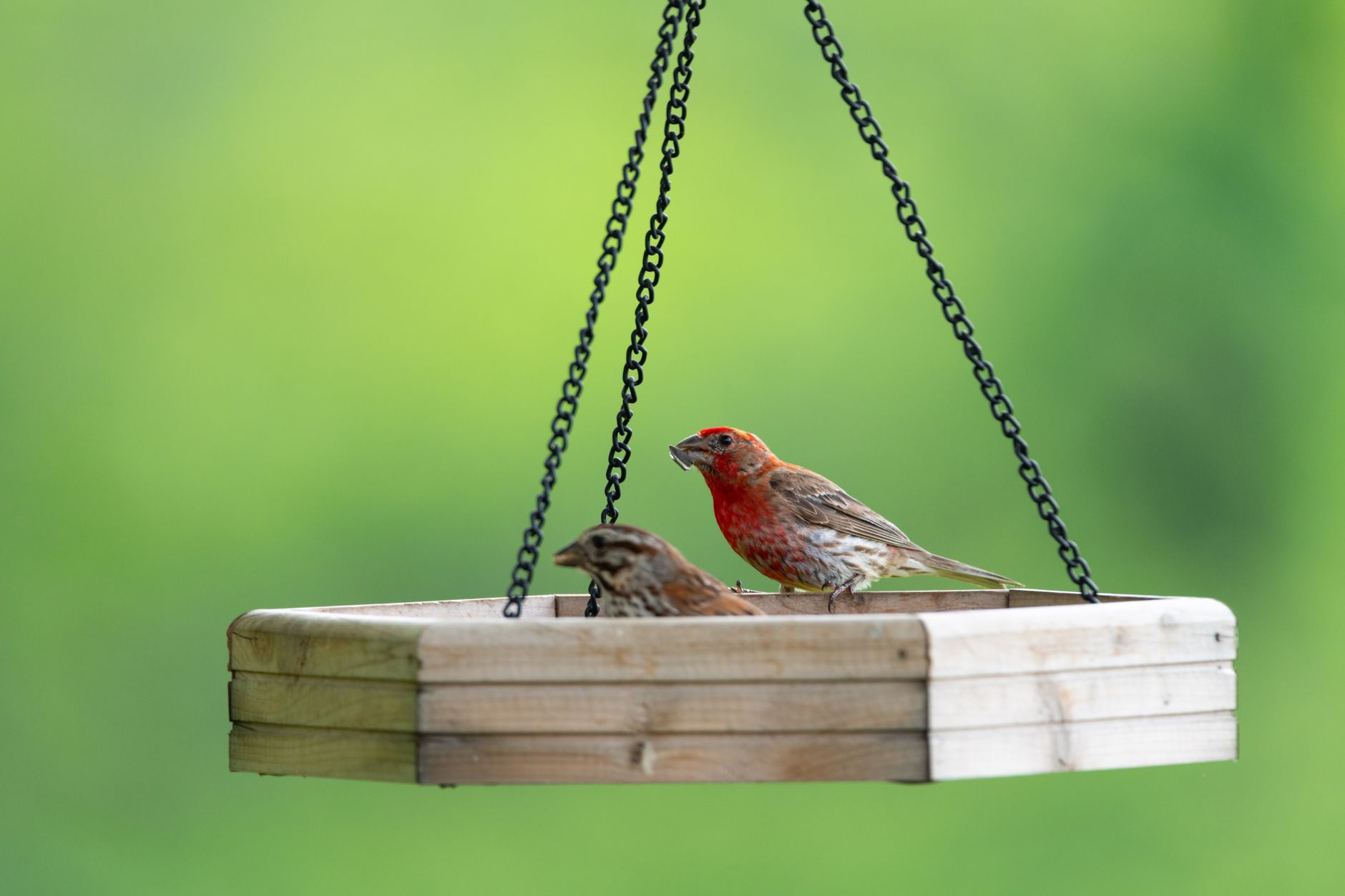
Feeders made from coffee cans often draw common backyard birds such as finches, chickadees, sparrows, and cardinals. These birds appreciate feeders that allow easy access to seeds while providing shelter. Keep in mind that seasonal changes influence which species visit seed mixes enriched with millet and sunflower seeds attract a wider variety, especially during colder months. Birdwatching experts note that simple, well-placed feeders bring steady activity.
How to Make Coffee Can Bird Feeder
Turning coffee cans into bird feeders is straightforward. However, working with metal cans requires caution to avoid sharp edges. This step-by-step guide ensures safety and results in a durable feeder that birds love.
What Materials & Tools Do You Need?
- Empty coffee cans, cleaned and dried
- Non-toxic, weather-resistant paint (preferably water-based)
- Wire or sturdy string for hanging
- Small wooden dowels or sticks for perches
- Hammer and nails or a drill with small bits
- Sandpaper or metal file (to smooth edges)
- Birdseed mix suitable for local species
Choosing eco-friendly paints and finishes helps keep feeders safe for birds and the environment. Avoid spray paints with harsh chemicals that leave toxic residues.
Step-by-Step Instructions to Build Your Coffee Can Bird Feeder
- Prepare the Can: Remove the lid entirely and clean the inside thoroughly to eliminate any coffee residue.
- Create Entry Holes: Use a hammer and nail or drill to punch two small holes near the can‘s base, one on each side. These holes act as seed dispensers.
- Add Perch Holes: Above each seed hole, make a slightly larger hole to insert perches. Sand edges smooth to prevent injury.
- Insert Perches: Push wooden dowels or sticks through the perch holes so birds can sit while feeding.
- Make Hanging Point: Punch two holes near the cans top edge opposite each other. Thread wire or string through and twist securely to create a hanger.
- Paint & Decorate: Apply 2-3 coats of non-toxic paint, letting each dry fully. This weatherproofs the feeder and adds an appealing look.
- Fill with Birdseed: Once paint is dry, pour seed mix inside, filling up to the seed holes.
- Hang & Enjoy: Place the feeder in a shady, sheltered spot about 5-6 feet high to deter predators.

Maintaining Your Coffee Can Feeder
Regular upkeep is essential for feeder longevity and bird health. Dirty feeders can harbor mold and bacteria harmful to birds.
Cleaning and Seed Choice
Wash your feeder every 12 weeks with hot water and mild soap, rinsing thoroughly before refilling. Avoid harsh chemicals that can leave toxic residues. Use a seed mix rich in sunflower and millet seeds, which attract diverse birds and minimize seed waste.
Placement and Safety
Locate your feeder away from dense bushes to reduce ambush by predators like cats. Try hangers with a slight swivel to deter squirrels. Inspect your feeder monthly for rust or paint chipping. If rust appears, sand and repaint using bird-safe materials.
Common Problems and Solutions
- Sharp Edges: Always file edges smooth after drilling.
- Rust: Apply a non-toxic sealant after sanding away rust spots.
- Squirrels: Add baffles on hanging wires or use less appealing seed mixes to deter them.

Other Bird Feeder Ideas To Try
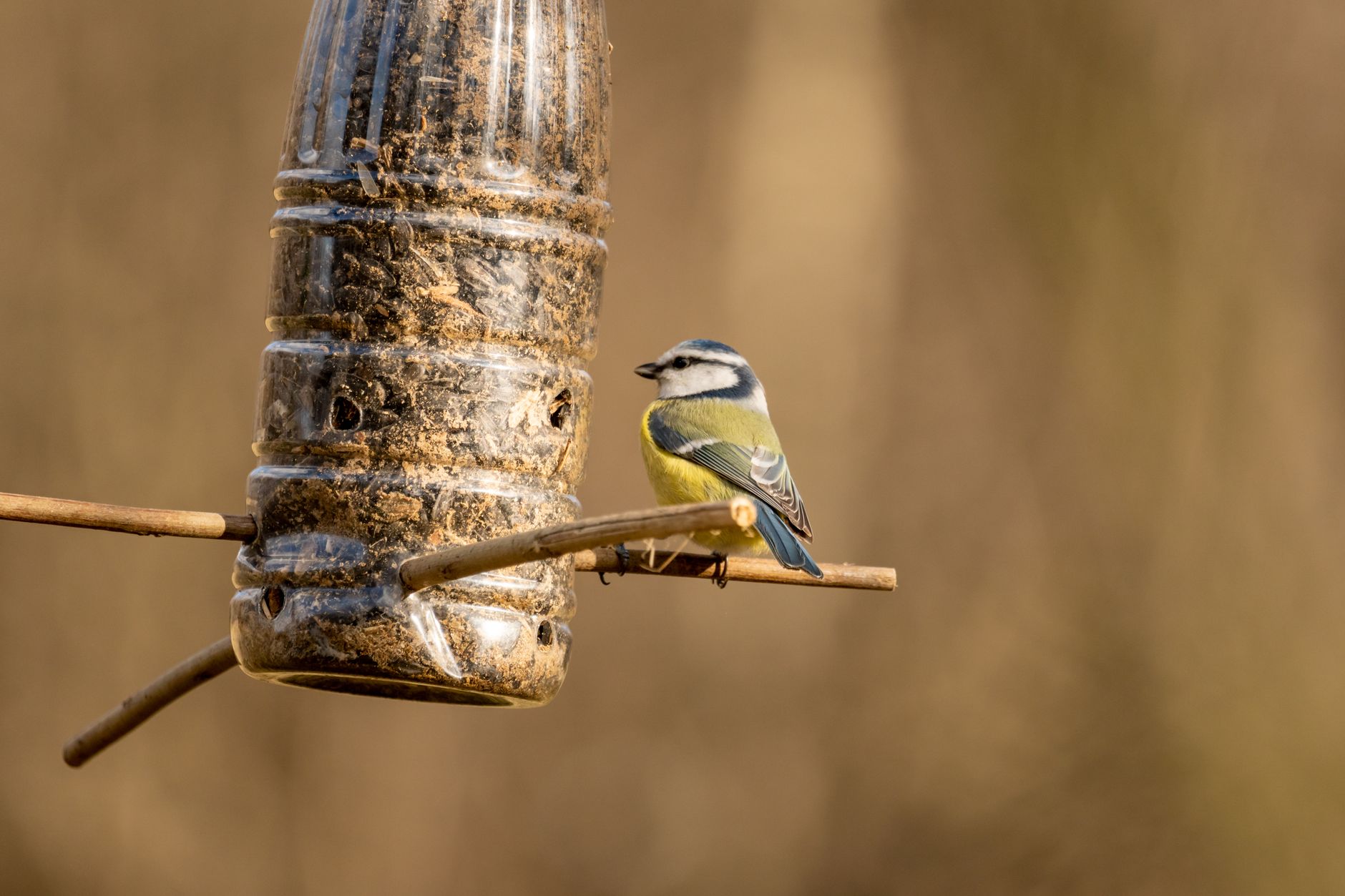
While coffee cans are reliable and environmentally sound, there are plenty of other homemade feeders you can experiment with. Plastic bottles, pine cones coated with peanut butter and seeds, or pallet wood feeders offer diverse styles and convenience. Each approach varies in durability and ease of crafting.
Coffee Can vs Other DIY Feeders
| Material | Durability | Cost | Ease of Build | Weather Resistance |
|---|---|---|---|---|
| Coffee Can | High | Low (uses recycled cans) | Moderate (requires tools) | Excellent |
| Plastic Bottle | Medium | Low | Easy | Fair (can crack in cold) |
| Pine Cone | Low | Very Low | Easy | Poor (degrades quickly) |
| Pallet Wood | High | Medium | Harder (requires woodworking) | Good |
For a mix of creativity and sustainability, coffee can feeders offer the best balance of sturdiness and reusability.
By the way, when serving refreshments after your crafting session, consider pairing homemade bird feeders with Mixed drinks that are Halal-certified and flavorful a perfect way to refresh yourself after outdoor DIY.
Is DIY Bird Feeder Actually Halalwhat should I check?
Since youre using non-food materials like coffee cans and birdseed, Halal certification isnt usually relevant here. However, if youre purchasing commercial birdseed or paints, choosing products labeled with recognized Halal logos (JAKIM, HMC, IFANCA) ensures they meet health and purity standards. Always check ingredient lists to avoid unwanted additives.
When is the best time to use a DIY bird feeder?
Bird feeders are most effective year-round but especially useful during late fall and winter. This is when natural food sources dwindle, and birds rely more on supplemental feeding. Early spring can also attract nesting pairs scouting for resources. Keep feeders topped up regularly during these periods.
How do I prevent squirrels from stealing birdseed?
Add baffles above or below the feeders hanging point to block squirrels access. Avoid seed mixes with corn or nuts, which squirrels prefer. Some recommend adding cayenne pepper to seedsit doesnt bother birds but deters squirrels.
What type of paint is safe to use on bird feeders?
Choose water-based, non-toxic paints labeled safe for outdoor use and free from heavy metals like lead. Avoid oil-based or spray paints with harsh solvents, which can harm birds through fumes or ingestion.
Can I leave the coffee can feeder outside during rain?
Yes, coffee cans handle rain well. However, prolonged moisture can cause rust over time, so applying a weatherproof sealant or repainting annually extends its lifespan. Position your feeder under partial cover to minimize exposure.
What is the best placement height for a bird feeder?
Installing feeders 56 feet above ground helps minimize threats from cats and other predators while keeping them accessible for birdwatching. Place feeders near shrubs or trees so birds can quickly escape if needed.
How often should I refill the feeder?
Refill your feeder every 23 days during peak feeding seasons to keep seed fresh and prevent mold. In summer, monitor more closely as heat can spoil seeds faster. Clean before each refill to maintain hygiene.
Whats the most overlooked maker mistake when building DIY feeders?
Not smoothing metal edges can injure birds, so always sand or file any holes or cuts carefully. Overlooking the use of non-toxic paints is another common error that risks bird safety. Lastly, improper hanging can cause feeders to swing excessively, deterring birds.
Pro tip: How to make your feeder last longer
Apply a clear, bird-safe sealant after painting to protect metal from rust. Inspect and touch up chips yearly. Using rust-resistant wire and placing feeders in shaded areas slows weather damage significantly.
More You Might Like
Explore the diverse world of United states food, to discover how regional ingredients influence healthy, Halal-compliant recipes.
Find out how you can pair your birdwatching moments with refreshing Mixed drinks crafted from Halal-certified ingredients.
Conclusion
Making a DIY bird feeder from coffee cans is a simple, eco-friendly way to support local wildlife and enjoy nature up close. By carefully preparing, painting, and maintaining your feeder, you create a safe, welcoming spot that birds will return to year after year. Next time you spot empty cans, remember this crafty projectyour backyard birds will thank you. Share your own homemade feeder stories or tips in the comments below!
FAQs
Is DIY bird feeder actually Halal — what should I check on the label?
Since DIY bird feeders use non-food items like coffee cans and birdseed, Halal certification is usually not required. However, if buying commercial birdseed or paint, look for recognized Halal logos such as JAKIM, HMC, or IFANCA to ensure products meet Halal purity and health standards.
When is the best time to use a DIY bird feeder?
Bird feeders are most effective year-round but especially during late fall and winter when natural food sources decline. Early spring also attracts birds searching for nesting resources. Regularly refilling your feeder throughout these periods supports local wildlife.
How often should I clean and refill the bird feeder?
Clean the feeder every 12 weeks using hot water and mild soap to prevent mold and bacteria. Refill typically every 2–3 days during peak seasons, and more frequently in summer to avoid seed spoilage caused by heat.
What materials make the safest DIY bird feeder?
Sturdy, weather-resistant materials like metal coffee cans are ideal. Use non-toxic, water-based paints free of heavy metals and avoid spray paints with harsh chemicals. Smooth all edges to prevent bird injuries and choose birdseed mixes suitable for local species.
Where can I buy quality supplies for making a DIY bird feeder?
Purchase empty coffee cans from home or local cafes, and find non-toxic paint, birdseed, wire, and wooden dowels at craft stores, garden centers, or online retailers. Look for products labeled bird-safe and Halal-certified when applicable.