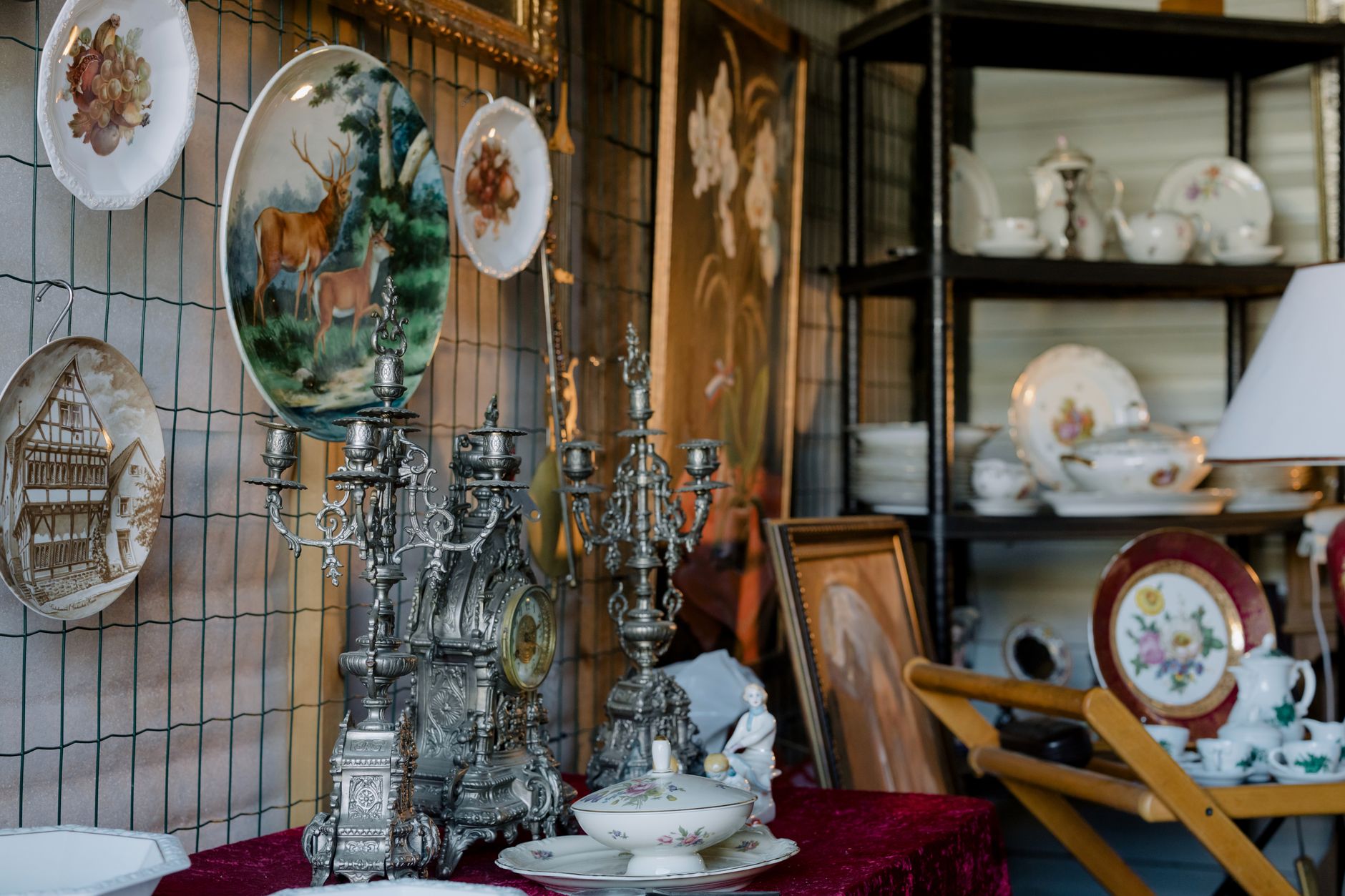
Have you ever walked past a stack of plates at a thrift store wondering if that vintage dishware is worth a closer look? Vintage dishware catches eyes not just for its nostalgic designs but also for its unique craftsmanship and potential investment value. Knowing what to spot and how to care for these pieces can turn simple thrift store finds into treasured additions to your kitchen. Lets explore what makes vintage dishware special and how you can confidently add these timeless pieces to your collection.
Why Vintage Dishware Matters
Vintage dishware offers more than just a pretty setting for your meals. Each piece tells a story through its design, craftsmanship, and history. From delicate china patterns to sturdy vintage glassware, these items showcase artistry thats rare in todays mass production world. Many vintage pieces feature intricate hand-painted details, unique glazes, or shapes that became icons of their era.
The appeal isnt only aestheticvintage dishware often holds value because of its rarity and cultural significance. A well-preserved set from brands like Royal Doulton or Fiesta can appreciate over time if cared for properly. Plus, many collectors seek out specific patterns or brands, making some dishes highly desirable.
How to Identify Authentic Vintage Dishware
Spotting genuine vintage dishware starts with knowing what marks or features to look for. Authentic pieces usually carry makers marks on the underside. These can include a brand name, logo, or pattern identification number. For example, Fire King glassware often shows the brand embossed in the glass base.
The material also tells a storyvintage china feels denser and cooler compared to modern sets. Look for crazing (fine cracks in the glaze), which can indicate age but also affects durability. Be cautious, as some sellers offer reproductions that mimic vintage patterns but lack authentic maker marks or have modern manufacturing codes.
Resources like collectors guides, online forums, and mobile apps can assist in confirming a pieces vintage status. Joining expert communities or consulting catalogs from past decades can deepen your knowledge and confidence when hunting.
Popular Collectible Brands
Some dishware brands are celebrated for their collector appeal due to their market impact or limited production. Recognizing these can help you quickly identify valuable finds.
- Fiesta: Known for vibrant solid colors and sturdy ceramic, Fiesta sets have a devoted following.
- Fire King: Durable vintage glassware from the mid-20th century, often seen in pastel shades or with iconic patterns like Jade-ite.
- Royal Doulton: British fine china prized for sophisticated designs and detailed figurines.
- Corelle Vintage Collections: Lightweight but chip-resistant, early Corelle patterns have become collectible.
Age, condition, and rarity heavily influence desirability. For example, an original Harlequin Fiesta set from the 1950s in excellent condition is far more prized than common, newer sets. Being able to spot these at the thrift store level requires keen observation of brand marks and pattern details.
Scoring Vintage Dishware in Thrift Stores
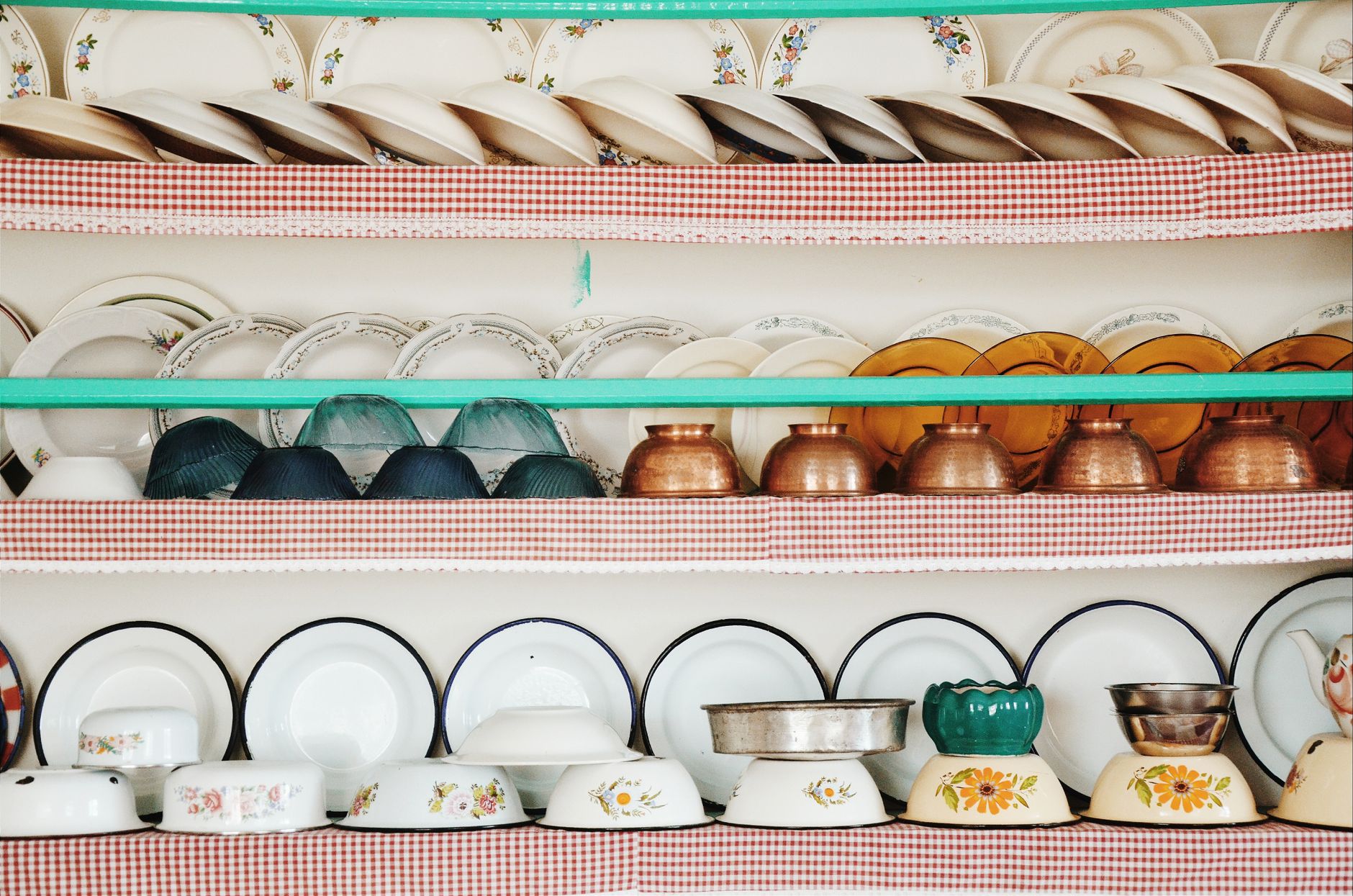
Finding great vintage dishware takes patience and know-how. Frequent visits increase your chancesnew items arrive regularly, and liaisons with staff can give an edge by alerting you to fresh arrivals or discounts.
Avoid rushing into buying chipped or heavily crazed items, as these can be fragile or unsafe for food use. Some people overpay due to sentimental impulse or lack of knowledge about market values. Researching recent sales of similar items online can help you gauge fair prices and avoid overspending.
One trick is to bring a magnifying glass or smartphone app to help read tiny marks or verify authenticity. This can quickly weed out reproductions or modern pieces.
Dont miss this chance to add personality to your table while embracing a sustainable shopping habit. Repurposing vintage dishware reduces waste and brings unique flair your modern dinnerware cant match. For cooking enthusiasts, pairing vintage sets with specific recipes can create memorable dining experiences much like mixing signature mixed drinks complements a classic meal.
| Certification | Price Range | Common Formats | Shelf Life | Key Allergens |
|---|---|---|---|---|
| None (Condition-based) | $5 - $100+ depending on brand and rarity | Plates, cups, bowls, serving trays | Indefinite when properly cared for | N/A (May contain lead paint) |
Benefits of Vintage Dishware
Buying vintage dishware reflects eco-conscious choices by promoting reuse. Each dinner set saved from landfill shrinks your environmental footprint. Plus, owning unique tabletop pieces tells a story and sets a warm tone for gatherings.
Vintage dishware often complements health-focused eating by encouraging mindful meals and slower dining rituals. The tactile experience of quality plates and bowls elevates simple foods into something specialideal alongside wholesome ingredients like those highlighted in best foods for liver health.
Risks and Challenges
Not all vintage dishware is safe for everyday use. Older glazes sometimes contain lead or cadmium, which can leach into food and drinks. Always test or consult experts if you plan to use pieces regularly, especially with acidic foods like tomato sauces.
Cleaning is delicate; aggressive detergents or scrubbing can ruin finish or cause further crazing. Avoid microwaving or dishwashing vintage plates unless explicitly stated safe. Minor chips may harbor bacteria, so evaluate damage carefully before eating off a piece.
Consider displaying particularly fragile or valuable items rather than daily usage. This balances preservation with enjoyment.

Care Tips for Vintage Dishware
Proper care extends your vintage dishwares beauty and safety. Hand wash items with mild soap in warm water, avoiding soak times longer than 10 minutes. Use soft cloths or sponges, never abrasive pads. After washing, dry immediately to prevent water spots or rust on metal trim.
Store plates vertically with soft padding between to avoid scratches. Avoid stacking heavy bowls on delicate china cups. Rubber shelf liners or felt pads work well for buffers.
For minor repairs, consult restoration professionals versed in ceramics rather than using household adhesives. They can match finishes and stabilize cracks without affecting food safety.
Display and Use Ideas
Mix vintage dishes with modern dinnerware for an eclectic, chic tabletop. Use single vintage plates as serving boards or dessert platforms to highlight their patterns. Incorporate vintage glassware as flower vases or candle holders for charming dcor.
Sharing the background story of a treasured piece adds warmth to gatherings and keeps family heritage alive. Creating small vignettes in your dining room celebrates vintage dishwares timeless appeal.
Other Places to Find Vintage Dishware
Besides thrift stores, estate sales and specialty vintage shops offer curated selections. Online marketplaces like eBay and Etsy provide access to rare brands but require caution: prices vary widely, and counterfeit items exist. Always verify seller ratings and request detailed photos before purchasing.
Online purchases rarely allow hands-on inspection, so weigh risks against convenience. Sometimes the thrill of hunting in person yields better quality and prices.

Is vintage dishware actually Halal what should I check?
Vintage dishware itself is neutral regarding Halal certification since its a non-food item. However, when choosing vintage pieces, ensure they have never been exposed to non-Halal food products or contaminants if you intend to use them for serving. If buying vintage cookware or serving dishes with glazes or paints, verify they do not contain harmful substances like lead that could violate health safety concerns. For food safety, look for Halal-certified brands when buying new tableware used alongside vintage sets to maintain clarity for guests.
How to spot fake vintage dishware?
Look closely at makers marksfakes often have inconsistent or missing stamps. Check for overly perfect finishes; genuine vintage pieces usually show signs of wear like minor crazing or discoloration. Using a blacklight reveals some modern forgeries that fluoresce differently. Research specific patterns online to compare.
Can I use vintage dishware in microwave or dishwasher?
Most vintage dishware is not microwave- or dishwasher-safe due to risk of cracks, fading, or harmful material leaching. Always hand wash and avoid microwaving unless the manufacturer or expert inspection confirms its safe.
Are all vintage dishes fragile?
Fragility varies by material and condition. Fine china or porcelain is delicate, while vintage stoneware or thick glassware can be sturdy. Handle fragile items with care and avoid frequent use if they have chips or cracks.
How to clean stained vintage dishware safely?
Use a mix of warm water, mild detergent, and a soft cloth. For stubborn tea or coffee stains, a paste of baking soda and water gently applied can help. Avoid harsh scrubbers or bleach to preserve glaze integrity.
What should I do if I find vintage dishware with lead paint?
Avoid using any dishes with suspected or confirmed lead paint for serving food or drinks, especially acidic items. They are unsafe by modern health standards. Display them as decorative pieces only. Testing kits are inexpensive and recommended if unsure.
How to combine vintage dishware with modern sets for everyday use?
Choose complementary colors or neutral patterns to create harmony. Use vintage plates for serving and modern bowls for soups or cereals. Mix texturesmatte modern pieces with glossy vintage onesfor balanced contrast without visual overload.
Pro Tips for Vintage Dishware Collectors
- Dont trust price tags blindly: Sometimes sellers overvalue pieces without authentic rarity; research before purchase.
- Avoid cheap imitations: Low-cost reproductions look similar but lack the craftsmanship and resale value.
- Expert tip: Document your collection with photos and notes on maker marks for insurance and resale.
- Beware of lead content: Older dishware may contain lead-based glazes test if you intend to use daily.
More You Might Like
Explore our guide on best foods for liver health to complement those beautiful meals plated on your vintage dishes.
Discover new cocktail ideas for your next gathering with recipes from our mixed drinks section perfect when showcased in classic glassware.
Vintage dishware brings warmth and a story to your table. Next time you shop, take a closer lookyour ideal find may be waiting. Enjoy the art of collecting and caring for these timeless treasures.
FAQs
Is vintage dishware actually Halal — what should I check on the label?
Vintage dishware itself is neutral regarding Halal status as it is a non-food item. However, ensure that pieces have not been exposed to non-Halal foods or contaminants if you plan to use them for serving. Also, verify that glazes or paints do not contain harmful substances like lead, important for food safety and Halal considerations.
What is the typical shelf life of vintage dishware when properly cared for?
When well-maintained, vintage dishware can last indefinitely. Proper hand washing, gentle handling, and avoiding harsh chemicals or dishwasher use help preserve the pieces and prevent damage like crazing or chips over time.
How does vintage dishware differ from modern dishware?
Vintage dishware often features unique craftsmanship, hand-painted details, and materials denser than modern alternatives. It tends to have distinctive maker’s marks and signs of aging like crazing, unlike mass-produced modern sets that prioritize durability and uniformity.
Is it safe to use vintage dishware daily for food and drink?
Not all vintage dishware is safe for daily use. Some older glazes may contain lead or cadmium, and delicate pieces can chip easily. Avoid microwaving or dishwashing vintage pieces unless confirmed safe, and inspect regularly for damage before use.
Where are the best places to find authentic vintage dishware?
Great finds come from thrift stores, estate sales, and specialized vintage shops. Online marketplaces like eBay and Etsy offer access to rare items but require careful seller verification to avoid fakes and overpriced pieces.