Alright, real talksometimes the difference between a delicious, mouthwatering dish and a meh, what was I thinking? moment comes down to one tiny, often overlooked ingredient: pepper. Yeah, we all have that trusty black pepper grinder on the table, right? But have you ever paused and wondered, Waitwhen should I reach for black pepper, and when should it be white?
Like, you might think black and white pepper are just two versions of the same thing, just dressed differently. But nah, they actually bring totally different personalities to your cooking. So heres the secret: knowing exactly when to use each can make all the difference between a dinner thats bold and punchy or smooth and subtle.
This isn't rocket science, but it is an artand a little insider knowledge can turn your kitchen game up several notches. Lets dive into this peppery debate and see what Rachael Ray has to say about it, plus my own two cents sprinkled in!
Black and White Peppers
First off, yes, both black and white peppers come from the same plantPiper nigrum, if you wanna get fancybut their journey to your plate is pretty different. Think of it like siblings who grew up in very different neighborhoods, which shaped them in unique ways.

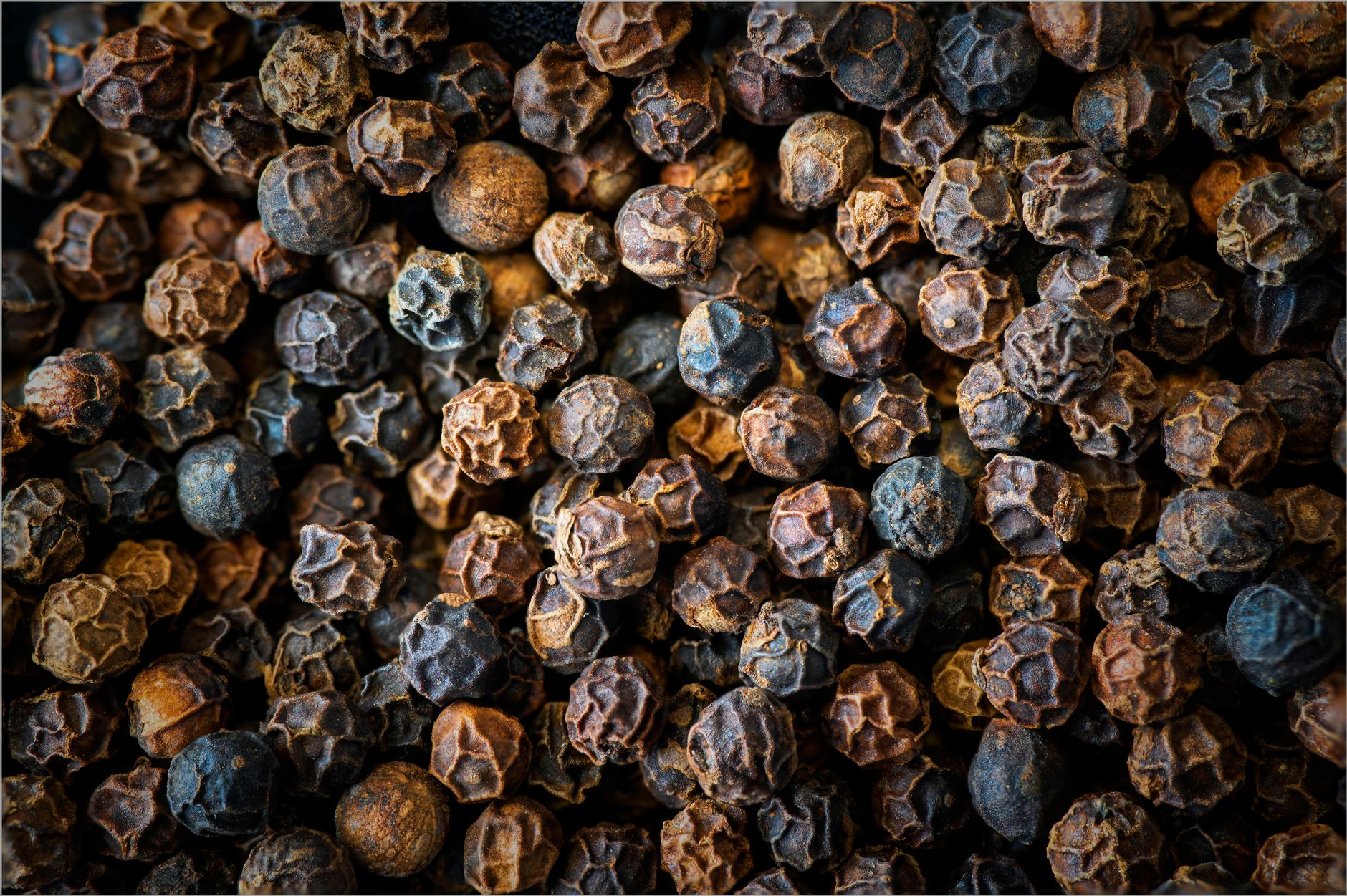
Black pepper is harvested when the pepper berries are still green and unripe. Then, theyre sun-dried, which causes the skin to shrivel and darken into the bold, wrinkly black peppercorns we all know. This drying process concentrates stronger, sharper flavorsthink spicy heat, piney aroma, and a certain earthiness.
White pepper, on the other hand, comes from fully ripe berries. Those berries get soaked, which loosens and removes the outer skin before drying, leaving a smooth, pale peppercorn. The flavor here is softer, a little more mellow and earthy, with a subtle fermented note thats quite different from its black counterpart.
| Feature | Black Pepper | White Pepper |
|---|---|---|
| Processing Method | Sun-dried whole unripe berries with skin | Ripe berries soaked to remove skin, then dried |
| Flavor Profile | Pungent, sharp, spicy heat with piney notes | Earthy, mellow, mildly fermented, subtle heat |
| Appearance in Dishes | Visible black specks adding rustic texture | Blends seamlessly into light-colored dishes |
| Best For | Grilled meats, stews, robust sauces | Creamy soups, delicate sauces, Asian-style cooking |
This little comparison helps you see that black vs white pepper are far from interchangeable. Each has its moment to shine depending on what youre cooking.
How To Use Pepper
Now heres where people get all wishy-washybecause pepper isnt just a flavoring, its a balancing act. You dont want to overpower your dish, but you want enough kick to make it interesting. Understanding pepper flavor differences is key.
If youve ever sprinkled black pepper on a creamy pasta or white sauce and seen those black dots slap you right in the eye, you know it can be a bit harsh visually and flavor-wise. White pepper comes to the rescue here because it blends in but still brings that peppery warmth youre craving.
Black pepper uses tend to lean toward dishes that can handle, or even benefit from, boldnessthink steak, pork chops, stews, and peppery dressings. Its also excellent in spice rubs where the flavor needs to punch through smoke or char.
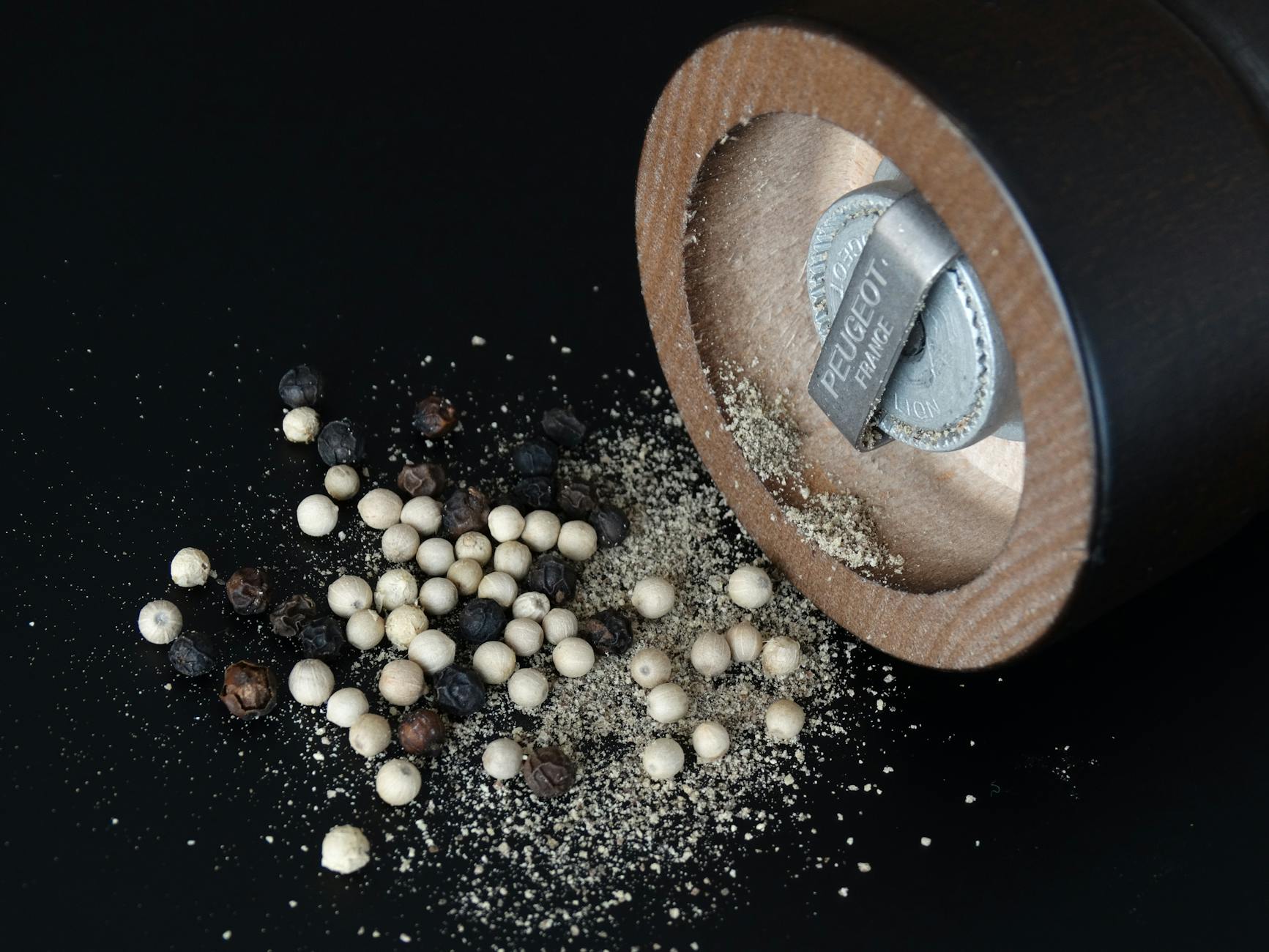
White pepper recipes generally involve lighter dishesthose cream sauces, mashed potatoes, or classic French and Asian fare where peppers flavor should be more whisper than shout. Its also great for maintaining a clean, elegant look on sauces without those distracting black flakes.
When Should You Add Pepper?
Heres a little cooking tip from someone whos burned a dish or two (or ten): timing matters. Black pepper shines when added at the end of cooking or even as a finishing touch on your plate. That keeps its flavor fresh and sharp.
White pepper, meanwhile, can be cooked into dishes more easily because its flavor mellows with heatgreat for slow-cooked soups or gentle white sauces.
Freshly ground pepper is pretty much essential to get the fullest aroma and flavor out of either variety. Pre-ground powder loses much of its punch over time, so if you can, always grind fresh. Your taste buds will thank you.
If you want to learn more about how different spices affect your food, or maybe just want to grab stuff for your kitchen in a pinch, you might find it handy to deliver groceries straight to your door it saves you a trip and makes kitchen experiments way easier!
Benefits and Risks
So, aside from making your food taste awesome, did you know black and white peppers bring some health perks, too? Theyre both rich in antioxidants, which help fight inflammation and support digestion.
That said, like anything spicy, pepper can be a little tricky if you overdo itsome folks find black pepper a bit harsh on their stomach, especially in large amounts. White pepper tends to be gentler but can still cause irritation for sensitive tummies if sprinkled on too liberally.
Its kind of like salt in that way: great in moderation, not so great when dumped in heaps.
Also, if you're on certain medications, its worth chatting with your doc about your pepper intake because piperine, the active compound in peppers, can sometimes affect how drugs are absorbed. Nothing to freak out aboutjust a heads-up if youre really into the spice life.
Pepper Flavor Differences In Real Life
You know what really makes this pepper debate come alive? Cooking experiments and stories. I once swapped black pepper for white in my grandmas famous mashed potatoesthought itd be a neat twist.
Long story short: the dish turned out smooth and subtle, but missed that punch Id expected. Lesson? Some dishes kinda demand one pepper type over the other.
On the flip side, throwing white pepper into a light chicken soup gave it an unexpected depth without dark specks floating on topperfect for serving to guests who appreciate that clean look and feel.
Food is personal, of course, and experimenting is half the fun! Next time youre curious, try switching out black pepper uses for white in a recipe or vice versayou might just discover a new favorite combo.
Speaking of making sense of flavor, if youre also curious about other popular beverages or how ingredients stack up nutritionally, I stumbled across a detailed Dr pepper nutrition label breakdown thats pretty eye-opening. Just a little bonus knowledge you might dig!
Final Thoughts on Black Vs White Pepper
Heres what I want you to take away: the whole point of knowing the difference between black vs white pepper isnt just for culinary snobbery or impressing your friends with fancy vocabulary. Its so your food tastes better, hits the mark you want, and gives your guests (or you!) that little bit of joy in every bite.
Black pepper is your go-to for punchy, robust dishesthink big, bold, and assertive. White pepper is like the quiet hero that keeps things smooth, subtle, and balanced.
Next time youre in the kitchen, dont just grab whatevers closest. Think about the dish, the flavor vibes you want, and trust your nose and taste buds to guide you. And hey, dont be shy about experimentingcooking is one long, delicious adventure.
If youve got your own pepper stories, favorite recipes, or tips, why not share them below? Im always here for a good chat about food and flavor!
FAQs
What is the main difference between black and white pepper?
Black and white pepper both come from the same plant but differ in processing. Black pepper is sun-dried with the skin on, giving it a sharp and pungent flavor, while white pepper is made from ripe berries with the skin removed, resulting in a milder, earthier taste.
When should I use black pepper instead of white pepper?
Use black pepper in robust dishes like grilled meats, stews, and robust sauces where its bold, spicy flavor can stand out and complement strong flavors.
Why is white pepper preferred in creamy or light-colored dishes?
White pepper blends seamlessly into light-colored dishes like creamy soups and sauces, providing a subtle warmth without leaving dark specks that black pepper would.
Can black and white pepper be used interchangeably in recipes?
Though they come from the same plant, black and white pepper are not always interchangeable. Substituting one for the other can change the flavor profile and appearance of a dish, so it's best to use each according to the recipe's needs.
Is freshly ground pepper better than pre-ground pepper?
Yes, freshly ground pepper retains more aroma, flavor, and essential oils. Pre-ground pepper loses much of its potency over time, so grinding fresh is recommended for the best taste.