If you love coffee ice cream, you might wonder just how much caffeine youre getting in each creamy scoop. After all, coffee itself is known for that energizing jolt, but does coffee ice cream pack a similar punch? The key question many ask is: does caffeine in coffee ice cream affect your energy levels or keep you awake? The short answer is yesit contains caffeinebut typically much less than a cup of coffee. This makes it a gentle treat for most people without the jitters, but the details matter if youre sensitive or watch your caffeine intake.
Understanding Caffeine Amounts
What Is the Typical Caffeine Content in Coffee Ice Cream?
Caffeine in coffee ice cream varies depending on the recipe and brand, but generally, one serving (about half a cup or around 100 grams) contains between 20 to 50 milligrams of caffeine. For context, a regular 8-ounce brewed coffee often has 95 to 165 milligrams, while espresso shots start around 63 milligrams each, according to the USDA FoodData Central.
This means coffee ice cream usually provides roughly 2050% of the caffeine found in a single cup of coffee. So, a scoop can give you a mild boost but wont compare to your morning espresso or even a standard drip brew. Energy drinks, by comparison, pack much higher caffeine doses, often above 150 milligrams per serving.

Does Coffee Ice Cream Have Enough Caffeine to Affect You?
The effect of caffeine in coffee ice cream depends heavily on your individual sensitivity and how much you eat. Some individuals experience jitteriness or disrupted sleep with as little as 30 milligrams of caffeine, while others tolerate 200 milligrams or more daily without issues. If youre sensitive, even the caffeine in a small serving of coffee ice cream might interfere with your evening rest.
Other factors influencing the impact include:
- Time of day consumed caffeine late at night is more disruptive.
- Metabolism and body weight faster metabolizers clear caffeine quicker.
- Portion sizes eating several scoops can multiply your caffeine intake.
For most people, enjoying a moderate portion earlier in the day is safe and unlikely to cause jitters.
How Is Caffeine Added or Naturally Present in Coffee Ice Cream?
The caffeine found in coffee ice cream primarily comes from the coffee used in its making. Some recipes use brewed coffee or espresso shots to infuse flavor naturally. Others may add instant coffee powder or caffeine extracts to boost the taste and caffeine level artificially.
Natural coffee infusion usually results in lower and less consistent caffeine content compared to products with added caffeine extracts. Recipe variations also play a roledarker roasts can have slightly less caffeine than lighter roasts, and the coffee-to-cream ratio affects how much caffeine ends up in your scoop.
Manufacturers aiming for richer coffee flavor tend to increase coffee concentration, which indirectly raises caffeine content. This can be especially true for premium or artisan brands.
Benefits and Risks
Potential Benefits of Caffeine in Coffee Ice Cream
Caffeine is well known for its alertness-enhancing properties. With coffee ice cream, you get a mild caffeine boost that can improve focus and elevate mood without the intensity of a full coffee. For those who want a sweet treat plus a little wake-up call, this combination is quite enjoyable.
Additionally, the pleasure of indulging in coffee-flavored dessert can boost dopamine release, adding to your overall feeling of well-being.
Possible Downsides or Risks
Even small amounts of caffeine can be problematic for some. Children, pregnant women, and people sensitive to caffeine should be cautious. The caffeine in coffee ice cream might contribute to disturbed sleep, increased heart rate, or jitteriness in these groups.
Also, those with specific health conditionssuch as anxiety disorders or certain heart diseasesmay need to avoid caffeine altogether. Checking product ingredients and portion control is key here.

Comparing Popular Brands
How Do Different Brands Stack Up?
| Brand | Caffeine per Serving (mg) | Serving Size | Certification |
|---|---|---|---|
| Brand A Artisan Coffee Cream | 45 | 100g (1 scoop) | JAKIM Halal Certified |
| Brand B Classic Coffee Scoop | 25 | 120g (1 large scoop) | HMC Halal Certified |
| Brand C Premium Coffee Mix | 35 | 100g | IFANCA Halal Certified |
| Brand D Regular Coffee Ice Cream | 20 | 100g | No Halal Certification |
As you can see, caffeine content varies widely even among popular brands, usually between 20 and 45 milligrams per serving. Many Halal-certified brands display logos from JAKIM, HMC, or IFANCA for trusted quality and compliance with dietary laws. Checking these certifications is important for Halal-conscious consumers.
Homemade vs. Store-Bought Coffee Ice Cream
When making coffee ice cream at home, you control the caffeine level by adjusting the coffee or espresso amount. Using strong brewed coffee or espresso shots increases caffeine, while diluted coffee creates a milder flavor with less caffeine.
Store-bought versions often include additives or caffeine extracts to enhance coffee flavor, sometimes increasing caffeine unpredictably. Homemade recipes offer a cleaner and more traceable profile, satisfying health-conscious consumers who want a balance of indulgence and wellness.
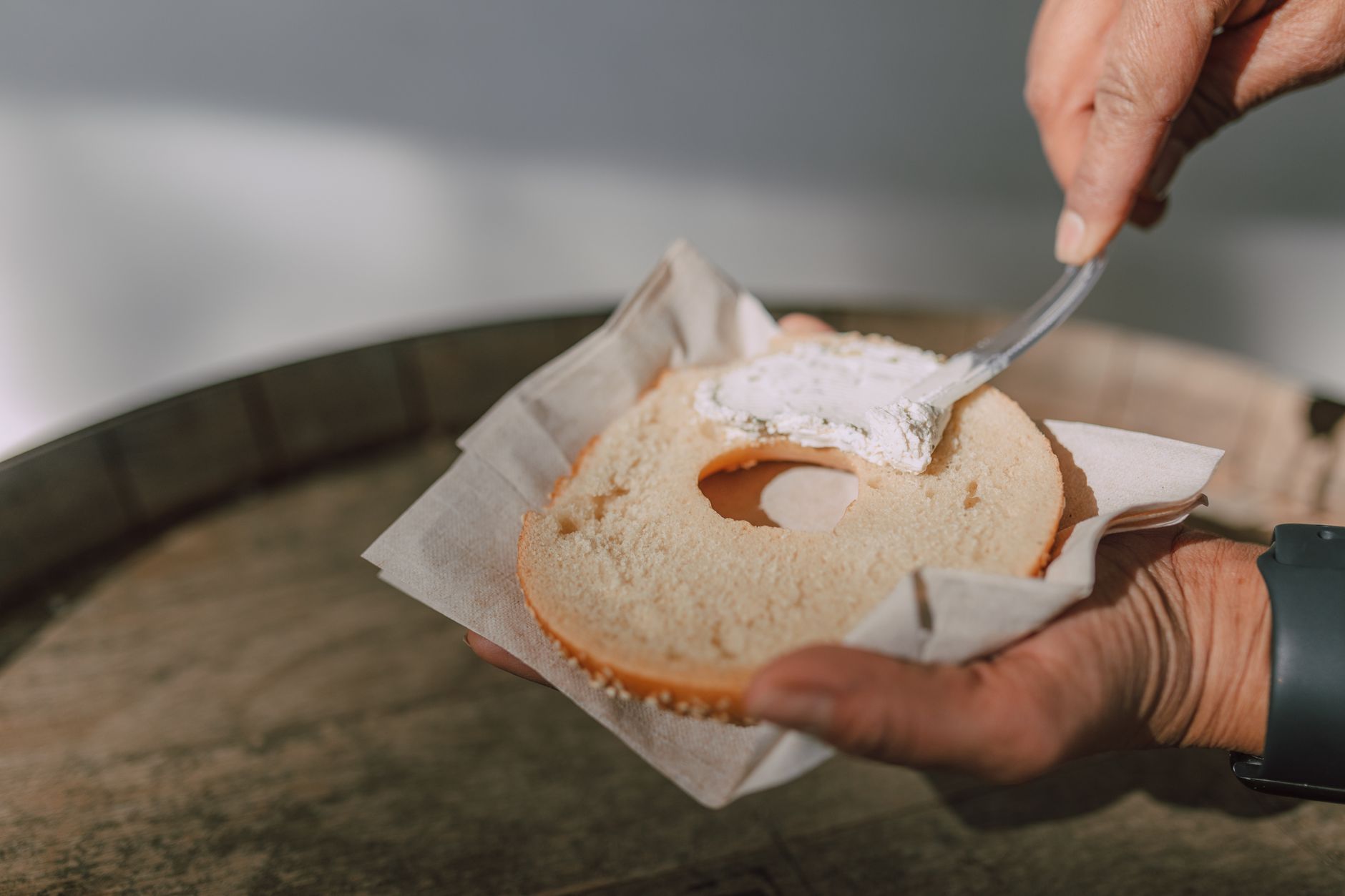
If you want to reduce caffeine but keep coffee flavor, consider using decaffeinated coffee or reducing concentration. A popular tip is to substitute half the coffee with milk or use freeze cream cheese to add richness without adding caffeinethis can create a smooth, creamy texture that complements coffee flavors perfectly.
Freeze cream cheese is a handy addition to desserts looking for that tangy creaminess without extra caffeine.
FAQs About Caffeine in Coffee Ice Cream
Will Eating Coffee Ice Cream Before Bed Keep Me Awake?
If you are sensitive to caffeine, even the small amount in coffee ice cream may disrupt your sleep. Eating it too close to bedtime could cause mild alertness or jitteriness. For most people, though, the caffeine level is low enough that a moderate serving earlier in the evening wont interfere significantly with rest.
Can I Use Coffee Ice Cream as a Caffeine Substitute for Coffee?
Coffee ice cream is not a practical substitute for coffee if you seek a full caffeine boost. Its caffeine content is typically less than half that of brewed coffee. Its best enjoyed as a dessert with a mild lift, rather than an energy source.
Is Decaf Coffee Ice Cream a Real Thing?
Yes, some manufacturers produce decaf coffee ice cream using decaffeinated coffee or coffee extracts. This option has minimal caffeine, usually less than 2 milligrams per serving, making it suitable for those avoiding caffeine completely.
How to Limit Caffeine Intake While Enjoying Coffee-Flavored Treats?
Check product labels carefully for caffeine content. Opt for smaller serving sizes or decaf versions. When making desserts, replace some coffee with milk or decaf substitutes to lower caffeine but keep flavor. Avoid eating coffee-flavored treats late in the day to minimize sleep disruption.
Is Coffee Ice Cream Suitable for Pregnant or Caffeine-Sensitive Individuals?
Since caffeine consumption during pregnancy is usually advised to be limited to less than 200 mg daily, small amounts in coffee ice cream can fit into moderate intake but should be consumed cautiously. Caffeine-sensitive people may want to avoid coffee ice cream or choose decaf options.
What Certification Should I Look for in Halal Coffee Ice Cream?
Look for Halal certification logos from known authorities like JAKIM, HMC (Halal Monitoring Committee), or IFANCA. These ensure the product complies with Islamic dietary laws and has been thoroughly vetted for Halal compliance.
Does Coffee Ice Cream Contain Other Stimulants Besides Caffeine?
No, the stimulant effect in coffee ice cream comes mainly from caffeine. Some exotic or specialty recipes might contain guarana or chocolate, which can add stimulants, so checking ingredients is always wise.
Pro Tips for Choosing Coffee Ice Cream
One common mistake is assuming all coffee ice creams have similar caffeine content. This can lead to unwanted sleepless nights if you grab brands with higher caffeine without knowing. Always check product labels or brand websites for caffeine specifics.
Cheap versions often sacrifice quality coffee for flavor enhancers, which may produce an artificial taste and unpredictable caffeine levels. Investing in trusted, Halal-certified brands ensures better quality and traceability.
An expert tip is to try small tastings first, especially if you are caffeine sensitive. Consider homemade recipes to precisely control caffeine and customize sweetness and texture to your preference.
Curious about dessert toppings? Understanding the differences between Cool whip vs whipped cream can upgrade your dessert presentation and texture experience.
More You Might Like
If you enjoy coffee ice cream, you might also appreciate learning about different dairy alternatives for desserts, like how to freeze cream cheese properly to retain texture and freshness. It can be a delicious addition to your homemade ice cream recipes.
Conclusion
Caffeine in coffee ice cream is present but usually in moderate amounts unlikely to cause jitters for most people. Enjoy this delightful treat mindfully, especially if you are sensitive to caffeine or planning to indulge late at night. Next time you shop, check the label closely or try making your own to tailor caffeine levels perfectly. Wed love to hear your coffee ice cream storiesfeel free to share your experiences in the comments below!
FAQs
Is caffeine in coffee ice cream actually Halal — what should I check on the label?
Yes, caffeine itself is Halal, but verification depends on the overall product certification. Look for Halal certification logos from trusted authorities like JAKIM, HMC, or IFANCA on the label to ensure the coffee ice cream meets Islamic dietary laws.
How long does coffee ice cream keep after opening?
Once opened, coffee ice cream should be consumed within 1-2 weeks if kept properly sealed and stored in a freezer at or below 0°F (-18°C) to maintain freshness and quality.
How does caffeine in coffee ice cream compare to regular brewed coffee?
Coffee ice cream typically contains 20–50 mg caffeine per serving, about 20–50% of the caffeine in an 8-ounce brewed coffee, which usually ranges from 95–165 mg.
Is it safe to consume coffee ice cream daily regarding caffeine intake?
Yes, moderate daily consumption is generally safe for most adults, but those sensitive to caffeine or pregnant women should monitor intake to avoid exceeding recommended caffeine limits.
Where can I buy coffee ice cream with reliable caffeine content and certifications?
You can find reliable brands at supermarkets, specialty food stores, and online retailers. Choose products with clear caffeine content labeling and recognized Halal certifications for quality assurance.