Wondering about egg shelf life? Whether you grab eggs at the store or collect fresh ones from a farm, knowing how long eggs last is key to avoiding unpleasant surprises. Egg shelf life isnt just about dates on the cartonit depends on how the eggs are handled, stored, and even their source. Store-bought eggs often stay fresh longer in refrigeration, but farm fresh eggs, with their natural protective coating, can hold their own when kept the right way. Lets break down everything you should know to keep your eggs fresh and safe.
Egg Shelf Life Basics
Egg shelf life depends on several factors, from the eggs natural defenses to storage conditions. The main enemy of egg freshness is bacteria growth and spoilage enzymes breaking down the egg. Temperature fluctuations and humidity also play big roles. Every egg starts out fresh, but how you care for it changes the countdown to spoilage.
How Long Do Eggs Last in General?
As a quick guide, store-bought eggs kept refrigerated typically last 3 to 5 weeks from the packing date. Farm fresh eggs can last about 1 to 3 weeks unrefrigerated and often up to 4 to 5 weeks refrigerated. Eggs stored outside ideal conditions spoil faster. For reference, the USDA states eggs remain safe when refrigerated at or below 40F (4C) for about 3 to 5 weeks after purchase, but this varies depending on initial quality and handling.
What Is the Role of the Eggshell and Bloom?
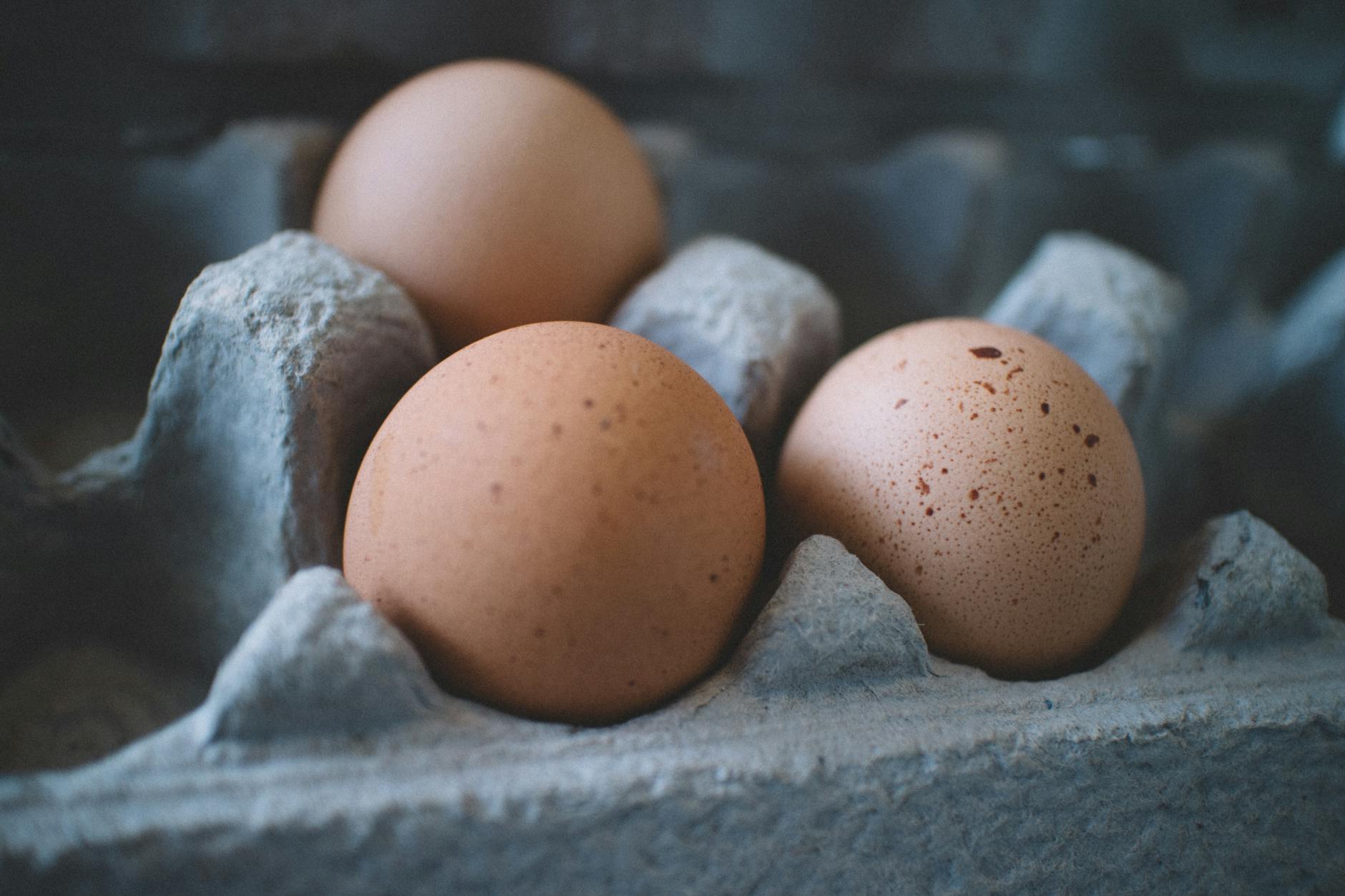
Farm fresh eggs have a natural protective coating called the bloom or cuticle. This thin layer seals the pores of the shell, keeping out bacteria and moisture loss. Store-bought eggs are usually washed, which removes this layer. While washing improves cleanliness, it also makes eggs more porous, requiring strict refrigeration afterwards to maintain safety and freshness.
Store-Bought Eggs Shelf Life Explained
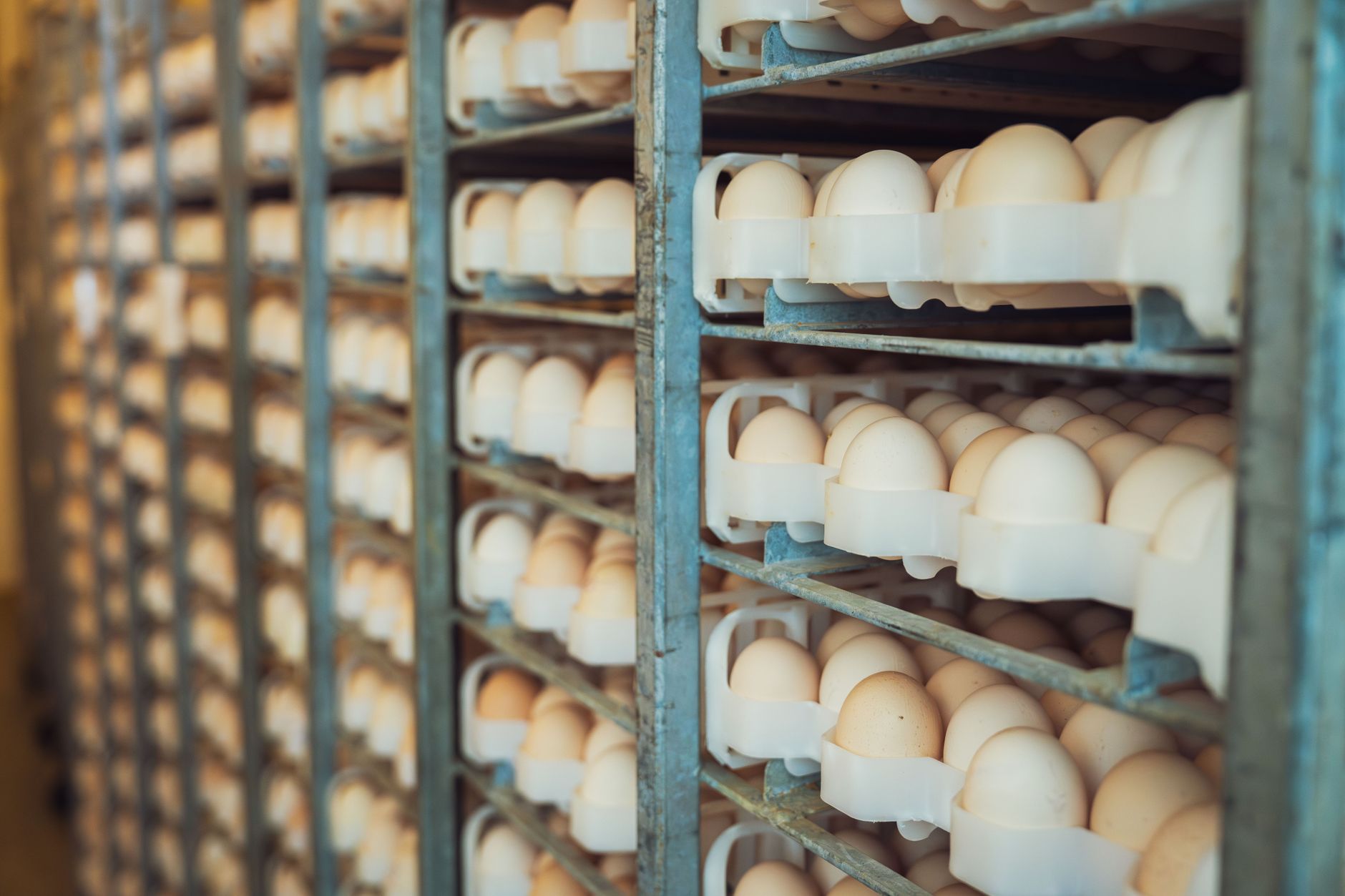
Commercial eggs get washed, sanitized, and refrigerated from the start. This process removes the bloom and demands a chilled supply chain to prevent bacterial contamination. Store-bought eggs commonly have a sell-by or best-by date, but you might not know what that really means for freshness.
How Long Can You Keep Store-Bought Eggs in the Fridge?
Store-bought eggs can last around 3 to 5 weeks in the refrigerator after purchase. To maximize freshness, keep eggs in their original carton on a middle or lower shelfnot the doorfor consistent temperature. Avoid temperature swings from frequent opening of the fridge door, which can cause condensation and accelerate spoilage. The USDA advises consuming eggs within 4 to 5 weeks of the pack date for best quality and safety.
Can You Store Store-Bought Eggs Outside the Fridge?
Since the commercial washing process removes the bloom, store-bought eggs are more vulnerable to bacteria like Salmonella if left unrefrigerated. In the U.S. and many Western countries, eggs must be refrigerated immediately. Leaving them at room temperature encourages bacterial growth and can shorten shelf life dramatically, sometimes within hours on a hot day.
Farm Fresh Eggs Shelf Life Demystified
Farm fresh eggs come straight from hens without the commercial washing process, so the bloom stays intact. This natural seal helps protect the egg for longer outside the fridge, but care is still critical.
How Long Can Farm Fresh Eggs Last Without Refrigeration?
Typically, farm fresh eggs stored at room temperature last 1 to 3 weeks depending on temperature and humidity. Cooler environments (below 70F/21C) prolong this. In tropical or humid climates, spoilage can happen faster. Once refrigerated, farm fresh eggs can last 4 to 5 weeks just like store-bought ones.
How to Store Farm Fresh Eggs for Maximum Freshness
To keep farm fresh eggs at their best:
- Store in a cool, dry place away from direct sunlight.
- Keep them pointed end down to preserve yolk quality.
- Refrigerate if you want to extend shelf life beyond 2 weeks.
- Avoid washing eggs until just before use; washing removes the bloom and exposes pores to bacteria.
Washing farm eggs prematurely can reduce shelf life and increase contamination risk, so only wash right before cooking.

Eggs Storage Tips to Extend Shelf Life
Everyone wants to keep eggs fresh longerheres how to do it.
What Are Common Mistakes That Reduce Egg Shelf Life?
- Washing eggs too soon removes the protective bloom.
- Storing eggs on the fridge door exposes them to temperature fluctuations.
- Leaving eggs unrefrigerated when they need to be chilled.
- Stacking or cracking eggs before use without prompt cooking.
How to Use Visual and Smell Tests to Check Egg Freshness
A simple float test helps determine freshness. Place an egg in a bowl of cold water:
- If it sinks and lies flat, its fresh.
- If it stands upright or floats, its older but may still be usable.
- If it floats to the top, discard it.
Next, sniff the egg after cracking it open. A bad egg has a distinctly sulfuric, unpleasant odor. If it smells off, dont risk eating it.
Store-Bought Vs Farm Fresh Eggs Shelf Life
| Feature | Store-Bought Eggs | Farm Fresh Eggs |
|---|---|---|
| Shelf Life in Fridge | 35 weeks | 45 weeks |
| Shelf Life Unrefrigerated | Not recommended (hours to 1 day max) | 13 weeks |
| Handling/Processing | Washed, sanitized, refrigerated | Unwashed, natural bloom intact |
| Taste & Freshness | Consistent quality, less farmy flavor | Often richer flavor, fresher taste |
Balancing Benefits and Risks
Store-bought eggs offer convenience and generally longer refrigerated shelf life thanks to processing and cold supply chains. Their handling meets strict food safety regulations like JAKIM Halal certification, ensuring traceability and hygiene for Muslim consumers.
Farm fresh eggs delight with natural bloom protection and flavor but require more care. They suit people wanting minimal processing and can store eggs unrefrigerated briefly, depending on climate.
Both types can be Halal-certified depending on processing and vendor compliance. Look for trusted Halal certification logos like JAKIM, HMC, or IFANCA when purchasing.
For more on dairy storage tips, see our guide comparing Freeze cheese curds for keeping freshness longer.
Expert Insights and Real-World Experience
Food safety experts advise refrigeration as the best method to keep eggs safe. According to the USDA FoodData Central, refrigeration slows bacterial growth and maintains nutrient quality. Farmers stress the importance of the bloom for farm fresh eggs stored unrefrigerated. They recommend minimal handling and washing only before use to preserve natural protection.
One farmer shared that rotating eggs weekly and storing them pointed end down in a consistent cool spot keeps farm fresh eggs tasting vibrant up to a month.
On the consumer side, many find that keeping eggs in the carton on the fridge shelfnot the dooravoids temperature swings and extends usability.
Is egg shelf life affected by Halal certification?
Halal certification primarily ensures the entire production and handling process complies with Islamic dietary laws. It does not directly affect egg shelf life but guarantees hygienic practices and traceable supply chains. Certifications such as JAKIM or IFANCA also improve consumer trust in product safety and quality.
How can you tell if eggs are Halal certified?
Look for official Halal logos from authorities like JAKIM, HMC, or IFANCA printed on the packaging or carton. These logos confirm the eggs or egg products meet strict halal standards from farm to shelf.
Does washing eggs reduce shelf life?
Yes, washing eggs removes the natural bloom, making shells porous and more susceptible to bacteria. Store-bought eggs are sanitized and refrigerated immediately after washing to compensate. For farm fresh eggs, washing should be avoided until right before cooking to preserve shelf life and safety.
Are older eggs safe to eat if they float in water?
Eggs that stand upright or float in water are older but not necessarily spoiled. Use the sniff test after cracking. If no off smell is present, they can often still be cooked thoroughly and eaten safely.
How does temperature affect egg shelf life?
Temperature directly influences bacterial growth rate. Eggs kept below 40F (4C) stay fresh longer by slowing spoilage. Room temperatures above 70F (21C) can cut shelf life to days for unprotected eggs.
What is the best way to store eggs in the fridge?
Keep eggs in their original carton on a middle or lower fridge shelf. Avoid storing on the door due to temperature changes. Store eggs with the pointed end down to keep yolks centered and fresh.
Can you freeze eggs to extend shelf life?
Yes, eggs can be frozen but not in the shell. Crack and beat the eggs, then store in covered freezer-safe containers. Frozen eggs keep for up to one year. For more tips, check our guide on Cool whip vs whipped cream for related food storage comparisons.
Conclusion
Understanding egg shelf life helps you keep your eggs fresh and safe longer. Both store-bought and farm fresh eggs have unique advantages depending on how you store them. Follow simple tips like refrigeration, avoiding early washing, and using freshness tests to get the most from your eggs. Next time you buy eggs, check the carton for certification and storage dates, then use this guide to enjoy fresh, delicious eggs every time.
FAQs
Is egg shelf life actually Halal — what should I check on the label?
Egg shelf life itself is not affected by Halal status, but Halal certification ensures hygiene and proper handling compliant with Islamic law. Check for official Halal logos like JAKIM, HMC, or IFANCA on the carton to confirm certification.
How long do store-bought eggs last after opening the carton?
Store-bought eggs typically last 3 to 5 weeks refrigerated from the packing date, regardless of opening the carton. Keep them in the original carton on a fridge shelf for best freshness and avoid storing on the door.
What is the main difference between store-bought and farm fresh eggs shelf life?
Store-bought eggs are washed and refrigerated, lasting about 3 to 5 weeks cold; farm fresh eggs have a natural bloom and may last 1 to 3 weeks unrefrigerated but also 4 to 5 weeks refrigerated.
Are older eggs safe to eat if they float in water?
Eggs that float or stand upright are older but not necessarily spoiled. Use the sniff test after cracking; if there’s no sulfuric odor, they can usually be cooked safely.
Where can I buy Halal-certified eggs with good shelf life?
Look for Halal-certified eggs in supermarkets specializing in Halal products or trusted online vendors. Check packaging for certification logos from JAKIM, HMC, or IFANCA to ensure quality and safety.