If youve ever wondered how bourbon age taste really works, youre not alone. Many believe that older bourbon always tastes better, but is that really true? The truth is, age influences bourbons flavor in fascinating wayssometimes deepening richness and smoothness, other times adding overpowering oak or bitterness. Understanding what bourbon age taste means can help you enjoy each sip more and pick bottles that suit your palate perfectly.
Bourbon Aging Effects
Bourbons flavor develops primarily during its time in charred oak barrels. Aging lets the whiskey interact with wood, oxygen, and heat cycles, transforming raw spirit into the rich, velvety drink many love. But bourbon age affects flavor in subtle and sometimes surprising ways, depending on the barrel, climate, and even warehouse location.
What Happens to Bourbon Flavor as It Ages?
When bourbon ages, chemical reactions between alcohol and wood compounds release complex flavors. Early years emphasize sharp, spicy notes like rye pepper, corn sweetness, and fresh vanilla. Over time, bourbon absorbs tannins and caramelized sugars from charred oak, creating warmth, smoothness, and complexity. According to master distillers, bourbon typically starts to mellow and deepen its flavors significantly after about four years, reaching peak richness around 8 to 12 years.
However, the aging process is dynamic. Heat and humidity cause the spirit to expand and contract in barrels, pulling out new flavors and mellowing harsh alcohol notes. This develops mouthfeel from sharp or hot to soft and velvety. Sensory experts note that flavors like toasted oak, leather, dried fruit, and smoky caramel emerge gradually with barrel time.
Why Older Bourbon Isnt Always Better Tasting
Does more barrel time mean better flavor? Not necessarily. Some bourbons aged too long develop an over-oaked characterbitterness, dryness, or excessive woody flavors can dominate. This can mask lighter notes and make the whiskey feel harsh or unbalanced. Beyond 12-15 years, many bourbons lose their fruity, mellow charm and become more tannic or smoky, which doesnt appeal to all drinkers.
For example, comparing a 4-year and a 15-year bourbon often reveals a trade-off: the younger bourbon feels livelier and spicier, while the older is richer but sometimes heavier. Quality control also varies as age increases, with some distilleries intentionally releasing younger bottlings to capture freshness.
Flavor Comparison Table: Younger vs. Older Bourbon Taste Profiles
| Flavor Aspect | Younger Bourbon (Under 4 years) | Older Bourbon (8+ years) |
|---|---|---|
| Sweetness | Bright, corn-driven | Caramel, maple, vanilla |
| Spice | Prominent rye or peppery notes | Muted, smooth warmth |
| Oak Presence | Light woody hints | Strong, toasted oak |
| Smoothness | Somewhat sharp or hot | Velvety, mellow finish |
| Complexity | Simple, fresh flavors | Layered, nuanced |
Older vs. Younger Flavor
Breaking down bourbon age taste by categories brings clarity. Under 4 years, bourbon tastes bright and lively with fresh grain and spice. Between 6 and 8 years, it often shows a balanced mix of oak, vanilla, and sweetness. Bottlings over 10 years reveal deeper oak and caramel, sometimes with dried fruit or leather notes. Your preference will depend on the flavor profile you find most enjoyable.
What Oak Notes Bring to Bourbons Flavor
Oak is bourbons flavor backbone. Barrels are heavily charred before aging, so bourbon taste gains vanilla, caramel, and toasted wood from the wood sugars and lignins released over time. The char acts like a filter, mellowing harsh compounds while imparting smoky notes. Tannin compounds from oak add dryness that balances sweetness.
Depending on aging length and barrel char level, oak notes range from subtle vanilla bean and honey to bold toasted wood and spice. Recognizing oak means noticing warmth and wood-related scents without bitterness overpowering. Some bourbons reduce oak impact via shorter aging, while others embrace it fully for bold character.
How to Identify Your Preferred Bourbon Age Taste
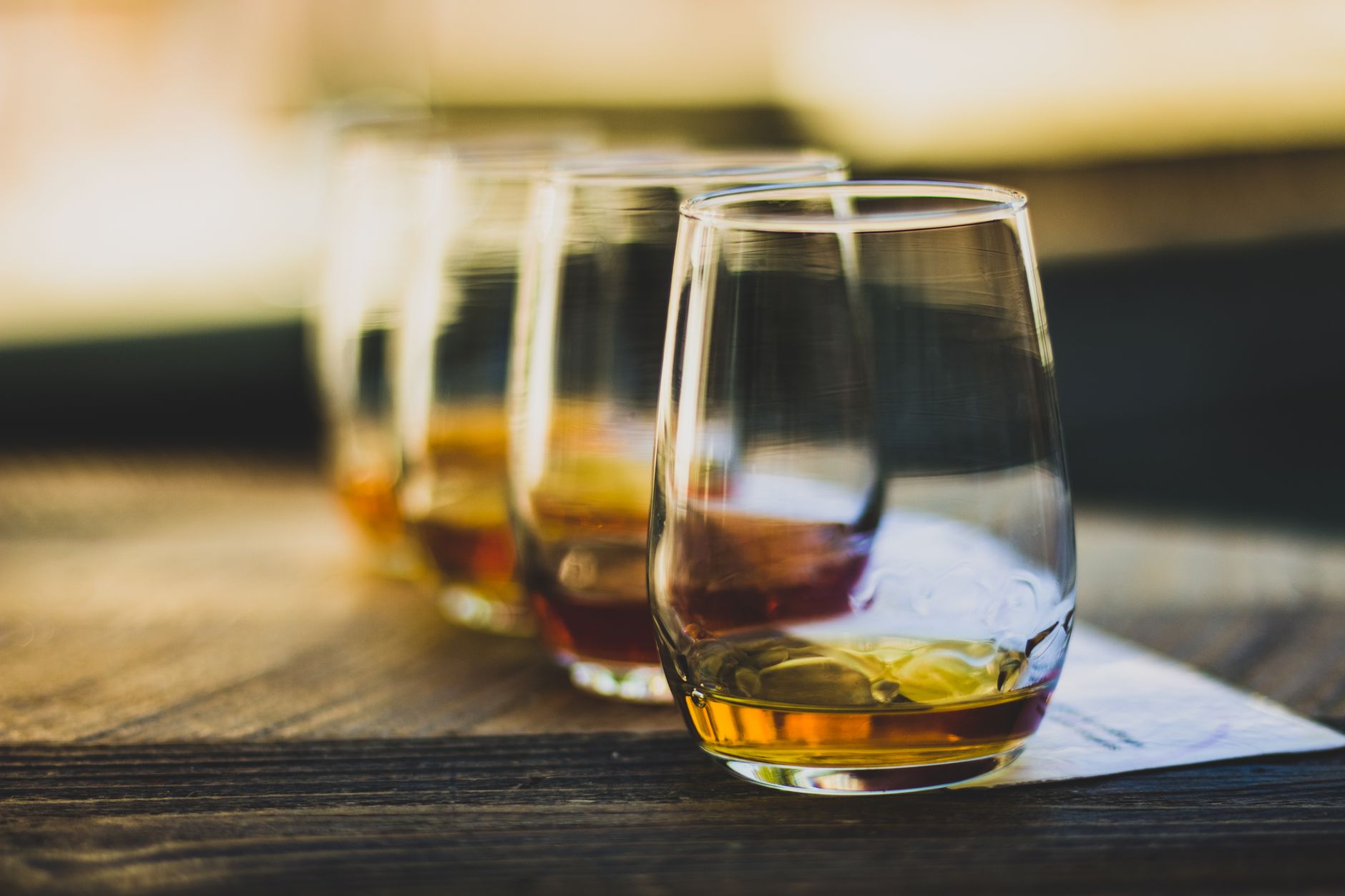
Tasting different ages side-by-side is a great way to discover what suits you. Start with young bourbons (around 3-4 years) for punchy, spicy notes if you like bold freshness. Then try mid-aged varieties (6-8 years) which balance warmth and sweetness for casual sipping. Older bourbons (10+ years) offer rich complexity and smooth finishes, great for more contemplative tasting.
Seasoned bourbon drinkers appreciate nuances within these categories, noting subtle oak intensity or hidden spice. Beginners can focus on smoothness and flavor balance to avoid harsher, younger bottlings. Remember, age is one factormash bill, proof, and distillery style also shape taste.
Best Bourbon Age?
What is the best bourbon age? It depends on what you enjoy and how you plan to drink it. Younger bourbons work nicely in cocktails, where bright flavors and spice can cut through mixers. Older bourbons shine when sipped neat or with a splash of water, delivering complexity and lingering warmth. Industry standards suggest at least 4 years aging for straight bourbon to be considered quality, but many brands offer delicious younger or older options.
Factors to Consider When Choosing Bourbon Age
Price often rises with age but doesnt guarantee better enjoyment. Some bourbons over 12 years can be very expensive but less balanced in flavor for your taste. Proof, mash bill, and brand style play large roles toohigh-rye bourbons taste spicier regardless of age, while wheated bourbons tend to be softer.
Your occasion also matters. Rich, aged bourbon can be a slower, thoughtful drink; younger ones are great for lively social settings or mixed drinks. Remember that aging isnt the sole quality marker; many respected distilleries maintain consistent quality across age ranges.
Expert Recommendations for Bourbon Age
Master distillers often recommend starting with mid-aged bourbons (6 to 8 years) for a balance of flavor and smoothness. Sommeliers highlight the importance of tasting a range to understand oak interaction and to avoid over-oaked disappointments. They suggest seeking out limited releases or small-batch bourbons which can offer interesting variety even at younger ages.
When curious, comparing widely praised affordable bottlings versus rare aged versions can give insight into what age profile pleases you most. For a trusted guide on related drink choices, check out this handy comparison of Flat white vs latte to see how subtle flavor balance matters in beverages.
Other Effects of Aging
Apart from taste, aging deepens bourbons coloryoung bourbon is pale golden, while older bourbon shows amber or reddish hues. The mouthfeel shifts too, moving from sharp or thin to rich and oily. Finish length typically extends with age, offering lingering warmth and complexity.
Warehouse conditions affect aging as well. Distilleries in warmer climates or higher rickhouse levels experience faster aging due to more heat and air flow, changing how bourbon tastes at the same stated age.
Is bourbon age taste regulated for Halal certification?
Bourbon itself is Halal by definition as it is distilled from grains and aged in barrels without non-Halal additives, but Halal certification bodies like JAKIM or IFANCA look for traceability and alcohol production controls. When buying Halal bourbon or whiskey, look for logos from trusted bodies such as JAKIM, HMC, or IFANCA on the label.
How long should bourbon be aged for best taste?
Most bourbons show good flavor and smoothness after 4 to 8 years. Aging beyond 10+ years suits more experienced palates but isnt necessary for enjoyable sipping. Barrel type, proof, and mash bill can influence ideal aging time.
Can I enjoy bourbon younger than the labeled age?
Usually, the age on the label reflects the youngest whiskey in the bottle. Some bourbons blend ages to find a flavor balance that can be enjoyable younger. However, tasting straight young bourbon (under 4 years) might reveal sharper or hot notes that some find less pleasant.
Does the bottle proof affect bourbon age taste?
Yes. Higher proof bourbons tend to taste bolder and can mask or highlight aging flavors differently. For example, a 100 proof 8-year bourbon may present oak and spice more intensely than a 90 proof version of the same age.
Should I always buy bourbon based on age statement alone?
No. Age is just one factor in taste. Distillery style, mash bill, and batch quality are equally important. Many highly rated bourbons come without an age statement but perform excellently.
Whats the difference between straight bourbon and other bourbons?
Straight bourbon must age at least two years with no added flavors or coloring. It shows pure bourbon age taste characteristics, while other bourbons may use shorter aging or additives that change flavor.
Is aged bourbon good for cocktails?
Older bourbons have richer flavors that can be overshadowed in cocktails. They are generally best sipped neat or on the rocks, while younger bourbons provide spice and brightness that stand out in mixed drinks. For a broader look at spirits you can enjoy, consider exploring Affordable vodka options as well.
Most overlooked bourbon buying mistake
Many buyers pick bourbons solely by age, expecting older means better. This often leads to over-oaked, bitter bottlings that dont match their taste. Instead, focus on flavor notes, mash bill, and trusted brand quality for a more satisfying purchase.
Why do cheap bourbons disappoint despite age claims?
Low-cost aged bourbons may use harsh distillation techniques or poor barrel management that results in unbalanced flavors. Age alone cant compensate for inferior raw materials or craftsmanship.
One expert tip for buying bourbon
Try tasting samples at bars or stores before buying bottles, especially when exploring new age ranges. Your palate guides you better than any age statement. Also, read labels carefully for proof and barrel finish details to understand taste expectations better.
More You Might Like
Explore the subtle differences between popular coffee drinks with our comparison of Flat white vs latte, perfect for your next cafe order.
If spirits are your interest, check out our guide on Affordable vodka to find quality yet Halal-friendly options for mixed drinks or neat enjoyment.
Conclusion
Bourbon age taste offers a rich landscape of flavors shaped by barrel time and other factors. While older bourbon often brings warmth and smoothness, younger versions can deliver fresh spice and liveliness. The best bourbon age depends on what you enjoy mostwhether oak richness or bright corn sweetness. Next time you choose a bottle, pay attention to age and other label details, then savor each sip knowing youve found the flavor that fits your palate.
FAQs
Is bourbon age taste actually Halal — what should I check on the label?
Bourbon itself is Halal as it is distilled from grains without non-Halal additives. To be certain, look for Halal certification logos from trusted bodies like JAKIM, HMC, or IFANCA on the bottle label indicating proper production controls.
How long should bourbon be aged for the best taste?
Most bourbons develop good flavor and smoothness after 4 to 8 years of aging. Longer aging over 10 years suits experienced palates but isn’t essential for enjoyable sipping. Barrel type and proof also influence ideal aging time.
What is the difference between younger and older bourbon flavors?
Younger bourbons (under 4 years) offer bright, spicy notes and freshness, while older bourbons (8+ years) have richer caramel, oak, and smoothness. Older can be complex but may become overly oaked or bitter beyond certain ages.
Can I use aged bourbon in cocktails?
Older bourbons with rich flavors are generally best sipped neat or on the rocks, as their nuance can be lost in mixed drinks. Younger bourbons with brighter, spicier notes work better for cocktails.
Where can I buy bourbon with reliable age statements and quality?
Purchase bourbon from reputable retailers or specialist liquor stores that provide clear age statements and brand quality assurance. Sampling options can help find your preferred age taste before buying.