Have you ever wondered what happens when you mix chocolate with savory flavors? Most people reach for a bar of milk chocolate when they crave something sweet, but the world of chocolate pairings extends far beyond desserts. Pairing chocolate with salty, spicy, or umami-rich ingredients creates a whole new tasting experience. It might sound odd at first, but the combination works because of how our taste buds respond to contrasting and complementary flavors. Lets explore ten savory chocolate pairings that will change how you think about this beloved ingredient.
These pairings are not just for adventurous eaters. Chefs and chocolatiers have used them for years to create memorable dishes. Whether you are hosting a dinner party or simply curious about trying something new, these combinations offer a balanced and delicious surprise. Before you start, remember that the quality of your chocolate matters. Look for Halal-certified chocolate with a clean ingredient list. Now, lets uncover why savory and chocolate belong together.
Why Savory Chocolate Pairings Work: The Basics
What makes chocolate pair well with savory foods?
Chocolate contains over 600 flavor compounds, many of which also appear in cheese, meat, and vegetables. The bitterness of dark chocolate, for example, interacts with saltiness to reduce perceived bitterness while enhancing sweetness. The science behind this is simple: opposing flavors balance each other. Umami-rich ingredients like miso or aged cheese amplify the depth of cocoa. Fat from dairy or meat carries the chocolates aroma, making each bite more complex.
Important considerations for chocolate pairings
Not every combination works. A pairing can fail if the chocolate is too sweet or the savory ingredient overpowers it. Start with quality chocolate that has at least 60% cocoa content for savory experiments. Avoid flavored chocolates, as they mask the natural notes. Also, consider dietary restrictions. Some pairings involve dairy or gluten, so check labels for Halal certifications. Begin with small portions to test your palate. A balanced pairing should leave you wanting another bite, not reaching for water.
Top 10 Unexpected Savory Chocolate Pairings
1. Dark Chocolate and Blue Cheese
The creamy, salty bite of blue cheese cuts through the bitterness of dark chocolate. A 70% cocoa chocolate pairs best with a mild blue like Gorgonzola. Serve both at room temperature for the best texture. Place a thin slice of cheese on a square of chocolate and let it melt slightly on your tongue.
2. Chocolate and Miso
Miso paste brings deep umami and a hint of salt that complements chocolates earthiness. Mix a teaspoon of white miso into melted dark chocolate for a sauce over grilled vegetables or tofu. The fermentation in miso adds a subtle tang that lifts the cocoa.
3. Dark Chocolate and Rich or Spicy Meats
Chorizo, smoked sausage, or thinly sliced beef jerky provide salt, smoke, and spice. The fat in the meat coats your mouth, allowing the chocolate to linger. Try a spicy dry-cured chorizo with a 65% dark chocolate bar for a contrast that feels both rustic and refined.
4. Dark Chocolate and Beets
Roasted beets have an earthy sweetness that mirrors the fruity notes in dark chocolate. Cube cooked beets and toss them in a dark chocolate ganache for a simple dessert. The combination also works in a salad with a light cocoa vinaigrette.
5. Dark Chocolate and Chili Oil
Heat from chili oil intensifies the natural spice of cacao. Drizzle a high-quality chili oil over a dark chocolate tart or use it as a dip for chocolate-covered pretzels. The oil also adds a smooth mouthfeel that softens the chocolates tannins.
6. Semi-Sweet Chocolate and Bacon
Smoky, salty bacon meets sweet chocolate in a classic sweet-savory duo. Use thick-cut bacon baked until crispy, then dip half in tempered semi-sweet chocolate. Let it set at room temperature. The contrast of salt and sugar is irresistible.
7. Dark Chocolate and Foie Gras
This pairing is for special occasions. The rich, buttery texture of foie gras coats the palate, while dark chocolate cuts through the fat. Serve a small slice of seared foie gras on a chocolate wafer with a sprinkle of sea salt. The combination is luxurious and balanced.
8. Chocolate and Black Garlic
Black garlic is sweet, tangy, and slightly savory. Its molasses-like flavor blends seamlessly with milk or dark chocolate. Mash a clove of black garlic into melted chocolate and spread it on toast or use it as a glaze for roasted chicken.
9. Dark Chocolate and Tempeh
Tempeh, a fermented soybean product, offers nutty and earthy notes. Cube tempeh, pan-fry it until golden, then toss in a dark chocolate and soy sauce glaze. The result is a vegetarian snack that satisfies both sweet and savory cravings.
10. White Chocolate and Caviar
White chocolate is creamy and sweet, while caviar bursts with salty, briny flavor. Place a small spoonful of caviar on a round of white chocolate truffle. The temperature contrast and flavor pop create an elegant appetizer that sparks conversation.
Best m&m flavors offer a different kind of chocolate experience, but these savory pairings show how versatile cocoa can be.
Dark Chocolate Pairings vs White Chocolate Pairings: Whats the Difference?
Flavor profiles and best uses
Dark chocolate contains a high percentage of cocoa solids, giving it bitterness, acidity, and fruit notes. White chocolate has no cocoa solids, only cocoa butter, sugar, and milk, resulting in a sweet, creamy base. Savory pairings with dark chocolate work best with salty, spicy, or umami ingredients. White chocolate pairs better with salty, briny, or tangy flavors that cut through its sweetness.
Popular savory pairings with dark chocolate
Blue cheese, miso, chili, and cured meats are natural partners for dark chocolate. The bitterness of the chocolate provides a counterpoint to salt and spice. For a simple starter, try dark chocolate with smoked almonds or olives.
Popular savory pairings with white chocolate
White chocolate shines with caviar, aged Parmesan, or pickled vegetables. The saltiness of these foods balances the sugar. A white chocolate and rosemary shortbread with flaky sea salt is another easy option.
Best Chocolate Combinations: Tips From Experts
How to identify a perfect chocolate pairing for your palate
Start by tasting the chocolate alone. Note its dominant flavors: fruity, earthy, nutty, or floral. Then sample the savory ingredient separately. Place a small piece of each in your mouth together. If the flavors harmonize without one overpowering the other, you have a winner.
Role of texture, aroma, and temperature in chocolate pairings
Texture matters. A crunchy chocolate pairs well with a creamy cheese, while a smooth chocolate ganache works with crunchy bacon. Aroma can enhance the experiencetoast spices like cumin or coriander before pairing to release oils. Serve chocolate at 6570F to keep it firm but meltable.
Recommended pairings for cooking vs. direct tasting
For cooking, use chocolate with a cocoa percentage between 55% and 70%. Melt it slowly and combine it with savory liquids like broth or balsamic vinegar. For direct tasting, use single-origin chocolate bars to appreciate the flavor nuances. A Jell-o rocket pops recipe is a fun sweet alternative, but for savory, stick with high-quality bars.
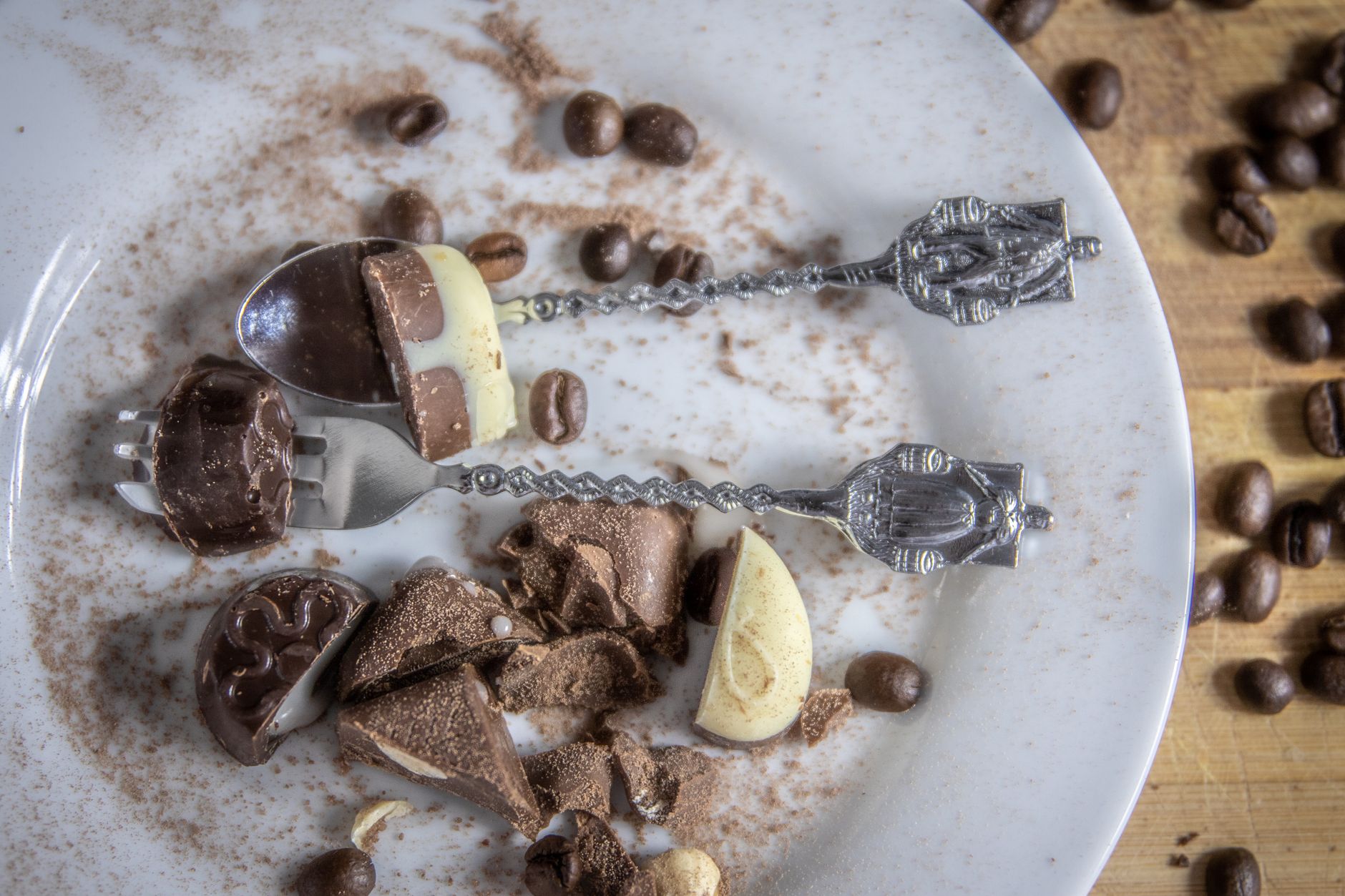
The key to expert pairings is balance. Avoid using too much chocolate or too strong a savory element. A common mistake is pairing overly sweet white chocolate with very salty ingredientsthe salt can taste harsh. Instead, let the sweetness and saltiness dance together at equal strength.
Can any chocolate be paired with savory foods?
Not all chocolate works. Milk chocolate with high sugar content can clash with savory ingredients, leaving a cloying aftertaste. Stick with dark chocolate (6085% cocoa) or quality white chocolate with real cocoa butter. Avoid compound coatings that contain vegetable fats.
Are there health benefits or concerns with savory chocolate pairings?
Dark chocolate contains antioxidants and minerals like iron and magnesium. Pairing it with protein-rich foods like meat or cheese can make a balanced snack. However, some pairings like bacon and chocolate add extra saturated fat and sodium. Enjoy them in moderation. According to the USDA FoodData Central, a 1-ounce serving of 70% dark chocolate has about 170 calories and 12 grams of fat.
How to store chocolate and savory ingredients for pairing?
Store chocolate in a cool, dark place at 6070F, away from strong odors. Wrapped tightly, a dark chocolate bar can last 23 years. Once opened, consume within 57 days for optimal flavor. For savory ingredients like cheese or cured meat, keep them in the refrigerator. Remove them 30 minutes before serving to bring out their aromas.
What are some beginner-friendly savory chocolate pairings?
Start with dark chocolate and sea saltsimple and foolproof. Next, try dark chocolate with roasted nuts (almonds or cashews). Then move to chocolate with aged Gouda or smoked paprika. Each step builds your confidence in balancing flavors.
Does the type of chocolate matter for savory pairings?
Yes, significantly. Single-origin chocolates from Madagascar or Ecuador have fruity notes that pair well with citrus or tropical fruits. Chocolates from Ghana have earthy flavors that suit meats and mushrooms. Always choose a chocolate with minimal ingredients: cocoa mass, sugar, cocoa butter, and vanilla.
Can I pair chocolate with spicy foods?
Absolutely. Spicy foods like chipotle, cayenne, or Sichuan pepper elevate chocolates natural heat. The capsaicin in peppers interacts with cocoa to create a warm, lingering sensation. Start with a mild heat and increase gradually.
Are there any chocolate pairings to avoid?
Avoid pairing very sweet chocolate with very acidic ingredients like vinegar or citrus juicethe acidity can taste metallic. Also, avoid chocolate with menthol or mint when pairing savory dishes, as the cooling sensation clashes with the warmth of chocolate.
Savory chocolate pairings open up a world of flavor you might have never considered. From blue cheese to caviar, each combination offers a unique taste adventure. The key is to start simple, use high-quality ingredients, and trust your palate. The next time you reach for a chocolate bar, think beyond dessert and try something savory.
Remember to look for Halal certification on your chocolate, especially if you follow dietary guidelines. Many chocolate brands now carry JAKIM or IFANCA logos, ensuring the product meets Islamic standards. Experiment with these chocolate pairings and discover your favorite. You might just find that savory and chocolate are a match made in heaven.
FAQs
Is chocolate pairings actually Halal — what should I check on the label?
Yes, chocolate pairings can be Halal if you use Halal-certified chocolate. Check for certification logos such as JAKIM or IFANCA on the packaging. Also ensure that any savory ingredients like cheese or meat are Halal. Avoid chocolate with alcohol-based flavorings or non-Halal emulsifiers.
How long do chocolate pairings last after opening?
Store chocolate in a cool, dark place at 60-70°F. Once opened, consume within 5-7 days for optimal flavor. Savory ingredients like cheese or cured meat should be refrigerated and used within recommended dates. Bring them to room temperature before serving.
What is the difference between savory chocolate pairings and sweet chocolate pairings?
Savory chocolate pairings use ingredients like cheese, meat, miso, or chili to complement the chocolate's bitterness and umami. Sweet pairings rely on sugar, fruits, or caramel. The key difference is balance: savory pairings highlight contrast, while sweet pairings enhance cocoa's natural sweetness.
Can I eat chocolate pairings daily?
Yes, in moderation. Dark chocolate (60-85% cocoa) offers antioxidants and minerals. Pairing with protein-rich foods like nuts or cheese makes a balanced snack. However, some pairings like bacon add saturated fat and sodium. Enjoy as an occasional treat rather than daily.
Where can I buy quality chocolate for savory pairings?
Look for high-quality chocolate with at least 60% cocoa content and minimal ingredients. Specialty chocolate shops, online retailers, and some grocery stores carry single-origin bars. Check for Halal certification if required. Brands like Lindt, Ghirardelli, or local artisan chocolatiers often have suitable options.