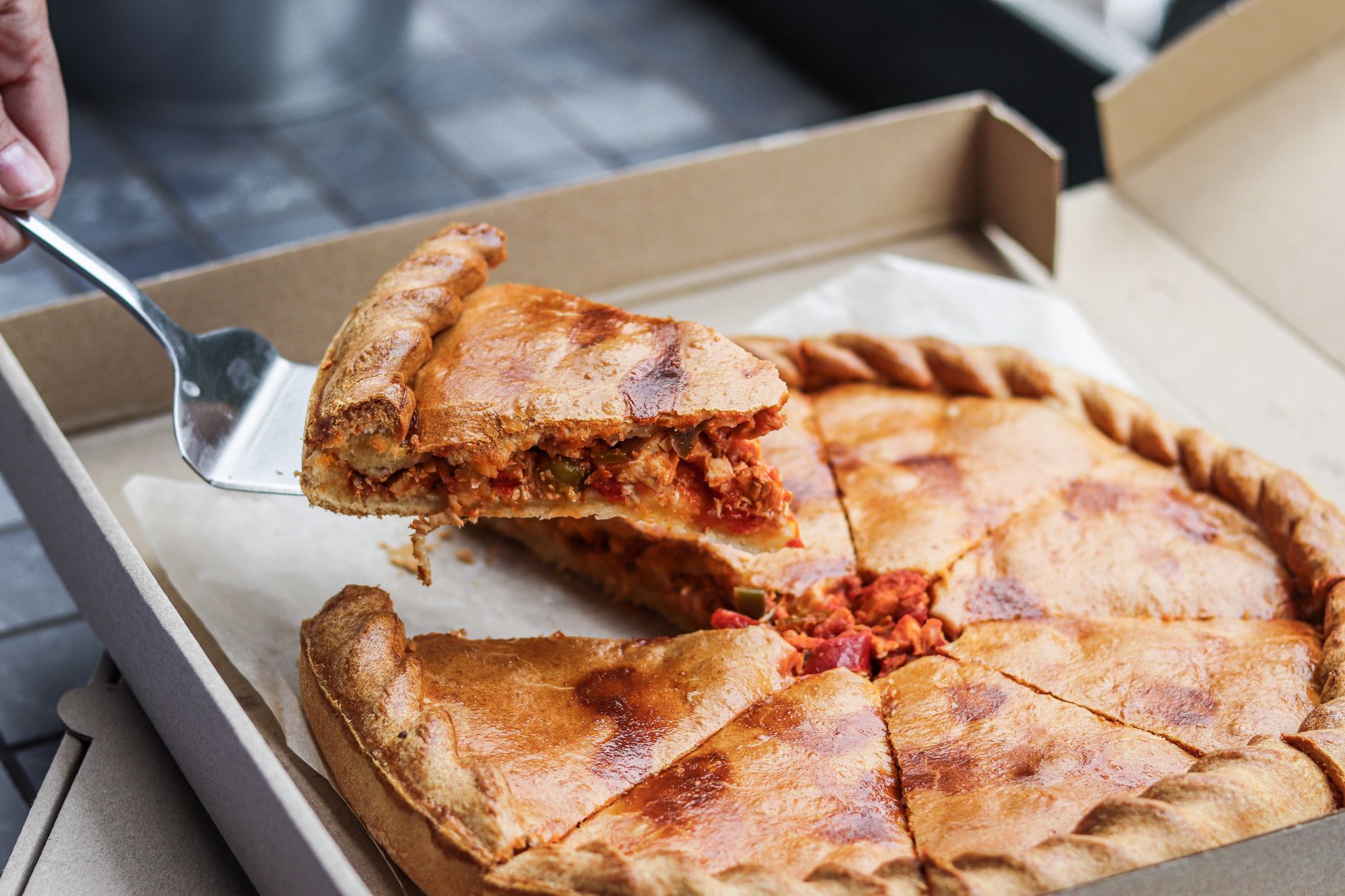
Have you ever bitten into a meat pie only to find it dry, soggy, or just plain bland? Meat pie mistakes happen to the best of us, whether you‘re a seasoned baker or trying it for the first time. From choosing the wrong crust to overfilling, these pitfalls can turn your delicious intention into a disappointing result. But dont worry knowing what to avoid is half the battle won. Heres a trusted guide to help you spot and fix the most common issues, so your next meat pie is tender, juicy, and perfectly golden.
Choosing Pastry Wisely
Which Pastry Works Best for Meat Pies?
Your choice of pastry is the foundation of a good meat pie. Using the wrong typefor instance, one thats too soft or too toughcan lead to a crust that either falls apart or chews like cardboard. Typically, shortcrust and lard-based pastries offer firm yet flaky textures ideal for holding a hearty filling. Puff pastry can add a delicate crispness but may get soggy faster if the filling is too wet.

Pastry Comparison Table
| Pastry Type | Texture | Best For | Drawbacks |
|---|---|---|---|
| Shortcrust | Firm, crisp | Traditional hearty meat pies | Can be crumbly if overbaked |
| Lard-based | Flaky, rich | Classic pies with buttery flavor | Not suitable for vegetarians |
| Puff Pastry | Light, flaky | Elegant, lighter pies | Soggy if filling too moist |
Pro tip: Many expert bakers recommend chilled shortcrust pastry for meat pies because it balances durability with tenderness. For halal baking, ensure your lard substitute is certified or use vegetable shortening.
Dough Handling Errors
What Happens When You Overwork Dough?
Overmixing or kneading dough excessively develops too much gluten, making the crust tough and chewy. Signs include a dense, rubbery texture or shrinkage while baking. If you notice your crust losing shape or becoming hard, you may have overhandled the dough.
Proper Dough Techniques
- Mix ingredients just until combined, avoiding over-kneading.
- Use cold water and fats to slow gluten development.
- After shaping, chill dough for at least 30 minutes to relax gluten and firm fats.
A baking enthusiast once shared that her pie crust turned rock-hard because she rolled the dough repeatedly in an attempt to get a thinner sheet. Chilling and minimal handling would have prevented that.
Skipping Dough Chilling
Why Chill Dough Before Baking?
Chilling dough solidifies fats and allows gluten strands to relax, critical factors for a flaky, tender crust. Skipping this step often leads to shrinking pies and an uneven, tough crust.
Chilling Guidelines
- Wrap dough in plastic and chill for at least 30 to 60 minutes before rolling.
- If using premade dough, still let it rest in the fridge for 20-30 minutes to firm up.
- Avoid rushing this stepit preserves pie shape and texture during baking.

Meat and Filling Mistakes
What Meat Fits Best and How to Prepare Filling Correctly?
Choosing the right meat cut is crucial. Lean meat alone can dry out; too fatty, and the pie becomes greasy. Ideally, use cuts with a moderate fat content around 15-20%, such as beef chuck or lamb shoulder. Halal-certified meats with clear origin and certification (like JAKIM or IFANCA logos) ensure standards you can trust.
Common Filling Errors
- Using tough or sinewy meat without proper cooking.
- Neglecting seasoning, leading to bland filling.
- Adding too much liquid, causing soggy pastry.
Preparing filling involves browning diced meat to seal juices, finely chopping vegetables for texture, and simmering ingredients with herbs and spices to boost flavor. Letting filling cool before adding reduces crust sogginess.
Balancing Flavors and Seasoning
Why Seasoning is Key in Meat Pies
Even a perfectly baked pie wont taste great if seasoning is off. Underseasoning makes filling dull, while overdoing strong spices masks meats natural flavor. Use herbs like thyme, rosemary, and bay leaf for warmth and depth, with measured salt and freshly ground pepper.
Seasoning Suggestions
- Salt to taste, adjusting after cooking.
- Fresh garlic or onion powder for aroma.
- A hint of Worcestershire sauce or soy sauce (check Halal certification) for umami.
A pinch of nutmeg or smoked paprika also brings subtle complexity.
Managing Moisture Levels
What Causes Soggy or Dry Filling?
Your fillings moisture balance directly affects the crusts texture. Too wet, and the bottom crust turns soggy; too dry, and the filling is tough and crumbly. Controlling water content is vital.
Practical Tips for Moisture Control
- Drain excess liquid after simmering filling, reserving some broth for richness.
- Use a thickening agent like flour or cornstarch to bind filling juices.
- Rest filling to cool and set before filling the pastry shell.
If your filling bubbles out during baking, try adjusting these steps next time.
Overfilling Issues
Why Less Filling Means Better Pie
Overstuffing a pie risks leaks, uneven cooking, and seal failure. Overfilled pies often burst open mid-bake, spilling hot filling and ruining the presentation. A moderate filling amount also allows heat to circulate, baking the crust evenly.
Filling Volume Tips
- Fill the pastry shell about two-thirds full to leave room for expansion.
- Press filling lightlynot packedwhen assembling.
- Use clear visual markers: in a 9-inch pie, this means roughly 3-4 cups of filling.
Finishing Touches Matter
The Role of Egg Wash and Vents
An egg wash brushed on the crust before baking gives a rich golden color and slight crispness. Skipping it can leave pale, dull pie tops. Also, vents on the pie lid allow steam to escape, preventing soggy crusts and filling spills.
Finishing Steps
- Beat one egg with a tablespoon of water for the wash.
- Brush evenly and gently over the crust before baking.
- Cut 3-4 small vents in the top crust using a sharp knife or pastry wheel.
For an egg wash alternative, milk or cream works but gives less shine.
Resting Before Cutting
Why Let Your Pie Rest?
Cutting into a meat pie immediately out of the oven risks runny filling and loss of juices. Letting the pie rest for at least 15 to 20 minutes allows filling to firm up and flavors to meld.
Resting Tips
- Place pie on a wire rack to cool evenly.
- Cover loosely with foil if resting longer than 20 minutes to retain warmth.
- Slice with a sharp serrated knife to avoid crushing crust.
This step transforms a sloppy pie into a neat, delicious meal.
Creative Risks
How to Experiment Safely
Dont be afraid to put your spin on meat pies, but balance creativity with technique. Adding flavors like curry spices, exotic herbs, or alternative meats can elevate your pie. Just keep the base pastry and filling moisture control rules in mind.
Fun Variations
- Try lamb and mint with a drizzle of yogurt.
- Use halal-certified chicken with mushrooms and thyme.
- Make a fusion pie with minced beef, taco seasoning, and cheddar cheese.
Remember, a solid foundation helps your creativity shine.

When is the best time to eat meat pies?
Meat pies make a hearty meal any time but are especially satisfying for lunch or dinner. Theyre great warm right out of the oven or cold from the fridge, making them a versatile option for packed lunches or picnics.
Is halal meat mandatory for authentic meat pies?
For those adhering to halal dietary requirements, using halal-certified meat is essential. Look for certification bodies like JAKIM, HMC, or IFANCA on packaging to ensure your ingredients meet halal standards. This guarantees the meat is slaughtered and handled according to Islamic laws.
How can I avoid soggy pie crusts?
Control moisture by draining filling thoroughly, using thickening agents, and chilling filling before assembly. Also, brushed egg wash and venting the crust help evaporate steam during baking.
What is the ideal fat content in meat filling?
A fat ratio of about 15-20% keeps filling juicy without making the pie greasy. Too little fat dries out meat; too much causes oily pastry and possible leakages.
Can I use store-bought pastry for meat pies?
Yes, store-bought pastry saves time and many brands offer halal-certified options. Just chill it before use and watch for ingredients to avoid preservatives that may affect flavor.
Why should I brush my pie with egg wash?
Egg wash promotes a golden, glossy crust that looks appetizing. It also enhances crispness and helps seals hold their shape. For those avoiding eggs, milk or cream can substitute but with less shine.
What is the best way to store leftover meat pie?
Wrap leftover pie tightly and refrigerate. It keeps well for 3 to 4 days. Reheat in an oven at 180C (350F) for 15-20 minutes to restore crispness.
Pro Tips for Perfect Meat Pies
- Dont skip chilling your doughits the secret to flaky crust.
- Let your filling cool completely before filling the pastry shell to avoid sogginess.
- Use halal-certified meat with moderate fat and always check for trusted logos like JAKIM to ensure authenticity.
- Season to taste but dont overpower with spices; balance is key.
One often-overlooked mistake is rushing the resting time after baking. Resist the urge to cut your pie immediately; letting it rest improves flavor and texture dramatically.
For more delicious bakery inspiration, check out the Corner bakery burbank experience. If you love discounts, keep an eye on the Corner bakery coupon code to save on your orders.
Conclusion
Meat pie mistakesfrom pastry choice to filling moisturecan turn your baking effort sideways. Avoiding these errors ensures a tender crust, juicy filling, and rich flavor every time. Next time you indulge in this classic dish, try applying these tips for a perfectly baked Halal-certified pie. Feel free to share your pie stories or questions in the comments belowhappy baking!
FAQs
When is the best time to eat or drink meat pie mistakes?
Meat pies are versatile and can be enjoyed any time, but are especially satisfying for lunch or dinner. They taste great warm straight from the oven or cold from the fridge, making them perfect for packed lunches, picnics, or a hearty meal anytime.
What is the shelf life of a meat pie after baking?
Properly stored, leftover meat pies can be refrigerated for 3 to 4 days. Wrap them tightly in plastic wrap or foil and reheat in an oven at 180°C (350°F) for 15 to 20 minutes to restore crispness and flavor before eating.
How do meat pies with halal-certified meat differ from regular pies?
Halal-certified meat pies use meat slaughtered and processed according to Islamic dietary laws, ensuring the meat complies with halal standards. This often includes specific certification marks, providing assurance about ethical and religious compliance without affecting taste.
Are meat pies safe to eat daily regarding health concerns?
Meat pies can be part of a balanced diet if enjoyed in moderation. Choosing quality halal-certified meat and controlling fat and seasoning helps. However, due to their rich pastry and meat content, they’re best consumed as occasional treats rather than daily staples.
Where can I buy halal-certified meat pies?
Halal-certified meat pies are available at specialty bakeries, halal grocery stores, and online halal food retailers. Always check for halal certification marks like JAKIM, IFANCA, or HMC on packaging to ensure authenticity and quality.