Crispy, golden fried chicken starts with one simple question: which flour should you reach for? The best flour fried chicken isn‘t about a single brand or type it‘s about understanding how protein content, starch, and texture work together under heat. Pick the wrong flour and you end up with a dense, greasy crust. Pick the right one and every bite shatters beautifully. Let‘s break down what actually works, why it works, and how you can upgrade your next batch.
Why Flour Choice Matters for Crispy Fried Chicken
What role does flour play in frying chicken?
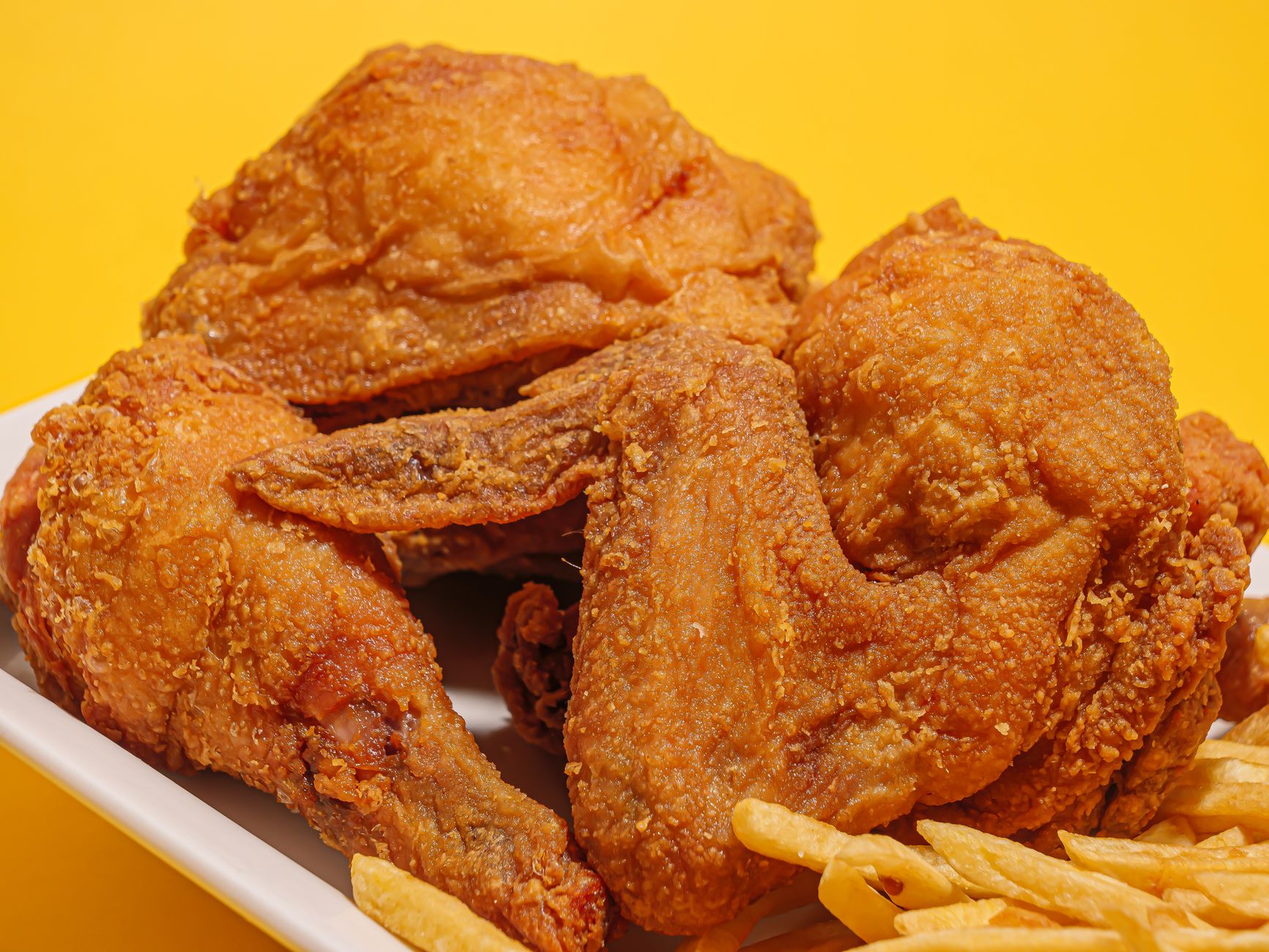
The best flour fried chicken relies on a few key reactions. When flour hits hot oil, its starches gelatinize and its proteins (gluten) form a rigid network. That network traps steam from the chicken, creating pressure that puffs up the crust. The result is a light, crunchy shell not a heavy paste. Too much gluten (like bread flour) makes the crust tough. Too little (like cake flour) and the coating won‘t hold together. According to food science basics from the Institute of Food Technologists, a protein content between 8% and 10% is ideal for frying. That‘s exactly what standard all-purpose flour delivers.
Common mistakes when selecting flour for frying
Many home cooks grab the first bag of flour they see and expect perfect results. The most common mistake is using low-protein flour for a wet batter the coating slides off during frying. Another mistake: skipping the resting time after dredging. That 1015 minute rest lets the flour hydrate and stick firmly to the skin. Without it, the breading flakes off into the oil. A friend once tried rice flour straight without any binder; her chicken came out gritty and dry. A simple blend fixed it.
Best Types of Flour for Fried Chicken
All-Purpose Flour The Classic Choice
All-purpose flour (protein 911%) is the gold standard for a reason. It provides enough gluten for structure but not enough to turn chewy. To make it even better, mix 2 parts all-purpose with 1 part cornstarch. The cornstarch lowers the gluten ratio and adds extra crispness. If you want a slightly nuttier flavor, try a blend with a small amount of whole wheat but keep it under 25% or the crust becomes too dense.
| Flour Type | Protein % | Crunch Level | Best Use |
|---|---|---|---|
| All-purpose | 911% | Medium | Versatile, everyday fried chicken |
| Wondra | 78% | High | Ultra-crispy, professional-style crust |
| Rice flour | 0% (gluten-free) | Very high | Gluten-free, shatteringly crisp |
| Self-rising | 79% + leavening | Medium-high | Puffy, airy crust (use with buttermilk) |
Wondra Flour Get Cracklin‘ Perfectly
Wondra is a superfine, pre-cooked flour that dissolves almost instantly in liquid. Its low protein content (about 7%) means it forms very little gluten, so the crust stays delicate and crackly. Chefs often use it for fish and chicken because it creates a thin, lace-like coating that doesn‘t absorb too much oil. If you can‘t find Wondra, you can approximate it by briefly toasting all-purpose flour in a dry pan and then grinding it in a food processor. The texture won‘t be identical, but it‘s close.
Rice Flour Going Gluten-Free and Crunchy
Rice flour is naturally gluten-free and produces a very hard, crunchy crust. The granules don‘t absorb moisture as readily as wheat flour, which means less oil soaks in during frying. For the best result, combine rice flour with a small amount of potato starch (about 1 part potato starch to 4 parts rice flour). This blend mimics the grip and browning of wheat-based flour. A reader with celiac disease shared that this mix gave her the crispiest fried chicken she‘d had in years. Just make sure your rice flour is finely ground coarse rice flour can feel sandy.

Self-Rising Flour Bubbly and Fluffy Texture
Self-rising flour already contains baking powder and salt. When you use it for fried chicken, the leavening agents react with moisture and heat, creating tiny air pockets in the crust. The result is a puffy, bubbly coating that‘s lighter than one from plain all-purpose flour. However, be careful: self-rising flour can make the crust too fragile if you overwork the batter. Use it in a dry dredge (not a wet batter) and fry at a consistent 350F so the bubbles set quickly before they collapse.
How to Optimize Your Flour Mix for Crunchy Chicken Breading
Should you mix flours?
Absolutely. A single flour rarely gives the perfect balance of crunch, adhesion, and flavor. The most reliable blend is 60% all-purpose flour, 30% cornstarch, and 10% rice flour. This combination gives you structure (AP), extra crispness (cornstarch), and a delicate shell (rice flour). For a Southern-style crust, swap the rice flour for a tablespoon of cornmeal. For an Asian-inspired version, replace half the all-purpose with tempura flour mix. Experiment with small batches to find your favorite ratio.
Seasoning your flour why it‘s essential
Flour alone is bland. You need salt, pepper, and aromatics deep inside the crust. A basic seasoning mix per cup of flour: 1 teaspoon salt, 1/2 teaspoon black pepper, 1/2 teaspoon garlic powder, 1/2 teaspoon paprika, and 1/4 teaspoon cayenne (optional). For a more complex flavor, add dried thyme or oregano. The seasoning must be mixed thoroughly into the flour not just sprinkled on top so every bite is evenly flavored. Remember that the chicken itself may already be brined or marinated, so don‘t oversalt the flour.
Step-by-step guide to crispy fried chicken with your flour blend
| Prep time | Cook time | Total time | Servings | Calories | Diet |
|---|---|---|---|---|---|
| 20 minutes | 1215 minutes per batch | 35 minutes (plus optional brining time) | 46 pieces | ~350 per piece (skin-on thigh) | Halal, can be gluten-free if using rice flour blend |
- Prepare the chicken: Pat chicken pieces dry with paper towels. If using bone-in pieces, allow them to rest at room temperature for 10 minutes. For extra juiciness, brine in a 5% salt solution (50g salt per 1L water) for 24 hours in the refrigerator, then rinse and dry.
- Make the flour blend: In a large bowl, combine 1 cup all-purpose flour, 1/2 cup cornstarch, and 1/4 cup rice flour. Add your seasoning mix (see above). Whisk thoroughly.
- Dredge the chicken: One piece at a time, coat the chicken in the flour blend, pressing firmly so the flour adheres. Shake off excess. Place the dredged pieces on a wire rack for 10 minutes this step is critical for adhesion.
- Heat the oil: Fill a heavy pot or Dutch oven with 2 inches of oil (canola or peanut works best). Heat to 350F (175C) using a thermometer. Maintain this temperature throughout frying.
- Fry the chicken: Add chicken pieces in a single layer, not touching. Fry for 68 minutes on one side, then flip carefully using tongs. Continue frying for another 68 minutes until the internal temperature reaches 165F (74C) for white meat, 175F (80C) for dark meat.
- Drain and rest: Transfer fried chicken to a wire rack set over a baking sheet. Do not use paper towels they trap steam and soften the crust. Let rest for 3 minutes before serving.
Tips for Perfect Fried Chicken Beyond Just Flour
The role of moisture and dredging technique
Moisture is the enemy of a crunchy crust but also its creator. Steam from the meat puffs up the flour, but too much moisture makes the coating soggy. That‘s why drying the chicken thoroughly and using a wire rack after dredging is essential. A buttermilk soak (24 hours) adds tang and helps the flour stick, but afterward you must let the excess drip off for 5 minutes before coating. If the chicken is too wet when it hits the flour, the crust will become pasty and heavy. Texas roadhouse steaks are known for their dry-aging process similar logic applies: less surface moisture leads to better crust development.
Cooking temperature and oil choice impact the crust
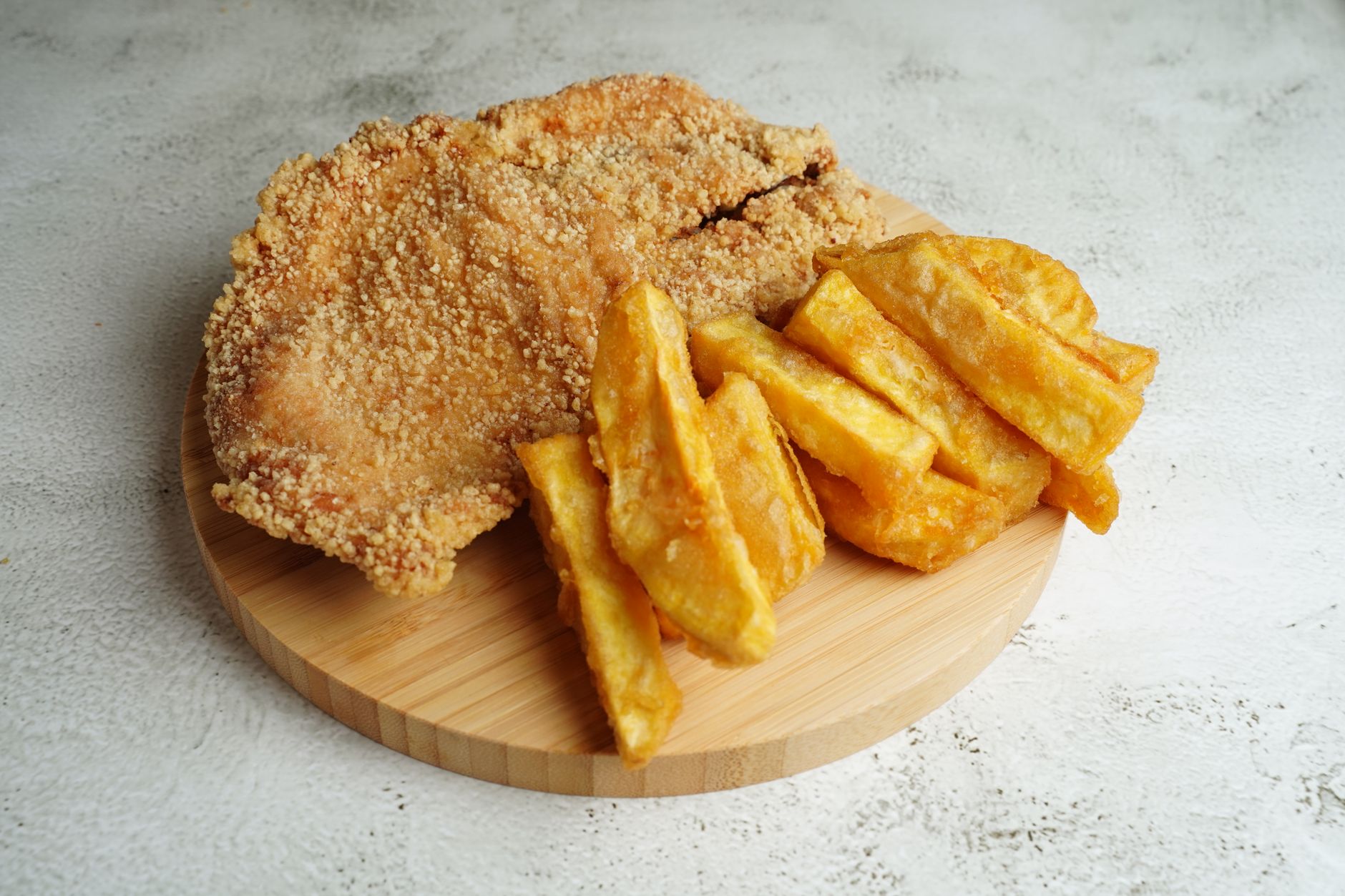
Oil temperature must stay at 350F throughout frying. If the oil drops below 325F, the flour absorbs fat instead of crisping. Use a deep-fry thermometer and adjust the burner between batches. Peanut oil has a high smoke point (450F) and a clean flavor, making it ideal. Canola oil is a close second. Avoid olive oil its smoke point is too low and it imparts a bitter taste at frying temperatures. For a richer flavor, you can use rendered beef tallow (ensure it‘s Halal-certified). Red meat fats like tallow can elevate the taste of fried chicken, but they must be used with care because they solidify at lower temperatures.
When is the best time to enjoy fried chicken made with the best flour?
The best time is within 30 minutes of frying, while the crust is still audibly crunchy. Fried chicken loses its crispness as it sits, especially if stored in a closed container. If you‘re serving a crowd, fry in batches and keep the finished pieces on a wire rack in a warm oven (200F) for up to 30 minutes. For leftovers, reheat in an air fryer at 375F for 45 minutes to revive the crust.
Can I use only rice flour for gluten-free fried chicken?
Yes, but the texture improves when you blend it. Straight rice flour can be gritty and doesn‘t brown as evenly. Mix 3 parts finely ground white rice flour with 1 part potato starch or tapioca starch. Add a pinch of xanthan gum (1/4 teaspoon per cup) to help the coating cling. Fry at 350F and do not overcrowd the pot gluten-free flours are more delicate and need consistent heat to set properly.
What oil temperature is best for frying chicken?
350F (175C) is the sweet spot. If the oil is too hot (above 375F), the outside burns before the inside cooks. If it‘s too cool (below 325F), the coating absorbs oil and becomes greasy. Use a clip-on thermometer and adjust the burner to maintain temperature. For bone-in pieces, you may need to reduce the heat to 340F after the first minute to prevent over-browning while the center cooks through.
Does the flour type affect how much oil the chicken absorbs?
Yes. Higher-protein flours (like bread flour) form a tougher crust that can trap more oil if overcooked. Lower-protein flours (like Wondra or rice-based blends) create a more porous crust that sheds oil better. In a test using identical frying conditions, chicken coated with a rice-flour blend absorbed about 15% less oil than one coated with all-purpose flour alone, according to a 2020 study in the Journal of Food Science.
Can I make the flour blend ahead of time?
Yes, the dry mix stores well for up to 3 months in an airtight container in a cool, dark place. Keep it sealed to prevent moisture absorption. If you add salt and spices, the potency of the spices may fade after 4 weeks, so for best flavor, add seasoning the day you plan to fry. Do not add wet ingredients (like buttermilk) until you‘re ready to cook.
Why does my fried chicken crust fall off after frying?
The most likely cause is skipping the resting step after dredging. When you coat the chicken and then fry immediately, the flour hasn‘t had time to hydrate and bond to the skin. Let the dredged pieces rest on a wire rack for 10 minutes the flour absorbs surface moisture and adheres firmly. Another cause: the chicken was too wet before dredging. Pat it very dry with paper towels before seasoning.
Is self-rising flour better than all-purpose for fried chicken?
It depends on the texture you want. Self-rising flour yields a lighter, puffier crust because of the baking powder. All-purpose flour produces a denser, crunchier crust. For a classic Southern-style chicken, self-rising works wonderfully with a buttermilk marinade. For an extra-crispy, shatter-like crust, use an all-purpose and cornstarch blend. Try both and see which one your family prefers.
More You Might Like
For another crowd-pleasing protein guide, check out our ranking of Texas roadhouse steaks to understand how different cuts and cooking methods affect texture and flavor. If you‘re interested in how animal fats impact cooking, our article on Red meat explains the differences between grass-fed and grain-fed options, plus tips for choosing Halal-certified beef.

Conclusion
Finding the best flour fried chicken is a matter of understanding your goals. All-purpose flour gives you reliable results. Wondra and rice flour push the crunch to the next level. Self-rising flour adds a light, airy twist. The real magic happens when you blend flours, season boldly, and respect the frying temperature. Next time you‘re in the kitchen, reach for a flour blend that matches your texture preference and don‘t skip the rest on the wire rack. Your taste buds will thank you.
FAQs
When is the best time to eat or drink best flour fried chicken?
The best time to enjoy fried chicken made with the best flour blend is within 30 minutes of frying, while the crust is still audibly crunchy. For serving a crowd, keep finished pieces on a wire rack in a warm oven at 200°F for up to 30 minutes to maintain crispness without steaming.
How long can a homemade flour blend for frying chicken be stored?
A dry flour blend for fried chicken can be stored in an airtight container in a cool, dark place for up to 3 months. If you add salt and spices to the mix, their potency may fade after 4 weeks. For best flavor, add seasoning the day you plan to fry, not months in advance.
What is the difference between all-purpose flour and self-rising flour for fried chicken?
All-purpose flour produces a denser, crunchier crust ideal for classic fried chicken. Self-rising flour contains baking powder, which creates a lighter, puffier, and more airy coating. Choose all-purpose with cornstarch for shatter-crisp results, or self-rising for a bubbly, delicate Southern-style crust.
Is it safe to eat best flour fried chicken daily?
While fried chicken made with the best flour can be enjoyed as part of a balanced diet, eating it daily is not recommended due to its high fat and calorie content. For occasional indulgence, use proper frying techniques (350°F oil, wire rack draining) to minimize oil absorption and keep the crust crispy.
Where can I buy the specific flours recommended for the best fried chicken crust?
You can buy all-purpose flour, Wondra, rice flour, and self-rising flour at most major grocery stores or online retailers. Wondra is often found in the baking aisle near specialty flours. For gluten-free options, finely ground white rice flour and potato starch are widely available at supermarkets and health food stores.