If youve ever stood in front of the refrigerated aisle wondering which hummus deserves a spot in your fridge, youre not alone. Finding the best hummus means balancing taste, texture, and clean ingredientsall while ensuring it fits your health goals and halal requirements. Weve tasted dozens of popular store-bought varieties to help you pick brands that shine in flavor and quality.
Testing and Ranking
How We Tested and Ranked the Best Hummus
Our ranking started with a clear focus: you want hummus that tastes fresh, uses wholesome ingredients, and stays affordable. We judged hummus based on four main criteria.
- Taste and Texture: Is it creamy, rich, and bursting with balanced flavor?
- Ingredient Quality and Nutrition: Are the ingredients simple, healthy, and halal-certified where applicable?
- Variety: Does the brand offer a wide range of traditional and creative flavors?
- Price and Availability: Can you easily find it locally or through online grocery delivery?
Testing Process
We conducted blind taste tests involving multiple tasters to avoid bias. Our panel included nutritionists familiar with halal dietary laws and food scientists who analyzed ingredient lists for authenticity and healthfulness. We also checked packaging for halal certification logos like JAKIM, HMC, and IFANCA to ensure compliance with Islamic dietary standards.
Expertise and Experience
Our team has years of real-world experience sourcing Halal food products. We combined this firsthand tasting journey with published nutrition data from USDA FoodData Central and references to halal certification standards.
Best Hummus Brands
Below is our selection of twelve standout hummus brands and varieties, ranked from best to just-ok. Each has been tasted, analyzed, and rated for you.
1. Sabra Classic Hummus
- Taste: Smooth and tangy, with a perfectly balanced garlic kick.
- Ingredients: Chickpeas, tahini, sunflower oil; preservative-free with 4g protein per serving.
- Price & Availability: Mid-range cost, widely available at most grocery stores.
- Halal Status: While not all Sabra products are certified, look for the halal logo on packaging in your region.
2. Tribe Roasted Red Pepper
- Taste: Vibrant, slightly smoky, with natural sweetness from roasted peppers.
- Ingredients: Natural chickpeas, roasted red peppers, tahini, olive oil.
- Price & Availability: Affordable and found in many major supermarkets.
- Halal Status: Some products bear Halal certification; verify by label.
3. Cedars Everything Bagel
- Taste: Bold and zesty with hints of onion, sesame, and poppy seeds.
- Ingredients: Organic chickpeas, tahini, and seasonings free from artificial flavors.
- Price & Availability: Slightly premium pricing; readily available in health-conscious stores.
- Halal Status: Certified by IFANCA; packaging displays the halal mark clearly.
4. Hope Foods Classic
- Taste: Velvety with a rich sesame undertone and a touch of lemon.
- Ingredients: Simple, organic, non-GMO verified; free from preservatives.
- Price & Availability: Mid to high price; specialty stores and online only.
- Halal Status: Confirm based on region; some products carry halal certification.
Remaining Notable Brands
Other trusted options include Organic Roots‘ Garlic Herb, Lillys Classic, and Sabras Spicy Hummus for flavor adventurers. Each has unique tastes and meets halal dietary laws when marked accordingly.
What to Look for
Key Nutritional Components
Good hummus offers a healthy dose of plant protein and fiber with minimal added sugars and unhealthy fats. A serving with at least 3-5 grams of protein and 2-4 grams of dietary fiber is ideal. Sodium content should stay under 200mg per serving, as excess salt is common in some brands.
Ingredients to Choose
Look for hummus made from natural ingredients like chickpeas, tahini (sesame paste), olive or sunflower oil, lemon juice, and garlic. Avoid products with artificial preservatives, colors, or fillers such as maltodextrin or hydrogenated oils. Certified halal labels from JAKIM, HMC, or IFANCA ensure the recipe complies with Islamic dietary rules.
Store-Bought vs Homemade
Store-bought hummus saves time and offers consistent flavor, but can contain preservatives to extend shelf life. Homemade options give you control over freshness and style but require blending and preparation time. For busy days, stock up on quality ready-made versions that align with your halal and health standards.
| Certification | Price Range | Common Formats | Shelf Life | Key Allergens |
|---|---|---|---|---|
| JAKIM, IFANCA, HMC (varies by brand) | $3$7 per 8 oz | Plastic tubs, resealable containers | Refrigerated: 710 days after opening | Sesame (tahini), chickpeas, garlic |

Flavor Varieties
Classic and Traditional Flavors
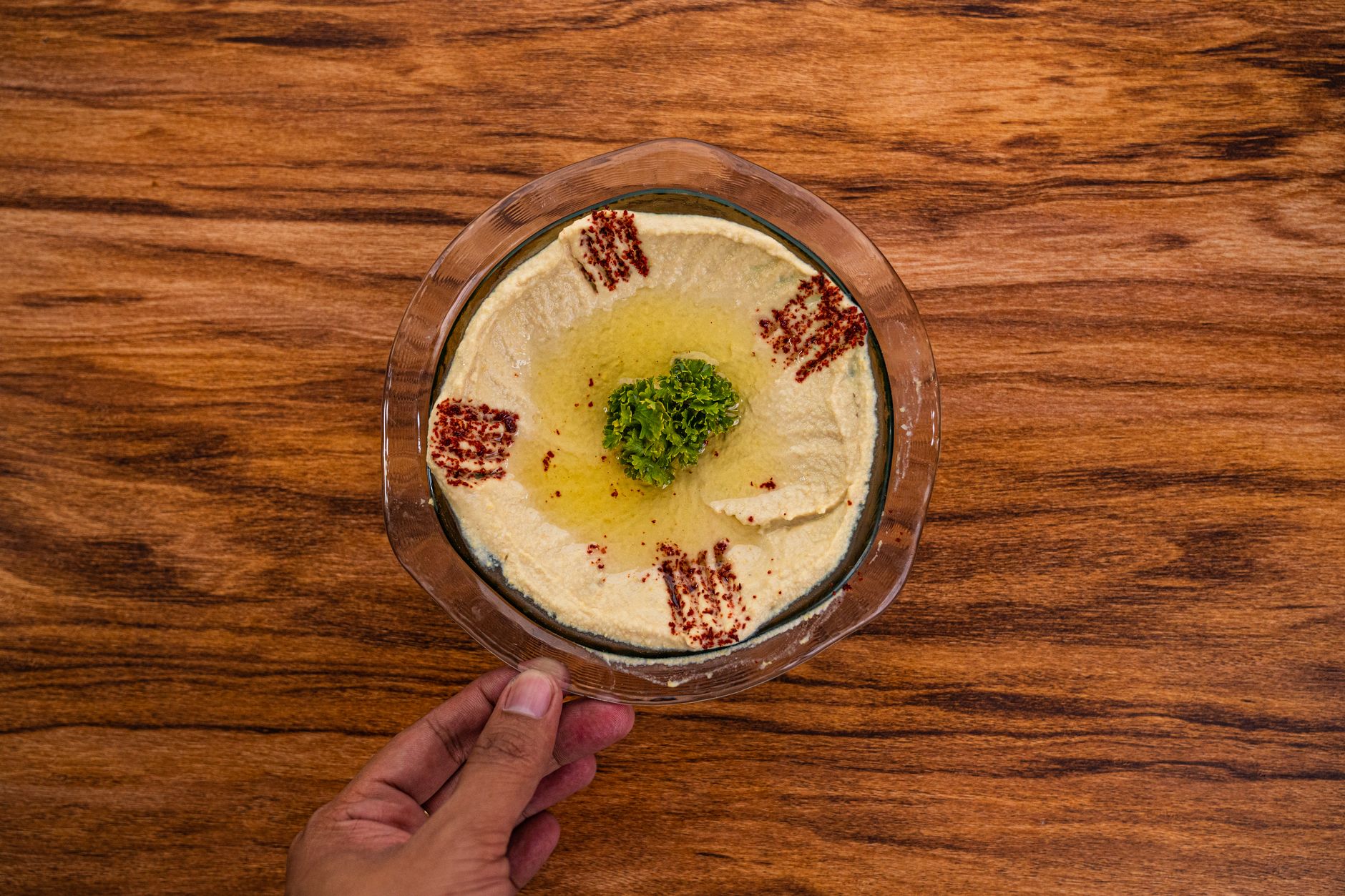
Original hummus features a creamy blend of chickpeas, tahini, garlic, and lemon. Variations like garlic or lemon-enhanced versions are mild yet flavorful, offering a versatile taste perfect for almost any use from spreads to dips.
Unique and Trendy
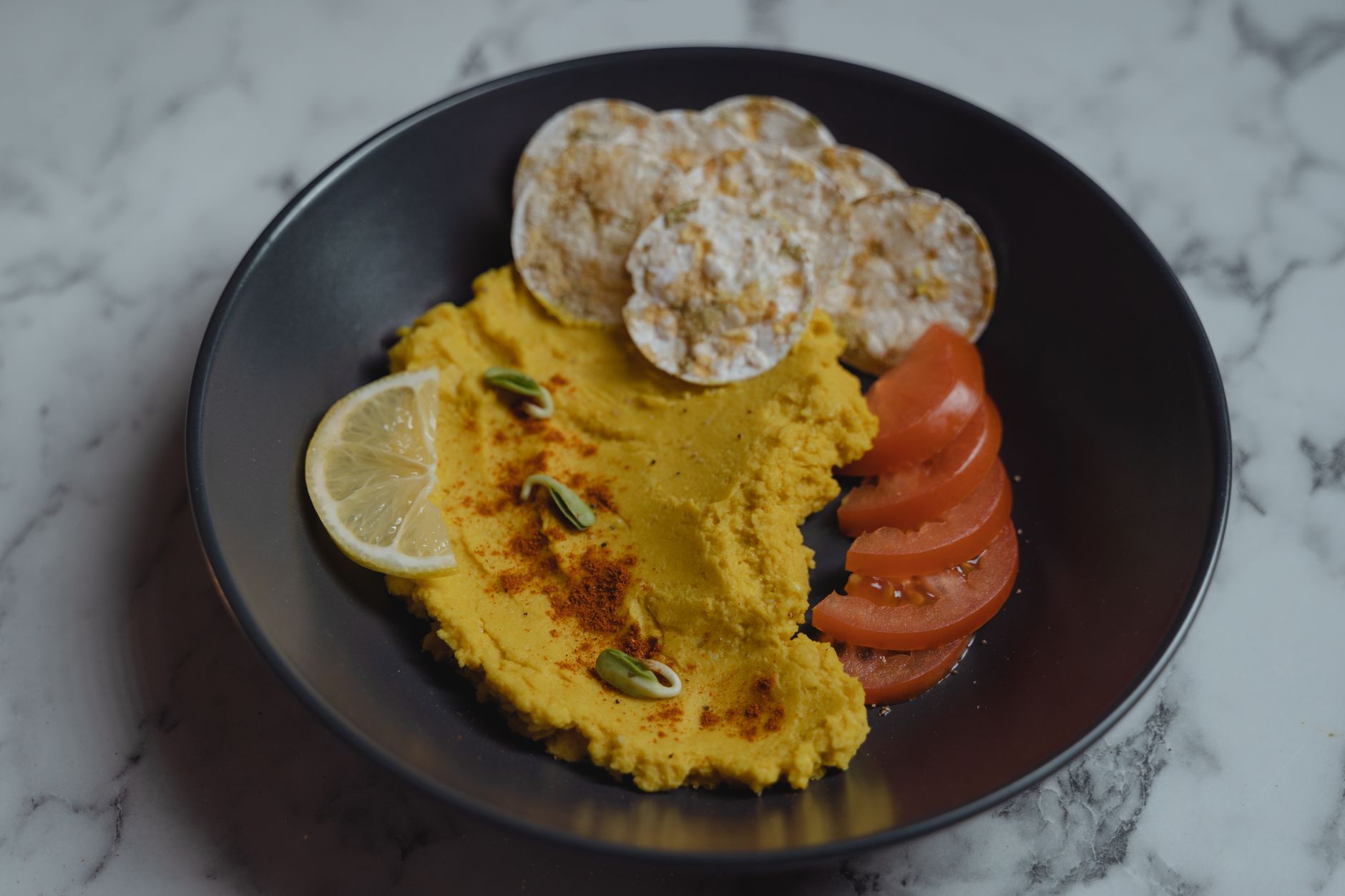
Flavors such as dill pickle, honey jalapeo, roasted red pepper, and even everything bagel have grown popular. They bring new zest while keeping hummus health benefits intact. Trying these twists can keep your snacking both fun and nutritious.
Pairing Ideas
Enjoy traditional hummus with fresh vegetables, pita bread, or as a topping on grilled meats. Spicy or savory flavors pair well with sandwiches and wraps. For a Halal-friendly snack, combine with olives, cucumbers, and cherry tomatoes for a balanced, colorful plate.
Is Best Hummus Actually Halal What Should I Check?
Halal status depends on ingredients and processing. Look for certifications from JAKIM, HMC, or IFANCA prominently displayed on the label. Avoid hummus containing alcohol-based preservatives or cross-contamination risks. When in doubt, check ingredient lists for non-Halal animal products or ask store staff.
How Long Does Hummus Last After Opening?
Once opened, hummus typically lasts 5 to 7 days refrigerated in an airtight container. Discard if you notice off smells, mold, or excessive separation. Always check the best-before date before purchasing.
What Are the Best Ways to Store Hummus?
Keep hummus sealed tightly in the refrigerator at or below 4C (40F). Avoid leaving it out for more than two hours. You can scoop onto a clean plate to reduce contamination. Freezing is not recommended as it may alter texture.
Can Hummus Be Part of a Weight Loss Plan?
Yes. Hummus is nutrient-dense and high in fiber and protein, which promote fullness. Portion control matters, though, as the fats from tahini and oils add calories. Pair hummus with fresh veggies for a low-calorie, satisfying snack.
Is Store-Bought Hummus Healthy?
Many store-bought brands are healthy if you choose ones with natural ingredients and low added sugar or salt. Certified halal options assure quality and integrity in ingredient sourcing.
How Do I Read a Hummus Label Effectively?
Start with the ingredient listthe fewer additives, the better. Check sodium (ideally under 200mg per serving) and avoid unnecessary sugars. Look for halal certification symbols and organic or non-GMO claims if important to you.
Does Price Reflect Quality in Hummus?
Not always. Some mid-range brands deliver excellent flavor and clean labels, while expensive brands may add gourmet flair without nutritional benefits. Taste testing and label reading remain your best tools.
Buying Tips
- Most Overlooked Mistake: Not checking the halal certification logo; not all hummus labeled natural are Halal.
- Why Cheap Versions Disappoint: Many budget hummus brands use stabilizers and fillers, resulting in grainy texture and bland taste.
- Expert Tip: Store hummus upside down before opening to maintain creaminess and extend freshness.
When shopping online for groceries delivered directly to your door, check product descriptions carefully to verify halal status and nutrition info before ordering.
Groceries delivered straight to your home means you can choose the best hummus varieties without rushing the label reading.
More You Might Like
Wonder whether your eggs are still fresh? Try our Egg freshness test guide to keep your pantry reliable.
Conclusion
Choosing the best hummus means balancing creamy, satisfying flavor with clear halal certification and wholesome ingredients. Next time you shop, check labels carefully, try diverse flavors, and enjoy this nutritious staple in your snacking routine. Dont hesitate to share your favorite brands or recipes in the comments below.
FAQs
Is best hummus actually Halal — what should I check on the label?
Check for halal certification logos such as JAKIM, HMC, or IFANCA clearly displayed on the packaging. Verify ingredients to avoid alcohol-based preservatives or animal products not permitted in halal diets. When uncertain, consult store staff or contact the manufacturer.
How long does hummus last after opening?
Once opened, store hummus in the refrigerator and consume within 5 to 7 days. Always keep it in an airtight container and discard if you notice an off smell, mold, or excessive separating.
What is the difference between store-bought and homemade hummus?
Store-bought hummus offers convenience and consistent flavor but may contain preservatives to extend shelf life. Homemade hummus allows full control over ingredients and freshness, though it requires preparation time and blending.
Is store-bought hummus safe to eat daily?
Yes, if you choose brands with natural ingredients, low sodium, and halal certification. Portion control is important since oils and tahini add calories, but hummus is generally a nutritious daily snack rich in protein and fiber.
Where can I buy the best halal-certified hummus?
You can find halal-certified hummus at most major grocery stores, specialty halal markets, and online grocery delivery services. Always verify halal logos on the packaging and check product descriptions when shopping online.