If you often consider grabbing a quick bite, the Whole Foods hot bar might seem like the perfect go-to. It offers tempting smells, a wide variety of dishes, and the allure of fresh ingredients. But how healthy and safe is it really? The Whole Foods hot bar draws shoppers looking for convenience and tasty ready-made meals, yet there are some important quality and safety questions to keep in mind before filling your plate. Lets take a closer look at what you should know.
What Makes the Hot Bar Popular?
The Whole Foods hot bar is a familiar feature to many shoppers who need a quick meal option. Youll find everything from grilled BBQ chicken, roasted vegetables, curry dishes, to samosas and greens neatly displayed for self-service. The appeal lies in variety and speed its a one-stop spot where you can mix and match different cuisines or flavors all in one visit.
Food industry experts note that hot bars are growing in popularity as consumers crave customizable, ready-to-eat meals that feel fresher than frozen pre-packaged food. This mix-and-match style also lets customers control their portions and try smaller samples of multiple dishes without committing to a full entre.
Why Shoppers Choose Whole Foods Hot Bar
Shoppers often pick the Whole Foods hot bar because it promises a fresh, diverse selection that fits any lifestyle. Whether you want vegetarian options or hearty proteins, you get quick meal prep without waiting in line. Plus, its easier to eyeball portion sizes and mix ingredients based on preferences or dietary needs.
Quality Standards at Whole Foods Hot Bar
Whole Foods emphasizes high quality and clean-label ingredients across its offerings. The hot bar food is prepared daily with a focus on fresh, often organic products. However, its not the same as made-to-order mealshot bar dishes are often prepared in bulk and held under heat lamps or refrigeration for hours.
Whole Foods follows safety and quality policies aligned with local health department regulations. Their employees get training on food handling and temperature controls, but the self-serve nature introduces variables that differ from freshly cooked-to-order meals.
Nutrition and Quality Details
Nutrition is a key consideration for anyone picking from the Whole Foods hot bar. The offerings vary widelyfrom roasted vegetables packed with vitamins to fried items high in sodium and fat. Your meal quality largely depends on which dishes you select.
How Nutritious Are Common Hot Bar Items?
Many hot bar staples, such as steamed greens, grilled chicken, and quinoa salads, provide good protein and fiber with relatively low calories. For example, 100 grams of roasted chicken breast contains about 165 calories with 31 grams of protein, according to USDA FoodData Central. Meanwhile, fried items like samosas and breaded vegetables often carry higher fat and sodium levelssometimes exceeding 400mg sodium per 100 grams.
Choosing steamed or roasted options generally yields a more nutritious plate. Whole Foods does list nutrition facts on many hot bar items, though exact values vary by store and preparation batch.
Are There Hidden Ingredients or Additives?
Some customers have noted that certain dishes include sauces or breading with added preservatives, sodium, or sugars not readily apparent. For example, a barbecue sauce could contain high fructose corn syrup or preservatives, while breaded items may have artificial flavors.
Transparency varies between stores, but many shoppers recommend asking staff about ingredients and checking for allergen notices. In some cases, ingredient lists arent readily posted, which can be frustrating for those seeking clean labels.
Food Safety Concerns
Safety is a hot topic around self-serve hot bars. With multiple customers handling utensils and exposed food sitting out for hours, there are risks of contamination or temperature abuse that can impact food safety.
Hot Bar Food Safety Management
Whole Foods follows a schedule for sanitizing serving stations and storing foods at safe temperatureskeeping hot food above 140F (60C) and cold items below 40F (4C), as recommended by local health codes. Staff receive training on hygiene and cross-contamination prevention.
Despite protocols, the self-service format poses challenges. Variable customer behavior, such as improper utensil use or food contact, can increase contamination risk. Busy times may coincide with slower cleaning cycles, leading to uneven conditions.
Customer Safety Concerns
Some shoppers report issues like crowded bars, messy serving stations, or food that appears dried out or less fresh during peak hours. There are also questions about allergen cross-contact, since items are displayed close together.
Understanding these concerns is essential, especially if you or family members have food sensitivities or weakened immune systems. Judicious selection and quick reporting of issues to staff can help ensure a safer experience.

Common Criticisms
Despite its popularity, the Whole Foods hot bar has its share of critics. Some say its pricey compared to cooking at home or even other prepared options. Others question if the quality always matches Whole Foods premium brand promise.
Allergies and Cross-Contamination Risks
Communal serving stations mean allergens like nuts, gluten, or dairy can easily transfer between dishes. Customers with allergies should proceed cautiously. Whole Foods typically posts allergen alerts, but cross-contact remains a risk inherent to shared hot bars.
Cleanliness Issues
Different stores show different levels of tidiness. Busy periods can lead to buffet mismanagementfood spills, utensil drops, or unattended empty trays. These factors may discourage some shoppers from returning to the hot bar regularly.
Tips for Using the Hot Bar Safely
- Inspect the food temperature visuallyavoid items that look cold or dried out.
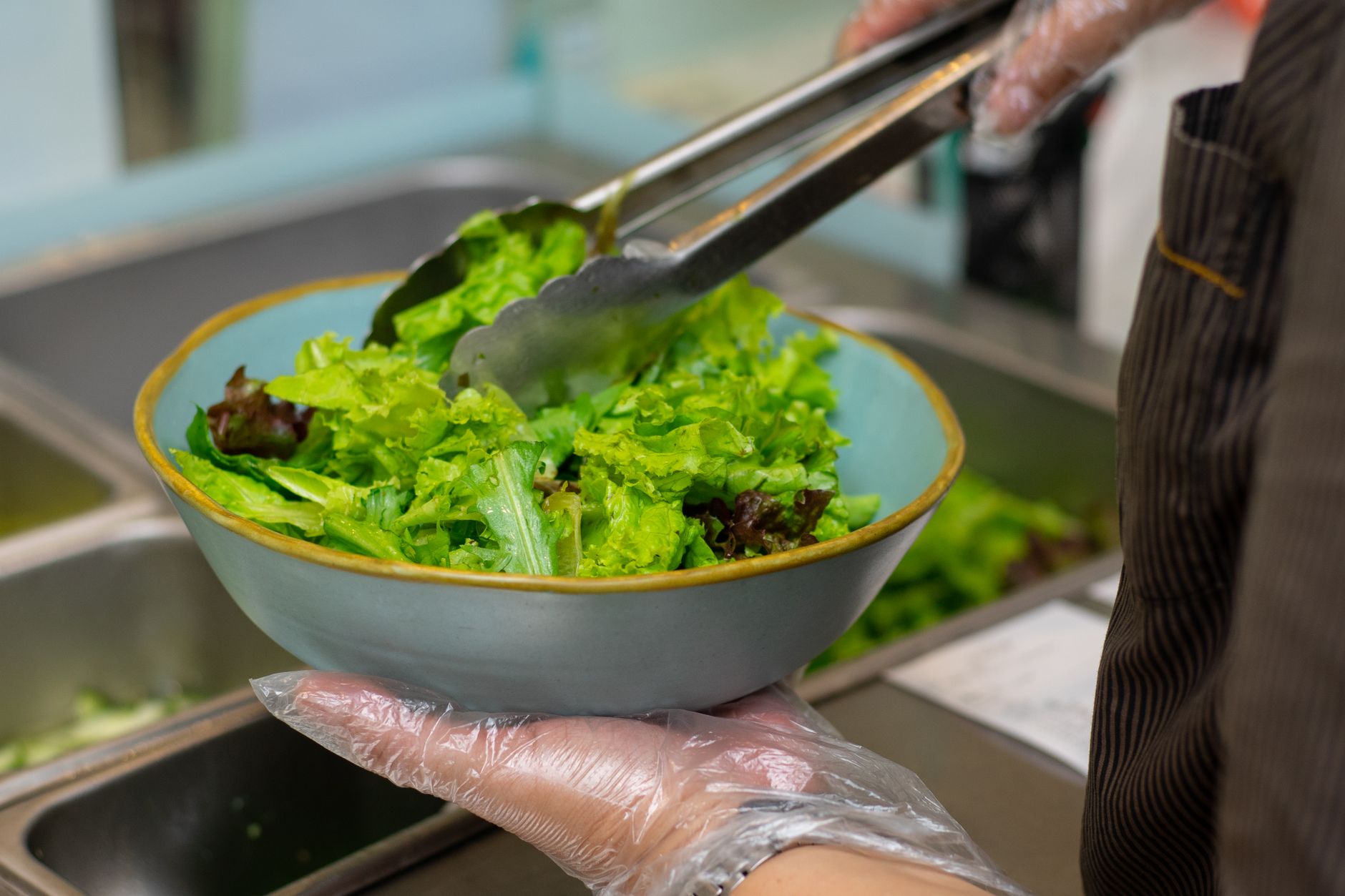
- Switch utensils between dishes when possible to avoid cross-contamination.
- Avoid crowded times to minimize wait and ensure better cleaning cycles.
- Ask staff about ingredients if you have allergy concerns or want cleaner options.
Is It Worth It?
Ultimately, the Whole Foods hot bar can be a convenient and flexible meal solution but is not a perfect fit for everyone. Its ideal for busy people seeking variety without cooking, yet it requires mindfulness about portion selection, nutrition, and freshness.
When to Avoid the Hot Bar
If you have strict dietary needs, allergies, or compromised immunity, avoiding the hot bar or exercising extreme caution is wise. The risk of hidden ingredients or contamination can outweigh convenience.
Good Choices for Hot Bar Use
For busy families or individuals wanting quick access to protein-rich meals with vegetable sides, the hot bar can save time. It‘s a practical option when you need ready-to-eat meals but want to avoid less healthy fast food alternatives.
For Halal eaters, it‘s important to confirm the certification or ingredient sources. Unfortunately, not all hot bar items are Halal-certified, so checking labels or asking about suppliers is essential to maintain your dietary standards.
For those looking to explore other convenient healthy meal options, you might enjoy learning about Publix prepared foods or trying internationally inspired Indonesian dishes you can make at home.
Certification Checklist for Hot Bar Foods
| Certification | Price Range | Common Formats | Shelf Life | Key Allergens |
|---|---|---|---|---|
| Limited Halal, depends on item | $$$ per pound | Trays, bulk servings, mixed dishes | Same-day consumption recommended | Gluten, dairy, nuts, soy (varies) |
Is Whole Foods hot bar actually Halal what should I check?
Whole Foods does not guarantee Halal certification across its hot bar offerings. For Halal compliance, look for certification logos such as JAKIM, HMC, or IFANCA on packaging or signage. Never assume dishes with meat are Halal unless clearly labeled. When in doubt, ask store associates about ingredient sources and certification.
How can I tell if the hot bar food is fresh?
Freshness is best judged by appearance and temperature. Look for moist, vibrant foods without dryness or discoloration. The hot food should be steaming or warm above 140F, while cold items should feel chilled. If the food looks dried out or lukewarm, its probably been sitting too long.
Are there healthier options on the hot bar?
Absolutely. Choose grilled, roasted, or steamed vegetables and proteins over fried or breaded items. Salads with minimal dressing and simple grains like brown rice or quinoa are also nutrient-rich picks. Avoid heavy sauces or items that seem oily or processed.
How often is the hot bar cleaned during business hours?
Whole Foods staff typically follow an hourly or bi-hourly sanitation routine, but this can vary by location and time of day. During peak hours, cleaning may slow down, so keep an eye out for spills or contamination and alert employees if needed.
Can I safely eat from the hot bar if I have allergies?
Allergens are a significant concern with shared serving stations. Cross-contact with nuts, gluten, or dairy is common. If you have allergies, ask about ingredient lists and allergen protocols before eating. When possible, avoid consumables if strict allergy safety cant be assured.
What are common allergens found in the Whole Foods hot bar?
Typical allergens include wheat/gluten, nuts, soy, dairy, egg, and seafood. Labels may indicate which dishes contain these, but cross-contamination risks remain due to the communal setup. Careful selection and inquiry are important.
Is the hot bar the best value compared to cooking at home?
The hot bar offers convenience but generally costs more per serving than home-cooked meals. Portion size control can help manage expenditures. For some, the time saved offset the price difference, but for others, cooking at home provides better nutritional control and affordability.
What is the most overlooked buying mistake at the hot bar?
Many shoppers grab the most visible or popular items without verifying freshness or ingredients. This can lead to consuming less nutritious or older food. A quick inspection for temperature, texture, and asking questions will help avoid this common pitfall.
Why do cheaper hot bar options often disappoint?
Lower-priced items can use cheaper ingredients or more fillers, impacting flavor and nutrition. They may also stay on display longer, hurting freshness. Investing in mid-priced, visibly fresher dishes usually offers better value and eating experience.
Expert tip for choosing hot bar meals
Balance your plate with lean protein, vegetables, and whole grains to keep meals healthy. Rotate selections instead of sticking to a single choice daily to reduce risk of dining fatigue and improve nutrition. Always check for ingredient transparency whenever possible.

More You Might Like
If you appreciate fresh ready-to-eat meals, explore Publix prepared foods for a different stores take on convenience without compromise.
For a tasty dinner idea thats simple to prepare, check out our guide to flavorful Indonesian dishesgreat for adding spicy variety to your weekly menu.
Wrapping Up Whole Foods Hot Bar
The Whole Foods hot bar offers undeniable convenience and variety, but its wise to approach it with an informed eye. Paying attention to freshness, ingredient transparency, and food safety can help you enjoy this quick meal option without sacrificing your health goals. Next time youre shopping, check the labels and take a moment to observe the serving environment. Your well-beingand taste budswill thank you. If youve had experiences with the hot bar, feel free to share your thoughts below.
FAQs
Is Whole Foods hot bar actually Halal — what should I check on the label?
Whole Foods does not guarantee Halal certification for its hot bar items. Look for certification logos like JAKIM, HMC, or IFANCA on packaging or signage. Always ask store staff about ingredient sources or certification if you require Halal compliance.
What is the recommended shelf life for Whole Foods hot bar food after purchase?
Hot bar foods are intended for same-day consumption. To ensure safety and freshness, eat them within a few hours of purchase and refrigerate promptly if you plan to save leftovers.
How does the Whole Foods hot bar differ from other ready-made meal options?
The Whole Foods hot bar offers a fresh, self-serve variety of hot dishes prepared daily with an emphasis on quality ingredients, unlike pre-packaged frozen meals. However, it may have more variability in freshness and safety due to its self-serve format.
Is it safe to eat from the Whole Foods hot bar daily?
Eating from the hot bar daily is possible but requires caution. Monitor food temperature, freshness, and portion choices, and be mindful of allergen risks. Frequent consumers should diversify to avoid nutrition imbalances and minimize contamination risks.
Where can I find the Whole Foods hot bar at a local store?
The hot bar is typically located near the deli or prepared foods section in most Whole Foods Market locations. Check with store staff if you have trouble locating it, and they can provide details on available offerings.