Okay, so heres the deal: youve probably heard that espresso is this super-charged caffeine bomb, right? But is it really? The truth is a bit messier than just espresso has more caffeine. Its not only about how much caffeine is packed in, but also how much you actually drink and how you brew it. So yeah, caffeine in espresso is denser per ounce, but a cup of coffee might just push you over the edge because its way bigger.
If you care about how much caffeine youre gulping down every morningor afternoon, because, hey, no judgmentstick around. Were diving deep into the espresso caffeine content, comparing it with coffee, and unpacking the whole caffeine per ounce story. Think of this as your caffeine cheat sheet, minus the nerd speak.
Espresso & Coffee Basics
Whats Caffeine in Espresso, Really?
First off, a shot of espresso typically measures about 1 ounce and contains roughly 63 milligrams of caffeine. Thats quite concentrated when you consider the size! But heres an interesting twist: not every espresso is created equal. The bean type, roast, and even grind size can nudge that caffeine amount up or down. A lighter roast, for example, often holds a bit more caffeine than a darker roast.
But beyond the chemistry, theres a ritual in enjoying espresso that makes the caffeine hit feel specialquick, intense, and awakening. Its why espressos always feel like a little jolt of energy in liquid form.
How Much Caffeine Is in a Cup of Coffee?
Drip coffee, on the other hand, usually comes in bigger portionsthink 8 ounces or moreand clocks in around 95 milligrams of caffeine on average. So yeah, even if espresso is that punchy one-ounce powerhouse, your cup of coffee delivers more caffeine overall because you typically sip a much larger volume.
Your coffee caffeine amount can change based on factors like brewing temperature, grind coarseness, and the coffee beans themselves. For example, a darker roast might taste stronger but can actually have slightly less caffeine than a lighter roast, which goes against what most people expect.
| Drink Type | Typical Serving Size | Caffeine Content (mg) | Caffeine per Ounce (mg) |
|---|---|---|---|
| Espresso | 1 oz | ~63 mg | 63 mg/oz |
| Drip Coffee | 8 oz | ~95 mg | 12 mg/oz |
So, if you ever wondered why espresso feels so strong despite a smaller caffeine total, its this caffeine concentration per ounce thats the secret sauce.
Brewing Methods and Caffeine Levels
Does Brewing Time Influence Caffeine in Espresso?
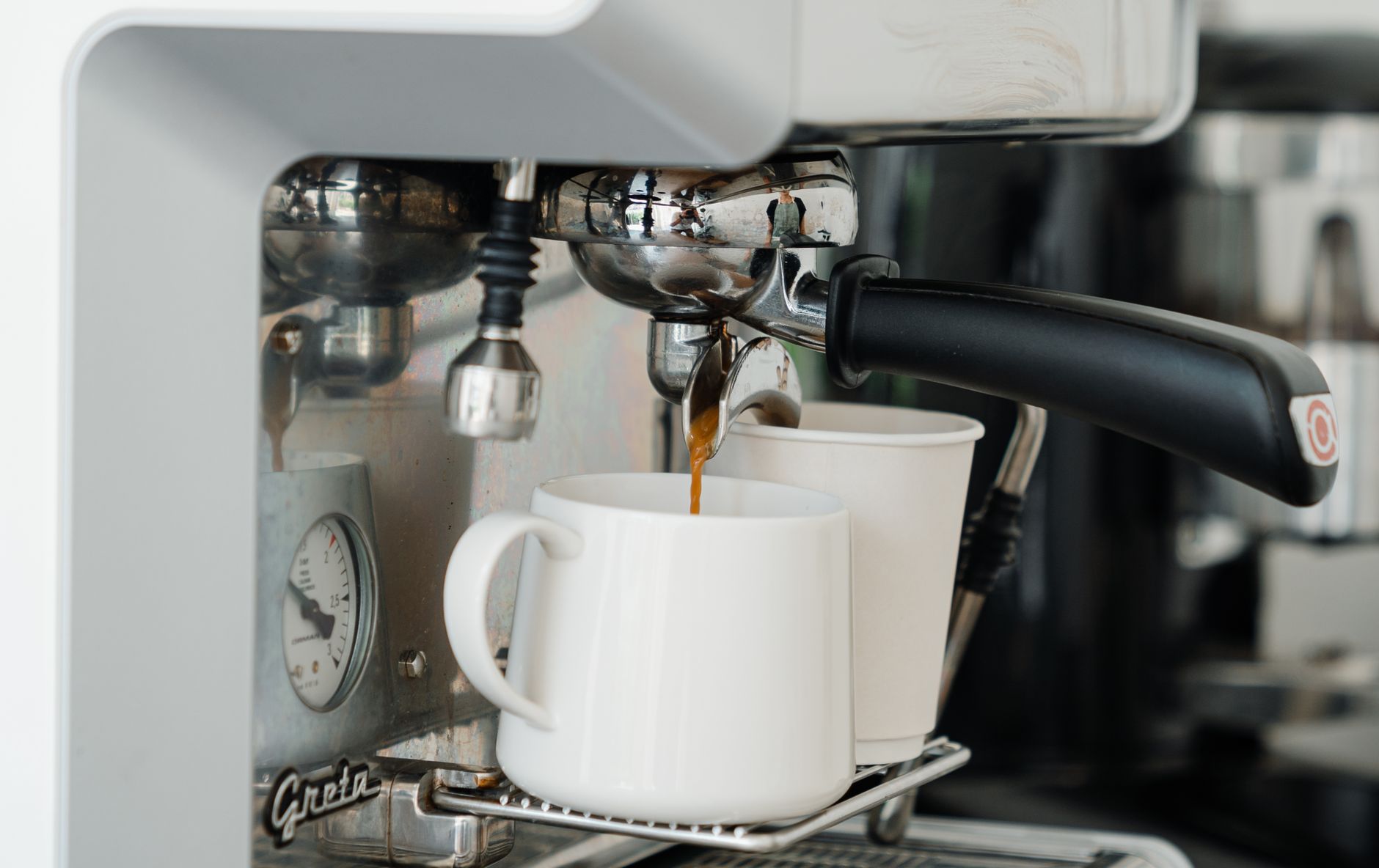
Heres a little science sneak peek: espresso is brewed really fastusually about 25-30 seconds under high pressure. That fast extraction means caffeine and flavor come out quickly. Drip coffee, in contrast, drips slowly over several minutes, which extracts caffeine at a different rate.
Because espresso shot times are short, it doesnt extract all the caffeine possible from the grounds, but it extracts enough to make the drink robust with caffeine per ounce. Meanwhile, the longer brewing time of drip coffee lets caffeine seep out more fully, which explains why a big cup delivers more caffeine overall.
Other Brewing Techniques That Affect Caffeine Concentration
Now, coffee isnt just espresso or drip. Theres the French press, cold brew, Aeropress, and more, each with their own caffeine story.
- French Press: Usually stronger than drip because coffee grounds sit in hot water longer, soaking more caffeine out.
- Cold Brew: Surprisingly, can have more caffeine because it steeps for hours, often in higher coffee-to-water ratios.
- Aeropress: Can mimic espressos short extraction, but caffeine content varies widely depending on technique.
So when youre picking your brew, remember: brewing caffeine levels arent just about drink sizetheyre about how you make your coffee.
Debunking Myths About Espresso vs Coffee
Is Espresso Always Stronger Because of More Caffeine?
If youve ever blurted out Espresso is stronger, duhmore caffeine, lets pump the brakes a bit. It is stronger per ounce, yes, but that doesnt necessarily mean it packs a bigger caffeine punch than your everyday cup of coffee. Drinking a tiny espresso shot is just way different than drinking a mug of coffee. Total caffeine depends on serving size and how much you drink.
Does Dark Roast Espresso Have More or Less Caffeine?
Heres where it gets fun dark roasts taste intense and smoky, so it feels like they should be caffeine ninjas, right? Actually, the roasting process slightly reduces caffeine content because caffeine breaks down a bit under heat. So dark roast espresso might have less caffeine per bean compared to a lighter roast. But because dark roasts tend to be denser and ground differently, your espressos caffeine content ends up pretty close in the end.
Got this? Great! Its little details like these that make the caffeine content puzzle so interesting.
Health Talks: Benefits & Risks of Espresso's Caffeine
Why Drinking Espresso Can Actually Be Good for You
Caffeine in espresso gives you that much-needed wake-up call and mental kick when sleep is stealing time from you. Moderate caffeine consumption has been linked to increased alertness, improved cognitive function, and even some antioxidant benefits. Fun fact: espresso contains antioxidants that can help fight free radicals in your body little warriors that protect your cells.
Watch Out: Too Much Espresso Caffeine Isnt Always Your Friend
But hey, caffeine is a bit of a double-edged sword. Go overboard and you might find yourself jittery, anxious, or with a racing heart. Not fun. Plus, too much caffeine can wreck your sleep schedule faster than you can say double shot.
Heres a friendly heads-up: keep your total daily caffeine intake around 400 milligrams or less, according to health experts. Thats roughly four shots of espresso or about four cups of brewed coffee. But remember, everyone reacts differently. Some folks can feel jittery after just one espresso shot, and others breeze through three cups of coffee before noon.
Balancing the benefits and risks comes down to knowing your body and being mindful. And while youre at it, pairing your caffeine kick with something healthy doesnt hurt either. Trust me, if youre curious about the best foods to eat on your period, they can make you feel even better when caffeines involved.
Real Talk: How People Experience Espresso Caffeine
Switching to Espresso Shots: A Common Adventure
Ive chatted with plenty of folks who switched from milky lattes or multiple cups of coffee to just a couple of espresso shots a day. The common thread? They appreciate espressos quick, controlled caffeine buzz without drowning in volume. One friend told me, It feels like a power-up in a tiny glassno mess, no fuss.
Simple Tricks for Enjoying Espresso Without the Jitters
If youre worried about that jittery feeling, heres a little secret: try spacing out your caffeine consumption, stay hydrated, and dont drink espresso on an empty stomach. Trust me, that jitter factor can sneak up on you if youre not careful. Also, experimenting with bean types and roast levels can make a smoother cup that respects your caffeine tolerance.
Oh, and if you want to keep your diet balanced around espresso (because balance is key), looking up foods high protein low calorie per 100g is a great way to make sure your fuel matches your caffeine hit.

Your Caffeine Cheat Sheet
| Drink | Average Size | Caffeine (mg) | Caffeine per Ounce (mg) |
|---|---|---|---|
| Espresso | 1 oz | ~63 | 63 |
| Drip Coffee | 8 oz | ~95 | 12 |
| French Press | 8 oz | ~80-135 | 10-17 |
| Cold Brew | 12 oz | ~150-200 | 12-17 |
Wrapping It Up
So, to sum it all up with some friendly wisdom: caffeine in espresso may be the powerhouse per ounce, but your morning cup of coffee often delivers more caffeine simply by virtue of size. Understanding this can help you make smart choices about how much caffeine you want to enjoy without feeling wired or crashing hard.
Brewing methods, roast types, and serving sizes all have their part to play in this caffeine dance. Whether youre a fan of an intense little espresso shot or a comforting tall cup of drip coffee, knowing whats in your drink gives you the power to balance energy and well-being.
Whats your take? Are you Team Espresso or Team Coffee? Or maybe a curious mix of both? Share your caffeine stories or any quirky espresso experiences youve had Id love to hear what keeps your mornings bright!
FAQs
How much caffeine is in a single espresso shot?
A typical one-ounce shot of espresso contains about 63 milligrams of caffeine, but this can vary slightly depending on the coffee bean and roast.
Does espresso have more caffeine than a cup of coffee?
Espresso has more caffeine per ounce, but because coffee servings are larger, a regular cup often contains more total caffeine than a single espresso shot.
How does brewing time affect caffeine content in espresso?
Espresso is brewed quickly (about 25-30 seconds), extracting a concentrated caffeine dose, but not all caffeine from the grounds, unlike slower methods like drip coffee.
Are dark roast espressos higher in caffeine than light roasts?
Dark roasts typically have slightly less caffeine per bean due to roasting, but differences are minimal, and espresso caffeine content remains fairly consistent.
What are the health risks of consuming too much espresso caffeine?
Excessive caffeine can cause jitters, anxiety, rapid heartbeat, and disrupt sleep. It's recommended to keep daily intake around 400 mg or less.