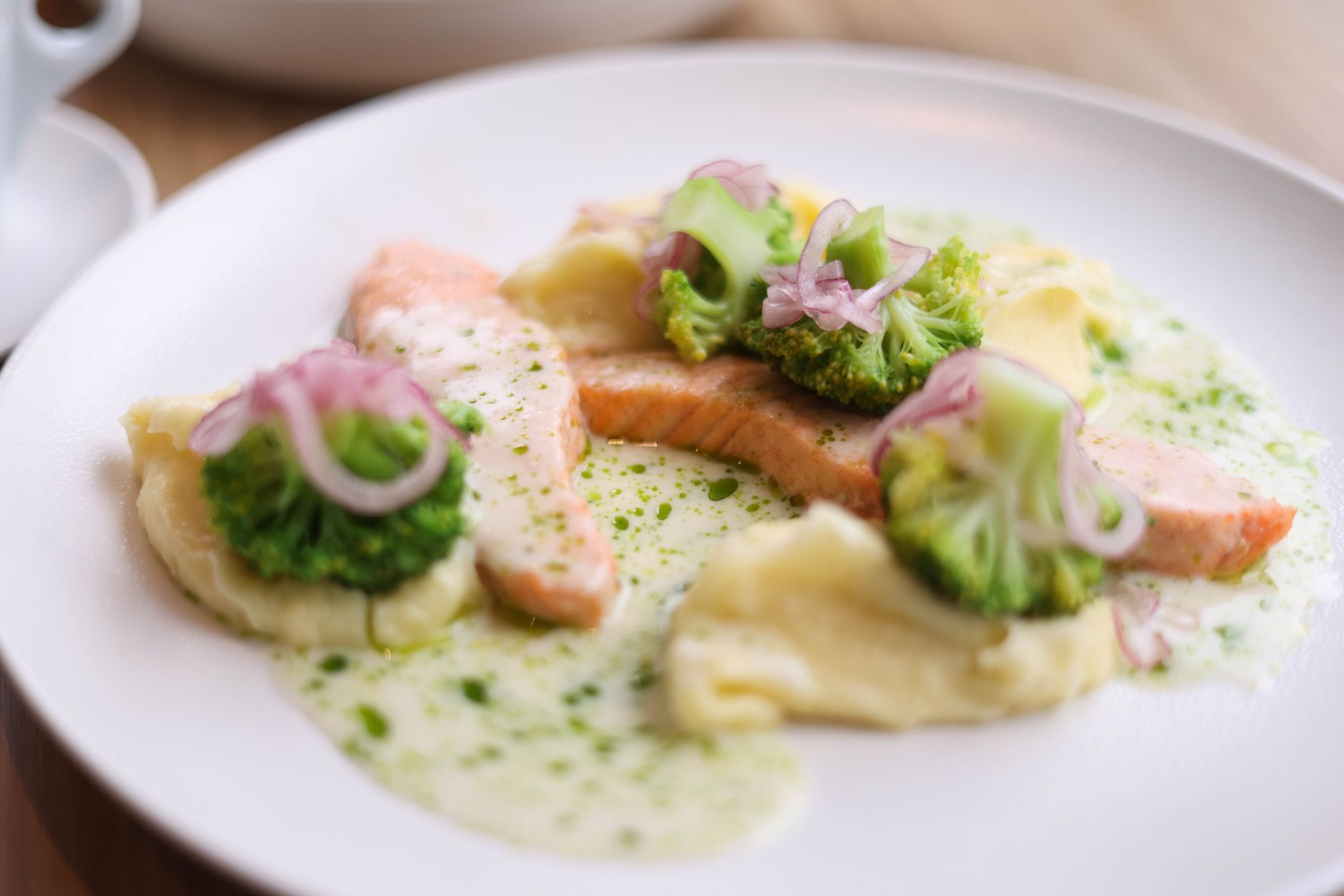
You know that moment when you take a bite of mashed potatoes and they taste flat? No richness, no tang, just starch. That used to happen to me all the time. Then I discovered one simple ingredient that changes everything: cream cheese. Adding a block of full-fat cream cheese to your creamy mashed potatoes delivers both velvety texture and a subtle, tangy kick. No extra steps, no complicated techniques. Just smooth, buttery spuds that make everyone ask for seconds. In this guide, I will show you exactly how to make them, what to look for when buying ingredients, and how to store leftovers properly.
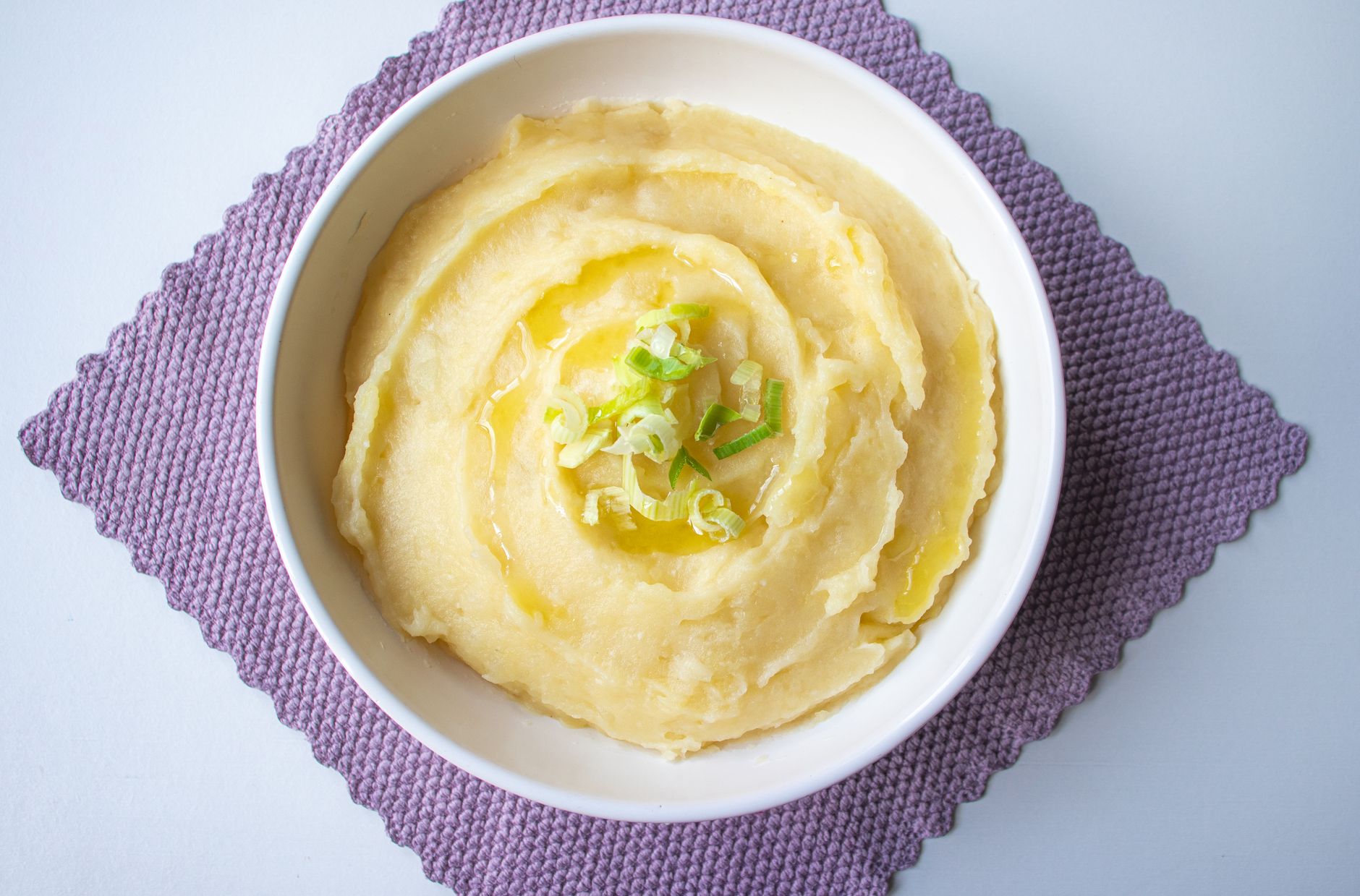
Why Cream Cheese Makes Your Mashed Potatoes Creamier and Tangier
Creamy mashed potatoes start with the right dairy ratio
The secret behind truly fluffy, creamy mashed potatoes is balancing fat and moisture. Cream cheese brings both. It contains about 33% fat and a small amount of lactic acid, which gives that pleasant tang. Unlike butter alone, cream cheese emulsifies into the potato starch more smoothly, preventing graininess. According to food science principles, the acid in cream cheese also helps break down pectin in potatoes, resulting in a softer, more spreadable texture. You get a rich, smooth mash without needing heavy cream.
What is different about cream cheese mashed potatoes compared to traditional recipes?
Traditional mashed potatoes rely on butter and milk or cream. Those versions are creamy, but often lack depth. Adding cream cheese introduces a mild tang that cuts through the richness, similar to how sour cream works but with a thicker body. The texture becomes denser and more luxurious. If you have ever tried restaurant-style mashed potatoes that taste almost like a savory pudding, cream cheese is likely the reason.
Cream cheese varieties that work best
- Full-fat block cream cheese provides the best texture and tang. Avoid low-fat or whipped versions; they contain more water and stabilizers that can make the mash gluey.
- Flavored cream cheese garlic and herb or chive varieties add an extra layer. Just adjust salt accordingly.
- Halal-certified cream cheese always check for a recognized Halal certification logo such as JAKIM, HMC, or IFANCA on the package. Some cream cheeses use animal rennet or non-Halal enzymes.
How to Make Perfect Creamy Mashed Potatoes with Cream Cheese
Step-by-step creamy mashed potatoes recipe
Recipe Card:
| Prep time | 10 minutes |
| Cook time | 20 minutes |
| Total time | 30 minutes |
| Servings | 4 |
| Calories per serving | ~260 |
| Diet tags | Halal, Vegetarian, Gluten-Free |
- Select and prepare the potatoes. Use 2 pounds of Yukon Gold potatoes (or Russets). Peel them and cut into 1-inch cubes. Place in a large pot and cover with cold water by 1 inch.
- Boil until fork-tender. Add 1 teaspoon of salt to the water. Bring to a boil over high heat, then reduce to medium. Cook for 1518 minutes. The cubes should break apart easily when pierced with a fork.
- Drain and dry. Drain the potatoes in a colander. Return them to the hot pot and let them steam-dry for 2 minutes. This removes excess moisture so the mash stays fluffy.
- Mash while hot. Use a potato masher or ricer. Avoid a food processor it overworks the starch and makes the potatoes gummy.
- Add cream cheese and butter. Cut 4 ounces (half a block) of full-fat cream cheese into small cubes. Add 2 tablespoons of unsalted butter. Mash or fold until fully melted and incorporated. Mixture should be smooth and glossy.
- Warm the milk. Heat 1/3 cup of whole milk in a small saucepan until warm (not boiling). Pour it into the potatoes while stirring gently. Add 1/4 teaspoon of white pepper and salt to taste.
- Adjust consistency. If the mash is too thick, add another tablespoon of warm milk. Taste and adjust seasoning. Serve immediately.

Pro tips for ultra-rich mashed potatoes
- Use warm dairy always. Cold cream cheese or milk will seize the potato starch and create lumps. Warm them first to 100110F.
- Avoid gummy texture. Do not over-mash. Once the cream cheese is incorporated, stop. Overworking activates gluten-like proteins in potatoes.
- Optional add-ins. Roasted garlic, chopped chives, or a splash of buttermilk can deepen the flavor. If you love tangy sauces, these potatoes pair beautifully with Chick-fil-a sauces like the signature smoky barbecue or honey mustard.
Exploring Other Flavor Twists to Complement Creamy Mashed Potatoes
Tangy mashed potatoes variations to try
- Sour cream vs. cream cheese: Sour cream adds more tang but less body. Use both for double tang.
- Lemon zest or vinegar: A tiny amount of lemon zest or white wine vinegar brightens the mash without overpowering.
- Cultured buttermilk: Replace half the milk with buttermilk for a sharper finish.
Rich mashed potatoes alternatives and enhancements
- Heavy cream or crme frache: Adds richness but no tang. Use alongside cream cheese for extra decadence.
- Roasted garlic: Squeeze in 23 roasted cloves for sweet, nutty depth.
- Bacon or caramelized onions: For a savory twist, fold in crispy bacon bits or slow-cooked onions. These also work well as a side to Costco china pizza unique flavors the creamy potatoes balance the bold toppings.

Balancing the Benefits and Potential Downsides of Adding Cream Cheese
Cream cheese boosts protein and calcium about 1.5g of protein and 35mg of calcium per ounce. However, it also adds saturated fat and calories. For a lighter option, use 2 ounces instead of 4. If you are lactose intolerant, look for lactose-free cream cheese or use a dairy-free alternative (though the texture will differ). Always check the label for Halal certification if that matters to you; many cream cheese brands in the US and Europe use microbial rennet that is Halal-compliant, but logos like JAKIM or HMC provide certainty.
Storage Section
Cover leftovers with plastic wrap pressed directly onto the surface to prevent a skin from forming. Store in the refrigerator for 57 days in a sealed container. To reheat, place in a saucepan with 12 tablespoons of milk over low heat, stirring constantly until warm. Do not microwave high it dries out the potatoes. You can also reheat in a 350F oven covered with foil for 20 minutes.
When is the best time to eat creamy mashed potatoes?
The best time is within 30 minutes of cooking, when the texture is fluffiest and the fat has not begun to separate. If you make them ahead, reheat gently just before serving. They also make an excellent side for weekday dinners or holiday feasts. For brunch, serve them alongside eggs or roasted vegetables.
Can I make cream cheese mashed potatoes ahead of time?
Yes. Prepare the recipe completely, then cool to room temperature. Transfer to a baking dish, dot with butter, and cover with foil. Refrigerate for up to 2 days. To serve, reheat in a 350F oven for 25 minutes, stirring once halfway through. Add a splash of milk if needed.
What type of potatoes are best for creamy mashed potatoes?
Yukon Gold potatoes are ideal because they have medium starch and a natural buttery flavor. Russets work too but need more liquid to stay creamy. Avoid waxy varieties like red potatoes or fingerlings they become gluey when mashed.
Can I freeze mashed potatoes with cream cheese?
Freezing changes the texture because cream cheese separates when thawed. If you must freeze, spoon the mash into a freezer-safe bag, remove all air, and freeze for up to 1 month. Thaw in the fridge overnight, then reheat with extra cream or butter to restore some creaminess.
How do I keep the mashed potatoes warm for a dinner party?
Transfer the finished mash to a slow cooker set to low (warm setting). Stir in 2 tablespoons of extra butter to maintain moisture. Keep covered for up to 2 hours. Avoid direct heat it will dry out the edges.
Why are my mashed potatoes watery even after draining?
You likely overcooked the potatoes or left them in water too long. Starches absorb excess water. Always cut potatoes evenly and drain immediately after fork-tender. Let them steam-dry for 2 minutes as described above. Another cause: using low-fat cream cheese, which has more water and stabilizers.
Can I use dairy-free cream cheese for a Halal or vegan version?
Yes, but the result will be less creamy and may lack tang. Choose a firm dairy-free cream cheese made from coconut oil or cashews. Taste and add a teaspoon of lemon juice to mimic the acidity. Check for a Halal certification if needed, as some vegan brands share facilities with non-Halal products.
More You Might Like
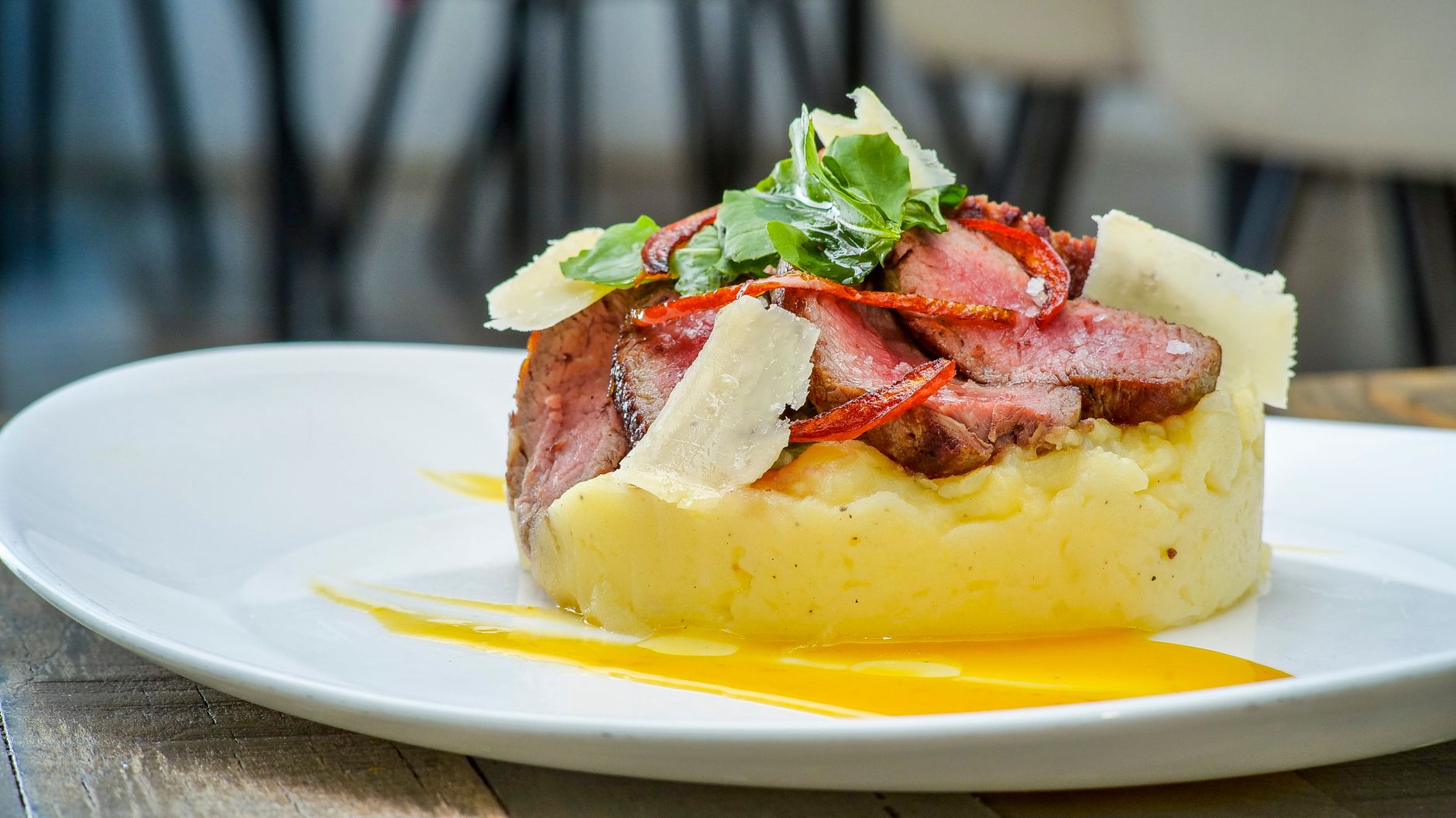
- Halal Chicken and Creamy Mashed Potato Bowl A complete meal with roasted chicken and gravy over our cream cheese potato base.
- How to Make Halal Beef Stew with Rich Gravy This hearty stew pairs perfectly with leftover mashed potatoes.
Conclusion
Cream cheese turns ordinary spuds into unforgettable creamy mashed potatoes with minimal effort. The tangy richness elevates any meal, whether you serve them alongside roast chicken, grilled fish, or even unique pizza toppings. Next time you shop, grab a block of full-fat cream cheese with a Halal certification logo. Try the recipe once, and you will never go back to plain butter-and-milk mash. Have a favorite variation? Drop a comment below and share your twist.
FAQs
When is the best time to eat or drink Creamy mashed potatoes?
Creamy mashed potatoes are best enjoyed within 30 minutes of cooking, when the texture is fluffiest and the fat hasn't separated. They make an excellent side for weekday dinners, holiday feasts, or brunch alongside eggs or roasted vegetables. Reheat gently if made ahead.
How long can you store leftover creamy mashed potatoes in the refrigerator?
Store leftovers covered with plastic wrap pressed onto the surface, in a sealed container. They will keep for 5–7 days in the fridge. Reheat in a saucepan with milk over low heat, or in a 350°F oven covered with foil for 20 minutes. Avoid microwaving on high to prevent drying.
What is the difference between using cream cheese versus sour cream in mashed potatoes?
Both add tang, but cream cheese provides a thicker, denser body and a milder tang, while sour cream is thinner and more acidic. For double tang, you can use both. Cream cheese also emulsifies better into the starch, giving a smoother, richer texture without extra liquid.
Is it safe to eat creamy mashed potatoes every day?
While safe, daily consumption may exceed recommended limits for saturated fat and calories, especially if using full-fat cream cheese and butter. For a lighter option, reduce cream cheese to 2 ounces or use low-fat varieties. Balance with a healthy overall diet and moderate portion sizes.
Where can I buy halal-certified cream cheese for this recipe?
Look for full-fat block cream cheese with a recognized Halal certification logo such as JAKIM, HMC, or IFANCA. Most grocery stores carry brands that use microbial rennet and are Halal-compliant. Check the label for enzyme source. Online retailers also offer certified options.