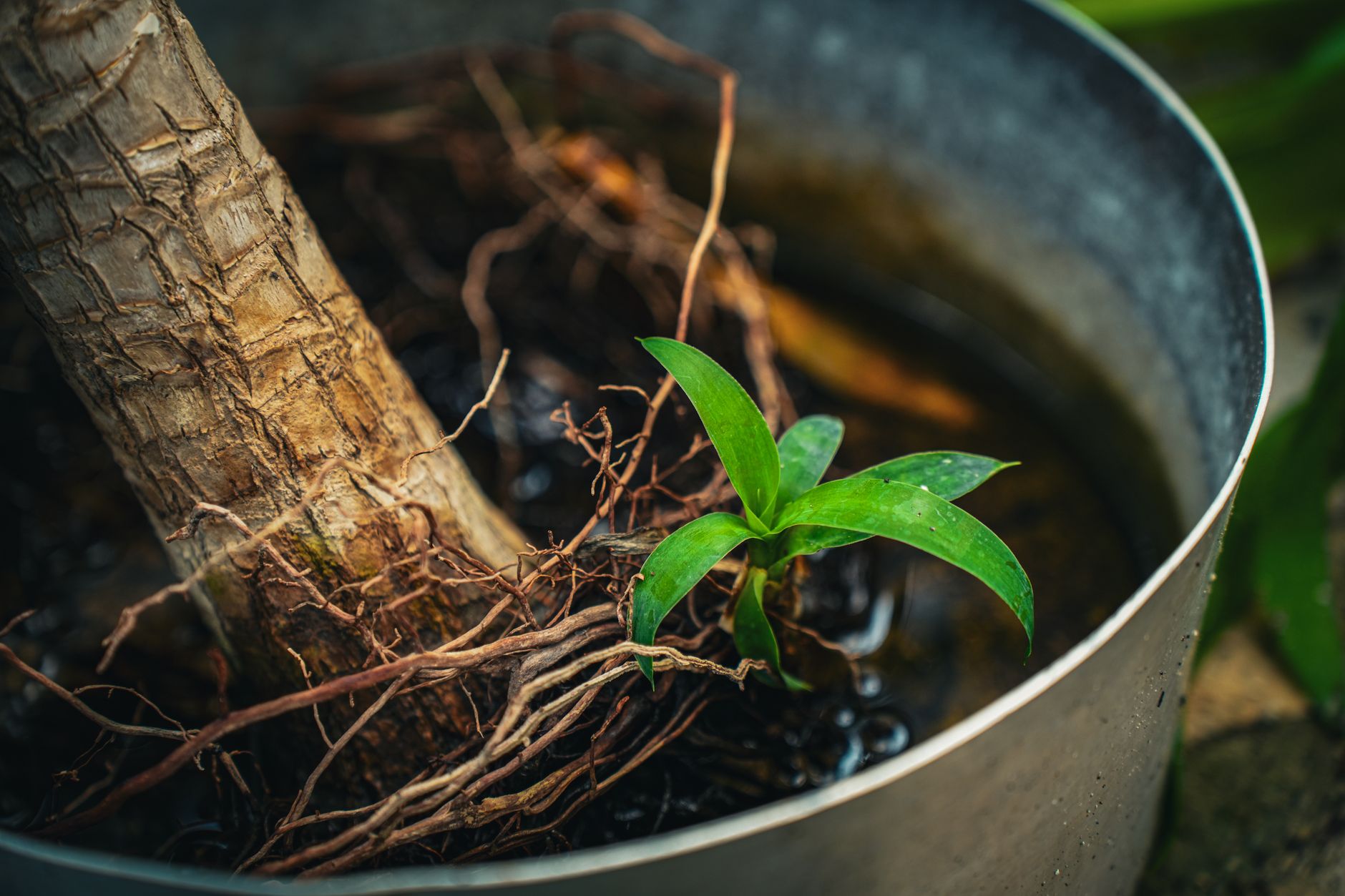
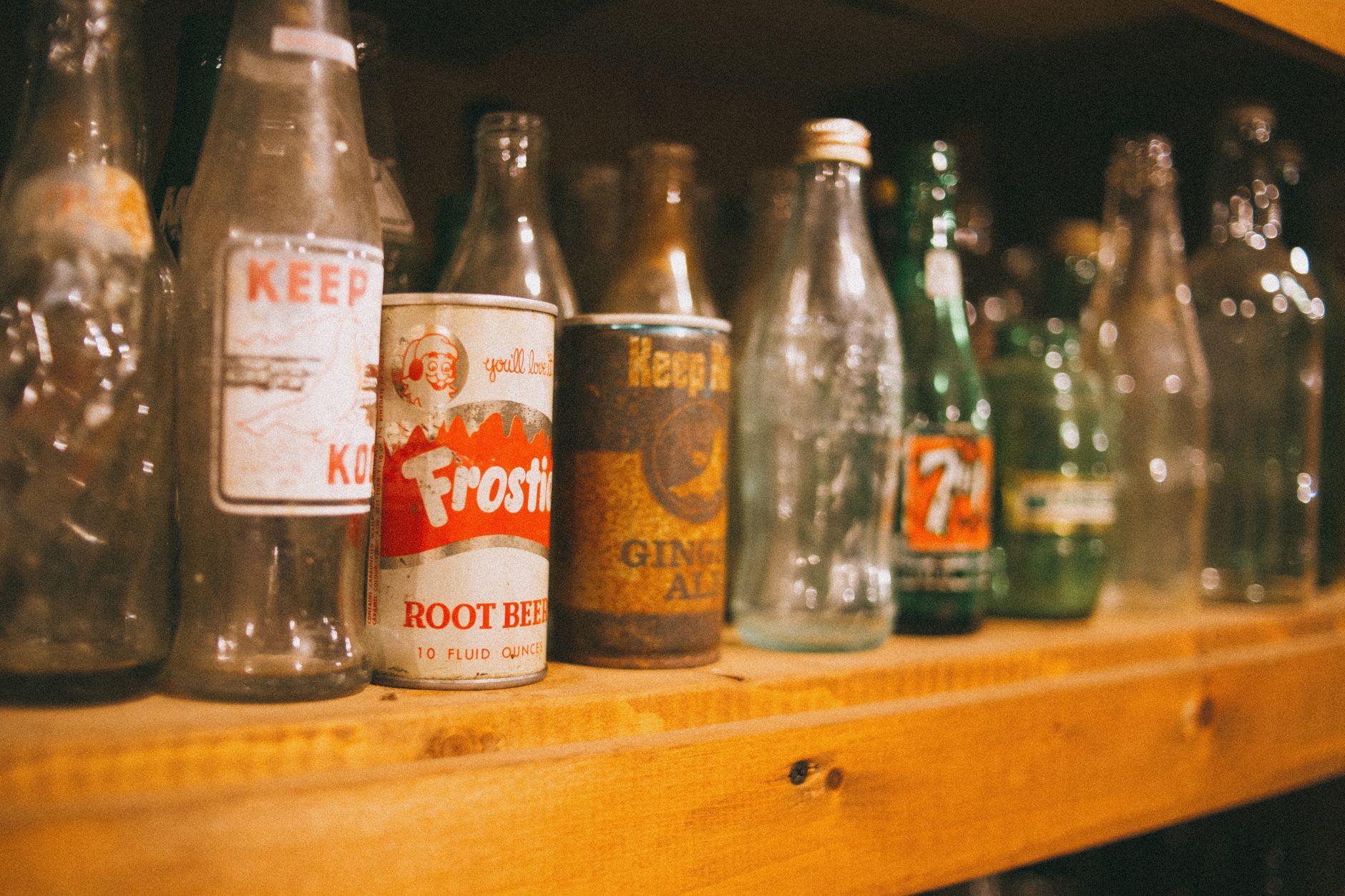
Ever wondered if you can grow root beer right in your garden? While you cant literally grow the soda, you can grow root beer plants that offer the signature, sweet, and spicy aroma familiar in root beer drinks. Growing root beer plants at home is a fun way to capture that nostalgic flavor naturallyperfect for teas, infusions, or even homemade beverages. Heres how to grow root beer plants easily and enjoy their unique taste in your own kitchen.
What Are Root Beer Plants?
Root beer plants refer principally to Hibiscus rosa-sinensis New Orleans, often called the root beer plant due to its faintly sweet, spicy aroma reminiscent of the classic soda. Another common species sometimes linked to the flavor is the root beer herb (Lobelia cardinalis), but hibiscus is the most popular home garden variety. The leaves emit that unmistakable root beer scent when brushed or brewed.
These plants arent just flavorfultheyre attractive, with bright flowers and lush green foliage. Many gardeners add root beer plants to their collection to enjoy the aromatic gift and ornamental appeal, making them a versatile addition well-suited to climate zones 9 and above. Besides flavor, these plants have mild medicinal use in teas and are entirely safe when consumed properly.
Growing Root Beer Plants Indoors and Outdoors
Growing root beer plants is straightforward, whether you have a sunny window sill or a well-drained garden patch. Here is a step-by-step plan for nurturing your own root beer herb:
- Climate & Zones: Ideal outdoors in USDA zones 9 to 11, root beer plants prefer warm temperatures with no frost. They thrive indoors in pots even in cooler climates if you can provide bright indirect light.
- Soil Requirements: Use rich, loamy, well-draining soil with organic matter. They prefer a slightly acidic to neutral pH (6.07.0).
- Sunlight: Full sun to partial shade. Indoors, place near a window with at least 6 hours of indirect sunlight daily.
- Watering: Keep soil consistently moist but not soggy. Water when the top inch of soil feels dry.
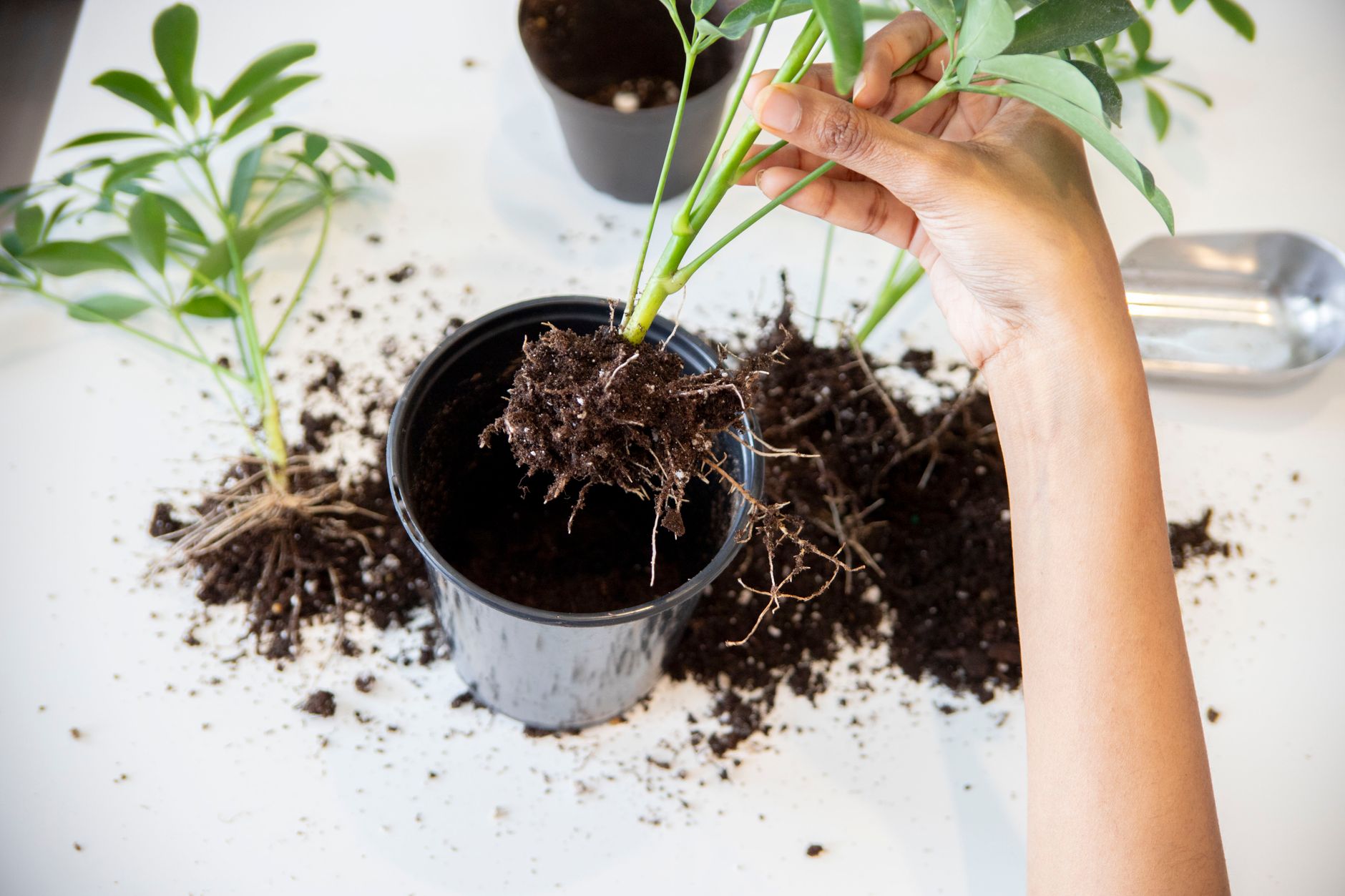
- Potting: Use containers with drainage holes to prevent waterlogging indoors.
Can You Grow Root Beer Plants From Seed?
Yes, but it takes patience. Seeds require moist soil and warmth to germinate. Sow seeds about inch deep in seed-starting mix, keep the soil temperature around 70F (21C), and avoid drying out. Germination can take 23 weeks. Alternatively, many gardeners prefer cuttings for faster, more reliable growth.
How to Care for Root Beer Plants
To unlock the best flavor, keep these tips in mind:
- Pruning: Trim back once a year to encourage lush growth and prevent legginess.
- Fertilizing: Feed monthly in growing season with a balanced, water-soluble fertilizer.
- Pests to Watch: Aphids and spider mites can be an issuenatural insecticidal soap or neem oil works well.
- Humidity: Likes moderate humidity; mist occasionally if indoors with dry air.
| Soil Type | Water Frequency | Light Conditions | Common Pests | Harvest Time |
|---|---|---|---|---|
| Rich, well-drained loam | Once or twice weekly (keep moist) | Full sun to partial shade | Aphids, spider mites | 68 months after planting |
Using Your Homegrown Root Beer Plant
Once your root beer plant matures, the leaves and flowers can add natural flavor to drinks and dishes. The plants aroma works beautifully for herbal teas or infusions, giving you that nostalgic root beer essence without artificial additives.
How Does Root Beer Herb Differ From Traditional Root Beer Ingredients?
Traditional root beer is brewed with a combination of ingredients like sassafras, wintergreen, vanilla, licorice, and spices such as cinnamon and clove. Root beer herb delivers a milder, leafier version of this flavor primarily through natural aromatic oils in its leaves. Its a simpler way to capture the essence of root beers flavor, especially for those seeking Halal-friendly or natural beverage alternatives.
Can You Brew Root Beer from the Plant?
Absolutely! Steeping fresh or dried root beer plant leaves in hot water creates a pleasant tea with those signature spicy-sweet notes. You can combine the infusion with mild sweeteners like honey or sugar and add vanilla extract for a closer taste to traditional root beer.
| Prep Time | Brew Time | Servings | Calories | Diet Tags |
|---|---|---|---|---|
| 5 minutes | 8 minutes | 4 cups | 15 (unsweetened) | Halal, Gluten-Free, Vegan |
Simple Root Beer Herb Tea Recipe:
- Boil 4 cups of water and pour over 2 tablespoons of dried root beer plant leaves or 4 fresh leaves.
- Let steep for 8 minutes; strain leaves out.
- Sweeten with honey or sugar to taste, add a splash of vanilla extract if desired.
- Serve hot or chilled over ice for a refreshing drink.
Safety and Consumption Tips
Root beer plants are generally safe for consumption in moderate amounts. Still, its wise to start with small quantities to test for any sensitivity or allergic reactions. Avoid excessive consumption, especially if youre pregnant or nursing, since comprehensive studies on medicinal effects are limited.
For Halal-conscious consumers, ensure any sweeteners or additives you use are Halal-certified. Look for familiar certification marks such as JAKIM, HMC, or IFANCA to keep your drinks both flavorful and trustworthy.
Benefits and Drawbacks
Growing root beer plants has several wins for gardeners and beverage lovers alike, but its best to weigh both sides.
- Benefits: Unique, pleasant aroma; aesthetic garden appeal; natural flavor source; easy propagation from cuttings.
- Drawbacks: Slow seed germination; prone to common pests; requires warm, frost-free environments; flavor intensity varies by plant age and care.
Common Problems and Solutions
Brown leaf spots and aphids often trouble root beer plants. Spray affected areas with neem oil and ensure good air circulation. Yellowing leaves usually indicate overwatering or poor drainageadjust watering habits accordingly.
When Growing Root Beer Isnt Ideal
If you live in a colder zone and cannot provide indoor warmth or bright light, growing root beer plants might be difficult. Also, if you prefer minimal plant care or have limited space, this plant may not be the best choice.
For those uncertain, check out the variety of snack and beverage options availablesome Halal-certified shots like Shots in 750ml offer great flavor without gardening fuss. Similarly, understanding venue charges like a Bar cover charge can help manage your beverage budget when dining out.
Where to Buy Root Beer Plant Seeds or Seedlings
Look for reputable nurseries or online sellers specializing in native or aromatic herbs. Choose vendors who verify their seedlings authenticity to avoid mislabeled or hybrid varieties without the true root beer scent.
When purchasing, consider your local climate and space. Container-ready seedlings often give a healthier start than seeds if youre new to gardening. Prices range from $8 to $20 depending on size and vendor reputation. For best results, find seedlings that come with care instructions and healthy root systems.
| Certification | Price Range | Common Formats | Shelf Life | Key Allergens |
|---|---|---|---|---|
| Organic Certified (varies) | $8$20 per seedling | Seeds, Cuttings, Potted Plants | Seeds: 12 years; Seedlings: Immediate planting recommended | None known |
Is Growing Root Beer Plants Actually Halal What Should I Check?
Growing root beer plants is inherently Halal since it involves no animal products or prohibited substances. When using these plants in beverages, ensure all additives, sweeteners, and processing methods comply with Halal standards. Look for trusted certification bodies like JAKIM or HMC logos on any consumables you add.
When Is the Best Time to Harvest Root Beer Plant Leaves?
Harvest leaves once the plant is at least 6 months old and the foliage is lush. Morning harvest on dry days yields the best flavor and reduces moisture content, perfect for drying or brewing.
Can Root Beer Plants Be Grown Indoors Year-Round?
Yes, with sufficient light and humidity, they can thrive indoors year-round. Use grow lights if natural sunlight is limited, and keep soil evenly moist for steady growth.
What Is the Ideal Soil Mix for Root Beer Plants?
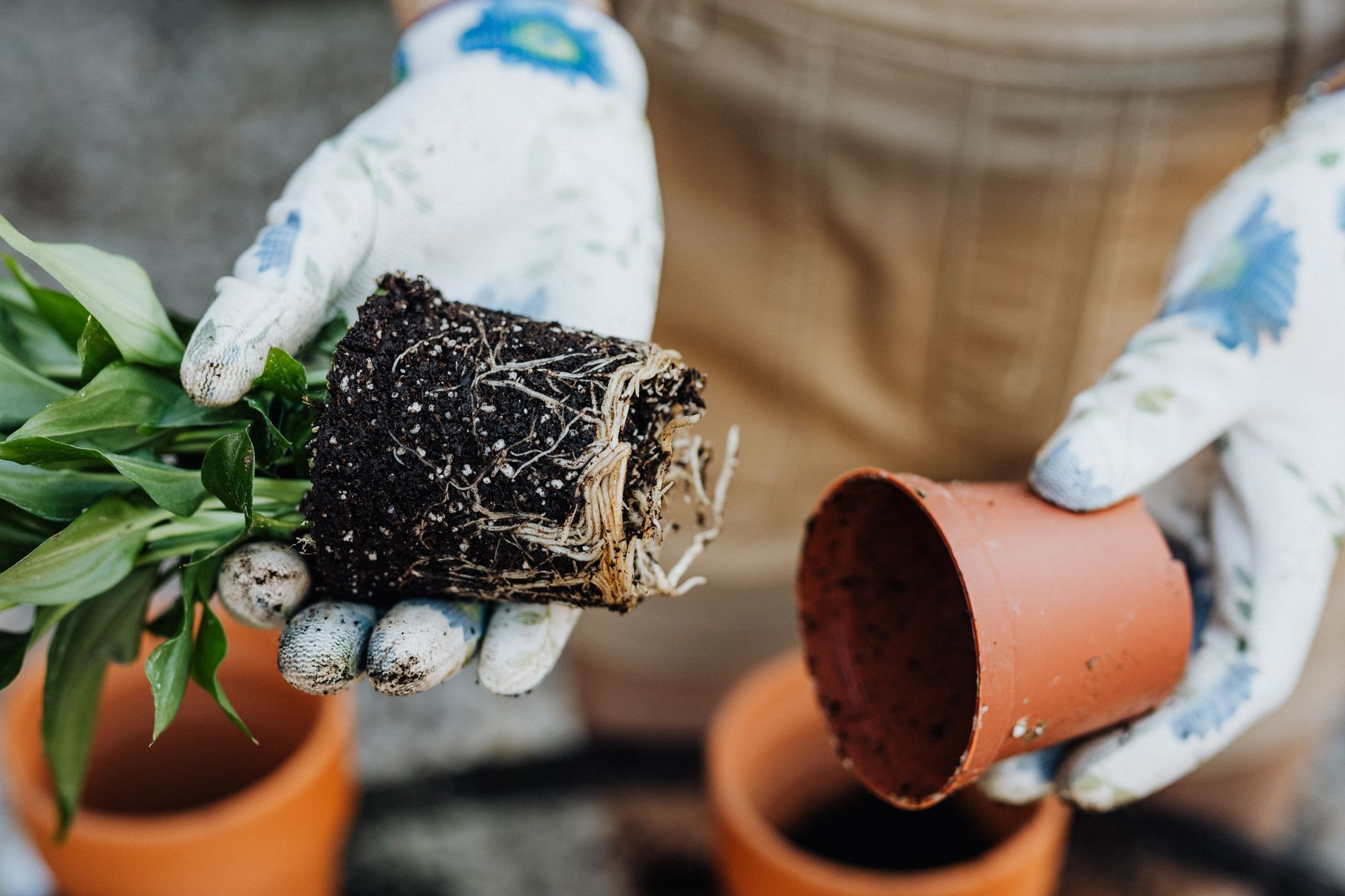
A rich potting soil blended with perlite or sand for drainage works best. Avoid heavy clay soils that retain water and cause root rot.
Are Root Beer Plants Toxic to Pets?
Root beer plants are generally considered non-toxic to cats and dogs, but its best to discourage pets from chewing on any plants to avoid digestive upset.
How Long Does It Take for Root Beer Plants to Mature?
Typically, plants will mature in 6 to 8 months under ideal conditions and be ready for full harvest and use.
Can I Propagate Root Beer Plants by Cuttings?
Yes. Take semi-hardwood cuttings about 46 inches long with several leaves, dip in rooting hormone, and plant in moist soil. Rooting usually takes 34 weeks with good humidity and warmth.
Pro Tips for Growing Root Beer Plants
One common mistake is overwatering, which causes root rotalways let the soil surface dry slightly between watering. Dont skip pruning: it boosts aromatic leaf production and prevents legginess. For a richer aroma, pinch young stems regularly to encourage bushier growth. Lastly, try companion planting with herbs like mint or basil to naturally deter pests without chemicals.

More You Might Like
Discover tips on stocking your bar with the right drinks by learning about Shots in 750ml. Understanding these can help you balance flavor and quantity perfectly.
Check out details about the Bar cover charge to avoid surprises during your night out, useful knowledge for Halal-conscious social gatherings.
Growing root beer plants offers natural flavor and a charming addition to your garden. Next time you think about refreshing your beverage options, consider cultivating this aromatic herb. Give it a try, experiment with teas or infusions, and share your experience with fellow enthusiasts!
FAQs
Is grow root beer actually Halal — what should I check on the label?
Growing root beer plants is inherently Halal as they contain no animal products or prohibited substances. Ensure all added sweeteners or flavorings used with the plant have Halal certification from trusted bodies like JAKIM or HMC to maintain compliance.
When is the best time to eat or drink grow root beer?
The best time to harvest root beer plant leaves is when the plant is at least 6 months old with lush foliage. For drinking, steep fresh or dried leaves any time for herbal tea, served hot or chilled, to enjoy optimal flavor.
What is the shelf life of root beer plant seeds or seedlings?
Seeds can remain viable for up to 12 years if stored properly. Seedlings should be planted immediately for best growth to avoid loss of vigor. Proper care extends the plant’s useful life in your garden.
How does grow root beer differ from traditional root beer ingredients?
Grow root beer plants provide a milder, leaf-based aroma through natural oils, unlike traditional root beer which combines roots and spices like sassafras, vanilla, and licorice. It offers a simpler, Halal-friendly alternative flavor.
Where can I buy root beer plant seeds or seedlings?
Purchase from reputable nurseries or online sellers specializing in aromatic herbs. Choose certified vendors offering authentic seedlings or seeds to ensure true root beer scent and healthy plant starts.