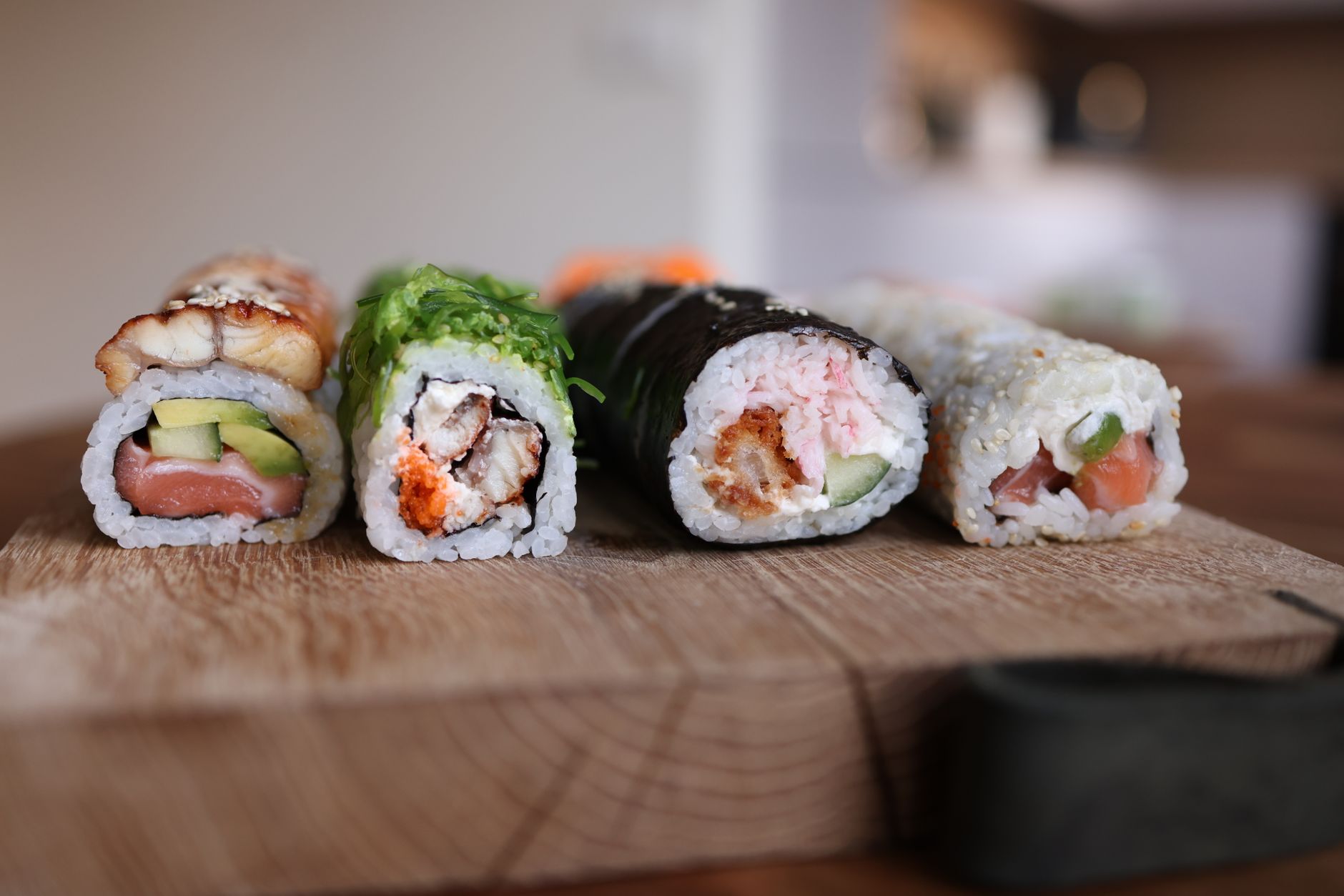
If youre eager to craft sushi at home, choosing the best fish sushi is essential to capture that fresh, authentic taste. Using high-quality, fresh fish not only brings out delicious flavors but also ensures your sushi is safe to eat. Whether youre a beginner or a seasoned sushi lover, knowing which fish to select and how to handle it will elevate your homemade sushi experience.
Fish Quality Essentials
Why Freshness Matters
Freshness defines sushi fish quality more than anything else. Fresh fish has a clean, ocean-like scentnever fishy or sour. Its flesh is firm to the touch and has a translucent shine. Dull color or soft flesh are bad signs. When buying, look for bright eyes and moist skin if whole fish, or shiny, moist cuts if filleted. Always ask your fishmonger about how recently the fish was caught or delivered.
Where to Buy Sushi-Grade Fish
The best fish sushi comes from sushi-grade or sashimi-grade suppliersthese labels usually mean the fish is fresh enough to be eaten raw and has been properly handled. Trusted markets, specialty seafood stores, and reputable online vendors often carry such fish. For Halal consumers, check for Halal certification logos such as JAKIM, HMC, or IFANCA on the packaging or verify with the supplier to ensure compliance.
Safe Handling of Raw Fish
Eating raw fish safely at home requires care. Freezing at 20C (4F) or below for 7 days or quick-freezing at 35C (31F) for 15 hours kills parasites, according to food safety standards. Never use fish that spent too long unrefrigerated. Keep raw fish cold (below 4C/39F) and consume within 24 hours of purchase if thawed. Use clean utensils and cutting boards exclusively for raw fish to prevent cross-contamination.
The Art of Slicing Sushi Fish
Proper slicing impacts texture and flavor. Use a sharp, long-bladed knife designed for sushi (like a Yanagiba). Slice against the grain for tenderness. The cut should be smooth and even, about 1/4 inch thick for nigiri or sashimi. Practice steady, confident strokes. A dull knife bruises the flesh and ruins presentation.
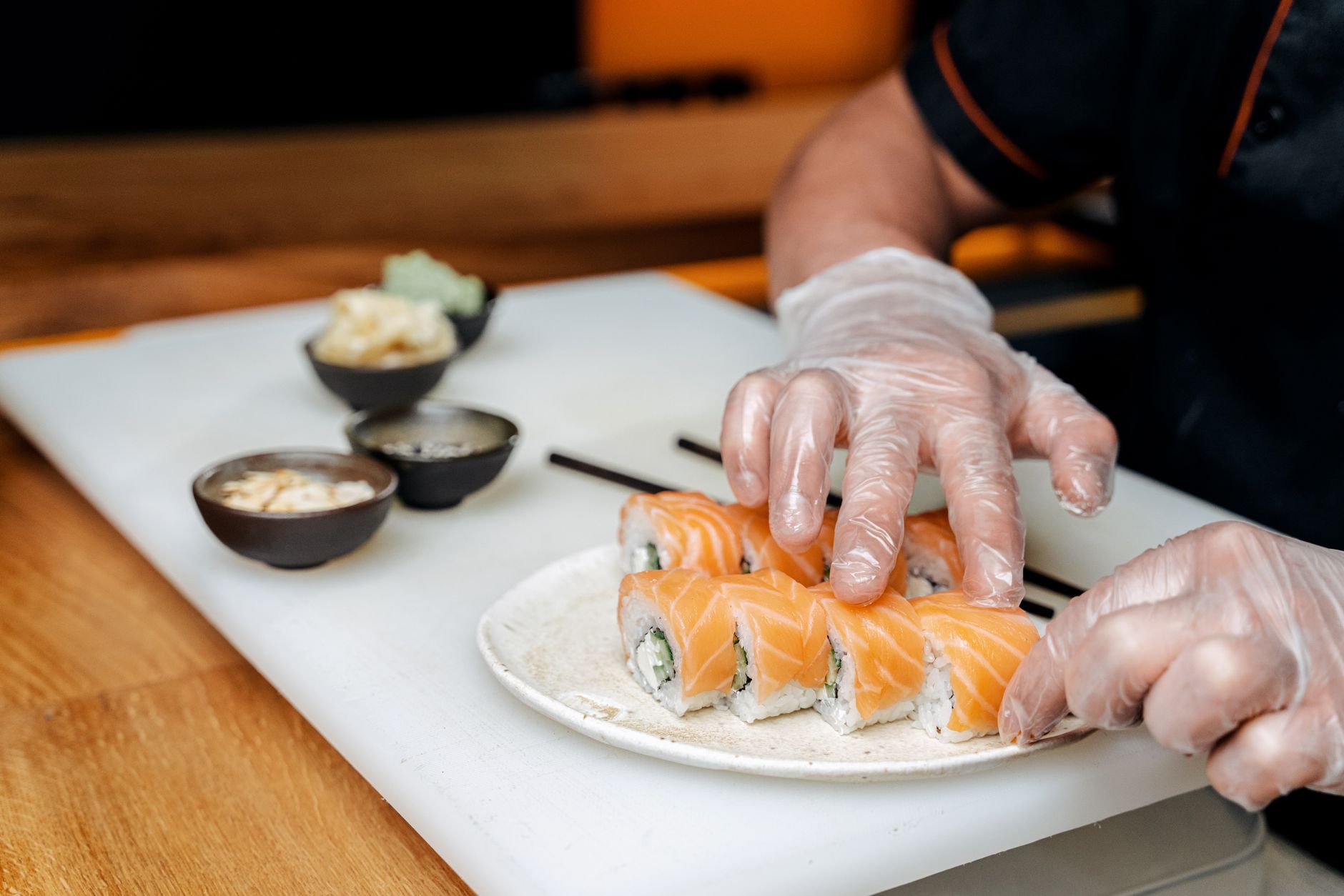
Top 6 Fish for Sushi
1. Tuna (Maguro)
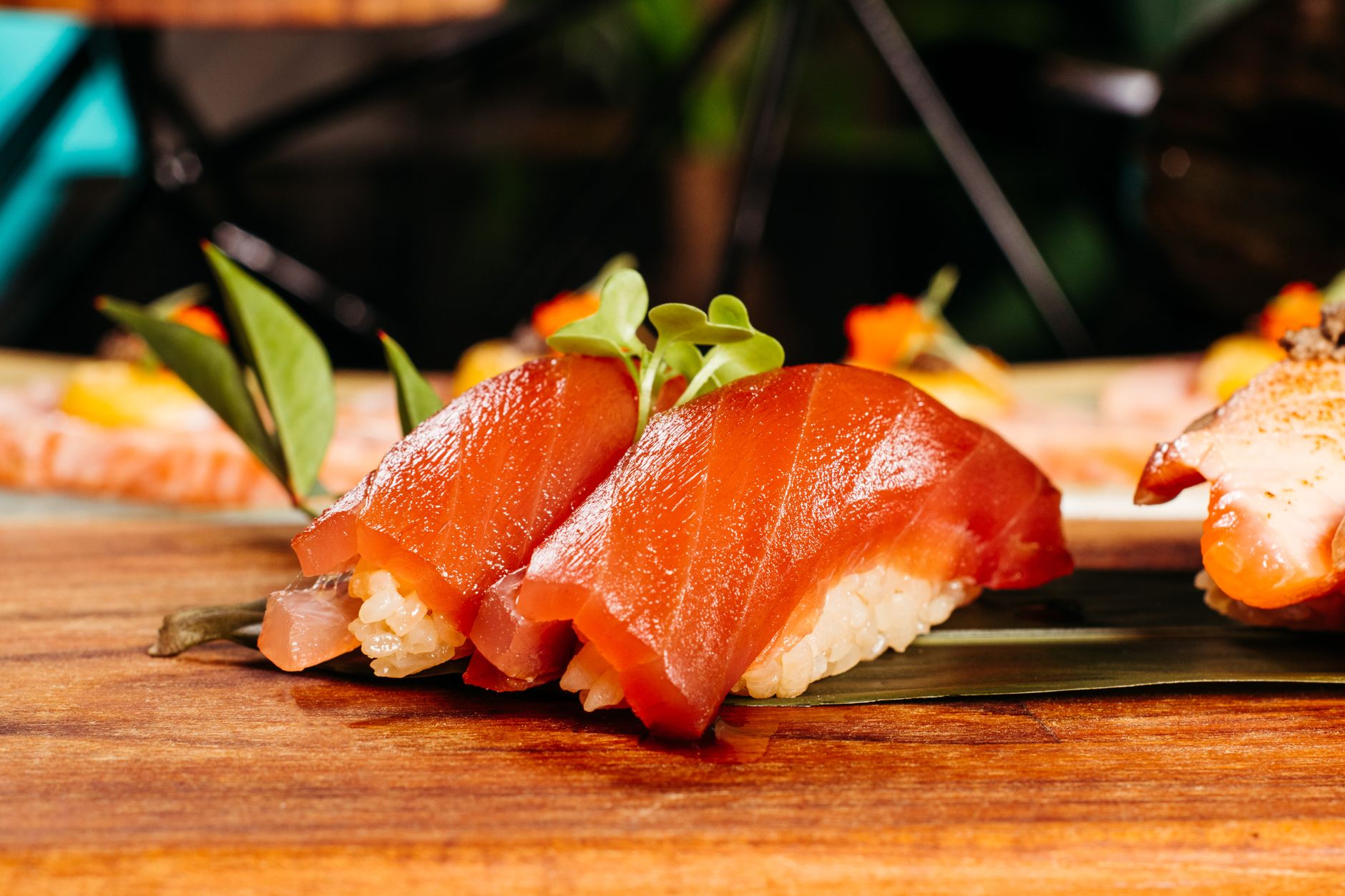
Tuna is the most iconic sushi fish. Its rich umami flavor varies from lean, deep-red akami to the buttery otoro belly cuts. Akami has a clean, meaty taste, while chutoro and otoro offer a creamy, melt-in-your-mouth texture thanks to higher fat content.
Tuna is widely available year-round, but quality peaks during cooler months. Opt for freshly frozen sashimi-grade tuna labeled Halal if required.
Tuna provides omega-3 fatty acids and high-quality protein. Mind mercury levels for pregnant women or small children, and seek sustainably caught options to reduce environmental impact.
2. Salmon (Sake)
Salmon is beloved for its rich, oily texture and mild flavor. Wild salmon has a deeper orange color and richer taste than farmed, but farmed salmon is more widely available and affordable.
Be cautious about parasites in raw salmon. Freezing protocols must be strictly followed. Many sushi cooks use salmon labeled sushi grade after freezing to ensure safety. Salmon is packed with omega-3 fats, vitamin D, and protein, making it a heart-healthy choice.
3. Eel (Unagi and Anago)
Unlike other sushi fish, eel is usually cooked for safety and flavor. Freshwater eel (unagi) and saltwater eel (anago) offer tender, slightly sweet flavors glazed with a savory sauce. Their rich texture and bold taste add variety to sushi platters.
Because cooked eel isnt raw, it sidesteps parasite concerns. However, always confirm Halal status since some eel sauces can contain non-Halal ingredients.
4. Yellowtail (Hamachi)
Yellowtail is a favorite for its delicate yet flavorful profile. High in healthy fats, its tender flesh offers a buttery mouthfeel without being overpowering. The mild flavor balances well with tangy wasabi and soy sauce, making it beginner-friendly.
Halal-certified suppliers of yellowtail are available in many markets. Its moderate fat enhances sushis richness, linking it to brain healthy foods.
5. Sea Bass
Sea bass features a mild flavor and slightly firm texture that adapts well to sushi. Its less commonly used but prized for light, fresh taste. Sea bass fillets slice beautifully for nigiri or sashimi, presenting clean white flesh with subtle sweetness.
6. Sea Bream (Tai)
Sea bream has a delicate, mild flavor ideal for refined palates. Its firm yet tender meat makes an elegant presentation with beautiful pinkish hues. Traditionally served during celebrations in Japan, sea bream brings a festive touch to sushi meals.
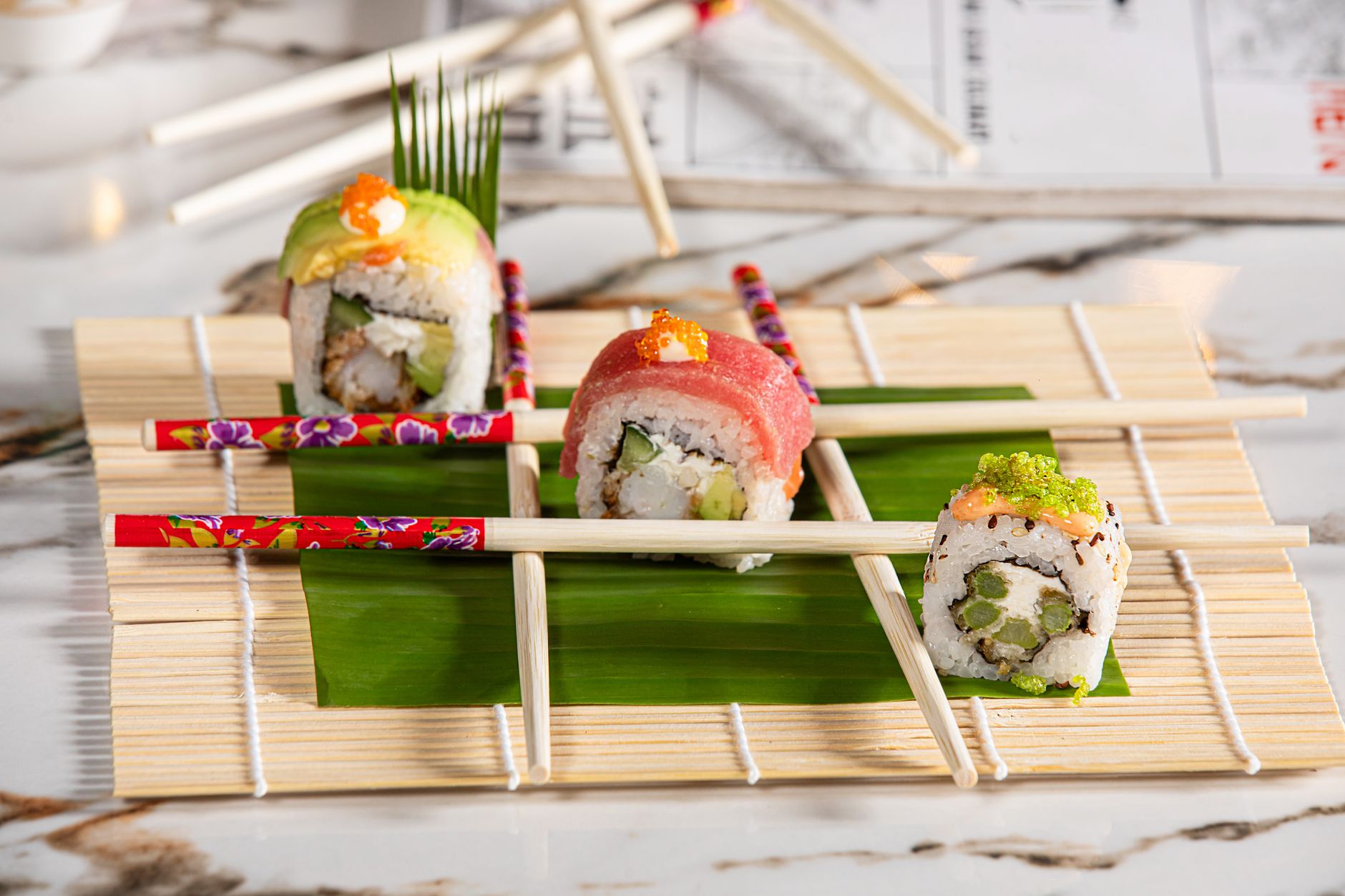
Making Sushi at Home
Match Fish to Skill and Tools
Start with milder fish like salmon or yellowtail if youre new to slicing fish for sushi. Save more delicate or fattier fish cuts for when you feel confident with knife skills. Use a sharpening stone to maintain your knives and a clean cutting board dedicated to raw fish.
Balance Fish With Sushi Rice and Condiments
Sushis magic comes from the harmony of fish, vinegared rice, wasabi, and soy sauce. Use medium-grain sushi rice seasoned evenly with rice vinegar, sugar, and salt. Apply a small dab of wasabi between rice and fish to enhance flavor without overwhelming. Taste as you go to balance flavors.
Slice Fish Like a Pro
- Use a long, thin knife (Yanagiba) sharpened to a razor edge.
- Keep the fish chilled until just before slicing to firm the flesh.
- Hold the knife at a 45-degree angle to the fish for thinner nigiri slices (about 6 inches long and 3/8 inch thick).
- Work in single, smooth strokesavoid sawing back and forth.
Consider watching video tutorials or attending classes if you want to perfect your sushi knife work.
Safety and Benefits of Raw Fish
Nutrition Highlights
Raw fish provides lean protein, omega-3 fatty acids, vitamin D, and minerals like selenium and iodine. These nutrients support heart health, brain function, and overall wellness. Incorporating sushi fish into a balanced diet aligns with the focus on heart healthy foods and brain healthy foods.
Parasite and Bacteria Risks
Raw fish can harbor parasites like anisakis or bacteria if mishandled. Proper freezing kills parasites, but it cannot eliminate bacteria formed by spoilage. Always buy from trusted Halal-certified sources, store fish at the right temperatures, and consume fresh prepared sushi within 24 hours.
Practical Risk Reduction
- Purchase sushi-grade fish frozen per regulations.
- Keep fish refrigerated between 0C and 4C (32F39F).
- Follow good kitchen hygiene to avoid cross-contamination.
- Dispose of fish that smells off or shows discoloration.
Halal Certification Considerations
Halal consumers should verify the fish source is Halal certified by recognized bodies like JAKIM or IFANCA, especially for processed fish products (e.g., marinated or smoked). Some sauces or added ingredients can invalidate Halal status, so check labels carefully.
| Certification | Price Range (per kg) | Common Formats | Shelf Life | Key Allergens |
|---|---|---|---|---|
| JAKIM/HMC/IFANCA | $20 - $80 | Fresh fillets, frozen blocks, sashimi cuts | Fresh: 1-2 days refrigerated Frozen: up to 6 months | Fish protein, possible shellfish cross-contact |
Is the best fish sushi actually Halal what should I check?
To ensure your sushi fish is Halal, look for certification logos from trusted bodies such as JAKIM, HMC, or IFANCA. Confirm that the supply chain avoids cross-contamination with non-Halal products and that any added seasonings or sauces are Halal compliant. Ask your seafood supplier for documentation if unsure.
When is the best time to eat fish sushi?
Fresh sushi is best eaten the same day the fish is cut and assembled. To enjoy optimal taste and safety, consume your homemade sushi within 24 hours of preparation, storing it properly at 4C (39F) or below in a sealed container.
How do I choose sushi fish at the store?
Look for bright, moist flesh without discoloration or strong odor. Check for "sushi-grade" labeling and verify Halal certification if needed. Ask sellers about freezing history, and opt for fish kept on ice or properly refrigerated.
Can I use frozen fish for sushi?
Yes. Freezing fish to the right temperature (-20C for at least 7 days) kills parasites, making it safer for raw consumption. Many sushi-grade fish are sold frozen and thawed before use.
What knife should I use for sushi fish slicing?
A long, sharp, single-edged Yanagiba or sashimi knife is preferred for clean, smooth cuts. Keeping the knife sharp is key to preserving texture and appearance.
How do I store homemade sushi with fish?
Store sushi in an airtight container in the refrigerator at 0-4C (32-39F). Consume within 24 hours to maintain freshness and prevent bacterial growth.
What are the most common mistakes when making fish sushi at home?
Using dull knives, choosing fish without proper certification, neglecting freezing guidelines, and improper storage are common errors that affect safety and taste. Avoid overcrowding cutting boards and handle fish gently to preserve texture.
Pro Tips for Best Results
- Dont skip freezing your fish if its not labeled sushi-grade. Parasites lurk in fresh fish and can cause illness.
- Invest in a quality sushi knife and sharpen it regularly for perfect slices.
- Balance rice vinegar seasoning carefullytoo sour can overpower delicate fish flavors.
- Start with milder fish like salmon or yellowtail to build confidence before trying fattier tuna cuts.
More You Might Like
Discover a guide to selecting heart healthy foods, which complement a fish-rich diet wonderfully.
Enhance your nutrition by learning about brain healthy foods that pair well with fresh fish sushi meals.
Summary
The best fish sushi choices combine quality, freshness, safety, and flavor. Tuna, salmon, yellowtail, sea bass, sea bream, and eel each bring unique textures to your homemade sushi. Always choose Halal-certified fish from trusted sources and follow safe handling practices. With the right knife skills and balance of ingredients, your sushi will shine. Next time you shop, check the label carefully, try these top fish, and savor the delicious art of sushi making.
FAQs
Is best fish sushi actually Halal — what should I check on the label?
To ensure fish sushi is Halal, look for certification from bodies like JAKIM, HMC, or IFANCA. Verify the supply chain avoids cross-contamination with non-Halal products, and confirm that sauces or seasonings used are Halal compliant. When in doubt, ask your supplier for documentation.
When is the best time to eat or drink best fish sushi?
Best fish sushi should be eaten the same day it is prepared. For optimal taste and safety, consume your homemade sushi within 24 hours, keeping it refrigerated at 0-4°C (32-39°F) in an airtight container.
What is the shelf life of homemade sushi with raw fish after opening?
Homemade sushi with raw fish should be consumed within 24 hours of preparation when stored properly in the refrigerator at temperatures below 4°C (39°F). After this period, bacterial growth increases, reducing safety and quality.
How is sushi-grade fish different from regular fish at the store?
Sushi-grade fish is specifically handled, frozen, and stored to meet strict safety standards suitable for raw consumption. It is fresher, parasite-treated, and usually labeled accordingly, unlike regular fish which may not meet these standards.
Where can I buy the best fish sushi for safe homemade preparation?
Buy sushi-grade fish from trusted suppliers, specialty seafood markets, or reputable online vendors that offer Halal-certified products if needed. Always check freshness, certification, and freezing history to ensure safety.