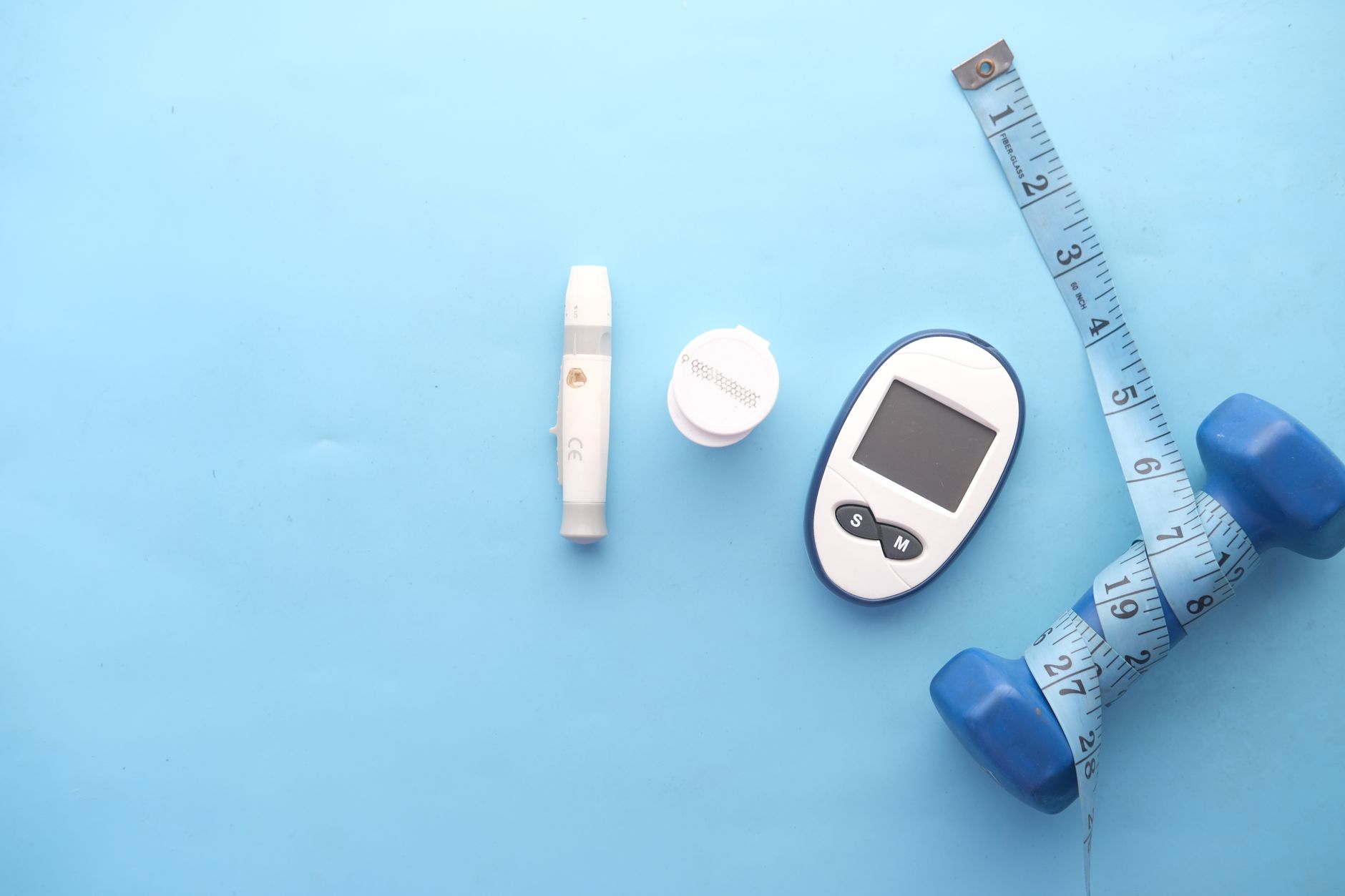
Have you heard about metformin weight loss and wondered whether its a magic pill or just another overhyped promise? Youre not alone. Lots of people curious about shedding pounds have come across metformin a medication with a long history in diabetes care and want to know whether it can help them lose weight safely and sustainably. Lets walk through this together in a friendly, no-nonsense way.
What is metformin?
First off, metformin is a prescription medication most commonly used to treat type 2 diabetes. It works by helping your body use insulin better and by reducing excess glucose production in the liver. That might sound technical, but think of metformin as a helper that nudges your metabolism toward better balance rather than a tool that forces instant change.
How metformin affects weight
So why do people talk about metformin weight loss? Several reasons. For some people with diabetes or prediabetes, metformin is associated with modest weight loss or at least weight stabilization better than many other diabetes medications that can cause weight gain. The effects arent dramatic for most people, but they can be meaningful when combined with lifestyle changes.
Here are a few ways metformin might influence weight:
- Reduced appetite: Some people notice they feel less hungry on metformin. If you tend to snack emotionally or graze through the day, that smaller appetite can help.
- Improved insulin sensitivity: By helping your body respond to insulin, metformin can reduce fat storage cues, especially in people who are insulin resistant.
- Changes in gut hormones and microbiome: Emerging research suggests metformin may alter gut bacteria and certain hormones that affect hunger and metabolism a reminder that our gut plays a big role in weight regulation.
How much weight can you realistically expect?
Lets be real: metformin is not a weight loss miracle. Studies typically show modest reductions often a few pounds to around 510% of body weight over several months when combined with diet and exercise. For someone with a higher starting weight, that can be a meaningful improvement in health and energy. For others, it might be small but steady progress.
Think of metformin as a supportive friend on your weight journey, not the whole team. It can help create better conditions for weight loss, but sustainable results still come from habits: eating more whole foods, moving regularly, managing sleep and stress, and working with your healthcare provider.
Who might benefit most?
If youre wondering whether metformin weight loss could apply to you, here are some situations where its commonly considered:
- People with type 2 diabetes: Metformin is a first-line treatment and can help with modest weight loss or preventing weight gain from other medications.
- People with prediabetes or insulin resistance: Metformin sometimes helps reduce progression to diabetes and can support healthier weight trends when combined with lifestyle change.
- PCOS (polycystic ovary syndrome): Many clinicians prescribe metformin for PCOS to address insulin resistance and menstrual irregularities. Some people with PCOS also see weight benefits.
However, metformin isnt typically recommended solely for weight loss in people who dont have metabolic issues. If your blood sugar and insulin markers are healthy, the risks and benefits should be weighed carefully with a clinician.
Possible side effects and how to handle them
Lets be honest: while metformin is generally well tolerated, it can have side effects mostly digestive. Bloating, gas, diarrhea, and stomach discomfort are common, especially when you first start or after a dose increase. Heres how many people manage those symptoms:
- Start low and go slow: Doctors often recommend beginning with a low dose and gradually increasing to reduce side effects.
- Take with food: Having metformin with meals usually helps ease stomach upset.
- Try the extended-release (XR) form: The ER/XR formulations tend to cause fewer digestive issues for many people.
- Stay hydrated: Its a simple tip, but water helps your digestive system stay happy.
A less common but serious issue is vitamin B12 deficiency with long-term metformin use. Your provider might check B12 levels periodically and recommend supplements if needed. And although very rare, metformin-associated lactic acidosis is a serious condition your clinician will screen for kidney or liver issues that could increase this risk.
How to combine metformin with lifestyle changes
Lets get practical. If you and your provider decide metformin might help, pairing it with realistic lifestyle tweaks is where the real magic happens. Heres a gentle guide you can follow without turning life upside-down.
- Focus on real food: Prioritize vegetables, whole grains, lean proteins, and healthy fats. Instead of strict rules, think about adding more colorful plates and fewer ultra-processed snacks.
- Build movement you enjoy: Walking, dancing, gardening, or swimming small daily moves add up. Try 2030 minutes most days, and remember strength training twice a week helps preserve muscle and metabolism.
- Sleep and stress matter: Poor sleep and chronic stress can interfere with weight. Aim for consistent sleep and consider breathwork, short walks, or hobbies to decompress.
- Set realistic goals: Small wins a pound lost, an added extra vegetable at dinner, three extra walks a week keep motivation alive much more than chase-forcing big, sudden change.
Monitoring progress: what to track
Weight on the scale isnt the only or always the best way to measure progress. Here are kinder, broader ways to notice improvement:
- Energy levels: Do you feel more alert during the day?
- Clothing fit: Little changes in how your clothes feel are solid indicators.
- Lab markers: Hemoglobin A1c, fasting glucose, insulin levels, and lipid profiles matter if youre using metformin for metabolic health.
- Stamina and strength: Can you walk farther or do more bodyweight exercises than before?
Share these markers with your healthcare provider during follow-ups. They can help adjust the plan, check for side effects like B12 deficiency, and celebrate wins with you.
Common myths and misunderstandings
Theres a lot of noise around metformin weight loss lets clear up some common myths:
- Myth: Metformin is a diet pill. Its not a standalone weight-loss drug. It can support metabolic health but works best with lifestyle changes.
- Myth: Everyone loses weight on metformin. Results vary. Some people see modest loss, others maintain, and a few might gain depending on other factors.
- Myth: It works instantly. Expect gradual change. If you use it, think in months, not days.
Is metformin right for you?
If youre curious, the next best step is a conversation with your clinician. Bring questions: Whats the goal of prescribing metformin in my case? What dose and formulation would you recommend? How will we monitor side effects and benefits? How long should I expect to try it before evaluating effectiveness?
And if youre nervous about medication, thats totally valid. A thoughtful provider will listen to your concerns, discuss alternatives, and help you weigh benefits and risks based on your individual health story.
Final thoughts a gentle perspective
Talking about metformin weight loss is really talking about a broader approach to health. Medication can be a helpful tool, especially for people with metabolic conditions, but its rarely the lone hero. The most sustainable, meaningful changes come from combining the right medical support with kindness toward yourself, small habit changes that fit your life, and patience.
If you decide to explore metformin, do it with a curious and cautious spirit. Track more than just the scale. Celebrate the non-scale wins. And remember: your worth isnt tied to a number its found in your whole life. If you have questions, personal experiences, or something youd like to share, Id love to hear it. What small change feels doable for you this week?
FAQs
Is metformin weight loss a magic pill?
No. It's not a standalone solution; it can support weight management when combined with healthy lifestyle changes.
How much weight can I realistically expect?
Most people see modest loss or stabilization—often a few pounds to around 5% of body weight over several months.
Who might benefit most from metformin for weight loss?
People with type 2 diabetes, prediabetes or insulin resistance, or PCOS may see the most benefit when used with lifestyle changes.
What are common side effects and how can I manage them?
Digestive symptoms like gas, diarrhea, or upset stomach are common at first. Start with a low dose, take with meals, consider XR form, and stay hydrated.
How should I track progress beyond the scale?
Notice energy, how clothes fit, lab markers, and strength; discuss these with your clinician for adjustments.