Sniffing the wine cork is a habit many people pick up at restaurants, thinking it offers a quick way to judge the wines quality or freshness. But heres the truth: sniffing the wine cork tells you very little about the wine itself and can even be misleading. If you want to enjoy your wine the right way and avoid awkward moments, understanding why this old habit falls short is key. Lets explore what that wine cork really smells like, why its not a reliable test, and how to properly enjoy your wine next time you dine out.
Cork Smell Explained
What Causes the Smell on a Wine Cork?
The aroma you detect on a wine cork mainly comes from natural cork material, which is made from the bark of cork oak trees. These corks have their own earthy, woody scent, often mild but sometimes more pungent depending on how long the bottle was stored. Occasionally, the cork can pick up odors from the wine itself or the environment where it was stored.
One well-known cause of off-putting cork odors is cork taint, caused by a chemical called TCA (2,4,6-trichloroanisole). TCA can make the cork smell musty or moldy, which sometimes signals a fault in the wine. However, modern winemaking standards, including strict cork selection and alternative closures, have drastically reduced the incidence of cork taint.
So while the corks smell can range from clean and faint to unpleasantly musty, its usually reflecting the corks own natural scent rather than the wines character or freshness.
Can Sniffing a Wine Cork Detect Wine Quality or Faults?
Sniffing the wine cork wont reliably tell you about the wine‘s quality or faults. The corks scent can be misleading because the chemical and aroma profile in the cork itself differs from whats inside the bottle. Many wine experts agree that the true test is in the wines bouquet sampled from the glass, not on the cork. The cork might smell dry or stale simply due to its exposure to air after removal.
Even if the cork smells slightly off, the wine inside can still taste fine. Conversely, a cork that smells neutral doesnt guarantee the wine is good. This mismatch happens because cork and wine interact differently over time, and other factors like storage conditions or bottle aging impact the wines condition.
When a Cork Smell Can Be Misleading
Imagine a cork that feels dry and smells woody but smells fine that doesnt usually mean the wine is bad. Or a cork with a slight mustiness could cause concern, yet the wine could still be enjoyable. Sommeliers warn that relying on cork smell alone leads to inaccurate judgments. They always recommend evaluating the wine by sight, smell from the glass, and taste instead.

Wine Etiquette Mistakes
What Sniffing the Cork Signals to Staff
When you sniff the wine cork at a restaurant, it can send unintended signals to the sommelier or server. This behavior is often seen as impatient or uninformed since the cork smell is not how wines are typically assessed. It may give the impression that you dont trust the wine expert, or worse, youre rushing rather than appreciating the wine properly.
Wine service etiquette focuses on respectful, informed interaction. Sniffing the cork steps outside this norm, making your tasting experience less graceful and potentially awkward.
How to Properly Assess Wine Quality
Instead of the cork, the accepted restaurant ritual involves:
- Inspecting the bottle label for vintage, producer, and certification (look for trusted Halal certifications like JAKIM or HMC if relevant).
- Examining the wines appearancetilt your glass and check clarity, color intensity, or any sediment.
- Smelling the wine in the glass. This is where you truly evaluate aromas that hint at the wines style and condition.
- Tasting a small sip to confirm there are no faults and that the wine suits your palate.
This thoughtful process respects tradition and helps you appreciate the wine fully.
Restaurant Wine Tasting Etiquette
Heres a quick guide to the proper steps:
- The server presents the bottle label to let you confirm the wine before opening.
- After opening, you are offered the cork to inspect visually (you dont need to sniff it).
- The wine is poured into your glass for smellingthe nose of the wine.
- If the aroma smells fresh and pleasant, taste the wine to approve the bottle.
- Once accepted, your glass is filled, and youre ready to enjoy.
Following this protocol ensures smooth service and a more enjoyable experience.
Checking Wine Quality Reliably
Sign Reliable Freshness Signs
Here are three practical signals to check wine quality confidently:
- Appearance: Clear wine generally signals good condition. Cloudiness or unexpected sediment might indicate problems.
- Aroma: Swirl your glass gently and take a mindful sniff. Aromas should be fresh, fruity, floral, or earthynot musty or vinegar-like.
- Taste: The first sips reveal if the wine is balanced or flawed. Notice flavors, acidity, and finish.
Trust Sommelier Expertise
One of the best tips is to trust the sommelier or wine staff, especially in a trusted restaurant. They are trained to spot problems and recommend well-stored, quality bottles. Trying to detect faults yourself by sniffing the cork rarely matches their expertise and experience.
Wine Tasting Checklist
| Step | What to Look For | Purpose |
|---|---|---|
| Visual Inspection | Clear, bright color; no cloudiness or sediment | Check for wine stability and condition |
| Smell the Wine | Fresh, vibrant aroma; no off odors | Evaluate wines character and freshness |
| Small Sip | Balanced flavor, smooth finish, no sourness | Confirm taste quality and enjoyment |
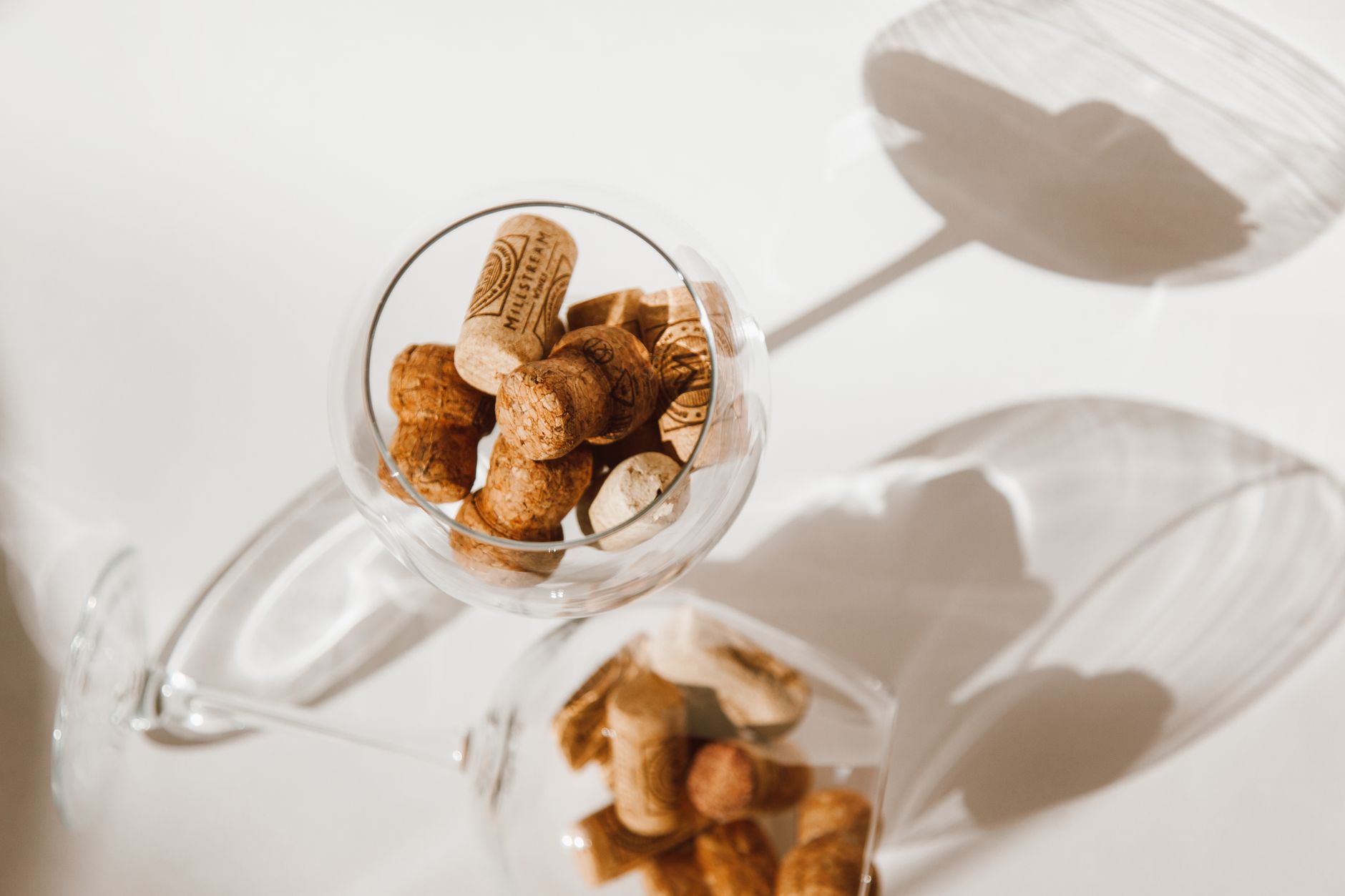
Why Sniffing Corks Fails
Common Misconceptions
Many assume that because cork is part of the bottle, smelling it can reveal the wines condition. Some believe a bad cork smell means bad wine. While partially true for extreme cork taint cases, this is rare. Most cork odors are unrelated to the wines flavor or quality. Consider the corks natural woodiness and aging; these factors dont necessarily mirror how the wine tastes.
Errors From Relying on Cork Smell
Judging wine by cork smell can lead to false alarms or missed flaws. A dry or off cork smell may scare you, but the wine inside could be perfectly drinkable. On the flip side, a cork seeming fine doesn‘t guarantee the wine is fresh faults may be invisible to the nose glued to the cork.
Social and Practical Downsides
Sniffing the cork can interrupt the flow of wine service, create awkward moments, and annoy sommeliers or waitstaff. It may also reflect poorly on your wine knowledge, reducing confidence and enjoyment. Following proper tasting etiquette helps avoid these pitfalls and lets you savor wine thoughtfully.

Is sniff wine cork really reliable to test wine freshness?
No, sniff wine cork generally isnt reliable for testing wine freshness. The scent you get comes from the corks natural properties, not the wine inside. To evaluate freshness, focus on the wines aroma from the glass and its taste. These provide the real indicators of quality and condition.
How does cork taint affect the wine cork smell?
Cork taint, caused by TCA contamination, gives the cork a musty, moldy smell. It can spoil the wines aroma and flavor. However, cork taint is rare today due to improved cork production. If you detect this smell in cork or wine, it usually indicates an unfortunate fault.
Can I smell the cork to check if wine is Halal certified?
No, the cork smell is unrelated to Halal certification. To ensure a wine is Halal or alcohol-free, always check the label or certification logos such as JAKIM, HMC, or IFANCA. The cork cannot indicate compliance with Halal standards.
Whats the correct way to inspect a wine cork in a restaurant?
Visually inspect the cork for any premature dryness, discoloration, or damage. Don‘t sniff it. The server will present it for you to confirm the bottle opening. This gesture confirms the cork is intact and the bottle unopened.
Why do some people still sniff the cork despite etiquette advice?
Many individuals sniff the cork out of habit or curiosity, believing it gives a clue about the wine. It can also feel more interactive in the wine-opening moment. However, education and experience often help correct this impulse.
Are screw caps a better alternative to corks for Halal wines?
Screw caps offer a secure seal that prevents cork taint and offer consistent freshness. Many Halal or health-conscious producers opt for screw caps to provide traceable, contamination-free packaging. They are an excellent option for ensuring quality and safety.
How can I enjoy wine tasting respectfully at a restaurant?
Pay attention to the label presentation, dont rush the process, avoid sniffing the cork, smell and taste the wine in your glass, and communicate politely with the sommelier. This approach creates a pleasant tasting experience for everyone.
Pro Tips for Wine Enjoyment
- Dont make snap judgments based on cork smell its nearly always unreliable.
- Take your time swirling and smelling the wine in the glass; this gives the best sensory clues.
- Look for Halal certification logos clearly displayed on the bottle label if thats important to you.
- When ordering beverages, consider juice drinks or energy drinks if you prefer non-alcoholic options at your meal.
Remember, wine is made to be enjoyed peacefully and respectfully, whether at home or in a restaurant.
More You Might Like
Explore our detailed guide on juice drinks for healthy, refreshing alternatives perfect alongside your meals.
If you want a little boost, check out tips for choosing the best energy drinks that meet Halal and quality standards.
Enjoying wine the right way requires a bit of knowledge and etiquette. Avoid relying on the cork smell and savor your wine by following trusted steps. Next time youre at a restaurant, try focusing on the wine itself and appreciate the experience fully. Feel free to share your own tasting stories or questions below!
FAQs
Is sniff wine cork actually Halal — what should I check on the label?
Sniffing the wine cork does not indicate if the wine is Halal. To confirm Halal status, check the bottle label for certified logos such as JAKIM, HMC, or IFANCA. These certifications guarantee compliance with Halal standards, not the cork smell.
How long does wine remain good after opening?
Once opened, wine typically stays good for 3–5 days if resealed and refrigerated. Red wines may last slightly longer at room temperature but best consumed within a few days to maintain freshness and flavor.
What is the difference between cork and screw cap closures for wine?
Corks are traditional and made from bark, offering breathability but risk cork taint. Screw caps provide airtight seals, preventing cork faults and preserving freshness, often preferred for consistent quality and Halal-certified wines.
Is it safe to rely on sniffing the cork to check wine quality daily?
No, sniffing the cork is not a reliable daily method to assess wine quality. The cork scent reflects cork material, not the wine’s condition. Proper evaluation involves smelling and tasting the wine poured in a glass.
Where can I buy Halal-certified wines or alcohol alternatives?
You can find Halal-certified wines and alcohol-free beverages at specialty stores, supermarkets with Halal sections, and trusted online retailers that list certification details on product pages.