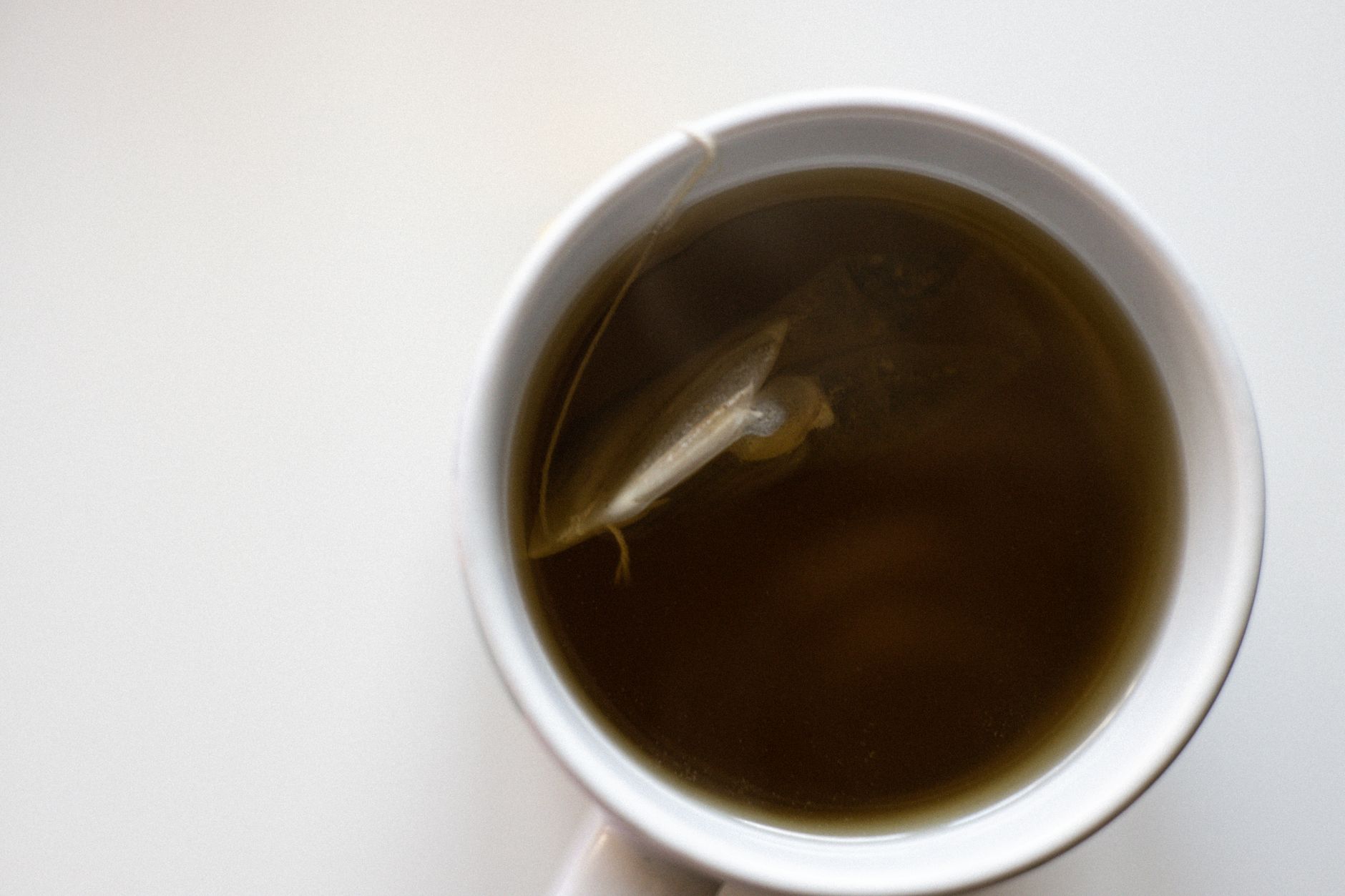
Alright, lets cut to the chase: you want to know how to brew rosemary tea that tastes amazingfresh, fragrant, and soothingand maybe why its worth making this little herbal ritual part of your day. Lucky for you, youre in exactly the right spot. Rosemary tea brewing is not some mysterious art; with just a few tips and tricks, you can have a delicious, caffeine-free herbal tea thats not only comforting but full of health perks, too. Ready to dive in?
Picture this: a warm cup with that piney, almost woodsy aroma, perfect on a cool morning or a relaxing evening. Rosemary tea offers all that and fits your pace, whether you like it piping hot or as a refreshing iced treat. Lets walk through it all, from picking the right rosemary to steeping magic, and sprinkle in some benefits and caveats youll want to know.
How to Brew Rosemary
First things firstyour choice of rosemary can make or break your brew. Fresh rosemary is like the juicy star of the show: vibrant and bursting with oils that give your tea that signature bright, herbaceous flavor. If youre hunting down fresh sprigs, organic is the way to go to avoid any unwanted chemicals. But hey, if fresh isn't an option, good-quality dried rosemary can pull its weight too. Just remember, dried herb can be a bit more potent in flavor, so adjust the amount accordingly.
Choosing Your Rosemary
Have you ever noticed that some fresh rosemary smells stronger than others? Thats the essential oils talkingthe very essence that makes rosemary tea such a treat. If youre grabbing from your garden or local market, go for firm, dark green sprigs with no brown spots or wilting. For dried rosemary, pick finely chopped leaves labeled for culinary use to avoid twigs overpowering your cup.
Water Temperature and Steeping Time
Heres the thing: If your waters too hot or you steep for too long, youll end up with a bitter cup that tastes more like a medicine cabinet than a cozy kitchen. Aim to bring your water just to a gentle boil (around 200F/93C). Pour it over your rosemary and let it steep for about 5 to 7 minutes. This hits the sweet spotenough time for those flavorful oils to infuse without crossing into bitter territory.
Too rushed? Your tea might lack depth. Too long? Bitter city. Its a fine balance, but once you nail it, youll never look back.
How Much Rosemary to Use?
If youre brewing a single cup (~8 ounces), try one tablespoon of fresh rosemary or about one teaspoon of dried. Feel free to tweak this to your taste after your first try. I found I like it a bit stronger in winterits like a warm hug after a chilly day.
Preparing Your Rosemary Leaves
Before steeping, give your rosemary a quick rinse under cold water to wash off any dust or dirt. Then, gently bruise or crush the leaves with your fingers or a mortar and pestlethis helps release those beautiful aromatic oils straight into your cup.
Brewing Methods
Youve got options here: a simple teapot, a tea infuser, even a French press works wonders. Just pour hot water over your prepared rosemary and cover it while it steepsthat bit of trapped steam really helps coax out the flavor. For iced rosemary tea, brew it the same way, then let it cool before pouring over ice. Its delightfully refreshing!

Rosemary Tea Benefits
Okay, so why bother with rosemary tea brewing beyond the obvious deliciousness? Well, this little herb packs quite a punch. Its caffeine-free herbal tea thats gentle on your system, making it a great choice anytime of day, even right before bed.
What Makes Rosemary Tea Good for You?
Rosemary is loaded with antioxidants and anti-inflammatory compounds, which help your body fight oxidative stress and inflammation. Thats kind of like having a team of tiny warriors keeping things balanced inside you. Studies have shown rosemary may support digestion, ease muscle pain, and even help sharpen memory and concentration (which, hey, who doesnt want a little brain boost?).
Plus, its soothing nature makes it a friend during stressful days, calming your mind with its fresh, woodsy scent and warm flavor. But rememberthese benefits are a bonus, not a magic cure. Enjoy it as part of a balanced lifestyle, not a miracle fix.
Potential Risks and Precautions
Its worth noting: too much rosemary tea can sometimes cause problemsthink upset stomachs or allergic reactions, especially if youre pregnant, nursing, or have certain medical conditions. If thats you, chat with your healthcare professional before making rosemary tea a daily habit. Moderation is key, and your health always comes first.
By the way, if youre curious about how to get your fresh rosemary and other herbs right to your door without the hasslecheck out this helpful guide on how to order groceries online. Its been a game-changer for me on busy days!
Hot and Iced Rosemary Tea Recipes
Sure, brewing rosemary tea is simple, but a little creativity never hurt anyone. Here are a couple of my favorite recipesone cozy and warm, one chilled and refreshing.
Classic Hot Rosemary Tea
Follow the brewing steps above, then add a pinch of honey or a slice of lemon if you like a little sweet tang. Ginger is also fantastic for a spicy kick. Stir it up and sip slowlythe warmth feels like a quiet friend on a hectic day.
Refreshing Iced Rosemary Tea
To make iced rosemary tea, brew your tea a bit stronger, say, add an extra sprig or two or a little more dried rosemary, then let it cool at room temperature before chilling in the fridge. Pour it over ice and garnish with a fresh rosemary sprig or a twist of lemon zest. Its a perfect light refresher for warmer days, and trust me, itll soon become your favorite herbal iced tea go-to.

Storing Your Brewed Tea
Made too much? No worries. Store your rosemary tea in a sealed container in the fridge for up to 3 days. Just give it a good stir before drinking. If you notice any odd smells or murkiness, best to make a fresh batch.
Quick Tips for a Great Cup Every Time
Want to avoid those typical mistakes? Here are a few things Ive learned the hard way and wished I knew sooner:
- Dont rush the steepingbut dont overdo it either. 5-7 minutes is your sweet spot.
- Use fresh or good quality dried rosemary, not the powdery stuff meant for long-cooked dishes.
- Give the leaves a gentle crush before brewingyoull get way more flavor out of it.
- Experiment with add-ins, but keep honey and lemon subtlethey should complement, not overpower.
Remember, this isnt about perfect scientific precisionits about what tastes good to you and feels good in your day.

Wrap-Up: Savor the Moment with Rosemary Tea Brewing
So, there you have itsimple, natural ways to master rosemary tea brewing, from choosing your herb to sipping your perfect cup, hot or iced.
Rosemary tea is more than just a caffeine-free herbal tea option; its a little ritual, a moment to slow down and breathe in something fresh and vibrant. It comes with surprising health perks, but like all good things, its best enjoyed with balance and care.
Now, I want to know: Have you tried brewing rosemary tea before? Whats your go-to recipe or twist? Share your experiences or questionsId love to hear how you make this experience your own.
FAQs
How long should I steep rosemary tea for the best flavor?
Steep your rosemary tea for about 5 to 7 minutes at around 200°F (93°C) to achieve a balanced, herbaceous flavor without bitterness.
Can I use dried rosemary instead of fresh for tea brewing?
Yes, dried rosemary works well, but use about one teaspoon per cup since it has a more concentrated flavor compared to fresh rosemary.
Is rosemary tea safe to drink every day?
Rosemary tea can be enjoyed daily in moderation, but if you are pregnant, nursing, or have health concerns, it's best to consult your healthcare provider first.
Can I drink rosemary tea both hot and iced?
Absolutely! Rosemary tea tastes great hot for cozy moments, and brewed stronger then chilled, it makes a refreshing iced beverage.
Does crushing rosemary leaves before brewing affect the taste?
Yes, gently bruising or crushing rosemary leaves helps release essential oils, enhancing the aroma and flavor of your tea.