If you have ever stood in the pasta aisle wondering whether to grab a jar labeled Bolognese or one that says Marinara, you are not alone. The choice between Bolognese vs Marinara comes down to one simple fact: Bolognese is a hearty, slow-cooked meat sauce, while Marinara is a light, quick tomato sauce. Knowing this difference helps you pick the right sauce for your meal, whether you want rich comfort or bright, fresh flavor. Let us break down exactly what sets them apartand how to choose wisely for your next dish.
What Makes Bolognese and Marinara Different
What are the main ingredients in Bolognese sauce?
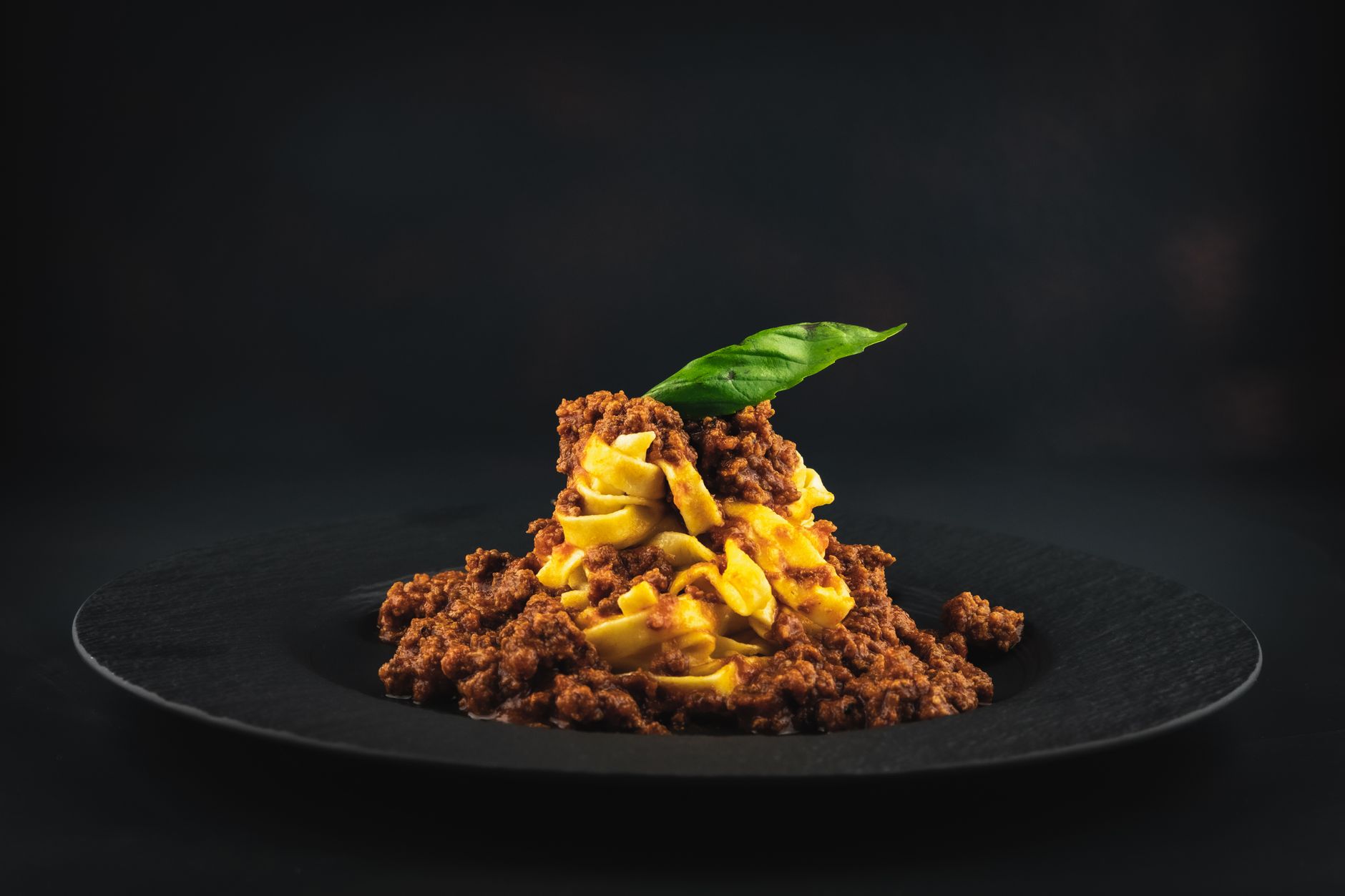
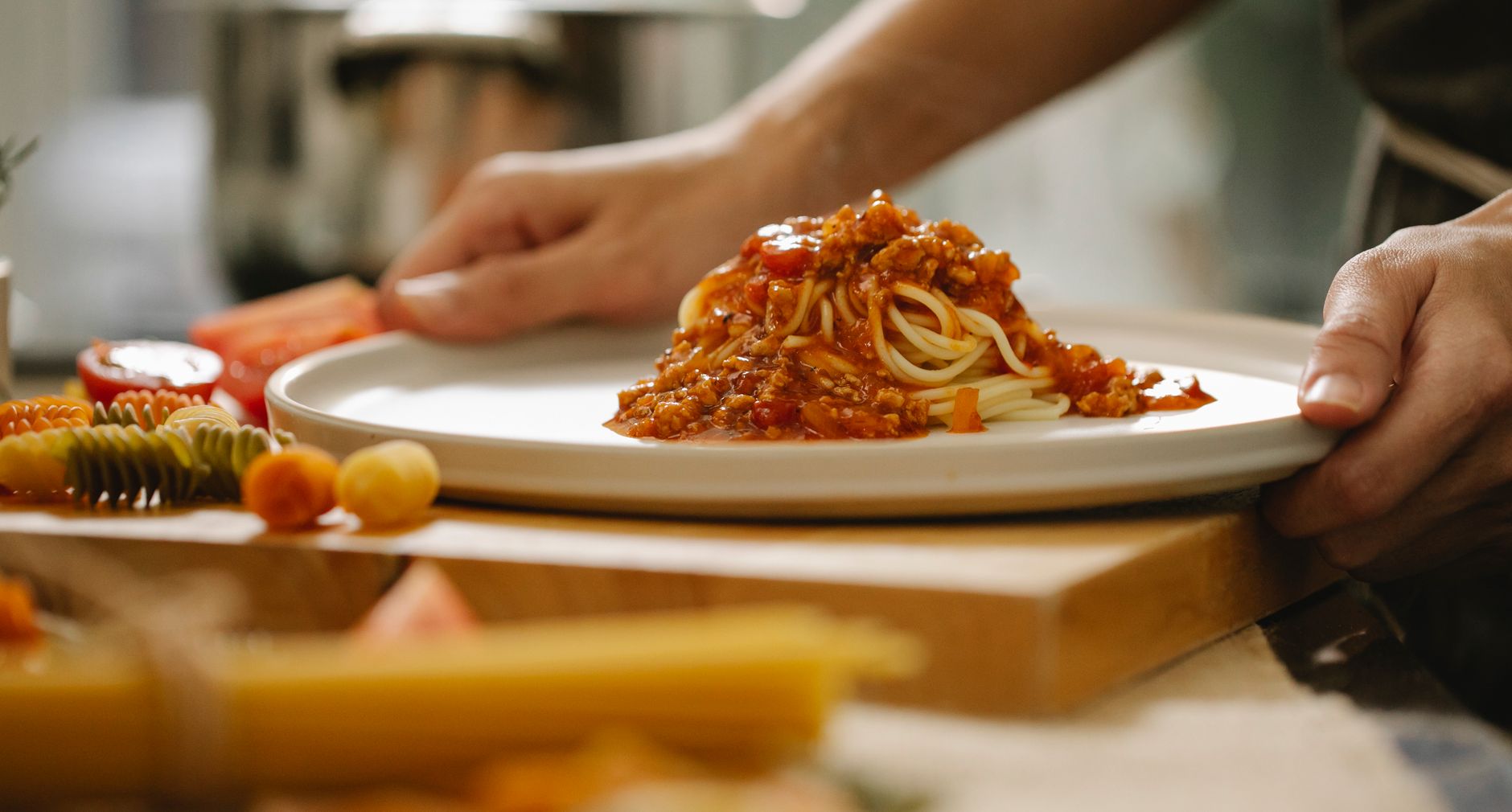
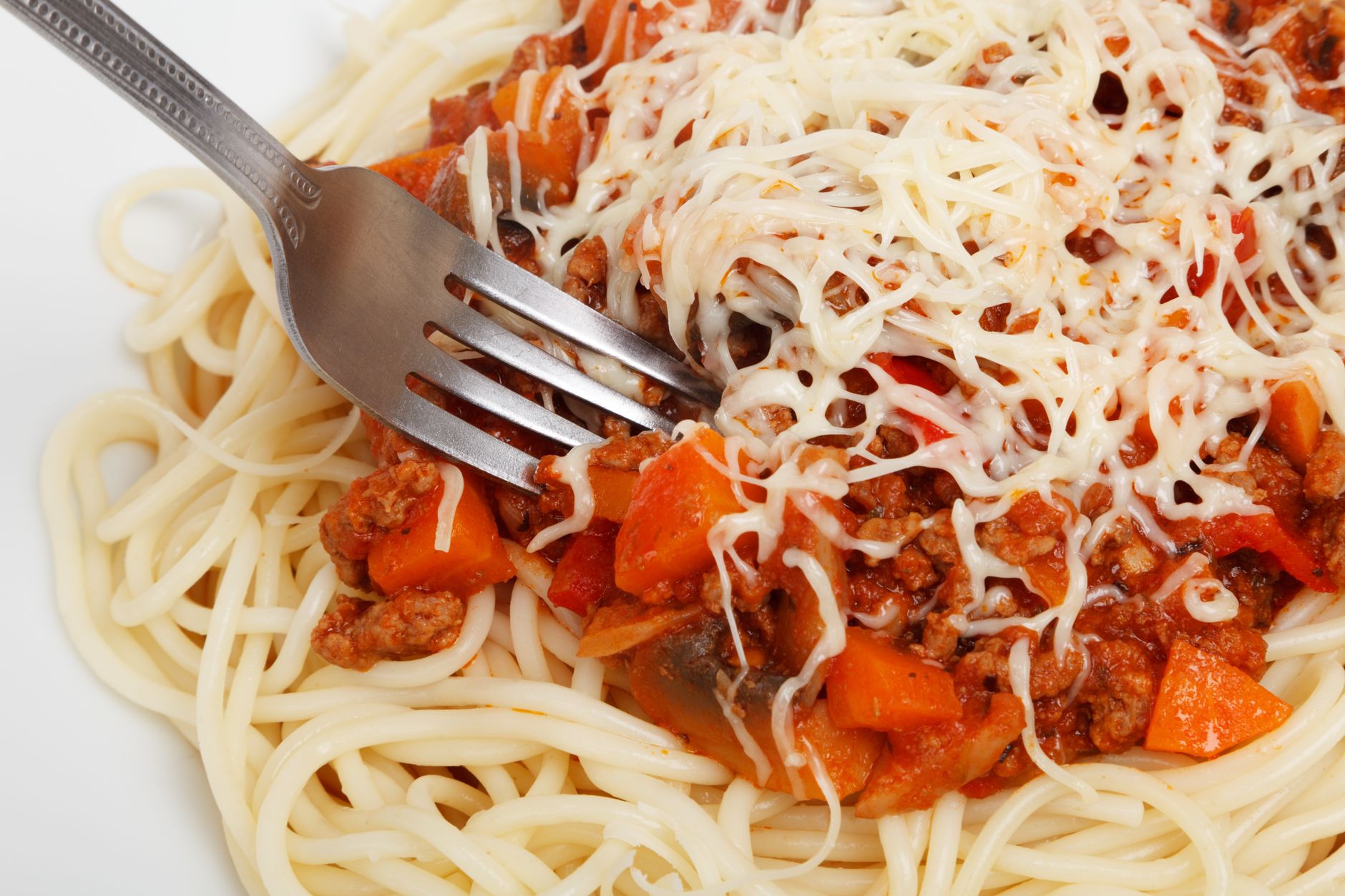
Authentic Bolognese sauceknown in Italy as rag alla bologneseis built around ground meat, typically beef or a mix of beef and pork. For Halal kitchens, use ground beef or lamb from a certified Halal source (look for IFANCA or HMC logos). The base also includes a soffritto of finely chopped onion, carrot, and celery, plus tomato paste (not whole tomatoes), dry white wine, and a splash of milk or cream. The key is patience: the sauce simmers for at least two hours, allowing the meat to break down and the flavors to meld into a rich, velvety texture.
What are the main ingredients in Marinara sauce?
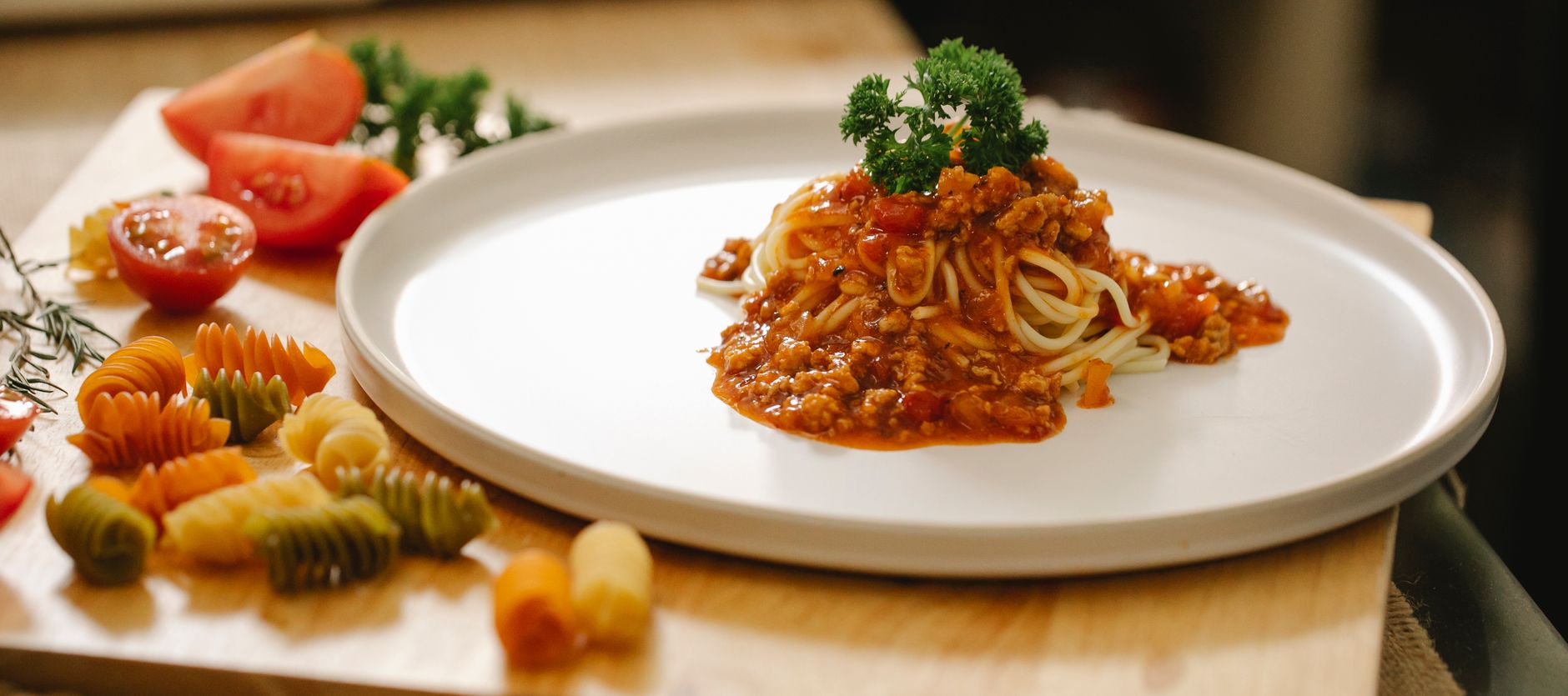
Marinara sauce is the oppositesimple and fast. It uses whole or crushed tomatoes, garlic, olive oil, fresh basil, and sometimes a pinch of red pepper flakes. No meat, no dairy, no long simmer. You can finish it in under 30 minutes. Because it relies on high-quality tomatoes, choose San Marzano or other canned whole tomatoes for the best flavor. For Halal shoppers, marinara is naturally vegetarian and usually Halal-friendly, but always check for any alcohol-based extracts in pre-made jars.
How do the textures and flavors differ?
The table below summarizes the core sensory differences:
| Aspect | Bolognese | Marinara |
|---|---|---|
| Texture | Thick, chunky, almost creamy from the milk and long cooking | Thin, smooth, with visible tomato pieces |
| Flavor | Deep, savory, umami-rich with subtle sweetness from the vegetables | Bright, tangy, herb-forward, much lighter |
| Mouthfeel | Coating and heavy | Light and watery |
When to Use Bolognese vs Marinara in Cooking
What dishes suit Bolognese sauce best?
Bolognese was made for wide, sturdy pasta like tagliatelle or pappardellethe sauce clings to the ribbons without overwhelming them. It is also the classic filling for lasagna, especially when layered with bchamel. For a twist, stuff it into bell peppers or use it as a base for shepherds pie. Because it is a meat sauce, one batch can feed a crowd. If you are planning a party, consider serving it alongside other hearty options like Costco prepared foods for party to save time without sacrificing quality.
What dishes are ideal for marinara sauce?
Marinara shines on quick weeknight dinners. Toss it with spaghetti, penne, or angel hair for a meal in minutes. It also works as a dipping sauce for mozzarella sticks, a base for pizza, or a light simmering liquid for meatballs. Because it is thin, it does not overwhelm delicate pasta shapes. For added depth, you can saut garlic and red pepper flakes in olive oil before adding the tomatoesjust like many restaurant kitchens do. That technique is one reason restaurant sandwiches and pasta dishes taste so much better than home versions.
Can you substitute one for the other?
Technically yes, but the result will be very different. Using marinara instead of Bolognese on lasagna will give you a watery, tangy filling instead of a rich, meaty one. Using Bolognese as a pizza sauce will be too heavy and mask the cheese. Stick with the intended sauce for each dish, but if you must swap, add extra tomato paste to marinara to thicken it, or thin Bolognese with a little broth for quick pasta.
How to Make Bolognese and Marinara at Home (Recipe Insights)
Step-by-step guide to making authentic Bolognese sauce
| Prep time | Cook time | Total time | Servings | Calories (per serving) | Diet tags |
|---|---|---|---|---|---|
| 15 minutes | 2 hours 15 minutes | 2 hours 30 minutes | 6 | 380 | Halal-friendly, Gluten-free (if served with GF pasta) |
- Heat 2 tablespoons olive oil in a heavy pot over medium heat. Add 1 finely chopped onion, 1 diced carrot, and 1 diced celery stalk. Cook for 8 minutes, stirring often, until soft and lightly golden.
- Add 1 pound Halal-certified ground beef (or a beef-lamb mix). Break it apart with a spoon and cook for 10 minutes until browned. Drain excess fat if desired.
- Pour in 1/2 cup dry white wine (check for Halal certificationsome wines are not). Let it bubble for 3 minutes until the alcohol smell fades.
- Stir in 3 tablespoons tomato paste. Cook for 2 minutes, then add 1 cup beef broth (Halal) and 1/2 cup whole milk. Bring to a gentle simmer.
- Reduce heat to low, partially cover, and let it simmer for 2 hours. Stir every 20 minutes. If it becomes too thick, add a splash of broth. Season with salt and pepper at the end.
Expert tip: For an even deeper flavor, use 1 tablespoon of tomato paste and 1 tablespoon of double-concentrated tomato paste. Also, a pinch of nutmeg added with the milk enhances the savory notes.
How to make marinara sauce from scratch
| Prep time | Cook time | Total time | Servings | Calories (per serving) | Diet tags |
|---|---|---|---|---|---|
| 5 minutes | 25 minutes | 30 minutes | 4 | 90 | Vegan, Gluten-free, Halal |
- Heat 3 tablespoons extra-virgin olive oil in a medium saucepan over medium heat. Add 4 minced garlic cloves and cook for 1 minutedo not let them brown.
- Pour in one 28-ounce can of whole peeled tomatoes (San Marzano recommended). Crush them with a wooden spoon or pulse briefly in a blender before adding for a smoother sauce.
- Add 1 teaspoon salt, 1/2 teaspoon black pepper, and 1/2 teaspoon dried oregano. Stir well.
- Bring to a gentle boil, then reduce heat to low. Simmer uncovered for 20 minutes, stirring occasionally, until slightly thickened.
- Remove from heat. Stir in 1/4 cup fresh basil leaves, torn. Taste and adjust salt. Serve immediately or let cool for storage.
Expert tip: For a spicy marinara, add 1/2 teaspoon red pepper flakes with the garlic. For an even richer flavor, add 1 tablespoon tomato paste after the garlic.
Tomato sauce difference How do these sauces differ in tomato use?
Bolognese uses tomato pasteconcentrated, deep red, and thickwhich contributes color and sweetness without extra liquid. Marinara relies on whole or crushed tomatoes, providing bright acidity and a lighter body. This distinction is why Bolognese can simmer for hours without breaking down, while marinara would turn bitter if cooked too long.
Nutritional and Dietary Considerations: Bolognese vs Marinara
Is Bolognese sauce healthier than marinara sauce?
It depends on your goals. Marinara is lower in calories (about 90 per half-cup) and fat, and it contains no cholesterol. Bolognese, on the other hand, offers about 380 calories per serving with 18g protein and 12g fat, making it more satiating. According to USDA FoodData Central, a half-cup of homemade Bolognese contains around 420mg sodium, while marinara has roughly 480mg (varies by recipe). If you watch your sodium, choose low-sodium canned tomatoes for either sauce.
Dietary restrictions and suitability
Marinara is naturally vegan, gluten-free, and suitable for most Halal diets (check for wine or alcohol in store-bought versions). Bolognese contains meat and dairy, so it is not vegan or vegetarian. For Halal compliance, ensure the meat is certified Halal and that any cheese used (like Parmesan in a lasagna) is made with microbial rennet. Look for Halal certification logos such as JAKIM, HMC, or IFANCA.
When is the best time to serve Bolognese sauce?
Bolognese is a cold-weather sauce. Serve it for Sunday dinners, holiday gatherings, or after a long week when you want something deeply comforting. Its slow simmer fills the kitchen with a rich aroma, making it perfect for occasions when you have time to cook and entertain. Marinara, on the other hand, is great for busy weeknights when you need a quick, fresh meal.
Can I freeze Bolognese or marinara?
Yes, both freeze well. Bolognese keeps for 34 months in an airtight container. Marinara lasts 46 months. Portion them into 1-cup containers so you can thaw only what you need. Thaw overnight in the refrigerator and reheat on the stovetop over low heat, adding a splash of water if the sauce is too thick.
What is the difference between marinara and spaghetti sauce?
Spaghetti sauce is a broad term that can refer to any tomato-based pasta sauce, including both Bolognese and marinara. In the US, many jarred spaghetti sauces are actually sweet, pre-seasoned marinara-style sauces. Bolognese is a specific type of spaghetti sauce made with meat and slow-cooked. If you see spaghetti sauce on a label, check the ingredient list to determine whether it contains meat and dairy.
Can marinara sauce be used on meatballs?
Absolutely. Marinara is the classic companion for meatballs. Its bright acidity cuts through the richness of the meat, and its thin consistency allows the meatballs to absorb flavor without turning soggy. Simply simmer cooked meatballs in marinara for 10 minutes before serving.
How long can you store homemade Bolognese or marinara?
Bolognese keeps for 45 days in a sealed container in the refrigerator. Marinara lasts 57 days. Always cool the sauce to room temperature (within 2 hours) before refrigerating. Do not leave either sauce out for more than 2 hours total. For longer storage, freeze as mentioned above.
Is Bolognese sauce traditionally made with wine?
Yes, traditional Bolognese calls for dry white wine. The wine adds acidity and depth, but the alcohol evaporates during cookingabout 95% after 2 hours of simmering. For strict Halal diets, you can substitute the wine with an equal amount of unsalted beef broth plus 1 teaspoon of white wine vinegar to mimic the acidity.
What is the best pasta shape for marinara?
Thin pasta like spaghetti, angel hair, or linguine works best because marinara is light and does not require thick, textured shapes to hold it. Avoid pasta tubes or ridged shapes that trap too much thin saucethe dish can become watery. For Bolognese, use tagliatelle, fettuccine, or pappardelle.
Can I make a vegan Bolognese?
Yes. Replace ground meat with cooked lentils, crumbled tempeh, or finely chopped mushrooms. Use plant-based milk (unsweetened oat or soy) instead of dairy milk. Follow the same slow-cooking process to develop depth. For Halal vegans, ensure all ingredients (like broth) are Halal-certified.
Pro Tips for Perfect Bolognese and Marinara
For Bolognese: The number one mistake is rushing the simmer. A true rag needs at least 2 hours. If you stop at 45 minutes, the meat will be chewy and the flavors flat. Also, avoid using lean ground beef80/20 gives a richer result. For Marinara: Do not overcook. Once the tomatoes are in, 20 minutes is enough; longer cooking dulls the brightness. The second common error is using dried basil instead of freshdried basil loses its aroma quickly in a quick sauce. Expert upgrade: For Bolognese, add a Parmesan rind to the pot while it simmers (remove it before serving). For marinara, finish with a drizzle of good extra-virgin olive oil just before serving for a silky mouthfeel.
More You Might Like
If you enjoyed learning about these two classic sauces, you might also find our guide to Costco prepared foods for party helpfulespecially if you are planning a large gathering and want convenient, Halal-friendly options. Another great read is why restaurant sandwiches taste better, which covers the small techniques that elevate simple foods.
Conclusion
Choosing between Bolognese vs Marinara does not have to be confusing. Bolognese gives you deep, meaty richness perfect for slow weekends and lasagna, while marinara delivers bright, quick freshness for weeknight spaghetti. Both have their place in a Halal kitchenjust check your meat sources for Bolognese and your wine substitutes for marinara. Next time you shop, read the label to see whether you are getting a traditional meat sauce or a simple tomato sauce. Then cook with confidence and enjoy every bite.
FAQs
Is Bolognese vs Marinara actually Halal — what should I check on the label?
For Halal compliance, check that Bolognese uses certified Halal meat (look for logos like IFANCA, HMC, JAKIM). Marinara is usually vegetarian and Halal-friendly, but avoid jars with alcohol-based extracts or wine. Homemade versions can be controlled. Always read ingredient labels for any non-Halal additives.
How long can I store homemade Bolognese or marinara sauce after opening?
Bolognese keeps 4-5 days in the fridge in a sealed container; marinara lasts 5-7 days. Cool to room temperature within 2 hours before refrigerating. For longer storage, freeze Bolognese up to 3-4 months and marinara up to 4-6 months in airtight containers.
What is the difference between marinara and spaghetti sauce?
Spaghetti sauce is a broad term for any tomato-based pasta sauce. Marinara is a specific quick, light tomato sauce, while Bolognese is a slow-cooked meat sauce. Many jarred "spaghetti sauces" are actually marinaras with added sugar. Check ingredients to distinguish.
Can I consume these sauces daily?
Yes, but consume in moderation. Marinara is low-calorie (about 90 per half-cup) and vegan, suitable for daily use. Bolognese is higher in calories and fat (380 per serving), so it's more suited for occasional hearty meals. Both can be part of a balanced diet if portion-controlled.
Where can I buy quality Bolognese or marinara sauce?
Look for reputable brands in the pasta aisle or specialty Halal markets. For Halal-certified options, check online retailers or stores that carry products with JAKIM, HMC, or IFANCA logos. You can also make your own using fresh ingredients to ensure quality and dietary compliance.