When you walk into a Texas Roadhouse, the aroma of grilled steak hits you before you even sit down. That scent comes from a massive operation moving an incredible volume of beef every year. If youve ever wondered just how much Texas Roadhouse beef flows through their kitchens, the answer might surprise you. Behind every hand-cut ribeye and sirloin lies a supply chain that processes millions of pounds annually. Understanding this scale helps you appreciate what ends up on your plate and how to choose quality beef when you shop or dine out.

How Much Beef Does Texas Roadhouse Actually Use?
The numbers are staggering. Texas Roadhouse operates more than 600 locations across the United States and several international markets. Each restaurant goes through thousands of pounds of beef every week. Industry estimates suggest the chain processes over 100 million pounds of beef annually. That‘s enough to fill roughly 2,000 semi-trailer trucks. To put it in perspective, that beef consumption rivals the output of a mid-sized meatpacking plant. For a single restaurant brand, this scale is remarkable.
What‘s the Annual Beef Volume in Pounds or Tons?
According to corporate disclosures and meat industry reports, Texas Roadhouse processes approximately 110 million pounds of beef each year. That breaks down to about 55,000 tons. Per restaurant, that means roughly 180,000 pounds of beef annually, or about 3,500 pounds per week. Those numbers come from the company‘s own supply chain data and independent beef processing volume estimates. Texas Roadhouse beef volume places them among the top steakhouse chains in the country for sheer tonnage.
How Does This Volume Affect Beef Processing in Texas?
Because Texas Roadhouse is headquartered in Louisville, Kentucky, but sources heavily from the Plains and Midwest, the beef processing volume directly impacts local packing plants in states like Texas, Nebraska, and Kansas. The chain‘s demand for specific cuts especially hand-cut steaks means processors must dedicate lines to their specifications. This creates a steady flow of high-quality beef that supports local economies and maintains consistent taste across all locations.
Example: Calculating Beef Usage per Store vs. Chain-Wide
- Per store per week: 3,500 pounds of beef
- Per store per year: 182,000 pounds (91 tons)
- Chain-wide (600 stores): 109.2 million pounds (54,600 tons)
That‘s roughly the weight of 9,000 adult male bison. Every year.
Where Does Texas Roadhouse Beef Come From?
You might assume the beef comes straight from Texas ranches. In reality, Texas Roadhouse sources beef from multiple regions, focusing on grain-fed cattle from the Midwest and Plains states. The beef is USDA Choice or higher, with many cuts meeting the specs for USDA Prime. The chain works with major packers like Cargill and Tyson, but also partners with smaller, regional processors to maintain supply flexibility. This beef sourcing strategy ensures consistent marbling and tenderness across every restaurant.
Is Texas Roadhouse Using Local or Imported Beef?
Texas Roadhouse does not use imported beef all their beef is from domestic, grain-fed cattle raised primarily in the United States. While not strictly "local" in the farm-to-table sense, the beef travels from processing plants within the same country, which supports American agriculture. For consumers concerned about beef sourcing, this domestic focus means traceability is clearer than with imported alternatives.
What Cuts of Beef Are Most Popular for Texas Roadhouse Steaks?
The menu focuses on classic steakhouse cuts: ribeye, New York strip, filet mignon, and sirloin. The hand-cut ribeye is the bestseller, prized for its marbling and flavor. Each cut undergoes aging for tenderness, then is trimmed and portioned in-house. The steakhouse beef quality comes from selecting the right muscles the ribeye comes from the rib section, the strip from the short loin, and the filet from the tenderloin. Understanding these cuts helps you choose what to order or replicate at home.
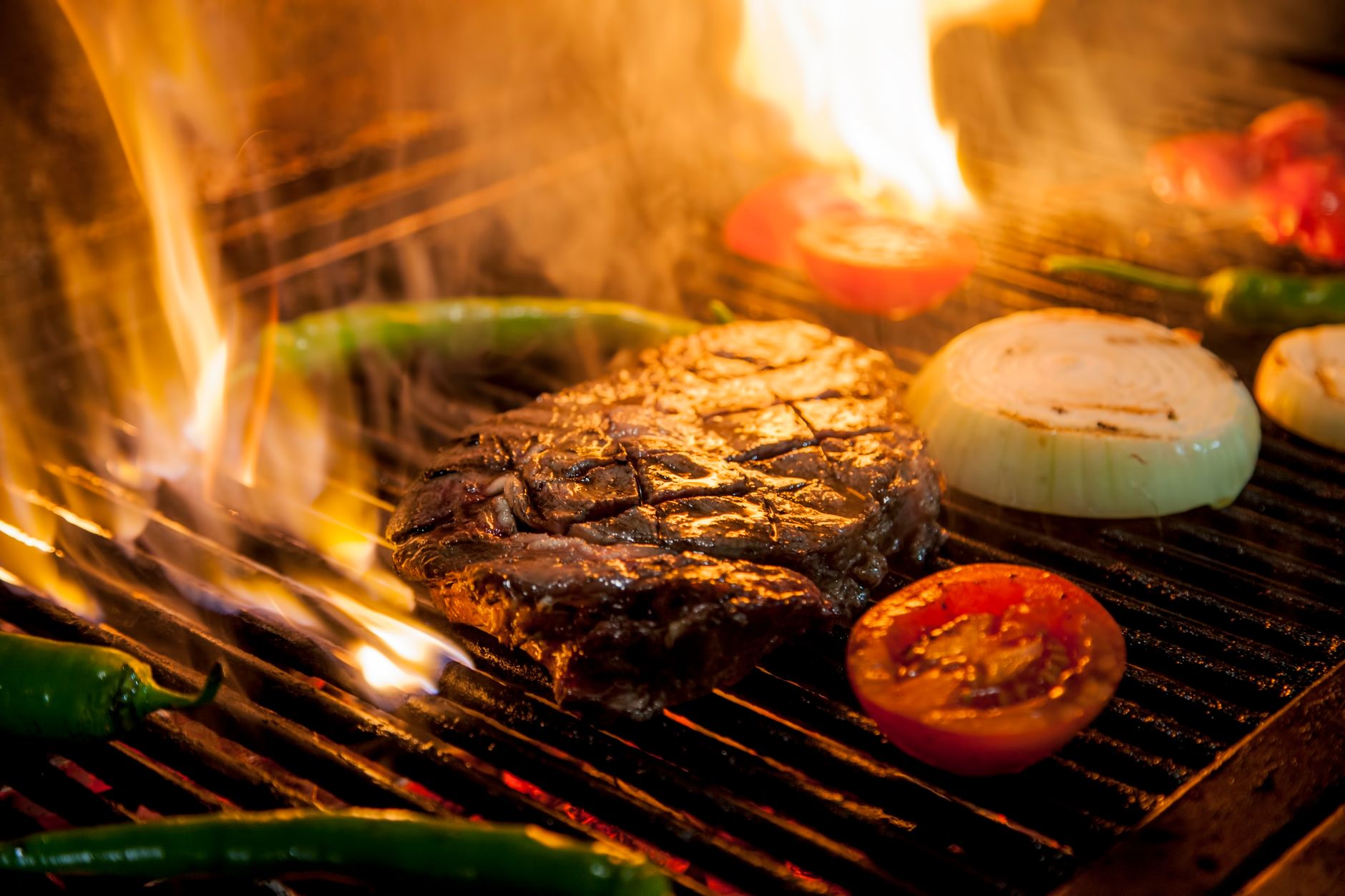
Comparison: Texas Roadhouse Beef vs. Other Steakhouses
| Feature | Texas Roadhouse | Outback Steakhouse | LongHorn Steakhouse |
|---|---|---|---|
| Beef grade | USDA Choice / Prime | USDA Choice | USDA Choice / Prime |
| Cut method | Hand-cut in-house | Pre-cut at distribution | Hand-cut in-house |
| Aging process | Wet-aged minimum 14 days | Wet-aged 710 days | Wet-aged 1421 days |
| Sourcing region | Domestic (Midwest/Plains) | Domestic + some imported | Domestic |
| Certification | No Halal or organic | No Halal or organic | No Halal or organic |
The Benefits and Risks of Consuming Texas Roadhouse Beef
Eating beef from a high-volume chain like Texas Roadhouse offers both nutritional advantages and potential downsides. On the positive side, their hand-cut steaks provide high-quality protein, iron, zinc, and B vitamins. A 6-ounce ribeye delivers about 44 grams of protein and 3.5 mg of iron. But the same portion also contains around 520 calories and 38 grams of fat, including 15 grams of saturated fat, according to the USDA FoodData Central. Moderation is key, especially if you‘re watching your cholesterol or sodium intake.
What to Look For When Buying Texas Roadhouse Beef
When you purchase beef from Texas Roadhouse (they sell raw steaks at some locations) or try to replicate their quality at home, you need a quick-reference guide. The table below covers what to check on the label or ask your butcher.
| Certification | Price Range | Common Formats | Shelf Life | Key Allergens |
|---|---|---|---|---|
| USDA Choice or Prime; no Halal/Organic | $12$18 per pound (retail) | Fresh steaks, vacuum-sealed | 35 days refrigerated; 612 months frozen | None (beef only; no additives) |
Look for the USDA grade stamp. Texas Roadhouse typically uses USDA Choice; if you see Prime, that‘s even better marbling. Avoid packages with excess liquid or off-odors. The beef should be bright cherry-red if freshly cut, though vacuum-sealed beef may appear darker that‘s normal until exposed to air.
Nutritional Benefits of Texas Roadhouse Steaks
Beyond protein, beef is a rich source of creatine and conjugated linoleic acid, which some studies link to muscle maintenance and fat metabolism. The hand-cut process means you get full muscle cuts with minimal processing, keeping the nutrient profile intact. For fitness-minded individuals, a steak dinner can support recovery and satiety better than many processed protein sources.
Potential Risks or Concerns
The main concerns revolve around saturated fat and sodium from seasoning. Texas Roadhouse steaks are seasoned with a proprietary blend that includes salt, pepper, garlic, and other spices. A typical 6-ounce portion of seasoned steak contains around 700900 mg of sodium, about 3040% of the daily recommended limit. Overconsumption of red meat has also been associated with increased risk of cardiovascular issues, so balance with vegetables and whole grains is wise.
Tips for Enjoying Steak Responsibly
- Stick to a 6-ounce portion per meal (roughly the size of your palm).
- Pair with a big side salad or steamed vegetables to increase fiber.
- Limit steakhouse visits to once or twice per week if you have high cholesterol.
- Ask for seasoning on the side to control sodium.
Behind the Scenes: How Texas Roadhouse Handles Its Beef Supply Chain
Getting 110 million pounds of beef from farm to plate every year requires a tightly managed logistics network. Texas Roadhouse uses a combination of company-owned distribution centers and third-party suppliers. Each shipment must meet strict temperature and handling standards. The beef is wet-aged at the packing plant for 14 to 21 days, then shipped to restaurants where it‘s hand-cut within 48 hours. This freshness window is critical for both flavor and safety.
What Does "Butchering" Mean at Texas Roadhouse?
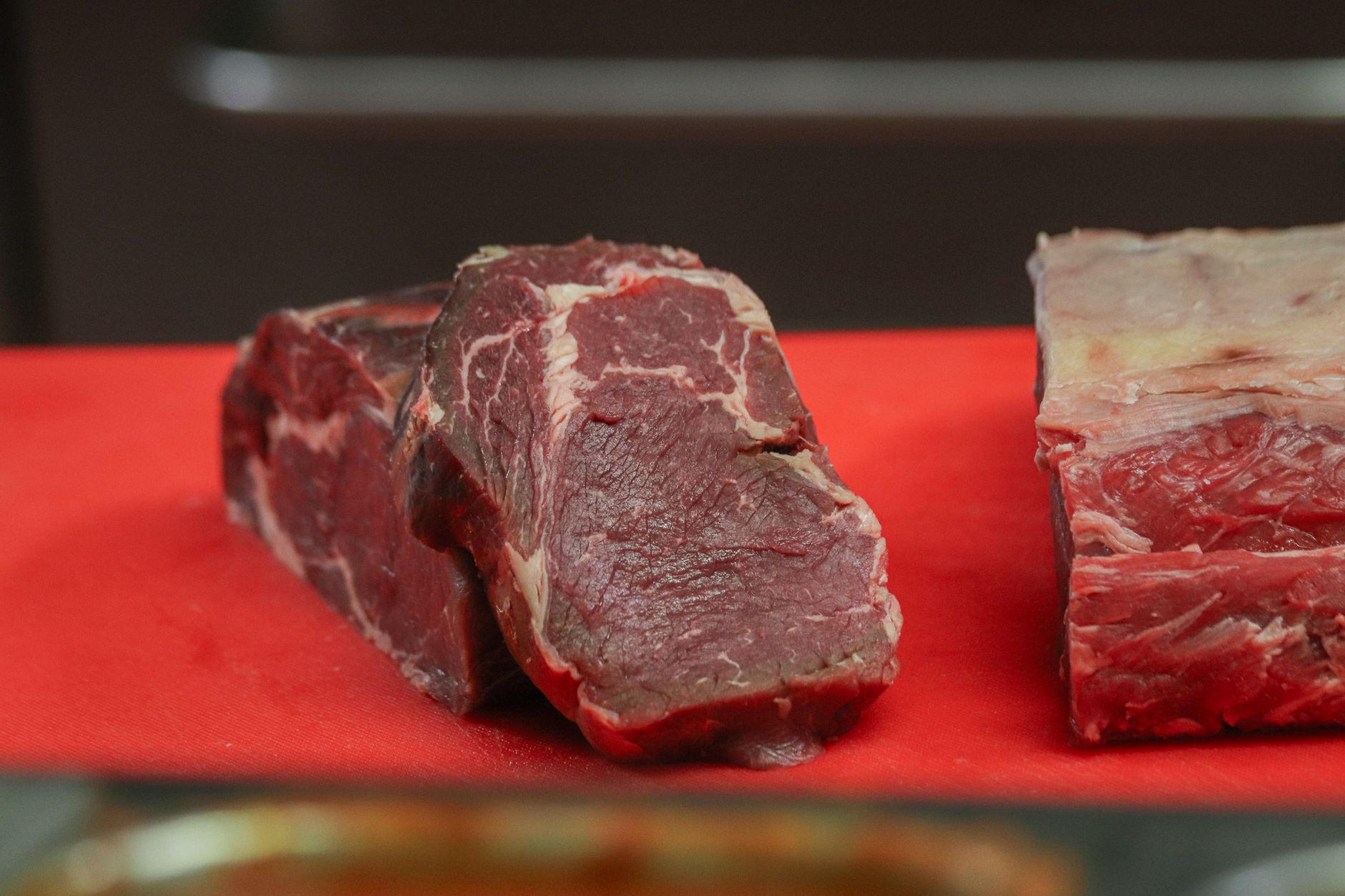
Every Texas Roadhouse has an in-house butcher team. They receive large primal cuts whole ribeye rolls, strip loins, and tenderloins and break them down into individual steaks. This hand-cutting process gives the restaurant total control over thickness, trim fat, and portion size. It also means the beef is never frozen before cooking, preserving texture. This level of hands-on beef quality is rare among casual dining chains and is a major differentiator.
How Does Texas Roadhouse Maintain Beef Quality Across Locations?
The company uses a centralized quality assurance program. Each restaurant follows exact specifications for aging time, cut thickness, and cook temperature. Regional quality managers audit locations randomly, checking meat temperature logs, cut accuracy, and storage conditions. If a supplier fails to meet the beef sourcing standards, they are replaced. This consistency is why a ribeye in Dallas tastes the same as one in Boston.

Case Study: A Day in the Life of Texas Roadhouse‘s Meat Processing
At 4:00 AM, a refrigerated truck delivers 3,500 pounds of prime ribs and tenderloins to a busy location in Houston. The butcher logs the temperature (must be below 40F), inspects the beef for color and odor, and allocates it to the cooler. By 10:00 AM, steaks are cut, trimmed, and plated for the lunch rush. Each steak is weighed to within 0.5 ounces of the target portion. Any steaks that don‘t meet spec go into the grind for burgers. Nothing is wasted.
How to Store Texas Roadhouse Steaks at Home
If you buy a raw steak from Texas Roadhouse or bring home leftovers, proper storage extends quality. Fresh steaks kept in their original packaging last 3 to 5 days in the coldest part of your refrigerator (3438F). For longer storage, wrap tightly in plastic wrap and then aluminum foil, or use a vacuum sealer. Frozen steaks maintain peak quality for 6 to 12 months. Thaw them in the refrigerator for 24 hours never on the counter.
Is Texas Roadhouse beef actually Halal what should I check?
Texas Roadhouse does not advertise Halal certification for any of its beef. The beef is sourced from conventional domestic suppliers that do not follow Halal slaughter methods. If you follow Halal dietary guidelines, you cannot assume their steaks are permissible. Always ask the restaurant manager about their suppliers and any Halal handling practices. Some locations may offer Halal options upon request, but it is not standard. Look for a Halal certification logo from a recognized body like IFANCA or HMC if you need certainty. For home cooking, purchase beef from a certified Halal butcher instead.
What grade of beef does Texas Roadhouse use?
Texas Roadhouse primarily uses USDA Choice beef, with some Prime cuts available for higher-marbled steaks like ribeye. The USDA grade stamp appears on the primal boxes before cutting. Choice offers good marbling at a reasonable price; Prime has more fat and is richer. If you want the closest match at home, ask your butcher for USDA Choice or Prime ribeye.
How can I tell if Texas Roadhouse beef is fresh?
Fresh Texas Roadhouse beef should have a bright cherry-red color on the outside. Vacuum-sealed packages may appear darker purple due to lack of oxygen that is normal. The beef should smell clean and slightly metallic, not sour or ammonia-like. The texture should be firm and spring back when pressed. Avoid any packages with excessive liquid or tears.
Does Texas Roadhouse freeze their beef?
Texas Roadhouse does not freeze their beef before cooking. They receive fresh, never-frozen primal cuts and hand-cut steaks daily. This preserves the beef‘s natural moisture and tenderness. Leftover cooked steak can be frozen at home for later use.
How many calories are in a Texas Roadhouse ribeye?
A 6-ounce hand-cut ribeye from Texas Roadhouse contains approximately 520 calories, 38 grams of fat (15g saturated), 44 grams of protein, and 700900 mg of sodium depending on seasoning. The 11-ounce version roughly doubles those numbers. Check the menu for allergen details.
Can I buy Texas Roadhouse raw steaks to cook at home?
Yes, some Texas Roadhouse locations sell raw, hand-cut steaks directly to customers. They are priced per pound and packaged for takeaway. You can order ahead by calling the restaurant. The steaks are the same quality as those served in-house.
What is the best Texas Roadhouse steak for grilling at home?
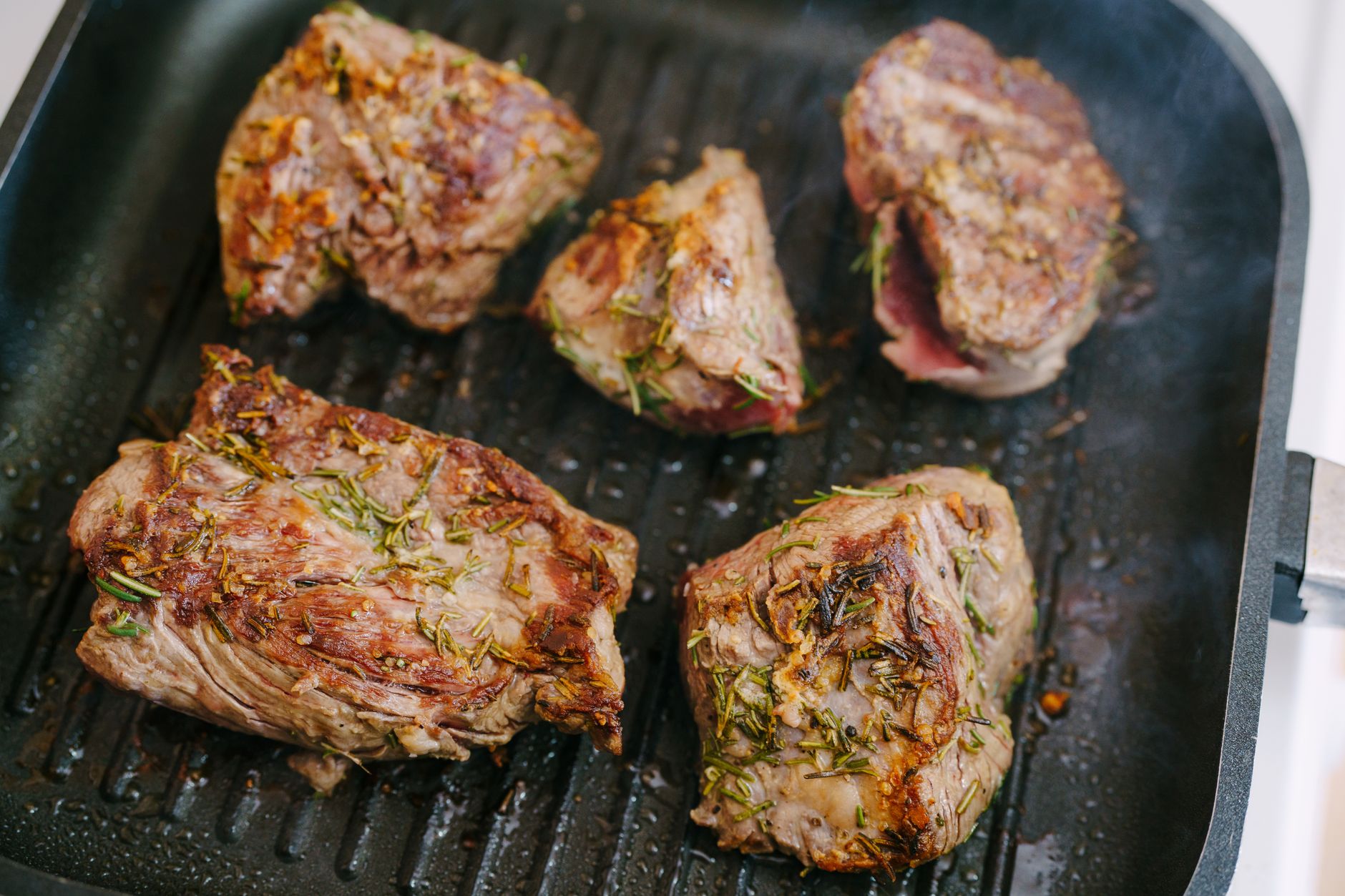
The ribeye is the top choice for grilling because its high marbling keeps it juicy even at high heat. The sirloin is leaner and can dry out if overcooked. For a balance of flavor and tenderness, the New York strip is also excellent. Cook on a preheated grill at 450F for 45 minutes per side for medium-rare.
Pro Tips for Buying Texas Roadhouse Beef
The most overlooked mistake people make when buying beef from a steakhouse is not checking the cut thickness. Texas Roadhouse steaks are cut about 1 to 1.5 inches thick. If you buy a thinner cut at the grocery store, you‘ll overcook it trying to get a good sear without drying the interior. Always ask the butcher to cut steaks at least 1 inch thick. Another mistake: assuming cheaper "steakhouse" beef from value chains matches the quality. Texas Roadhouse invests in hand-cutting and aging, which cheap imitations skip. If you want that velvety texture, pay for USDA Choice or Prime and wet-age it at home for a few days in the fridge.
More You Might Like
If you enjoyed learning about beef volume and sourcing, check out our guide on best hot dogs we break down what to look for in processed meats, including Halal options. You might also find value in our deep dive on Arby‘s roast beef buying guide, which compares bulk options and label reading for roast beef enthusiasts.
Conclusion
Texas Roadhouse beef is a marvel of modern supply chain management over 100 million pounds processed each year, hand-cut, and served fresh. Whether you‘re dining out or buying raw steaks to grill at home, knowing the scale and sourcing behind that beef helps you make smarter choices. Check the label next time you shop, ask your server about sourcing, and enjoy each bite with the confidence that you understand what‘s really on your plate. Have you tried replicating their flavor at home? Share your experience in the comments.
FAQs
Is Texas Roadhouse beef actually Halal — what should I check on the label?
Texas Roadhouse does not advertise Halal certification for its beef. The beef comes from conventional domestic suppliers that do not follow Halal slaughter methods. If you follow Halal guidelines, ask the restaurant manager about suppliers and handling practices. For certainty, look for a Halal certification logo from a recognized body like IFANCA or HMC. At home, purchase beef from a certified Halal butcher instead.
How long can I store fresh Texas Roadhouse beef in the fridge or freezer?
Fresh steaks kept in original packaging last 3 to 5 days in the coldest part of the refrigerator (34–38°F). For longer storage, wrap tightly in plastic wrap and foil or vacuum-seal; frozen steaks maintain peak quality for 6 to 12 months. Thaw in the refrigerator for 24 hours, never on the counter, to preserve safety and texture.
What is the difference between Texas Roadhouse beef and other steakhouse beef?
Texas Roadhouse uses USDA Choice or Prime beef that is hand-cut in-house, wet-aged a minimum of 14 days, and never frozen before cooking. In contrast, Outback Steakhouse uses pre-cut, distribution‑cut beef aged only 7–10 days. LongHorn Steakhouse also hand‑cuts but sources only domestic beef. Texas Roadhouse’s in‑house butchering and consistent aging yield superior marbling and tenderness.
How much Texas Roadhouse beef is safe to eat per day?
Health experts recommend limiting red meat to about 6 ounces per meal, roughly the size of your palm. A 6-ounce Texas Roadhouse ribeye provides around 44g protein, 520 calories, and 15g saturated fat. Overconsumption can raise cholesterol and sodium intake. Pair with vegetables and whole grains, and limit steakhouse visits to once or twice per week if you have dietary concerns.
Where can I buy Texas Roadhouse raw steaks to cook at home?
Many Texas Roadhouse locations sell raw, hand-cut steaks directly to customers. They are priced per pound and packaged for takeaway. You can order ahead by calling the restaurant. The steaks are the same quality as those served in-house – fresh, never frozen, and hand-cut to 1–1.5 inches thick. Check with your local restaurant for availability.