If youve ever browsed the spice aisle and hesitated between cumin and caraway, youre not alone. These seeds look quite alike, but when it comes to flavor, aroma, and cooking uses, cumin vs caraway couldnt be more different. Knowing how they vary helps you pick the right one for your recipesand even boosts your health when used wisely. Lets break down what makes each unique, so your dishes taste just right every time.
What Is Cumin?
What Does Cumin Taste Like?
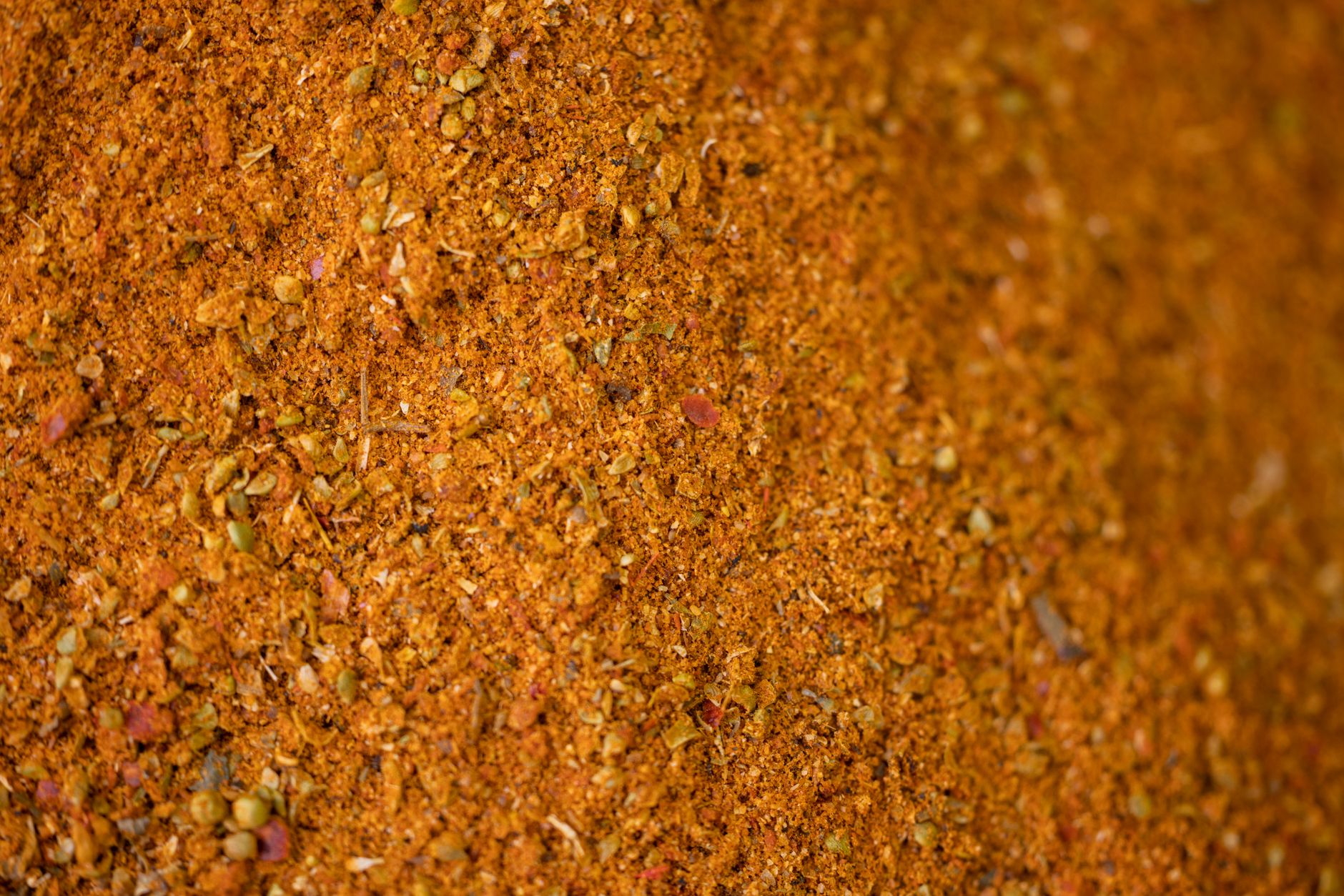
Cumin has a warm, earthy flavor with a hint of bitterness and slight citrus undertones. Its flavor profile is rich and aromatic, adding depth without overwhelming other ingredients. This spicy, smoky essence makes cumin a staple across Indian, Middle Eastern, and Mexican cuisines. If you want that signature chili or curry warmth, cumin is usually your go-to.
How Is Cumin Used in Cooking?
Cumin is incredibly versatile. Whole cumin seeds can be toasted to release oils, enhancing their aroma, or ground into a powder for even distribution in dishes. Youll find cumin in spice blends like garam masala or taco seasoning, and its a foundation in chili powders. Use it in stews, grilled meats, vegetable sauts, and even rice dishes for a subtle smoky warmth.
For best results, toast cumin seeds in a dry pan over medium heat for about 1-2 minutes or until fragrant before grinding. This boosts flavor significantly compared to using pre-ground cumin straight.
What Are the Health Benefits of Cumin?
Cumin offers notable health perks. Its rich in antioxidants and has been traditionally used for improving digestion and appetite. According to scientific studies compiled by the USDA FoodData Central, cumin also has potential antimicrobial and anti-inflammatory properties. Plus, it provides iron and may help regulate blood sugar. While not a cure-all, cumins moderate, regular use supports general wellbeing.
What Is Caraway?
What Does Caraway Taste Like?
Caraway seeds boast a distinct nutty, sweet, and slightly peppery flavor with hints of anise or licoricethough much milder than fennel or star anise. This unique taste sets caraway apart from cumin, offering lighter, warmer notes that pair well with breads and fermented dishes.
Some people compare caraways aroma lightly to fennel, but the flavor is earthier and less sweet. This subtle difference can transform a recipe, so knowing when to use caraway or fennel is handy in crafting balanced dishes.
How Is Caraway Traditionally Used?
Caraway is best known for its role in Rye bread and German-style sauerkraut, where it imparts a signature aroma and flavor. It also appears in some cheeses and traditional liquors like aquavit. Chef tips include adding whole caraway seeds to doughs or sprinkling ground caraway into vegetable stews.
Try using caraway seeds whole in bread-making to impart texture and bursts of flavor, or grind them lightly to mix into creamy sauces and savory spreads for a nutty twist.

What Are the Health Benefits of Caraway?
Caraway seeds have a long history as a digestive aid. They can help reduce bloating and gas, thanks to their carminative properties. Additionally, studies suggest caraway has anti-inflammatory and antioxidant effects. According to herbal nutrition sources, caraway may also help with appetite regulation and reducing mild stomach cramps.
While research on caraway isnt as extensive as cumin, its generally safe and valuable as part of a balanced diet.
Side-By-Side Comparison
Appearance and Botanical Differences
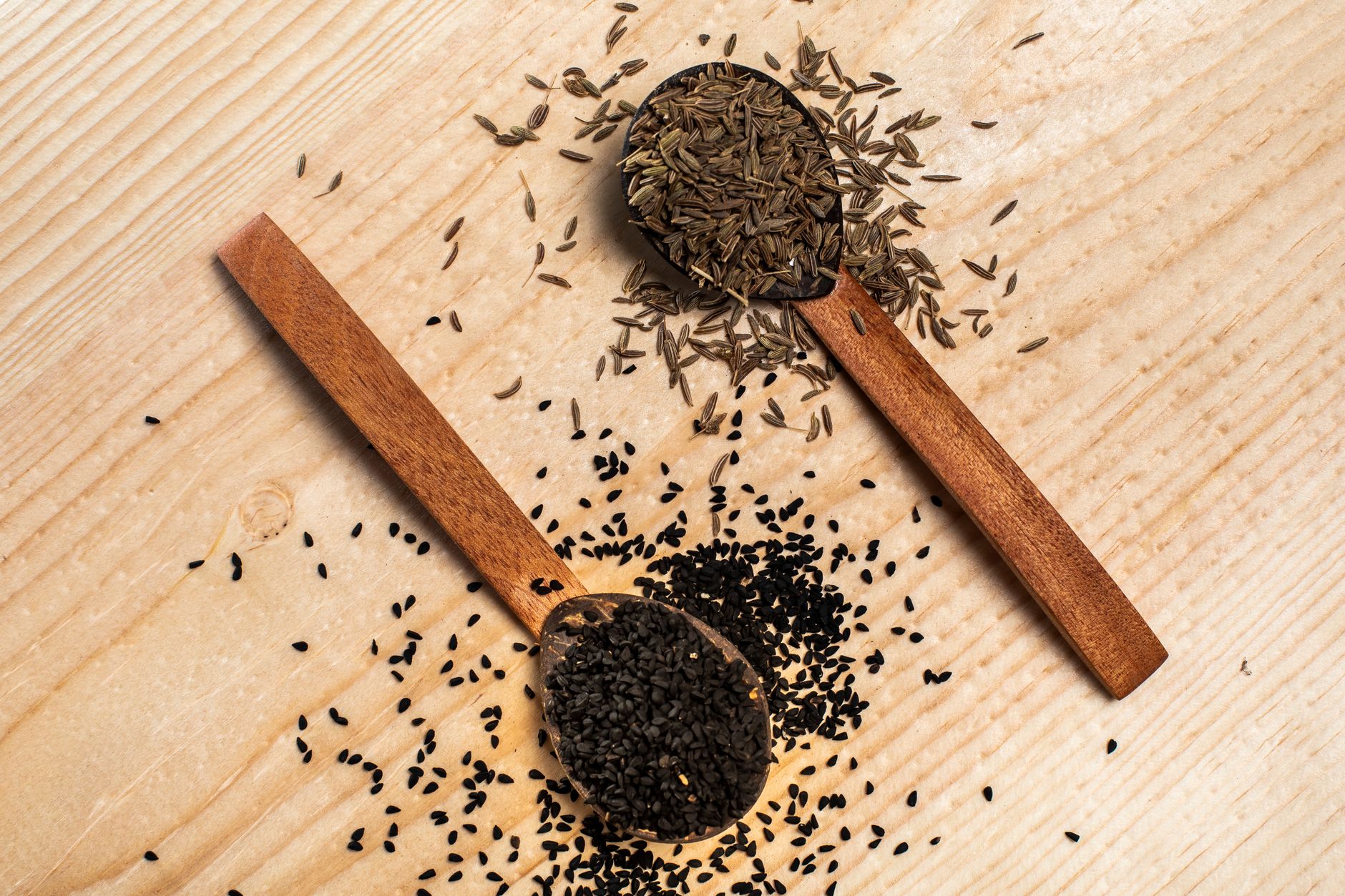
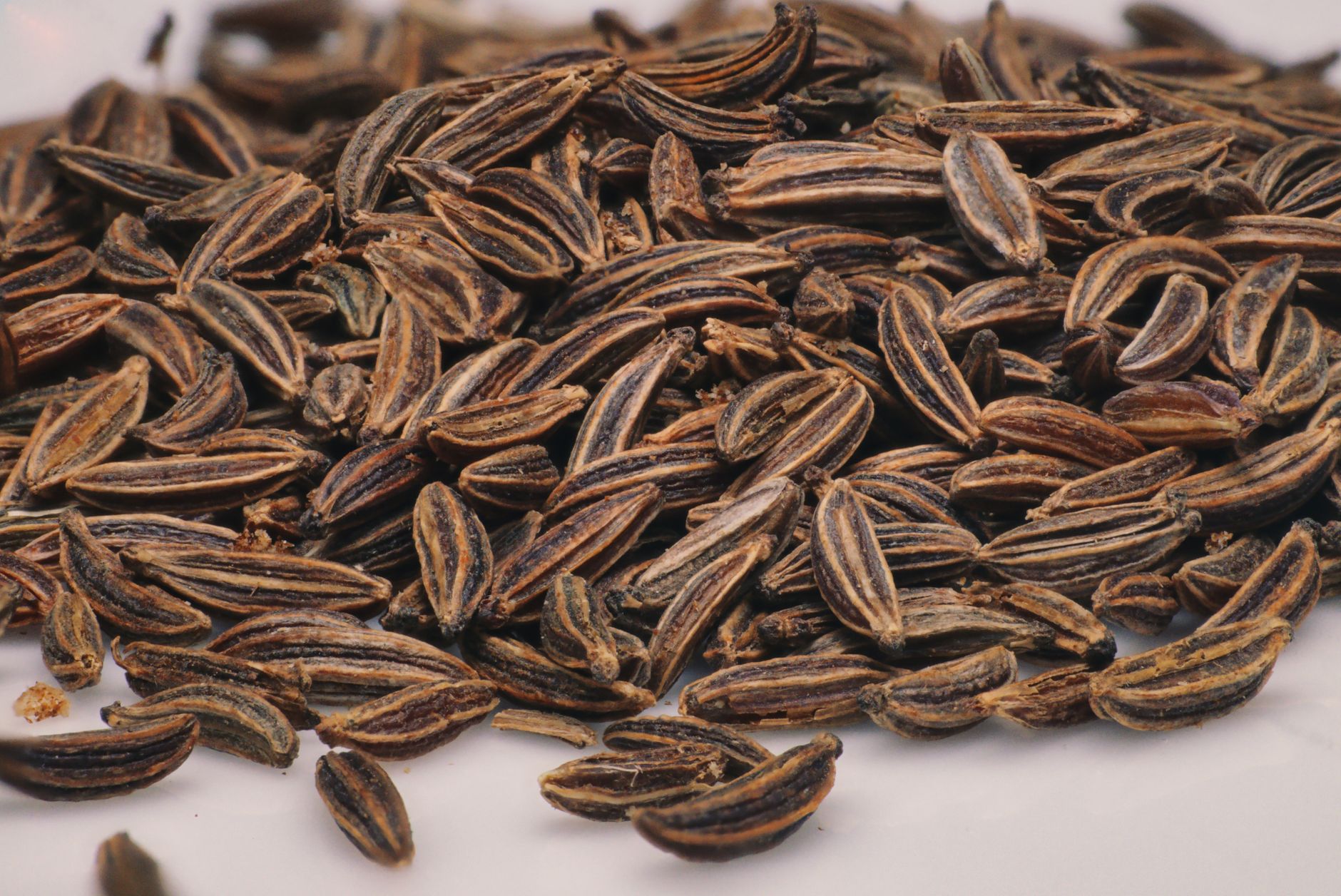
Cumin seeds are elongated, slightly curved, and have pale brown ridges. Caraway seeds are smaller, darker brown, and curved with pronounced ridges as well. Botanically, cumin (Cuminum cyminum) belongs to the parsley family, while caraway (Carum carvi) is closely related but considered a different unit entirely. Knowing the look of each helps avoid mix-ups in the store or pantry.
| Feature | Cumin | Caraway |
|---|---|---|
| Seed Color | Light brown/tan | Dark brown |
| Size & Shape | Long, slightly curved | Smaller, curved and ridged |
| Plant Family | Apiaceae (Parsley) | Apiaceae (Carrot family) |
Flavor Profiles Compared
Cumin delivers an earthy, smoky warmth that stands out in spicy dishes. Caraway, by contrast, offers a gentle nutty and licorice-like sweetness with peppery undertones.
Both have aromatic properties but fit different recipes. Cumin complements bold, spicy flavors, while caraway pairs best with milder, fermented, or baked recipes.
Culinary Uses and Pairings
- Cumin: Indian curries, chili, grilled meats, Mexican tacos, Middle Eastern stews
- Caraway: Rye breads, sauerkraut, cheeses, vegetable stews, aquavit spirit
Cooking Tips for Substituting Cumin and Caraway
Substituting one for the other isnt usually recommended due to their flavor differences. If you must, use about half the amount of caraway in place of cumin to avoid an anise-like overtone. Conversely, replacing caraway with cumin will add earthiness but lose that subtle sweetness.
Overusing either can overpower your dish. Start with a small pinch and adjust after tasting.
Nutritional and Health Comparison
Both seeds contain antioxidants and beneficial oils. Cumin is higher in iron and has well-documented digestive and blood sugar benefits. Caraway is more effective for soothing digestion and features anti-inflammatory elements. Neither contains allergens commonly found in blends, but check packaging for cross-contamination if you have sensitivities.
Common Questions About Cumin and Caraway
Can You Use Caraway Instead of Cumin?
You can, but flavor changes are significant. Caraways licorice notes make it less suited for spicy or smoky dishes where cumin shines. Use sparingly if substituting.
Is Caraway the Same as Fennel?
No, although both have anise-like flavors, fennel is sweeter and more aromatic. Caraway tastes nuttier and earthier. The two spices work differently in recipes and arent interchangeable except in a pinch.
Are Cumin and Caraway Seeds Healthy?
Both offer health benefits such as aiding digestion and reducing inflammation. Used as part of a balanced diet, they add valuable antioxidants and trace minerals according to nutrition research.
How to Store Cumin and Caraway for Maximum Freshness?
Store whole seeds in airtight, dark containers away from heat and light. Whole seeds last 12 years, while ground forms keep best for 6 months. Avoid moisture to prevent mold.
Is Cumin Actually Halal What Should I Check?
Cumin is a plant-based spice and naturally Halal. When buying packaged cumin, look for certifications like JAKIM, HMC, or IFANCA on the label to ensure no contamination or additives conflict with halal standards.
What Are the Best Dishes to Use Cumin In for Halal Cooking?
Cumin works beautifully in halal-friendly dishes like chicken curry, lamb kebabs, and vegetable tagines. Its warm flavor enhances many meat and vegetable recipes commonly prepared for halal diets.
Do Caraway Seeds Have Allergens or Dietary Restrictions?
Caraway is generally free of common allergens but always check labels for additives. It is suitable for vegetarian, vegan, halal, and gluten-free diets as long as no cross-contamination occurs.
More You Might Like
Discover how ripe pineapple can add a fresh twist to your savory dishes. Also, explore different types of onions to enhance your cooking foundation alongside spices like cumin and caraway.
Conclusion
Understanding cumin vs caraway opens up new possibilities in your kitchen. Each spice brings a unique flavor and health benefit that can elevate your meals. Next time you shop, check the label carefully for Halal certification and try experimenting with both to see which fits your taste best. Share your favorite uses or recipes and enjoy the rich world of spices.
FAQs
Is cumin vs caraway actually Halal — what should I check on the label?
Cumin and caraway are plant-based seeds and naturally Halal. However, when purchasing packaged forms, look for halal certifications like JAKIM, HMC, or IFANCA on the label to ensure no contamination or non-halal additives.
What is the shelf life of cumin and caraway after opening?
Whole cumin and caraway seeds can last up to 12 months when stored in airtight, dark containers away from heat and moisture. Ground spices are best used within 6 months for optimal flavor and freshness.
How does caraway differ from common alternatives like fennel?
Caraway has a nutty, earthy flavor with mild licorice notes, whereas fennel is sweeter and more aromatic. They are not interchangeable in recipes unless used cautiously for different flavor profiles.
Are cumin and caraway safe for daily consumption?
Yes, both seeds are generally safe when used in typical culinary amounts. They have digestive, antioxidant, and anti-inflammatory properties but should be consumed in moderation to avoid overpowering flavors.
Where can I buy quality cumin and caraway seeds?
You can find quality cumin and caraway seeds at specialty grocery stores, spice markets, and online retailers. Look for whole seeds with clear labeling and halal certification if required for your diet.