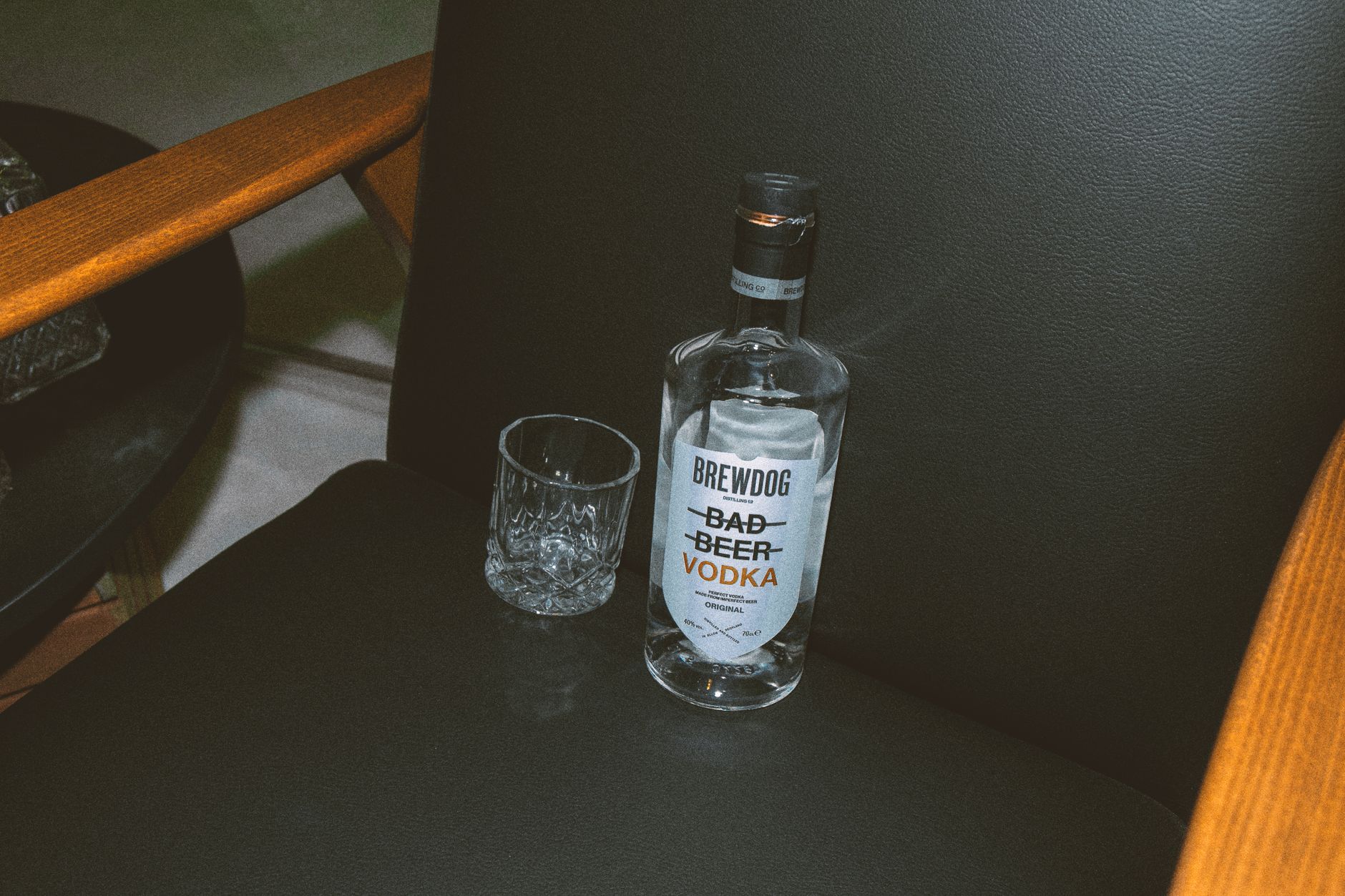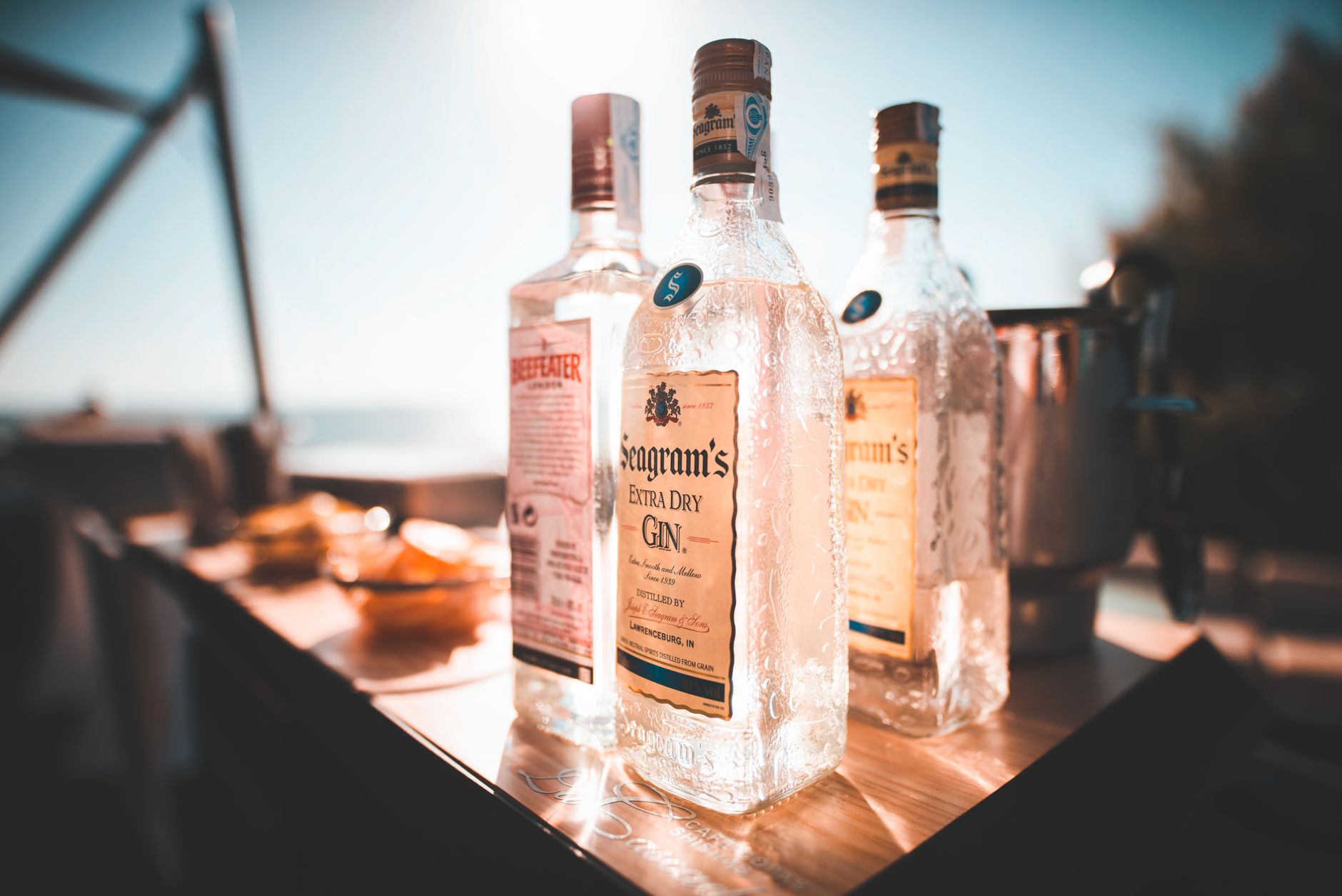
Most vodka you find on the market today doesnt actually come from potatoes. Instead, grains like corn, wheat, and rye make up the majority of vodka ingredients. Understanding what vodka is made from matters because the base ingredient shapes its flavor, texture, and smoothness. Knowing these differences can help you select a bottle that suits your taste or recipe perfectly.
Many still picture vodka as a potato spirit, but there‘s an entire world of vodka crafted from different raw materials each bringing its own unique nuances. Lets explore the common vodka ingredients, how these affect flavor, and what you should look for when choosing halal-friendly and quality vodkas.
Common Vodka Ingredients
Vodka Made From Potatoes: Whats Special About It?
Vodka made from potatoes is known for its velvety, creamy texture and subtle earthy aroma. Traditionally, potatoes were a popular base due to their starch content and availability in regions like Eastern Europe. This starch breaks down into sugars during fermentation, which then converts into alcohol. The result is a smooth, often slightly sweet spirit with a fuller mouthfeel.
Potato vodkas tend to have a gentle richness and a soft finish that many connoisseurs appreciate. Famous brands like Chopin and Luksusowa highlight this profile, offering smoothness ideal for sipping neat or in cocktails that benefit from a mild backbone.
However, potato production requires more raw material per liter of alcohol compared to grains, often making potato vodkas pricier. Still, the creamy texture is a compelling reason many choose them.
Grain-based Vodkas: Corn, Wheat, and Rye
Grains are by far the most common base ingredients in modern vodka. Corn, wheat, and rye each bring distinctive qualities:
- Corn: Corn vodka is widely used, especially in the New World (USA, Canada), for its affordability and mild flavor. It offers a slightly sweet and clean palate, often described as neutral but with a soft touch. Corn-based vodka is prevalent in popular mass-market brands.
- Wheat: Wheat vodka typically delivers a smooth and silky texture. It carries subtle, bready notes that can add a bit of softness to the spirits character. European vodka makers often favor wheat for its balanced profile.
- Rye: Rye lends a spicier, fuller flavor with peppery and herbal hints. This grain creates more complexity and a dry finish, making rye vodka a great option in cocktails where a pronounced character is desired.
Distillers select base grains depending on the flavor profile they want to achieve and economic factors like crop yield. For example, corn offers high starch content and lower prices, prompting many brands to choose it as their starting point.
Other Less Common Ingredients in Vodka
Beyond potatoes and grains, vodka is sometimes distilled from less typical ingredients like grapes, sugar beets, or even dairy. These exotic bases are niche but contribute intriguing flavor profiles:
- Grape Vodka: Using wine grapes as a base creates a subtly fruity, light vodka with delicate aroma.
- Sugar Beet Vodka: Sugar beet-based vodkas can have a clean, neutral taste but with a slightly vegetal note, favored in some European regions.
- Dairy-based Vodka: In rare cases, milk or whey spirits are made, offering unique creamy textures and rich mouthfeel.
These vodkas are often artisanal and produced in limited quantities. Their unusual ingredients make them stand out for enthusiasts looking for novel flavors or local heritage spirits.
Vodka Flavor Influences
What Actually Gives Vodka Its Flavor?
Although vodka is well known as a neutral spirit, the base ingredients subtly influence its flavor and mouthfeel. The interplay of raw materials, fermentation, distillation, and filtration creates the final taste.
Raw ingredients contain different starches and sugars, which convert to specific congeners flavor compounds formed during fermentation. Distillation then concentrates alcohol while removing impurities, but traces of flavor remain. Filtration, often through charcoal or quartz, further smooths and clarifies the vodka.
For example, potato vodkas retain a creamy, slightly earthy nuance, while rye vodkas carry spicy, grainy notes. Corn vodka tends toward a mild sweetness with light texture. Scientific flavor analyses confirm these subtle variations, proving raw materials do matter even when vodka seeks purity.
Comparing Potato and Corn Vodka Flavor and Texture
Take potato vodka versus corn vodka their sensory profiles suit different occasions and preferences:
| Aspect | Potato Vodka | Corn Vodka |
|---|---|---|
| Texture | Velvety, creamy, rich | Light, smooth, slightly sweet |
| Flavor | Mildly earthy, soft aroma | Crisp, subtle sweetness |
| Best Use | Neat sipping, premium cocktails | Mixed drinks, affordable options |
| Price Range | Higher due to raw materials | Generally more affordable |
Understanding these helps you pick vodka for your desired drinking experience, whether its a smooth, luxurious sip or a clean, mixable spirit for cocktails like the Bloody mary dirty martini.
Production from Ingredients
How Ingredients Affect Vodka Production
The choice of vodka ingredients influences every step of production:
- Fermentation: Starch-rich potatoes require enzymatic treatment to break down starch into fermentable sugars, while grains like corn and wheat naturally contain simpler carbohydrates easier for yeast to consume.
- Distillation: Potatoes often call for multiple distillation runs to reach desired purity, given their dense starch matrix. Grains may produce higher alcohol yields more quickly.
- Filtration: Charcoal or quartz filtration smooths harsh notes. The method depends on raw material impurities as potato vodkas sometimes need more extensive filtering.
This process flowchart shows the key differences based on ingredients:
Raw Ingredient Mash Preparation Fermentation Distillation Filtration Bottling
Each step is tailored to master balance between purity and character, especially for halal-certified vodkas ensuring no prohibited additives. Certification from JAKIM, HMC, or IFANCA confirms these quality standards.

What to Look for When Choosing Vodka Ingredients
Checking vodka labels helps you make informed choices. Look for:
- Ingredient information: Some brands specify Potato Vodka, Corn Vodka, or Wheat Vodka. If unclear, visit the brands website or product description.
- Halal Certification: Depending on your preference, find vodkas bearing halal logos from recognized bodies such as JAKIM (Malaysia), HMC (UK), or IFANCA (USA). These ensure compliance with halal production rules.
- Alcohol Content: Usually 40% ABV (80 proof), but some flavored or specialty vodkas may vary.
- Price and Packaging: Premium vodkas (often potato or rye based) come at a higher price point and in clear, elegant bottles. More neutral, mass-market vodkas (mostly corn based) are budget-friendly and available in multiple sizes.
| Certification | Price Range | Common Formats | Shelf Life | Key Allergens |
|---|---|---|---|---|
| JAKIM, HMC, IFANCA | $20$60+ | 375ml, 750ml, 1L bottles | Indefinite unopened, 12 years opened | Gluten possible if grain-based; none in potato vodka |
Knowing the ingredient base aligns with beverage plans for example, vodka with grain ingredients may contain gluten traces and should be avoided if you are gluten-sensitive.
For drink mixers, you might explore White claw flavors as complementary halal beverage options.
Is Vodka Actually Halal What Should I Check?
Vodka can be halal if produced without any non-permissible ingredients and alcohol content is derived solely from natural fermentation. Always look for halal certification logos from trusted bodies like JAKIM or IFANCA on the label. Avoid flavored vodkas containing prohibited additives or synthetic ingredients.
When Is the Best Time to Drink Vodka?
Vodka is versatile. Its enjoyed neat, chilled as a palate cleanser, or mixed in cocktails. The best time is during social gatherings, celebrations, or simply relaxing evenings. Quality vodka can elevate drinks anytime while respecting moderation and halal guidelines.
Why Do Some Vodkas Taste Smoother Than Others?
Smoother vodka results from both ingredient choice and production techniques. Potato vodkas naturally feel creamier, while multiple charcoal filtrations remove harsh compounds. The distillation number also plays a role; more rounds typically yield milder spirits.
Can Vodka Contain Allergens?
Grain-based vodkas may contain gluten traces, affecting those with intolerances. Potato vodkas are generally gluten-free. Always check labels and certification, especially if you have dietary restrictions.
Does the Water Used in Vodka Affect Its Taste?
Yes, water quality impacts mouthfeel and final clarity. Many premium vodkas emphasize pure spring or filtered water sourced from specific locations to create distinctive clean or soft textures.
Is Organic Vodka Different?
Organic vodka is made from organically farmed ingredients free of synthetic pesticides and fertilizers. This appeals to health-conscious consumers seeking natural quality and environmentally friendly products.
Are Flavored Vodkas Halal?
Flavored vodkas can be halal if all flavorings are certified permissible. However, some use artificial additives or alcohol from non-halal sources, so always verify certification and ingredient lists carefully.
Most Overlooked Vodka Buying Mistake
Many buyers overlook reading the ingredient source, assuming all vodkas taste identical. Choosing grain versus potato vodka can dramatically affect your experience. Leaning toward cheaper versions may sacrifice smoothness and flavor complexity.
Why Cheap Vodkas Often Disappoint
Budget vodkas typically use lower-quality grains with minimal filtration, resulting in harsher aromas and aftertastes. They may also cut corners during production, reducing purity and mouthfeel.
Expert Buying Tip
Look for vodkas that disclose their main ingredients and hold credible halal certification. If new to vodka, try small bottles of different bases to discern your preferred texture and flavor before investing in premium sizes.
More You Might Like
Interested in classic cocktails featuring vodka? Check out this in-depth Bloody mary dirty martini recipe, perfect for halal-friendly occasions.
If you enjoy exploring beverage flavors beyond spirits, discover our guide to White claw flavors a popular halal-certified hard seltzer brand.

Conclusion
Vodka ingredients affect more than just production they shape flavor, texture, and the overall drinking experience. While many expect potato vodka, most vodkas are grain-based, especially corn, offering different aromas and mouthfeel. Knowing these details helps you pick vodkas that align with your halal dietary needs and taste preferences. Next time you shop, check for ingredient labels and halal certification, and enjoy discovering subtle vodka differences yourself!
FAQs
Is vodka ingredients actually Halal — what should I check on the label?
Vodka is halal if made without non-permissible additives and alcohol derived solely from natural fermentation. Always look for halal certification logos like JAKIM or IFANCA and avoid flavored vodkas with synthetic or prohibited ingredients.
What is the typical shelf life of vodka after opening?
Unopened vodka can last indefinitely. Once opened, it is best consumed within 12 years for optimal flavor, provided it is stored tightly sealed and away from heat or direct sunlight.
How does potato vodka differ from grain-based vodka?
Potato vodka is creamier and has a mild earthy aroma, while grain-based vodkas (corn, wheat, rye) tend to be lighter, sweeter, or spicier depending on the grain used, offering varied textures and flavor profiles.
Is it safe to drink vodka daily, and what should I consider?
Moderate vodka consumption is generally safe for most adults, but daily intake should be limited to avoid health risks. Choose quality vodka and drink responsibly, keeping halal and dietary restrictions in mind.
Where can I find vodka with clear ingredient labeling and halal certification?
Look for vodka brands that specify their base ingredients on the label or website. Halal-certified vodkas are available online and in specialty beverage shops, especially those certified by JAKIM, HMC, or IFANCA.