Energy drinks promise a quick boost, but how much energy you get depends largely on one ingredient: energy drink caffeine. Knowing the caffeine content matters because it affects how alert you feeland whether you might face side effects. Not all energy drinks pack the same punch, and choosing the right one means balancing that buzz with your health. Ready to find out which energy drink has the most caffeine and how to stay safe? Lets break it down.
Caffeine Basics
What Is Caffeine and How Does It Affect Your Body?
Caffeine is a natural stimulant found in coffee, tea, and many energy drinks. It wakes up your brain by blocking adenosine receptors, which delays fatigue and increases alertness. When you drink caffeine, your heart rate can speed up, and your focus sharpens. But caffeine doesn‘t affect everyone the same waysome people feel energized after a small amount, while others tolerate much more.
How Much Caffeine Is Safe in an Energy Drink?
Health authorities like the U.S. Food and Drug Administration recommend a daily caffeine limit of about 400 mg for most healthy adults. For children, pregnant women, or those sensitive to caffeine, much less is advised. Consuming more than this can lead to side effects such as jitteriness, insomnia, and heart palpitations. Remember: the caffeine from multiple sourcescoffee, tea, soft drinks, and even protein drinksadds up quickly, so monitoring your total intake is key.
Energy Drinks by Caffeine
Which Energy Drink Has The Highest Caffeine?
If youre after the most caffeine in a single can, brands like Bang and Reign lead the pack. For example, Bang Energy offers about 300 mg of caffeine per 16-ounce can. Reign matches this number closely. To put that in perspective, a typical 8-ounce cup of coffee has around 95 mg. These high-caffeine drinks deliver a powerful jolt but pose a greater risk if consumed irresponsibly.
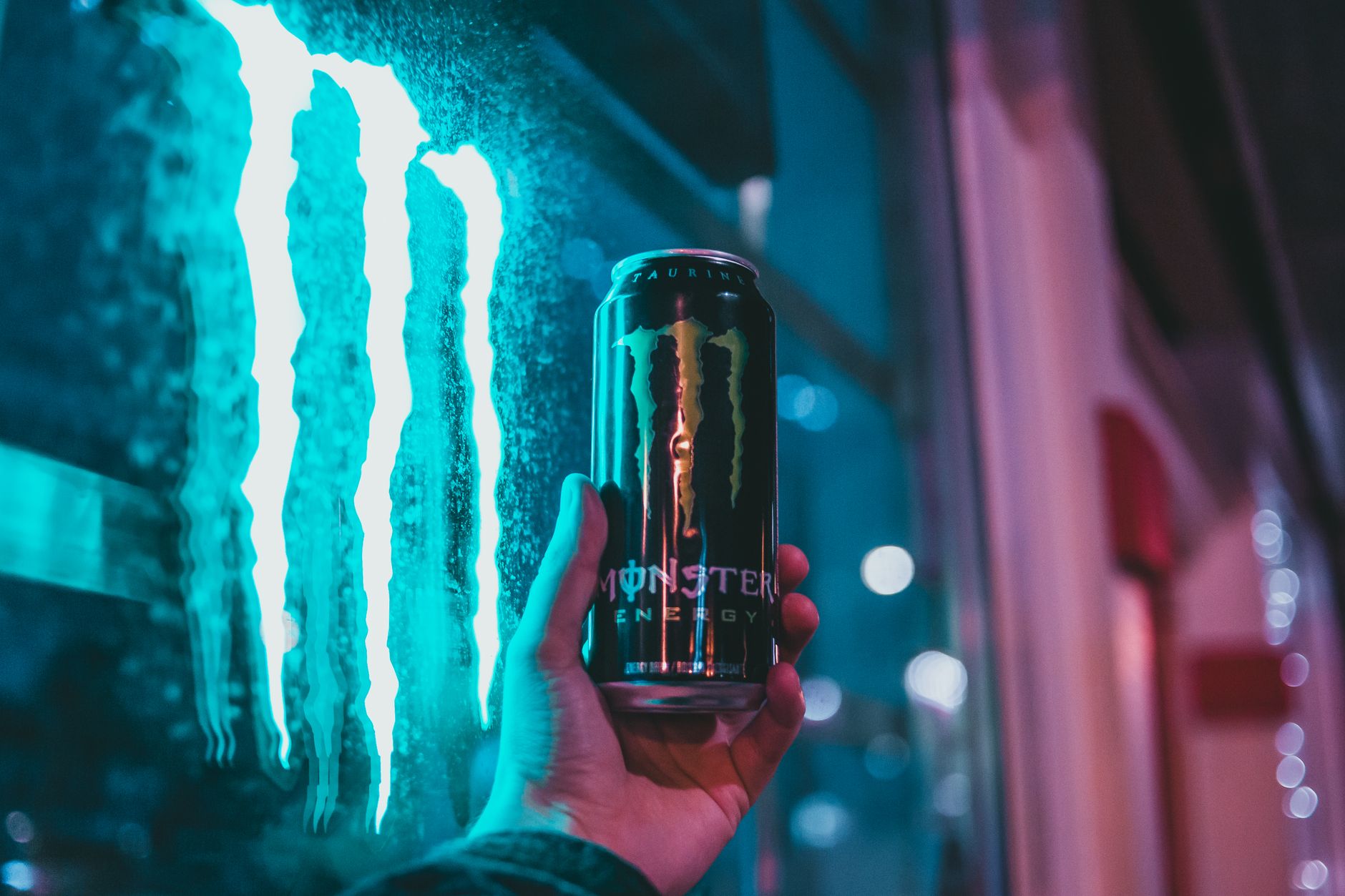
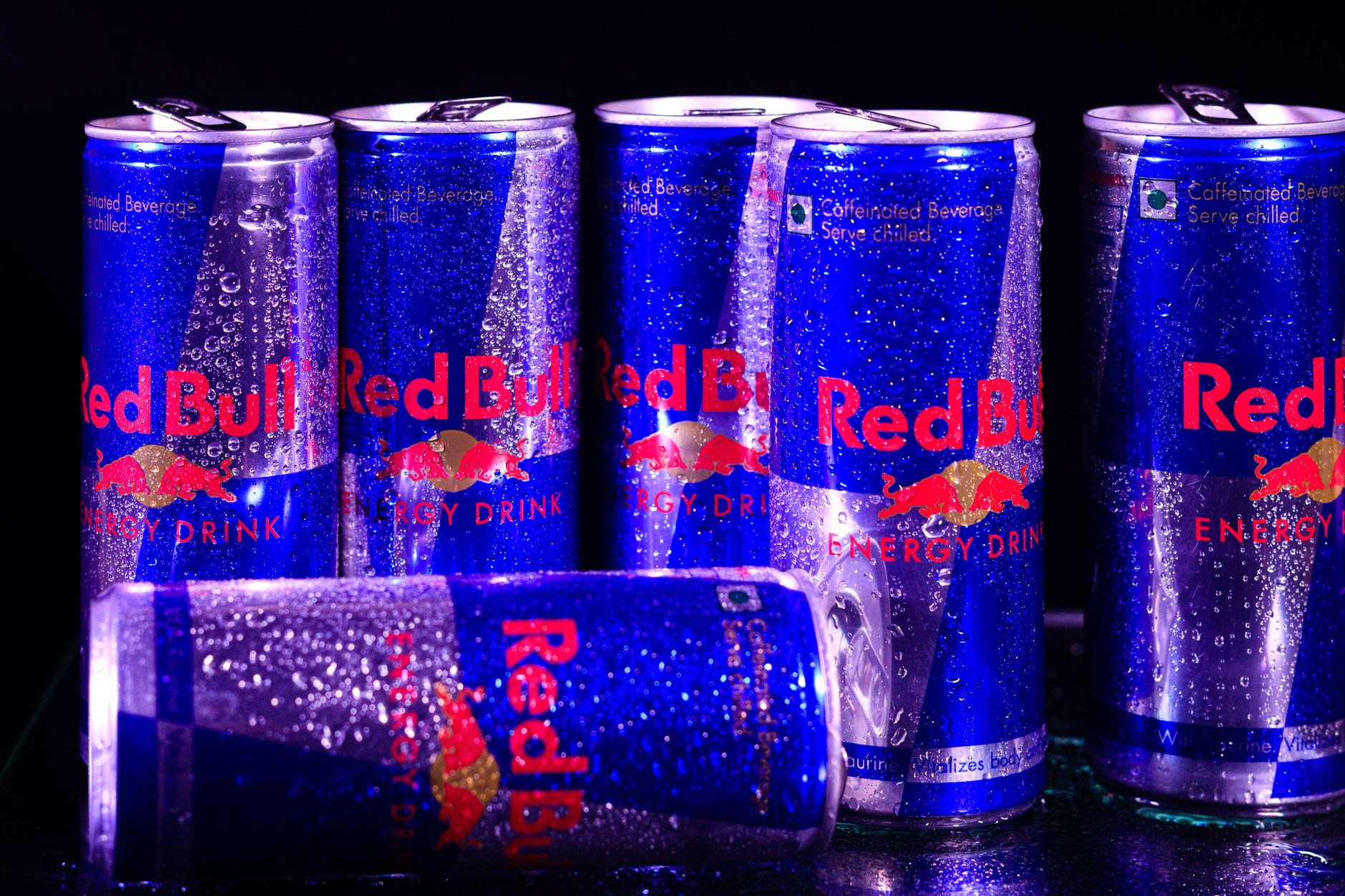
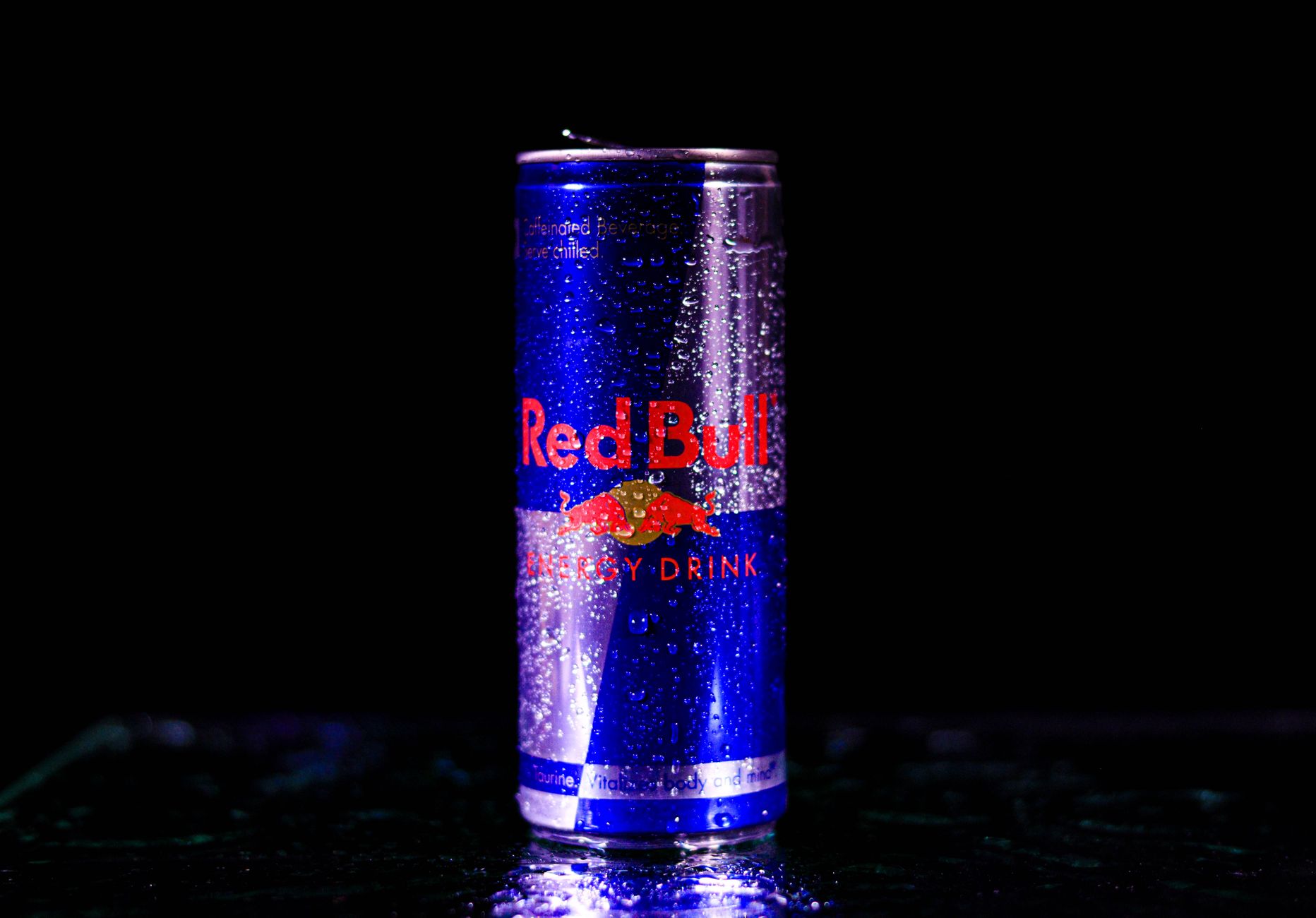
On the other hand, mainstream energy drinks such as Red Bull contain roughly 80 mg of caffeine in an 8.4-ounce can. Monster Energy ranges between 160-240 mg per 16 ounces, giving moderate options for those cautious about caffeine intake.
How Do Popular Brands Compare in Caffeine Content?
| Brand | Serving Size | Caffeine (mg) | Key Ingredients |
|---|---|---|---|
| Bang Energy | 16 fl oz (473 ml) | 300 mg | Caffeine, BCAAs, electrolytes |
| Reign Total Body Fuel | 16 fl oz (473 ml) | 300 mg | Caffeine, CoQ10, electrolytes |
| Monster Energy | 16 fl oz (473 ml) | 160-240 mg | Caffeine, taurine, ginseng |
| Red Bull | 8.4 fl oz (250 ml) | 80 mg | Caffeine, taurine, B-vitamins |
| 5-hour Energy | 2 fl oz (59 ml) | 200 mg | Caffeine, B-vitamins, amino acids |
The Highest Caffeine Energy Drinks That Might Surprise You
Beyond these, some niche drinks push caffeine even higher. For example, "Redline Xtreme" can contain up to 316 mg per 8-ounce bottle. Such ultra-concentrated drinks come with warnings from health agencies about potential risks. Also, many energy shots and powders offer quick caffeine boosts but often lack volume to dilute the stimulant‘s effects.
Benefits and Risks
The Benefits of Energy Drink Caffeine
Theres no denying caffeine can be helpful. A moderate dose sharpens mental alertness, improves concentration, and fights fatigue. That makes energy drinks popular among students, shift workers, and athletes. Caffeine can also enhance physical performance by stimulating the nervous system and mobilizing fat stores. Choosing Halal-certified energy drinks ensures you get this energy boost without compromising dietary values.
The Risks and Side Effects Youre Probably Not Considering
Too much caffeine, especially from energy drinks with high sugar or additives, can trigger unpleasant side effects. These include nervousness, rapid heartbeat, headaches, and disrupted sleep. People mixing energy drinks with alcohol risk increased dehydration and impaired judgment. Long-term excessive caffeine may contribute to heart problems and anxiety disorders. Always consider your own health conditions before consuming energy drinks.
Real-World Stories: When Energy Drink Caffeine Went Wrong
Cases have emerged where energy drink overuse led to serious health events, especially in young people with heart issues or caffeine sensitivity. For example, a young adult consuming multiple cans in a short time experienced severe palpitations and anxiety. These stories highlight the need for moderation and awareness, not fear.
Choosing Wisely
Consider Your Caffeine Tolerance and Health Conditions
Everyones caffeine tolerance is different. If you rarely drink caffeine, start low and see how you feel. Avoid energy drinks if you have heart disease, hypertension, pregnancy, or are under 18. Reading Halal certifications like JAKIM or HMC can also guide safe and ethical choices. Remember: your energy drinks should fit your lifestyle and health.
Alternatives to High-Caffeine Energy Drinks
If 300 mg sounds like overkill, try drinks with less caffeine or natural energy boosters. Green tea-based beverages provide modest caffeine with antioxidants. Natural herbal infusions can hydrate and refresh without stimulants. Also, proper sleep, hydration, and balanced meals do wonders. For some, combining low-caffeine beverages with supplements like Protein drinks can support energy sustainably.
How to Read Energy Drink Labels for Caffeine Content
Labels are your best friend. Look for "Caffeine" in the ingredient listusually measured in milligrams per serving. Serving size matters, as some cans contain two or more servings. Check for added sugars; many energy drinks pack 20+ grams per can, which adds calories without real energy. Halal logos from trusted bodies confirm compliance with dietary laws, so look for those marks.
Is energy drink caffeine actually Halalwhat should I check?
Caffeine itself is Halal as its a natural stimulant. However, energy drinks may contain ingredients derived from non-Halal sources or involve processing that conflicts with Halal standards. Always look for certification logos from recognized bodies like JAKIM, HMC, or IFANCA on the packaging. These certify the drink meets Halal food requirements and ensures the product is safe for your diet.
How much caffeine is too much in a day? Can it vary by person?
The general safe limit is 400 mg per day for adults, but individual tolerance varies. Some people may feel side effects at 100 mg, while others tolerate more than 500 mg. Factors like body weight, age, medications, and caffeine sensitivity all play roles. Pay attention to how your body reacts and adjust accordingly.
Can energy drinks replace coffee or tea in daily routines?
Energy drinks can substitute coffee or tea, but their caffeine content and added ingredients differ. Many energy drinks include sugar, taurine, or vitamins not present in coffee. For those seeking a clean caffeine source, coffee or tea may be preferable. Energy drinks are often better for short bursts rather than daily hydration.
Are sugar-free energy drinks healthier regarding caffeine intake?
Sugar-free energy drinks remove calories but not caffeine. They can reduce the risk of sugar-related problems but still carry the stimulants side effects. Check labels carefully as some sugar alternatives may cause digestive discomfort. They also might contain artificial additives worth noting.
Does caffeine interact with medications or supplements?
Yes. Caffeine can amplify or interfere with some medications, especially stimulants, blood thinners, or anti-anxiety drugs. It may also interact with supplements like certain protein drinks or weight management formulas. Consult healthcare providers if unsure. Keeping track of total caffeine intake helps avoid unwanted interactions.
What are the signs of caffeine overdose from energy drinks?
Overdose signs include rapid heartbeat, dizziness, nausea, chest pain, confusion, and severe anxiety. If you or someone else experiences these after energy drink consumption, seek medical attention immediately. These symptoms indicate your body is overwhelmed by caffeine.
Can energy drinks fit into a balanced, halal lifestyle?
Absolutely. Choosing energy drinks with Halal certification ensures they align with your dietary principles. Moderation is keyconsume them alongside nutrient-rich foods, proper hydration, and rest. Being mindful of caffeine intake supports both health and faith adherence.
Tips for Buying Energy Drinks
Many buyers overlook the importance of label reading. Dont get fooled by flashy packaging; check caffeine and sugar levels first. Cheap versions sometimes use cheaper, artificial ingredients that can cause crashes or jitters. One expert tip: try smaller cans first to gauge your tolerance before committing to larger sizes or higher caffeine levels.
| Certification | Price Range | Common Formats | Shelf Life | Key Allergens |
|---|---|---|---|---|
| JAKIM, HMC, IFANCA | $2$4 per can | 816 fl oz cans, bottles, energy shots | 1218 months unopened | May contain taurine, additives (check label) |
Checking certifications confirms Halal status. Price varies by brand and format. Shelf life typically spans over a year if unopened, but once opened, consume promptly within a day. Some drinks contain taurine or herbal extractsreview for any personal allergen concerns.
For those curious about wine pairings after your midday energy zap, explore the Best pinot grigio guide to complement your meals.
Conclusion
Energy drink caffeine content varies widelyfrom mild to extremely high doses. The highest caffeine energy drinks pack up to 300 mg per can, which can be safe if consumed carefully. Always check the label for caffeine and other ingredients and opt for Halal-certified products to align with your dietary values. Remember, its about finding a balance between energy boost and well-being. Next time you shop, glance at the caffeine amount and choose wisely. Feel free to share your experiences or questions below!
FAQs
Is energy drink caffeine actually Halal — what should I check on the label?
Caffeine itself is Halal as a natural stimulant. However, energy drinks may contain non-Halal ingredients or be processed in ways that conflict with Halal standards. Always look for certification logos from recognized bodies like JAKIM, HMC, or IFANCA on the packaging to ensure the product meets Halal requirements.
What is the typical shelf life of energy drinks after opening?
Once opened, energy drinks should be consumed within one day for best taste and safety. Unopened cans usually have a shelf life of 12 to 18 months, but check the label for exact expiry dates and storage instructions.
How do energy drinks compare to coffee or tea in caffeine content?
Energy drinks can contain equal or higher caffeine amounts than coffee or tea but often include added ingredients like sugar, taurine, and vitamins. Coffee generally offers a cleaner caffeine source, while energy drinks may be better for quick energy boosts but are less suited for daily hydration.
How much energy drink caffeine is safe to consume daily?
Most healthy adults should limit caffeine intake to about 400 mg daily from all sources. Individual tolerance varies, so start with lower amounts and adjust. Avoid energy drinks if you have heart conditions, are pregnant, or under 18 years old.
Where can I safely buy Halal-certified energy drinks?
Halal-certified energy drinks are available at specialty grocery stores, halal markets, and reputable online retailers. Always check for certification logos such as JAKIM, HMC, or IFANCA to ensure the product meets Halal dietary standards before purchase.