Clase Azul bottles stand out with their exquisite, handcrafted ceramic design. So beautiful, it feels almost wrong to toss them after enjoying the tequila inside. If youve been wondering how to repurpose Clase Azul bottles meaningfully, youre in the right place. These unique bottles can be transformed into elegant home accents or practical household items, blending sustainability with style.
Why Repurpose Bottles?
What Makes Clase Azul Bottles Special and Worth Upcycling?
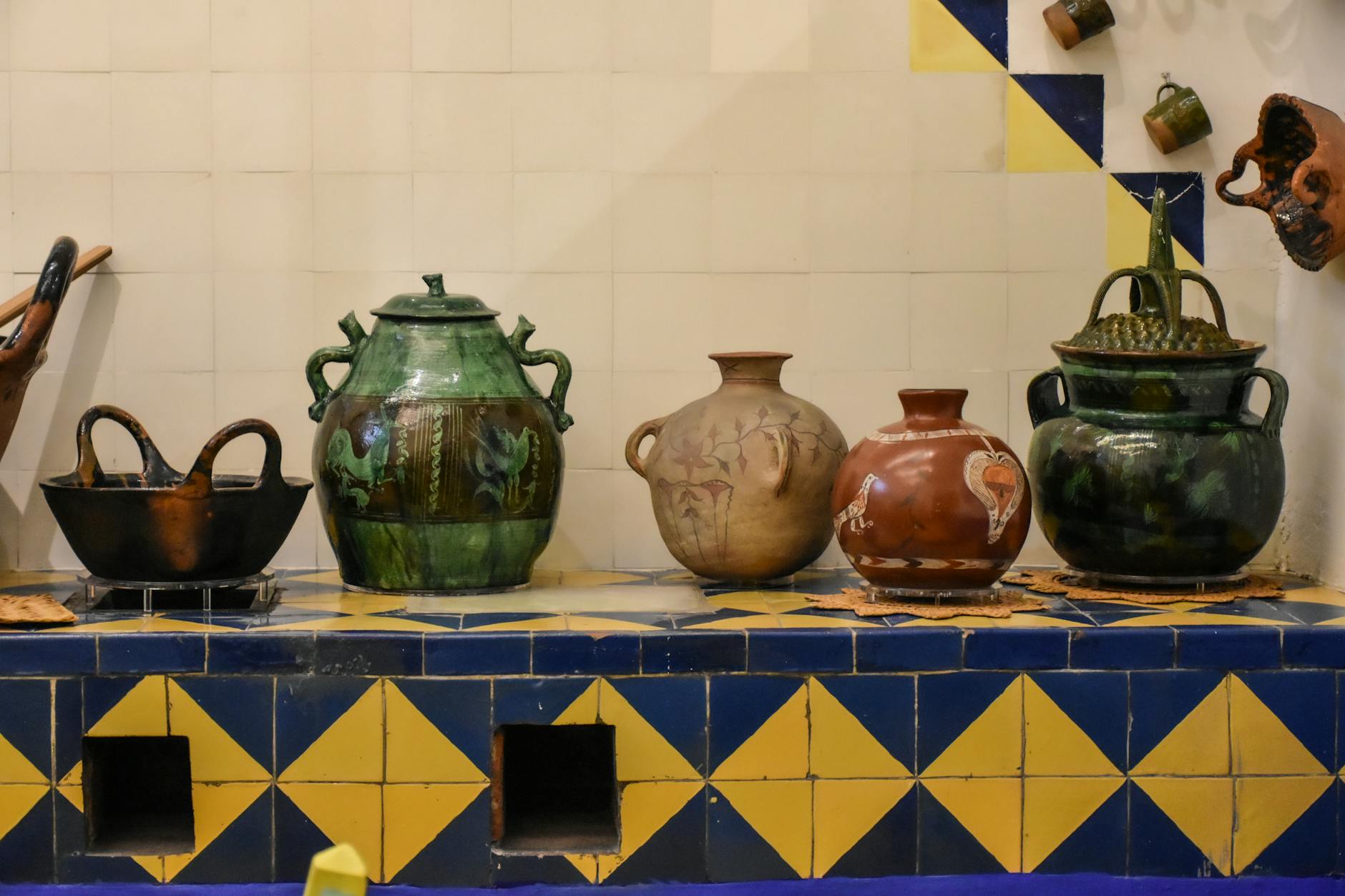
Clase Azul bottles are not your average liquor containers. Every bottle is hand-painted by skilled artisans in Mexico, featuring intricate patterns and vivid colors that make each piece unique. This artistic value makes the bottle a collectiblea keepsake rather than just a disposable container.
Beyond their beauty, repurposing these bottles taps into environmental and emotional benefits. Giving them a second life means less glass waste in landfills and a chance to keep a treasured piece of craftsmanship visible at home.
Benefits and Possible Risks of Repurposing Bottles
Repurposing brings creative satisfaction and reduces waste. You get a stunning statement piece while helping lower your carbon footprint. On the flip side, there are risks if bottles arent cleaned or handled properly. For example, cracks could cause leaks or injuries, and leftover residues might affect the safety if you use them for food or liquids.
Always ensure the bottles condition is sound, and clean it with caution. When reusing for oils, sprays, or food items, make sure its hygienically safe to avoid contamination. This balance of creativity and care keeps your crafts beautiful and safe.
Creative Repurpose Ideas
How to Turn Clase Azul Bottles Into Practical Household Items
One favorite way to repurpose Clase Azul bottles is into a chic olive oil dispenser. Heres how you can do it:
- Materials: Empty Clase Azul bottle, stainless steel pour spout, funnel, mild soap, warm water.
- Step 1: Clean the bottle thoroughly (see the cleaning process below).
- Step 2: Insert the stainless steel pour spout into the neck of the bottle. Make sure it fits snugly.
- Step 3: Use a funnel to pour olive oil or your favorite cooking oil into the bottle.
- Step 4: Seal when not in use and keep your dispenser in a cool, dark place.
This turns a decorative bottle into a functional tool in your kitchen that also sparks conversation.
Other practical ideas:
- Elegant flower vases for fresh or dried bouquets.
- Soap dispensers by adding a pump top.
- Watering cans or sprayers for delicate indoor plants.
Unique Crafts for Home Dcor
Want to get more artistic? Customize the bottles further by painting or adding decals. You can create matching centerpieces for dining tables or even convert the bottle into a distinctive lamp base with inserted fairy lights or a lamp kit.
Terrariums inside the bottles hollow cavity also bring a mini garden indoors, perfect for succulent lovers.
Upcycling for Gifts or Sales
Clase Azul bottles, when repurposed cleverly, can make wonderful gifts. Think personalized dispensers, candle holders, or painted dcor pieces. If you plan to sell, ensure the bottle is cleaned perfectly and all modifications meet safety standardsespecially if the bottle will hold consumables.
Gift wrapping with natural fibers or eco-friendly materials complements the sustainable ethos behind these upcycled treasures.
How to Clean and Prepare Bottles
Safest Cleaning Techniques for Reuse
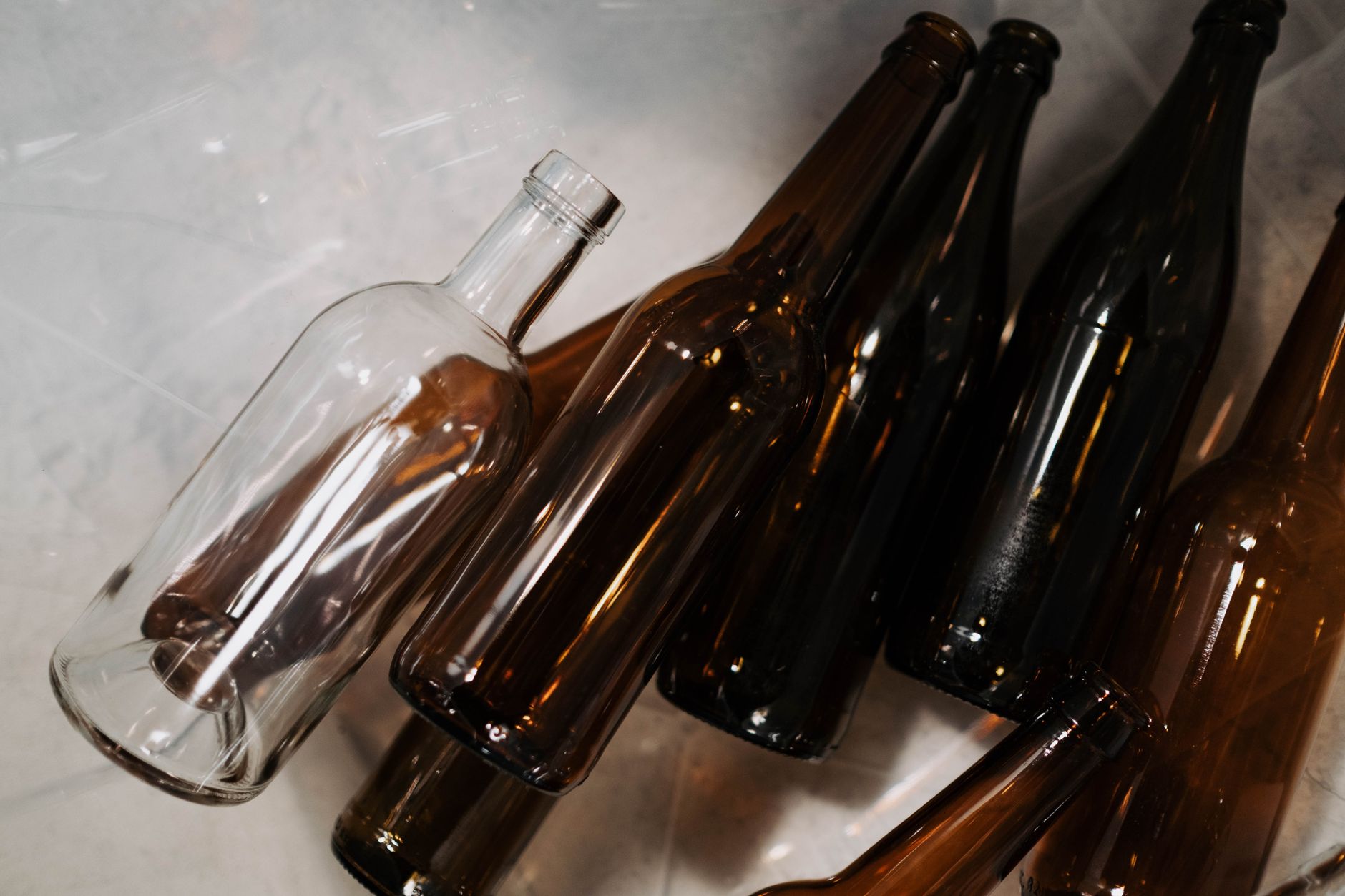
Preparing your Clase Azul bottle for repurposing starts with thorough cleaning. Heres an easy yet effective process:
- Fill the bottle with warm water and add a mild detergent. Let it soak for 20 minutes.
- Use a bottle brush to scrub the interior gently, removing any residue.
- To tackle stubborn odors, mix equal parts white vinegar and water; fill the bottle and let it sit overnight.
- Rinse several times with warm water until all soap or vinegar smells disappear.
- Remove any labels carefully with warm water or a glue remover safe for ceramics.
- Dry completely before applying any modifications or reuse.
Precautions Before Repurposing
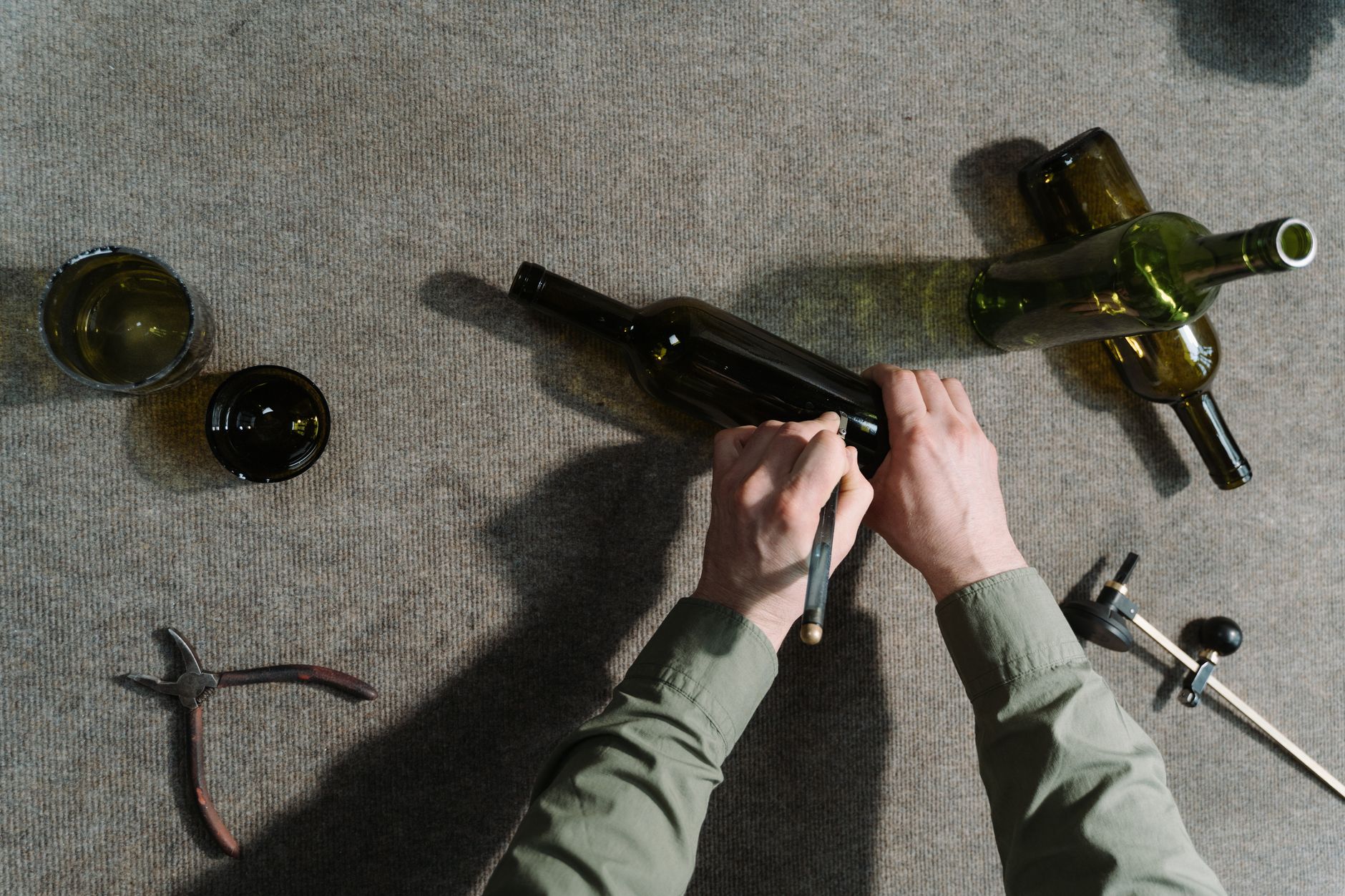
Inspect your bottle closely. Small cracks or chips can worsen over time and create hazards. When handing glass, wear gloves to avoid cuts.
For food-related uses, its wise to consult health guidelines. According to JAKIM Halal certification standards, any containers used for food should be contaminant-free and not previously exposed to harmful substances.
In all cases, repurposed bottles should not have residues from cleaning agents that might contaminate food or liquids.
Sustainability & Environmental Impact
How Upcycling Helps the Planet
Reusing Clase Azul bottles reduces the demand for new glass manufacturing, which consumes large amounts of energy and raw materials. Saving just one bottle from landfill prevents approximately 0.5 kg of glass waste. Plus, it cuts down on greenhouse gases associated with production and transport.
This thoughtful reuse encourages mindful consumptionchoosing quality items that last and can be creatively reborn instead of being discarded.
Circular Economy Role
Upcycling liquid containers like tequila bottles supports circular economy principles. This model prioritizes keeping products and materials in use longer, extracting maximum value before recycling or disposal.
Many communities host upcycling workshops where liquor bottles become artworks or household objects, empowering artisans and reducing waste collectively.
Is Repurposing Clase Azul Bottles Actually Halal What Should I Check?
From a Halal perspective, repurposing the empty bottles is allowed since the container itself does not contain haram substances once emptied and properly cleaned. Ensure all cleaning agents and added materials (like pour spouts or paint) are Halal-certified or free from prohibited ingredients. Look for certification logos from recognized bodies like JAKIM, HMC, or IFANCA on any products you use during the process.
When is the Best Time to Repurpose Clase Azul Bottles?
The ideal moment is right after finishing the original tequila contents, when the bottle is clean and empty. Repurposing sooner prevents residue from hardening inside and makes cleaning easier. Plus, you can enjoy the fresh scent of your chosen oils or flowers once refilled.
What Should I Look For When Choosing Repurposing Materials?
Choose food-safe, non-toxic materials for tops, paints, or sealants. Stainless steel or BPA-free plastic pourers work well. Natural paints or water-based sealers minimize toxins. Avoid lead-based or solvent-heavy products to protect your health and the environment.
Can I Use Repurposed Bottles for Hot Liquids?
Ceramic bottles like Clase Azuls can withstand moderate heat, but sudden temperature changes might cause cracking. Use repurposed bottles for room temperature or cool liquids to avoid damage and potential hazards.
How Long Do Repurposed Bottles Last?
With gentle care, repurposed bottles can last years. Regularly check for cracks or wear, especially if used to store liquids. Clean periodically to avoid buildup of residues or odors.
Can Repurposed Bottles Be Sold or Given as Gifts?
Yes, as long as you properly clean and safely prepare them. Gifts made from repurposed Clase Azul bottles are memorable and unique. For resale, disclose they are upcycled and provide care instructions to buyers.
Whats the Most Overlooked Mistake When Repurposing?
Many forget thorough cleaning, which can leave residue odors or bacteria behind. Taking this step seriously ensures your bottle is safe and looks pristine. Also, skipping inspection for damage puts both your craft and safety at risk.
More You Might Like
Discover some creative Vodka drinks recipes that pair well with your next gathering featuring upcycled drinkware. Looking for cocktails inspired by global flavors? Check our fun guide to Drink around epcot experiences to bring international vibes home.
Conclusion
Repurpose Clase Azul bottles to blend artistry, function, and sustainability in your home. From olive oil dispensers to decorative lamps, these bottles extend their life beyond tequila. With proper cleaning and care, your upcycled creation will shine safely and beautifully. Why not try your hand at one of these stylish projects and share your results? Its a creative way to honor craftsmanship and support eco-friendly practices simultaneously.
FAQs
Is Repurpose Clase Azul bottles actually Halal — what should I check on the label?
Repurposing Clase Azul bottles is generally Halal once emptied and thoroughly cleaned. Check that all cleaning agents and added materials, like pour spouts or paints, are Halal-certified or free from prohibited substances. Look for certification marks from recognized bodies such as JAKIM, HMC, or IFANCA on any products used during the process.
How long do repurposed Clase Azul bottles last?
With proper care and regular inspection for cracks or damage, repurposed Clase Azul bottles can last for several years. Periodic cleaning helps prevent residue or odor buildup and maintains their aesthetic and functional value.
What is the difference between repurposed Clase Azul bottles and standard bottle reuse?
Clase Azul bottles are unique due to their handcrafted ceramic design, making them decorative and collectible. Unlike typical glass bottles, they offer greater artistic value and durability but require careful handling to avoid cracks and maintain their beauty.
Is it safe to use repurposed Clase Azul bottles daily for food or liquids?
Yes, provided the bottle is thoroughly cleaned and free from cracks. Use food-safe materials for any modifications like pour spouts. Avoid sudden temperature changes to prevent damage, and always inspect the bottle before daily use to ensure safety.
Where can I find materials to repurpose Clase Azul bottles?
Materials like stainless steel pour spouts, non-toxic paints, and eco-friendly sealing products can be found at craft stores, online marketplaces, or specialty home goods shops. Be sure to choose food-safe or Halal-certified products when repurposing bottles for consumable liquids.