If youve ever tasted a dish that felt bright, lively, and with just the right kickwithout being outright spicyyouve likely encountered a piquant flavor. But what exactly is the piquant flavor meaning? Simply put, piquant refers to a taste that is sharp, stimulating, and pleasantly tangy. It adds a lively edge that excites your palate and balances richer, heavier flavors.
Understanding piquant flavors can help you appreciate different foods, especially Halal-certified meals, even more. Whether its a zesty vinaigrette or a tangy mustard, recognizing this flavor note brings a new level of enjoyment. Lets explore what piquant means in food, its benefits, common examples, and how you can identify and use piquant flavors to elevate your cooking.
What Piquant Means
Piquant Taste Definition Breaking It Down
The term piquant comes from the French word piquer, which means to prick or sting. In culinary terms, a piquant flavor is one that is pleasantly sharp, tangy, or mildly spicybut never overwhelming hot like chili heat.
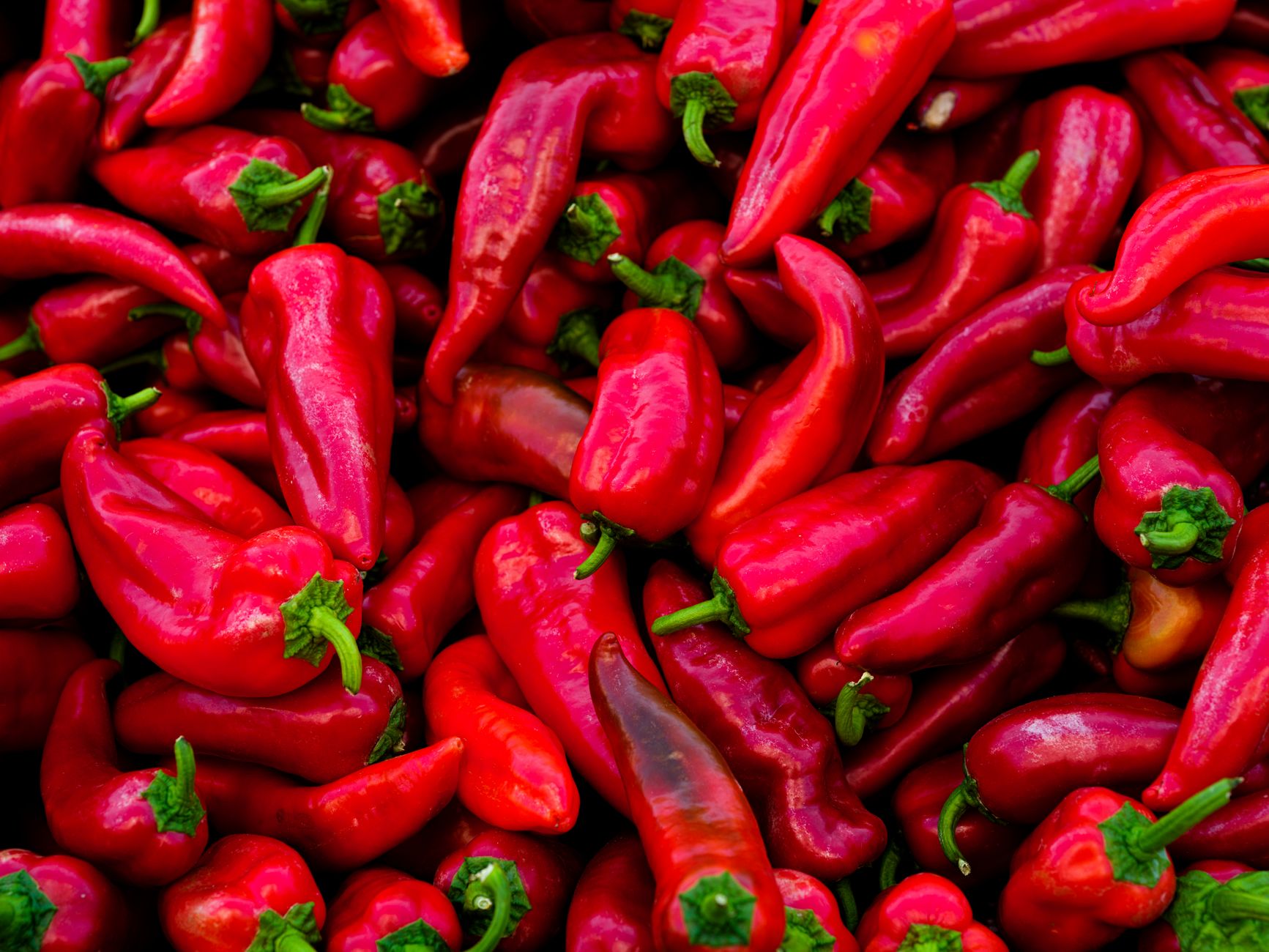
Piquant stands out from other common tastes. It is not the burning sensation you get from chili peppers (spicy), nor is it the sour zing of citrus (acidic), or the bitterness found in some greens. Instead, piquant stimulates your senses with a bright, clean sharpness. Its often described as tangy, zesty, or peppery, creating complexity without overpowering.
This flavor influences your taste buds by activating slight tingling or warming sensations, enticing your appetite. According to food science experts, piquant substances stimulate saliva production, making food feel juicier and more flavorful overall.
What Is Piquant in Food?
Piquant flavors can be found in many foods, sauces, and condiments, especially those with acidic components, mild spices, or fermented notes. For example, dishes with mustard seeds, capers, pickled vegetables, or vinaigrettes often embody piquant qualities.
It differs from outright hot spices because it provides a balanced edge rather than intense heat. A pinch of fresh black pepper or a touch of horseradish is piquant, enhancing your dish with subtle excitement without scorching your palate.
Cultural cuisines interpret piquant flavor in various ways; French cooking often uses piquant notes to balance creamy textures, while Southeast Asian dishes layer piquant with sweet and sour for bright contrast. This versatile flavor helps build layers and depth in halal-friendly meals.
Piquant Food Examples
Common Piquant Food Examples
- Mustards: Especially Dijon or whole grain mustards offer that characteristic sharp tang.
- Pickled Vegetables: Cucumbers, onions, or peppers preserved in vinegar bring piquant brightness.
- Capers: Their briny, sharp character adds zing to salads and fish dishes.
- Cheeses: Some aged cheeses have a piquant bite, like sharp cheddar or aged gouda.
- Vinaigrettes and Dressings: Made with vinegar or lemon juice, they brighten salads with a piquant note.
- Horseradish: A natural root that delivers a clean, sharp warmthclassic piquant flavor.
I remember first noticing piquant flavors in a homemade vinaigrette that woke up the whole salad with its lively tang. It was subtle yet unforgettable, a perfect example of how this flavor can uplift dishes without overwhelming them.

Piquant Seasoning Uses and How to Enhance Food with It
You can introduce piquant notes through both fresh and dried ingredients. Black pepper is often the simplest choicegrind it fresh to maximize flavor impact. Horseradish root grated into sauces or spreads adds clean heat without chili spice.
Sumac powder, favored in Middle Eastern cuisines, delivers lemony tang to grilled meats and rice dishes. Other piquant contributors include chives, mustard seeds, and tamarind paste.
Using a little piquant seasoning brightens fatty or rich dishes beautifully. Try a black pepper crust on halal lamb or a mustard-infused dipping sauce for fried chicken. These additions balance textures and keep your palate interested.
Once, I experimented with sumac in a roasted vegetable dish for a friend who prefers Halal foodit added just the right fresh zing. Little touches like this can totally transform everyday meals.
Benefits and Risks
Why Give Piquant a Chance?
Piquant flavors do more than enliven your meals. They stimulate appetite, encouraging you to eat more mindfully and with pleasure. Many piquant spices have antioxidant and digestive benefits as well.
For example, black pepper contains piperine, which may improve nutrient absorption. Horseradish has traditional uses as a digestive aid, offering mild antimicrobial effects.
Adding piquant foods can also help balance heavier or richer Halal optionsthink creamy, buttery dishes or fatty grilled meatsby cutting through richness and refreshing your palate.
Potential Drawbacks or Risks
While piquant flavors are generally mild, they might irritate those with sensitive stomachs or acid reflux. Excessive consumption of spicy or highly acidic piquant ingredients could cause discomfort.
Also, be mindful of personal or religious dietary restrictions around certain seasonings and always check for Halal certification like JAKIM or IFANCA seals on packaged spice blends and condiments.
Identify and Appreciate Piquant
Taste Testing Tips for Piquant Flavors
The best way to identify piquant is to start with common ingredients known for it. Take a small sip or taste of Dijon mustard, freshly ground black pepper, or pickled cucumber. Pay attention to the initial bright sharpness that wakes up your tongue without lasting burn.
Try pairing a piquant bite with a rich element like cheese or meat. Notice how it refreshes your palate quickly. This contrast is often the clue to piquant presence.
Comparing Piquant with Similar Flavors
| Flavor | Description | Sensation | Example Foods |
|---|---|---|---|
| Piquant | Pleasantly sharp, tangy, mildly spicy | Bright, tingling, stimulating | Mustard, pickles, horseradish |
| Spicy | Hot and burning sensation | Heat, tingling, sometimes pain | Chili peppers, hot sauces |
| Sour | Acidic, tart taste | Crisp, puckering | Lemon, vinegar, yogurt |
| Tangy | Sharp, zesty, sometimes sweet | Refreshing, lively | Green apples, certain dressings |
With practice, you can refine your palate to spot piquant notes and distinguish them from similar tastes like spicy or sour. Its like unlocking a new way to describe and enjoy your food.

When is the best time to eat food with piquant flavors?
Foods with piquant flavors are great anytime you want an appetite boost, especially before meals or during lunch and dinner. The sharpness stimulates saliva and digestion, preparing your stomach for hearty dishes. They also work well in light meals or snacks, helping keep your palate refreshed and interested.
Is piquant flavor actually Halal what should I check?
Yes, piquant flavors derived from spices like black pepper, mustard, horseradish, or vinegar are Halal by nature. However, always check processed or packaged products for certification by trusted bodies like JAKIM or HMC to ensure there are no added non-Halal ingredients. The label should carry a clear Halal logo to give you peace of mind.
Can piquant flavors cause digestive issues?
For most people, piquant flavors are mild and aid digestion. However, those with acid reflux, ulcers, or sensitive stomachs may experience irritation. Its best to consume in moderation and observe how your body reacts to specific piquant spices or condiments.
What are the most popular piquant spices?
Black pepper, mustard seeds, horseradish, sumac, and tamarind are commonly used to add piquant notes to dishes. These spices vary in intensity, so start with small amounts to find the perfect balance.
Are piquant foods good for weight management?
Certain piquant spices like black pepper have metabolism-boosting properties. While not magic, including these spices in balanced meals might help improve digestion and promote fullness, indirectly supporting weight control efforts.
How do I balance piquant flavors in cooking?
Pair piquant elements with creamy, sweet, or fatty ingredients to avoid overpowering sharpness. For instance, add a drizzle of honey to a mustard sauce or combine tart pickles with rich meats. The key is layering flavors for harmony.
Can piquant flavors be combined with traditional Halal recipes?
Absolutely! Many Halal recipes from Middle Eastern, South Asian, and Mediterranean cuisines incorporate piquant spices naturally. Feel free to experiment by adding a dash of black pepper or sumac to your halal dishes to enhance flavor while keeping them authentic and certified.
Are there any experts tips for using piquant seasonings?
One expert tip is to add piquant seasonings toward the end of cooking or as finishing touches. This preserves their bright, sharp character. For example, sprinkle freshly ground black pepper just before serving to maintain its lively aroma rather than cooking it all the way through.
More You Might Like
Discover some celebrated Bobby Flay restaurants that expertly blend piquant flavors into their halal-friendly menus. Also, if convenience is your goal, be sure to check our tips on frozen meals to avoid for healthier, certified options.

Understanding the piquant flavor meaning opens new doors to appreciating the subtle complexities in your meals. Next time you shop for spices or sauce ingredients, or try a new recipe, try to spot that sharp, lively note that makes food unforgettable. Share your favorite piquant foods or recipes with us, and enjoy exploring flavors that brighten your table.
FAQs
Is piquant flavor meaning actually Halal — what should I check on the label?
Yes, piquant flavors from common spices like black pepper, mustard, and vinegar are naturally Halal. For processed products, always look for trusted certification logos such as JAKIM, HMC, or IFANCA to ensure no non-Halal additives are included.
When is the best time to eat or drink piquant flavor meaning?
Foods with piquant flavors are ideal before meals or during lunch and dinner as they stimulate saliva and digestion. They also refresh the palate during light meals or snacks, making you more receptive to the flavors.
How long do piquant condiments or sauces last after opening?
Piquant condiments like mustard or vinaigrettes usually last several weeks to months refrigerated after opening. Always check the product label for specific storage instructions and discard if off-smell or mold appears.
What is the difference between piquant and spicy flavors?
Piquant flavors are pleasantly sharp, tangy, and mildly spicy without burning heat. Spicy flavors typically produce an intense, hot sensation like chili peppers. Piquant adds complexity without overwhelming heat.
Can I safely consume piquant flavors daily without digestive issues?
Most people can enjoy piquant flavors daily as they aid digestion and stimulate appetite. However, individuals with sensitive stomachs, acid reflux, or ulcers should consume them moderately to avoid irritation.