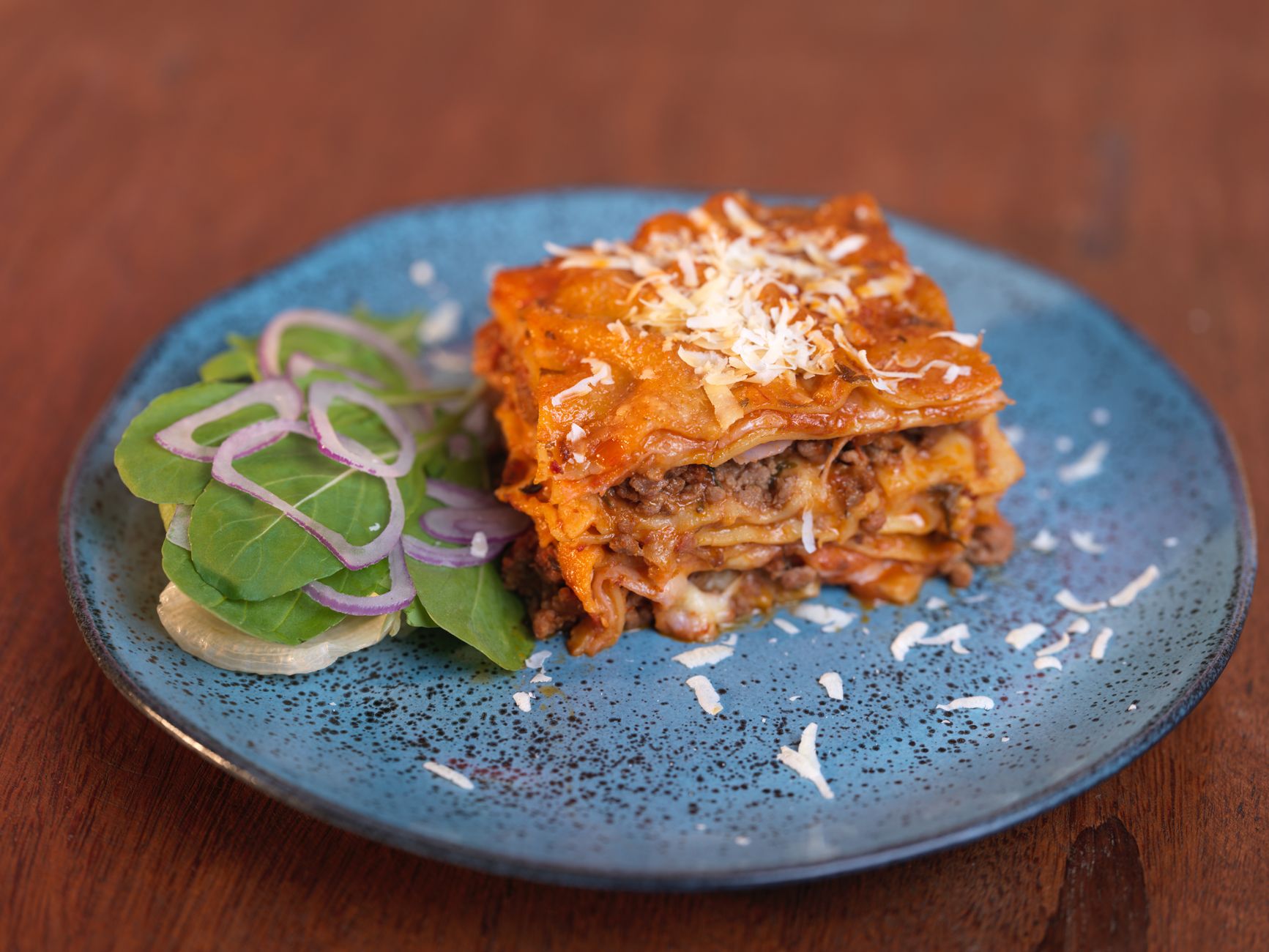
Reheating pasta microwave-style can be tricky. Cold spots sneak in, leaving you with uneven textures and less-than-pleasant bites. If you‘ve ever struggled with reheated pasta turning out icy in places while steaming hot in others, you know how frustrating it can be. But don‘t worry with a few simple steps, you can heat your pasta evenly, locking in its fresh taste and tender texture every time.
Why Cold Spots Occur
What Causes Uneven Heating and Cold Spots?
Microwave reheating unevenly warms pasta because of how microwaves interact with food. Microwaves excite water molecules, generating heat internally. However, pasta varies in density and moisture content, which leads to uneven energy absorption.
Microwave Radiation and Water Molecules
Since microwaves heat by agitating water molecules, pasta‘s water distribution plays a big role. Areas with more moisture heat faster, while drier spots stay cooler. This unevenness directly causes cold patches you want to avoid.
Pasta Shape and Density Influence
Thick pasta or tightly packed noodles heat slower inside. Long strands or dense shapes like rigatoni trap heat differently compared to thin spaghetti. The containers shape also matters since microwaves dont heat food uniformly across all areas.
Common Mistakes Leading to Cold Spots
Overloading the Container
Packing pasta too tightly or using deep, narrow containers restricts microwave penetration. The interior heats less effectively, creating cold centers. Using shallower dishes allows microwaves to warm pasta more evenly.
Not Stirring During Heating
Microwaving without pausing to stir traps cold pasta under hotter layers. Stirring redistributes heat and moisture, minimizing cold spots. Skipping this step often leads to uneven temperatures.
Proven Reheating Method
Step-by-Step Instructions To Heat Pasta Evenly
Follow this stepwise approach to enjoy perfectly reheated pasta.
Adding Moisture: Why and How
Adding moisture prevents pasta from drying out under intense microwave heat. Sprinkle 12 tablespoons of water or sauce over your pasta before reheating. If plain, a light drizzle of olive oil helps retain moisture and flavor.
Use Microwave-Safe Covers Or Damp Paper Towels
Cover pasta loosely with a microwave-safe lid or a dampened paper towel. This traps steam, helping heat distribute and keeps pasta moist.
Recommended Microwave Settings
Reheat on medium or 5070% power instead of full power. High heat cooks unevenly fast, worsening cold spots. Heat in increments of 3045 seconds, checking and stirring in between.
The Stirring Method
How Stirring Midway Helps
Pause heating halfway, stir pasta to mix hot and cooler areas. This allows heat to reach cold pockets, reducing temperature differences.
Examples for Different Pasta Types
- For spaghetti: gently toss and spread noodles during stir to untangle heat evenly.
- For rigatoni or shells: mix thoroughly to expose all surfaces.
- Small portions: stirring every 20 seconds enhances even heating.
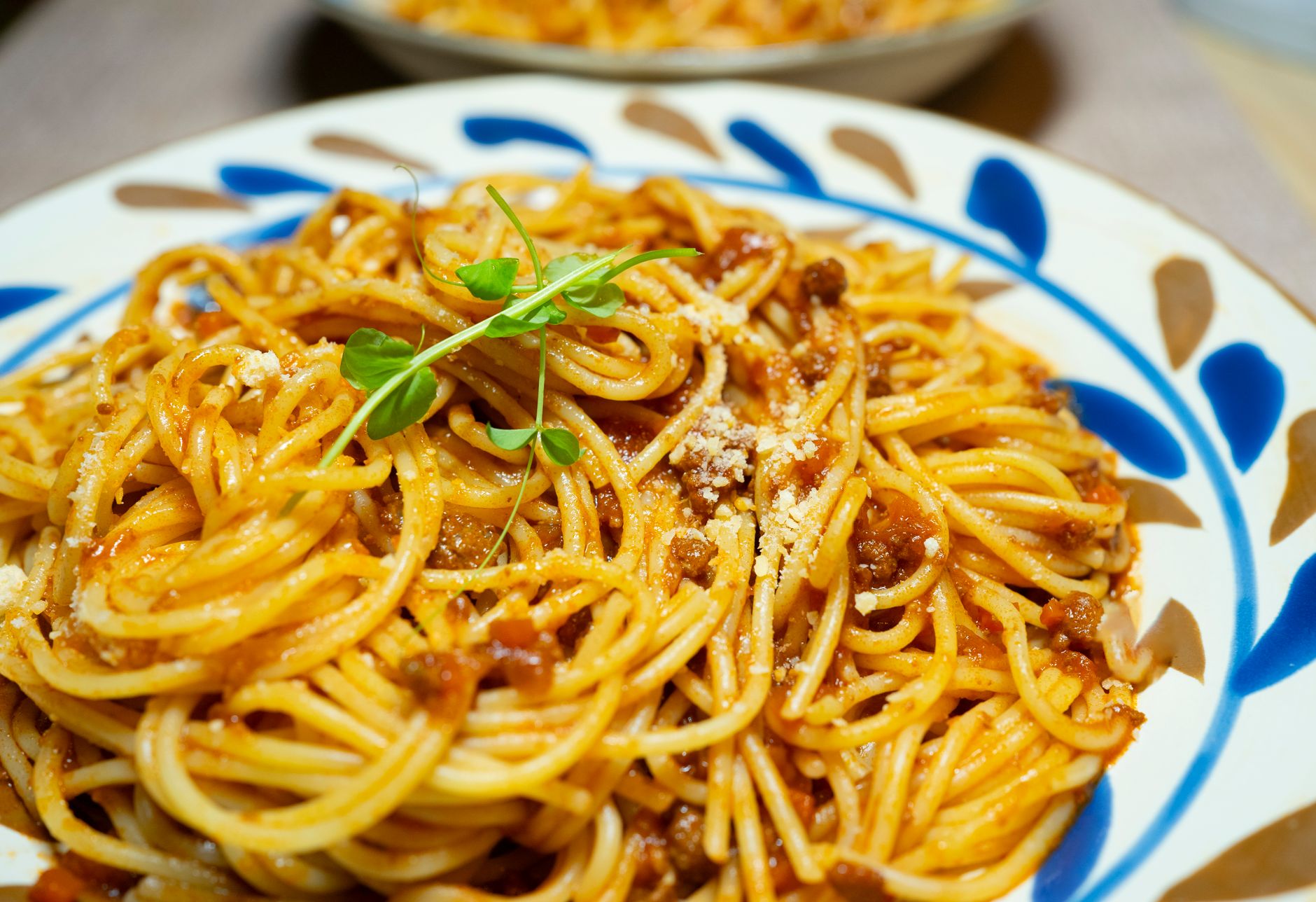
Microwave Pasta Tips
Best Containers and Tools
Wide, Shallow Containers or Bowls
Use shallow, broad dishes that spread pasta in a thin layer. This avoids piling that blocks microwaves and causes cold centers. Glass or BPA-free plastic containers marked microwave-safe work best.
Avoid Overcooked or Mushy Pasta
Reheating too long or on high power makes pasta mushy or rubbery. Stick to medium heat and short intervals. Always add moisture to keep noodles tender but firm.
How Long To Reheat Pasta
Time Based on Quantity and Type
Small servings (11.5 cups) generally need 12 minutes total, stopped every 30 seconds to stir. Larger portions require 23 minutes or longer. Dense pasta shapes may take extra time but stir frequently to speed warming.

Benefits and Risks
Benefits of Microwave Reheating
- Quick and easydone within minutes
- Less clean-up than stove or oven methods
- Uses less energy, conserving resources
Risks to Consider
- Uneven heating leads to cold spots or overcooked bites
- Potential food safety issues if pasta is poorly stored or reheated insufficiently
- Texture changes may reduce meal enjoyment
Food Safety Tips For Reheating Pasta
Storage Duration
Keep cooked pasta sealed in the fridge no longer than 34 days. After that, risk of harmful bacteria grows according to USDA FoodSafe guidelines.
Signs Pasta Has Gone Bad
Look for sour smells, slimy texture, or discoloration. If any appear, discard rather than reheat. Heating wont fix spoiled pasta.
Halal-conscious readers should note that most cooked pasta is naturally Halal, but always check sauces or added ingredients. Look for trusted certification logos such as JAKIM or IFANCA when buying packaged foods to maintain Halal standards.

Try These Tasty Pairings
If you want to try a quick meal with reheated pasta, consider pairing with protein-rich sides like Halal-certified chicken or fresh salad recipes. For easy breakfast inspiration, check out Homemade breakfast sandwiches for other fast, wholesome ideas.
Pro Tips For Perfect Results
- Always add a splash of liquid before reheating to restore moisture.
- Use a microwave-safe lid or damp cloth to trap steam and prevent drying.
- Avoid reheating pasta more than once; repeated reheating reduces quality and safety.
- Adjust microwave power based on your appliances wattage to avoid overheating.
What Is The Best Time To Eat Reheated Pasta?
The best time to eat reheated pasta is immediately after reheating, while it is steamed hot and moist. This is when texture and flavors are closest to freshly cooked pasta. Leaving pasta to sit after microwaving may lead to dryness or toughness.
Is Reheated Pasta Microwave Actually Safe?
Yes, reheated pasta microwave is safe when handled properly. Store leftovers within two hours of cooking, keep refrigerated below 5C (41F), and reheat until steaming hot (at least 74C or 165F) to kill bacteria. Always avoid reheating repeated times.
How To Avoid Dry Pasta After Microwaving?
Add moisture like water, sauce, or oil and cover pasta during reheating. Stir midway to redistribute moisture. This prevents drying and chewy texture from overexposure to microwave heat.
Can You Reheat Pasta With Cheese Or Cream Sauces?
Yes, but reheat slowly on medium power while stirring frequently to prevent sauce from separating or curdling. Cover well to retain steam and keep creamy texture intact.
Should You Use Plastic Wrap Or Paper Towels To Cover Pasta?
Use microwave-safe lids or damp paper towels rather than plastic wrap. Plastic wrap can melt or release chemicals unless labeled microwave-safe. Damp towels trap moisture effectively without mess.
Can You Reheat Pasta From Frozen Directly In The Microwave?
Frozen pasta can be reheated directly but requires longer microwave time, with low power and frequent stirring. Adding extra moisture and covering helps thaw evenly and avoid cold spots.
What Power Level Is Best For Reheating Pasta?
Medium power (5070%) is ideal for reheating pasta in a microwave. This slower heating reduces cold spots and avoids overcooking parts. Short bursts with stirring work better than one long session on high.
More You Might Like
If you enjoy quick and delicious meals, try our Mcdonald‘s breakfast happy meals guide for safe, Halal-friendly fast food options. Also explore homemade breakfast sandwiches recipes for wholesome starts to your day.
Conclusion
Reheat pasta microwave-style without cold spots by adding moisture, using the right container, and stirring often. Balancing careful technique with microwave convenience keeps pasta tasty and safe. Try these steps next time you warm leftovers and enjoy every bite evenly hot. Have your own reheating tips? Feel free to share them here.
FAQs
Is reheat pasta microwave actually Halal — what should I check on the label?
Reheated pasta is generally Halal if the original ingredients and sauces comply. Always check for certification logos like JAKIM or IFANCA on packaged sauces or processed ingredients to be sure they meet Halal standards.
When is the best time to eat or drink reheat pasta microwave?
The best time to eat reheated pasta is immediately after microwaving while it’s hot and moist. This ensures the texture and flavors resemble fresh pasta, avoiding dryness or toughness that develops as it cools.
How long can cooked pasta be safely stored before reheating?
Cooked pasta should be stored tightly sealed in the refrigerator and consumed within 3-4 days. Beyond that, the risk of bacteria growth increases, and you should discard it to avoid foodborne illness.
How does microwave reheating pasta differ from stove or oven methods?
Microwaving pasta is faster and more energy-efficient but prone to uneven heating and cold spots. Stove or oven reheating heats more evenly but takes longer and requires more cleanup.
Where can I buy microwave-safe containers ideal for reheating pasta?
Microwave-safe containers are widely available in kitchenware stores, supermarkets, and online retailers. Look for glass or BPA-free plastic containers labeled microwave-safe for best reheating results.