Reusing frying oil can save you money and reduce waste, but doing it right matters. When you reuse frying oil without proper care, you risk bad flavors, off aromas, and even health hazards. Whether youve just deep fried fish or other goodies, knowing how to reuse frying oil safely will keep your meals delicious and your kitchen healthy. Lets explore the practical steps, storage tips, and smart cooking advice to get the most from your frying oil without compromising taste or safety.
Why Reuse Frying Oil
What Are the Benefits of Reusing Frying Oil?
Reusing frying oil offers several clear advantages. First, it helps you save money because high-quality oils can be expensive to replace frequently. Second, it reduces food waste and environmental impact by minimizing the amount of oil you discard. Third, when handled properly, reused oil can subtly enhance the flavor profile of similar dishes, like seafood or fried vegetables, creating a deeper taste experience.
What Are the Risks of Reusing Cooking Oil?
Despite the benefits, reusing cooking oil has downsides if not done correctly. Overused oil breaks down chemically, forming harmful compounds that could pose health risks over time, such as free radicals and trans fats. Off flavors, especially from frying fish, may carry over and ruin the taste of fresh dishes if the oil isnt cleaned properly. Also, improper storage or contamination with water and food debris can cause the oil to spoil or become unsafe.
How Often Can You Reuse Frying Oil Safely?
Experts generally recommend reusing oil up to 2-3 times for deep frying, but this depends heavily on the oil type, frying temperature, and what you fry. Light oils like canola or sunflower degrade quicker, while stable oils like peanut or refined olive oil may last longer. Fish and seafood residues shorten oil life faster than frying neutral foods. Always inspect oil freshness visually and by smell before reuse.
Preparing and Storing Frying Oil
How to Filter and Clean Oil After Frying?
Right after frying, let the oil cool until warm but not hot (around 120140F / 4960C). Use a fine mesh strainer lined with cheesecloth or a coffee filter to remove suspended crumbs and small particles. These leftovers accelerate spoilage and rancidity. Pour the oil slowly to avoid stirring up debris.
Discard oil if its dark brown or blackened, has a thick, sticky texture, or emits a sharp, acrid smell. These signs indicate advanced degradation. According to the USDA FoodData Central, once oil smokes at a noticeably lower temperature than normal, its quality is compromised.
How to Store Frying Oil After Use?
Store filtered oil in clean, airtight glass jars or food-safe plastic containers. Avoid metal containers as they can trigger oxidation. Keep the oil in a cool, dark pantry or refrigerator, away from heat and sunlightwhich accelerate spoilage. Properly stored, oil can last 12 weeks in the pantry and up to 1 month refrigerated.
Quick Tips for Handling Oil Safely
- Never mix freshly used oil with old, cloudy oil to maintain consistent quality.
- Label your oil container with the date of first use to track reuse duration.
- Keep oil free from moisture and food particles to prevent bacterial growth and rancidity.
Cooking With Reused Fish-Frying Oil
Which Foods Are Ideal for Reusing Fish-Frying Oil?
Oil previously used to fry fish carries subtle fish flavors, so it works best for similar dishes. Use it again for frying seafoodlike shrimp or calamarior lightly seasoned vegetables such as zucchini or green beans. These foods harmonize with the existing flavor profile.
Avoid using fish-frying oil for baking or frying delicate sweets, as the fishy aftertaste may overpower the dish. Neutral-flavored recipes like fried chicken may also absorb unintended fish notes, which can be off-putting.
How to Minimize Fishy Flavor Transfer in Reused Oil?
If you want to mellow fishy flavors, blend a portion of old oil with fresh oil before frying. This dilutes the intensity without wasting the oil. Adding aromatic seasonings like garlic powder or smoked paprika directly into the food can also balance out lingering taste.
Recipes and Meal Ideas Using Reused Frying Oil
- Crispy fried shrimp tossed in light spices for a quick snack
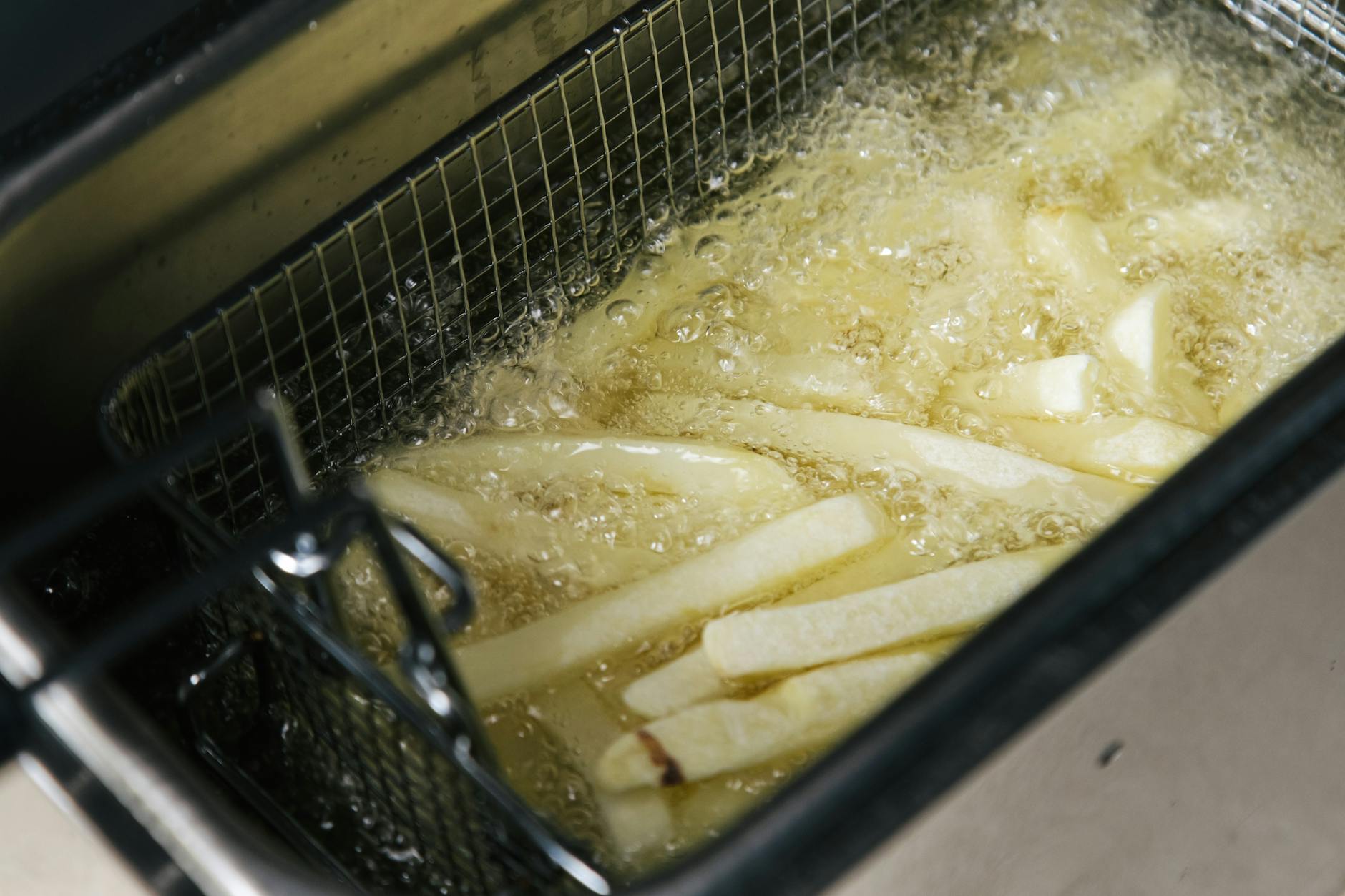
- Golden potato fries or vegetable tempura with a mild fish essence
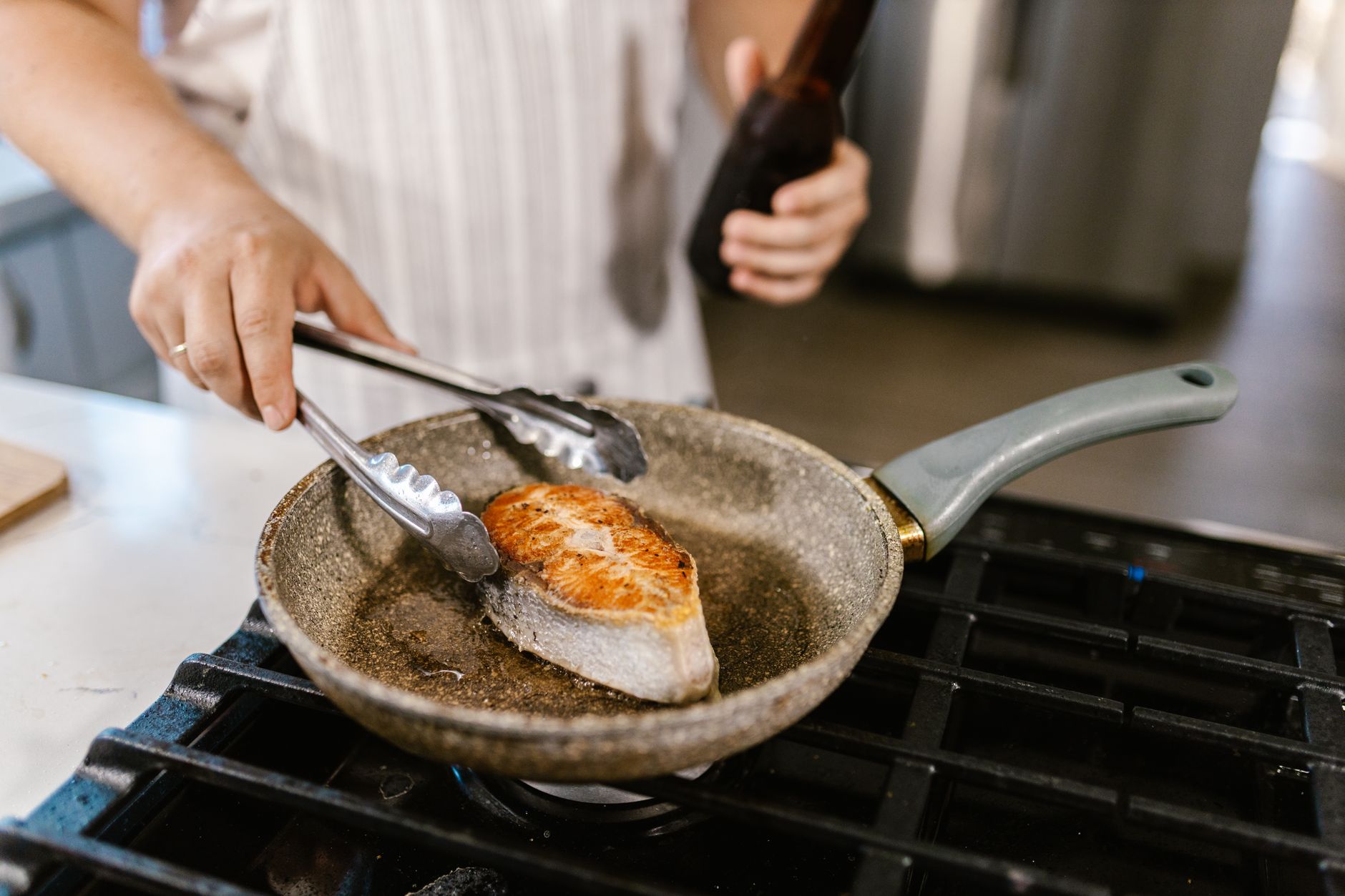
- Simple pan-fried fish fillets that deepen in flavor when cooked twice in the same oil
Try pairing dishes fried in reused oil with a vibrant sauce, like a tangy spicy mayo ingredient dip, to brighten the palate.

Deep Frying Tips for Oil Longevity
What Temperature Should You Fry At to Keep Oil Longer?
Maintaining the correct frying temperature around 350F to 375F (177C to 190C) ensures food cooks quickly without burning the oil. Overheating above 400F (204C) accelerates oil breakdown, releasing toxic compounds and reducing usability. A reliable frying thermometer helps you stay in the ideal range.
How to Avoid Oil Contamination During Frying?
Keep water completely away from hot oil, as water causes dangerous splattering and speeds up oil deterioration. Use slotted spoons or frying baskets to drain food before removing it. Clean excess breading or batter from frying tools constantly to minimize debris in the oil.
Signs Your Oil Is No Longer Safe to Reuse
- Lowered smoke point oil smokes at lower temperature than when new
- Dark, thick, or sticky consistency
- Foul, rancid, or sharp chemical smell
- Excessive foaming on the surface during heating
Is reused frying oil safe for Halal cooking?
For Halal cooking, reused frying oil must come from Halal-certified sources and be stored under hygienic conditions, avoiding contamination with non-Halal products. Certification by bodies like JAKIM, HMC, or IFANCA confirms the oils Halal status, ensuring it meets strict Islamic dietary laws.
How does reusing oil impact health?
Repeatedly heating oil causes oxidation and forms unhealthy compounds like aldehydes, which might contribute to inflammation or cardiovascular risks. Proper filtering and limiting reuse to two or three cycles reduce these risks. Opting for oils with higher smoke points, like refined peanut or sunflower oil, can also improve safety.
Can I reuse frying oil after frying battered food?
Battered foods tend to leave more particles in the oil, which accelerate spoilage. Filtering becomes more important, and the oils lifespan shortens, often to just one or two uses. If particles arent removed, off-flavors and faster degradation occur.
How to tell if frying oil has gone rancid?
Rancid oil smells sour, bitter, or like crayons. The color deepens unexpectedly, and it feels sticky or gummy. When in doubt, discard the oil. Using spoiled oil degrades meal quality and may be harmful.
Can I reuse frying oil for baking recipes?
Reused frying oil, especially from fish or strong-flavored foods, is not suitable for baking. Baked goods require neutral-tasting fat to avoid off aromas. Always use fresh or neutral oils like vegetable or canola oil when baking.
What is the best container for storing used frying oil?
Glass jars with airtight lids are ideal for storing used frying oil. They dont react chemically and keep light out better than plastic. Store jars in a cool, dark place and use within 24 weeks for best quality.
How do I dispose of used frying oil responsibly?
Never pour used oil down sinks or drains to avoid clogging and environmental damage. Instead, collect oil in sealed containers and take it to local recycling centers offering cooking oil recycling or conversion to biofuel.
More You Might Like
Explore tasty ways to enjoy morning meals with Panera bread breakfast sandwiches, a convenient and delicious start.
Enhance your sauces and dips by learning about the spicy mayo ingredient secrets that bring richness and spice in every bite.
Conclusion
Reusing frying oil is a smart way to save money and reduce waste, but it takes mindful filtering, proper storage, and awareness of oil lifespan. Whether frying fish, vegetables, or snacks, following these tips ensures your oil stays fresh and your meals taste great. Give these steps a try and enjoy crisp, delicious fried foods with less fuss and more flavor.
FAQs
Is reuse frying oil actually Halal — what should I check on the label?
Reuse frying oil can be Halal if it is sourced from Halal-certified oils and maintained free from contamination with non-Halal products. Look for certification marks from recognized bodies like JAKIM, HMC, or IFANCA on the label, and ensure hygienic storage to comply with Islamic dietary laws.
How long can you safely reuse frying oil?
Frying oil can typically be reused 2 to 3 times depending on the food fried, oil type, and frying temperature. Always check for discoloration, off smells, and texture changes before reuse to ensure safety.
What is the difference between reused frying oil and fresh oil when cooking?
Reused frying oil may carry residual flavors and break down chemically over time causing off aromas and potentially harmful compounds, while fresh oil offers a neutral flavor and safer cooking quality.
Is it safe to reuse frying oil daily for cooking?
Reusing frying oil daily is not recommended without proper filtering and storage, as repeated heating accelerates oil degradation, increasing health risks. Limit reuse to 2-3 cycles and store it correctly.
Where can I buy quality frying oil suitable for reuse?
Quality frying oils suitable for reuse, such as refined peanut, canola, or sunflower oil, are available at grocery stores, specialty food markets, and online retailers. Choose oils with higher smoke points for better longevity.