Rhubarb is an intriguing ingredient with a sharp, tangy flavor that brightens both sweet and savory dishes. But how to cook rhubarb properly? Cooking rhubarb transforms its tart stalks into soft, flavorful delights perfect for desserts, jams, and even sauces. Knowing the right preparation and cooking techniques is essential to enjoy rhubarb safely and deliciously. Whether you‘re new to rhubarb or looking to refine your skills, this guide has everything you need.
What Is Rhubarb?
What Exactly Is Rhubarb?
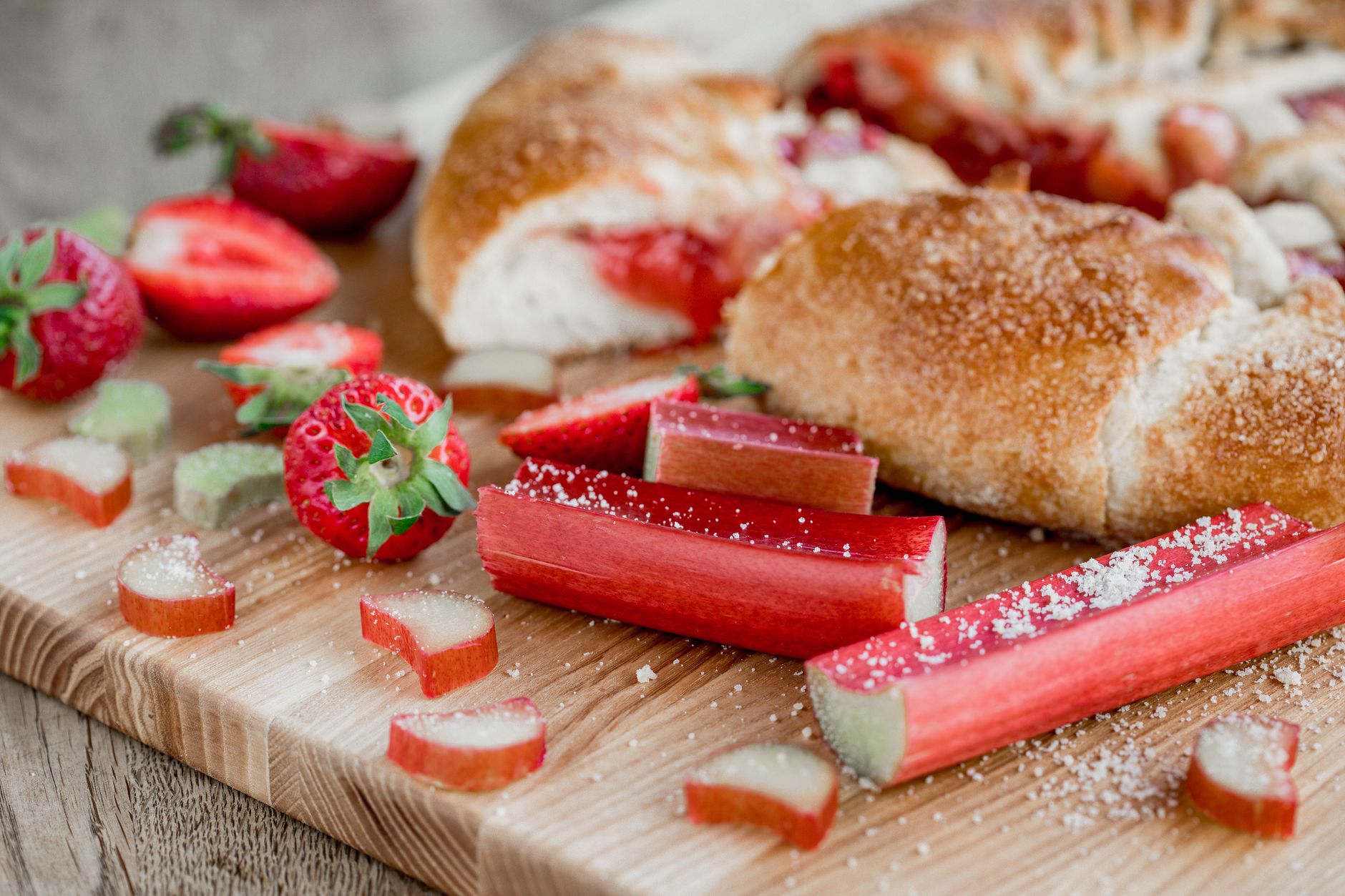
Rhubarb is a perennial plant known for its thick, celery-like stalks that have a vibrant red or green hue. Botanically, it belongs to the Polygonaceae family, making it a vegetable although often used like a fruit in cooking. Its flavor is distinctly tart and tangy, which provides a lively contrast in many recipes. Rhubarb‘s fibrous stalks are the edible portion, prized in pies, crumbles, jams, and sauces. Its bold taste pairs well with sweeter flavors like strawberries, vanilla, or honey to create balanced dishes.
Is Rhubarb a Fruit or Vegetable?
While rhubarb is usually treated like a fruit in recipes, it is actually a vegetable. This is because the edible stalks are the plants leaf petioles, not its fruit. The leaves themselves contain toxic compounds called oxalic acid and are strictly inedible. This distinction matters most for safety and cooking purposes, ensuring you only use the stalks in your kitchen.
Why Cook Rhubarb?
Cooking rhubarb softens its fibrous texture and reduces its natural tartness. Raw rhubarb stalks are crisp but very sour, which can overwhelm the palate. Heating rhubarb releases its juices and mellows the sharpness, making it perfect for desserts or savory sauces. Cooking also eliminates traces of oxalic acid, enhancing safety and making the stalks tender and easier to digest.

Preparing Rhubarb
Which Parts Are Edible?
Only the stalks of rhubarb are edible and safe to eat. The leaves contain high levels of oxalic acid, which can cause nausea and other symptoms if ingested. Always cut away and discard the leaves before cleaning or cooking. This step is critical for your safety and cannot be skipped.
Washing and Cutting Techniques
Before cooking, rinse rhubarb stalks under cold water to remove any dirt or debris. Pat them dry with a clean towel. Trim off the leafy tops and any damaged ends. Cut the stalks into uniform 1-inch pieces for even cooking. If stalks are thick, peeling the outer layer with a vegetable peeler can help reduce stringiness.
Choosing Fresh Rhubarb
Look for firm, brightly colored stalks that snap easily without bending. Deeper red rhubarb often tastes sweeter but green varieties also work well. Avoid stalks that are limp, shriveled, or blemished. The freshest rhubarb retains crispness and delivers the best flavor in your recipes.
Cooking Techniques
Basic Cooking Methods
Rhubarb can be cooked by boiling, steaming, or roasting each method brings out different textures and flavors:
- Boiling: Place rhubarb pieces in a pot with a splash of water. Simmer over medium heat for 58 minutes until soft and mushy.
- Steaming: Steam for 710 minutes until tender but still holds shape, making it ideal for compotes or pies.
- Roasting: Toss rhubarb with a little sugar and roast at 400F (200C) for 1520 minutes, caramelizing the edges and creating a richer flavor.
Cooking Duration
Cooking times vary by method and stalk thickness. Generally, rhubarb cooks quickly within 5 to 15 minutes. Overcooking may cause it to become too mushy, while undercooking keeps it too tart and firm. Aim for tender stalks that break apart easily with a fork but still have some shape.
Balancing Tartness with Sweeteners
Adding sugar or alternative sweeteners is common to offset rhubarbs natural tartness. Granulated sugar is popular, but honey, maple syrup, or stevia can work well, depending on your taste and dietary preferences. Add sweeteners gradually and taste as you cookthis helps achieve the right flavor balance.
Cooking Rhubarb Without Sugar
Cooking rhubarb without sugar is possible but results in a sharper, tangier final product. This approach is great if you want to highlight natural flavor or pair rhubarb in savory dishes where other ingredients provide sweetness or balance.
Safety Tips
Always discard rhubarb leaves before cooking. Wash stalks thoroughly. Use fresh, firm stalks as spoiled rhubarb can develop off odors and textures. Cooking fully reduces oxalic acid to safe levels. Avoid eating raw rhubarb in large amounts to prevent digestive discomfort.
Popular Rhubarb Recipes
Classic Rhubarb Crisp
| Prep time | Cook time | Total time | Servings | Calories | Diet tags |
|---|---|---|---|---|---|
| 15 mins | 40 mins | 55 mins | 6 | 320 | Halal, Gluten-Free option |
Ingredients: 4 cups chopped rhubarb, 1 cup sugar, cup rolled oats, cup almond flour, cup melted butter, 1 tsp cinnamon.
Instructions:
- Preheat oven to 350F (175C).
- Mix rhubarb and sugar in a bowl; spread evenly in a greased baking dish.
- Combine oats, almond flour, butter, and cinnamon; sprinkle over rhubarb.
- Bake for 40 minutes or until topping is golden and rhubarb is bubbling.
Easy Rhubarb Jam
| Prep time | Cook time | Total time | Servings | Calories | Diet tags |
|---|---|---|---|---|---|
| 10 mins | 25 mins | 35 mins | 8 | 100 | Halal, Vegan |
Ingredients: 4 cups chopped rhubarb, 2 cups sugar, 1 tbsp lemon juice, 1 tsp vanilla extract.
Instructions:
- Combine all ingredients in a large saucepan.
- Cook over medium heat for 2025 minutes, stirring often, until thickened.
- Pour into sterilized jars and seal. Refrigerate once cooled.
Creative Uses Beyond Dessert
Rhubarb pairs well in savory dishes like sauces for grilled meats or chutneys. Try roasting with ginger or infusing it in drinks like cocktails or summer spritzers for an unexpected twist. The tart intensity complements rich or spicy flavors beautifully.
Health Benefits and Risks
Nutritional Overview
Cooked rhubarb contains vitamins C and K, calcium, potassium, and fiber. According to the USDA FoodData Central, a half-cup serving offers roughly 25 calories with minimal fat. Antioxidants in rhubarb support overall health, immune function, and digestion.
Oxalic Acid and Risks
Rhubarb contains oxalic acid, which can contribute to kidney stones if consumed excessively. Cooking significantly lowers oxalic acid levels in stalks. However, people with kidney issues or those advised by doctors should limit intake. Importantly, the leaves have much higher oxalic acid and must never be eaten.
Who Should Limit Rhubarb?
Individuals with kidney disease, gout, or certain mineral imbalances should consult their healthcare provider before eating rhubarb regularly. Children can safely consume rhubarb in cooked desserts, but avoid giving them raw portions or any leaves.
Balancing Benefits and Precautions
Enjoy rhubarbs fiber and vitamins as part of a varied diet. Cooking safely and avoiding the leaves ensures you gain benefits without harmful effects. Moderation is key, especially for sensitive populations.
Storage and Handling
Storing Fresh Rhubarb
Wrap unwashed fresh rhubarb stalks loosely in plastic wrap or place in a sealed bag. Keep refrigerated between 32F40F (04C). Fresh rhubarb lasts about 5 to 7 days stored this way. Avoid washing before storage to prevent spoilage.
Storing Cooked Rhubarb
Cooked rhubarb, including jams or sauces, should be cooled to room temperature, then stored in airtight containers in the fridge. It keeps well for 7 to 10 days. For longer storage, freezing is an option.
Freezing Rhubarb
You can freeze both raw and cooked rhubarb. To freeze raw, wash, trim, cut into pieces, and spread on a parchment-lined tray. Freeze until solid, then transfer to freezer bags. Frozen rhubarb keeps 812 months. Cooked rhubarb jams also freeze well and thaw in the fridge overnight.
Pro Tips for Cooking Rhubarb
- Balance tartness carefully: Add sweeteners gradually and taste often to avoid overpowering the rhubarbs natural zing.
- Prevent stringiness: Peel thick stalks before cooking to improve texture.
- Dont skip discarding leaves: This is the single most important safety step.
- Experiment with pairings: Ginger, orange zest, or even balsamic vinegar complement rhubarbs vibrant flavor.
- Quality ingredients matter: Use Halal-certified sugar and spices for consistency with your dietary needs.
For ideas on baked goods that pair well with rhubarb desserts, check out some delicious treats from Magnolia bakery or explore seasonal pastries at Corner bakery burbank.
When is the best time to eat rhubarb?
Rhubarb is at its peak harvest season in spring and early summer. Eating it fresh during this time ensures optimal flavor and nutrition. Cooked rhubarb can be enjoyed year-round, especially when preserved as jams or frozen stalks.
Can you eat rhubarb raw?
While small amounts of raw rhubarb stalks are sometimes eaten in salads or garnishes, most people find raw rhubarb too sour and fibrous. It is safer and tastier to cook rhubarb before consumption due to its tartness and oxalic acid content.
How to fix overly sour or bitter rhubarb?
Add sweeteners such as sugar, honey, or maple syrup and cook the rhubarb longer to soften and mellow the tartness. Pairing rhubarb with naturally sweet fruits like strawberries also balances sourness effectively.
Is rhubarb gluten-free and suitable for special diets?
Yes, rhubarb is naturally gluten-free and fits well within Halal and vegan diets, making it a versatile ingredient for various dietary needs.
Can children safely eat rhubarb desserts?
Yes, children can enjoy cooked rhubarb desserts as long as the leaves have been removed and the rhubarb is fully cooked. Avoid giving raw rhubarb or any leaf material to children.
Does cooking destroy nutrients in rhubarb?
Cooking rhubarb reduces some vitamin C content but retains fiber, minerals, and antioxidants. Gentle cooking methods like steaming help preserve nutrients best.
What Halal certification should I look for?
Look for trusted Halal certification logos like JAKIM, HMC, or IFANCA on packaged ingredients used with rhubarb, such as sugar or spices, to ensure compliance with Halal standards.
More You Might Like
Explore wholesome bakery delights with options from Corner bakery burbank, featuring a variety of Halal-certified treats perfect alongside a warm rhubarb dessert.
Discover creative baked goods and desserts at Magnolia bakery, to pair with your rhubarb creations for a full flavorful experience.
Conclusion
Knowing how to cook rhubarb well opens a world of vibrant flavors and nourishing dishes. With proper preparation, cooking techniques, and a balance of sweetness, you can unlock rhubarb‘s unique tartness safely and deliciously. Next time you spot rhubarb at the market, try one of these methods or recipesand share your experience below. Your kitchen adventures with rhubarb await!
FAQs
When is the best time to eat or drink how to cook rhubarb?
Rhubarb is freshest and most flavorful during its peak harvest season in spring and early summer. Consuming rhubarb cooked or preserved allows enjoyment year-round with optimal taste and nutrition.
How long does cooked rhubarb last after opening or storage?
Cooked rhubarb can be stored in airtight containers in the refrigerator for 7 to 10 days. For longer storage, freezing cooked or raw rhubarb is recommended, lasting 8 to 12 months when properly frozen.
What is the difference between rhubarb and other tart fruits like cranberries?
Rhubarb is a vegetable stalk with a tart flavor, often used like fruit in desserts. Cranberries are actual berries that are naturally tart. Rhubarb requires cooking to reduce tartness and contains oxalic acid, unlike cranberries.
Is it safe to eat rhubarb daily, and who should limit consumption?
Moderate daily consumption of cooked rhubarb is safe for most people. However, individuals with kidney issues or gout should limit intake due to oxalic acid content. Always avoid rhubarb leaves, which are toxic.
Where can I buy fresh and Halal-certified rhubarb ingredients?
Fresh rhubarb can be found at farmers markets, grocery stores, and specialty produce shops. For Halal-certified ingredients like sugar or spices used with rhubarb, look for trusted certification logos such as JAKIM, HMC, or IFANCA on packaging.