Have you ever cooked pork that turned out tough and chewy? Knowing how to tenderize pork properly can transform a disappointing dinner into a juicy, flavorful meal. Whether you are working with a lean loin or a hearty shoulder, the right technique makes all the difference. This guide walks you through eight reliable methods, from quick marinades to slow braising, so you can choose what fits your schedule and your cut.
Each method explained below is simple to follow and backed by practical kitchen science. You will learn why certain cuts need more attention and how to avoid common mistakes that lead to dry or rubbery meat. Let us start with the most essential technique for moisture retention.
Why Tenderizing Pork Matters
Pork muscles contain connective tissue and collagen that can make meat tough when cooked quickly. Tenderizing breaks down these fibers, allowing the meat to absorb flavors and retain moisture during cooking. Without this step, especially for lean cuts like pork chops or tenderloin, you risk ending up with a dry, chewy texture. The benefits go beyond texture tenderized pork cooks more evenly and tastes richer because seasonings penetrate deeper.
Improper tenderization can cause problems too. Over-marinating with acidic ingredients like vinegar or citrus can turn the surface mushy while leaving the center tough. Mechanical pounding done unevenly can create thin spots that overcook fast. Understanding each method helps you apply the right one for your specific cut and cooking style.
8 Effective Methods To Tenderize Pork
1. Brining
One of the most reliable ways to tenderize pork is through brining. A saltwater solution helps meat absorb extra moisture and relaxes protein structures, resulting in juicier, more forgiving pork. For a basic brine, dissolve 60 grams of salt and 30 grams of sugar per liter of cold water. Submerge your pork completely and refrigerate for at least 4 hours up to 12 hours for thicker cuts like a pork shoulder.
Brining Tips and Common Mistakes to Avoid
Do not brine longer than 24 hours, or the meat can become overly salty and mushy. Rinse the pork briefly after brining and pat it dry before cooking. For Halal-certified pork, check that your salt and sugar are free from any non-Halal additives look for products with JAKIM or IFANCA certification logos on the packaging.
2. Dry Rubs
Salt-based dry rubs work similarly to brining but without the liquid. The salt draws out moisture, then reabsorbs it along with the rub‘s spices, creating a seasoned, tender crust. Apply the rub evenly and let the pork rest in the fridge for 1 to 4 hours. A good rub for pork includes brown sugar, smoked paprika, garlic powder, and black pepper.
Sample Dry Rub Recipe for Pork
| Prep time | Cook time | Total time | Servings | Calories | Diet tags |
| 5 minutes | 0 minutes (rub only) | 5 minutes + resting time | covers 1 kg pork | 15 per tablespoon | Halal, Gluten-Free, Low-Carb |
Mix 2 tablespoons brown sugar, 1 tablespoon kosher salt, 1 teaspoon smoked paprika, 1 teaspoon garlic powder, 1/2 teaspoon black pepper, and 1/2 teaspoon mustard powder. Rub generously over pork chops or shoulder, then refrigerate uncovered for 2 hours. Pat off excess before cooking.
3. Acidic Marinades
Acids like vinegar, lemon juice, yogurt, or buttermilk break down surface fibers quickly. A marinade with 1 part acid to 3 parts oil works best. Marinate pork chops for 30 minutes to 2 hours longer than 4 hours can make the exterior mushy. For tougher cuts like pork shoulder, extend the time to 6 hours but no more.
Pork Marinade Tips for Maximum Flavor and Tenderness
Add aromatics like crushed garlic, ginger, or herbs to your marinade. Always marinate in a glass or stainless steel bowl avoid reactive metals like aluminum. Discard leftover marinade that touched raw pork to prevent cross-contamination.
4. Slow Cooking and Braising
Low-and-slow cooking is the gold standard for tough cuts like pork shoulder and ribs. Collagen breaks down between 160F and 180F (71C to 82C), turning into rich gelatin that makes meat pull-apart tender. Braise pork in liquid like broth or apple cider at 275F (135C) for 3 to 4 hours, or use a slow cooker on low for 8 hours.
Real-World Example: Braised Pork Shoulder Recipe
Sear a 2 kg pork shoulder in hot oil for 4 minutes per side. Place in a Dutch oven with 500 ml chicken broth, 2 sliced onions, and 3 sprigs rosemary. Cover and cook at 275F for 3.5 hours. Let rest for 15 minutes before shredding.
5. Mechanical Tenderizing (Meat Mallet)
Pounding pork with a mallet physically flattens and breaks muscle fibers. This method works best for pork chops and cutlets that need even thickness for quick cooking. Place the pork between two sheets of plastic wrap and pound to an even 1/2-inch thickness using the flat side of the mallet.
Safety and Hygiene Tips When Using Mechanical Tenderizers
Always wash your mallet and cutting board immediately after use. If you use a needle tenderizer, which punctures the meat with tiny blades, note that it can introduce bacteria into the interior. Cook pork tenderized this way to an internal temperature of at least 145F (63C) as recommended by USDA FoodData Central.
6. Velveting (Chinese Tenderizing Technique)
Velveting gives pork a silky, almost slippery texture perfect for stir-fries. The technique uses baking soda or egg white and cornstarch to alter the meat‘s protein structure. For a baking soda velvet, toss sliced pork with 1 teaspoon baking soda per 500 grams and let sit for 15 minutes. Rinse thoroughly, then marinate with soy sauce, cornstarch, and oil.
Step-by-step Velveting Instructions
Step 1: Slice pork across the grain into 3 mm thick pieces. Step 2: Mix with 1 teaspoon baking soda and 2 tablespoons water. Step 3: Rest for exactly 15 minutes at room temperature do not exceed 20 minutes or the texture becomes spongy. Step 4: Rinse under cold water for 2 minutes until water runs clear. Step 5: Pat dry with paper towels. Step 6: Toss with 1 tablespoon cornstarch, 1 tablespoon soy sauce, and 1 tablespoon vegetable oil. Step 7: Refrigerate for 30 minutes, then stir-fry on high heat for 2 to 3 minutes.
7. Smoking
Smoking tenderizes pork through prolonged low heat and enzymatic breakdown. The ideal smoking temperature is 225F to 250F (107C to 121C). Pork shoulder and ribs benefit from 6 to 10 hours of smoke. Fruit woods like apple or cherry add mild sweetness that complements pork‘s natural flavor.
Smoking Tips for Juicy, Tender Pork
Keep a water pan inside the smoker to maintain humidity. Spritz the pork with apple juice every 45 minutes for the first 4 hours. Wrap in foil when the internal temperature hits 160F (71C) to push through the plateau and reach 203F (95C) for shreddable tenderness.
8. Enzymatic Tenderization
Natural enzymes like papain from papaya and bromelain from pineapple digest protein fibers. Fresh pineapple or commercial tenderizer powders work quickly within 15 to 30 minutes. Overuse turns pork into a mushy paste, so measure carefully. For a DIY version, mash 2 tablespoons fresh papaya and spread over pork for 20 minutes before rinsing.
DIY Enzymatic Tenderizer Recipes and Store-Bought Options
Store-bought tenderizers often contain papain and salt. Check labels for added MSG or artificial flavors if you prefer clean-label products. For Halal compliance, look for certification from HMC or IFANCA on the packaging.
Matching Tenderizing Methods to Pork Cuts
| Pork Cut | Best Tenderizing Method | Recommended Time |
|---|---|---|
| Pork tenderloin | Brining or dry rub | 46 hours brine, 12 hours rub |
| Pork chops | Brining or acidic marinade | 30 minutes2 hours marinade |
| Pork shoulder | Slow cooking or smoking | 34 hours braising, 610 hours smoking |
| Pork ribs | Dry rub then smoking or braising | 46 hours smoking, 2 hours braising |
| Pork loin | Brining or velveting | 48 hours brine, 15 minutes velvet |
Expert Tips and Tricks for Tender Pork Every Time
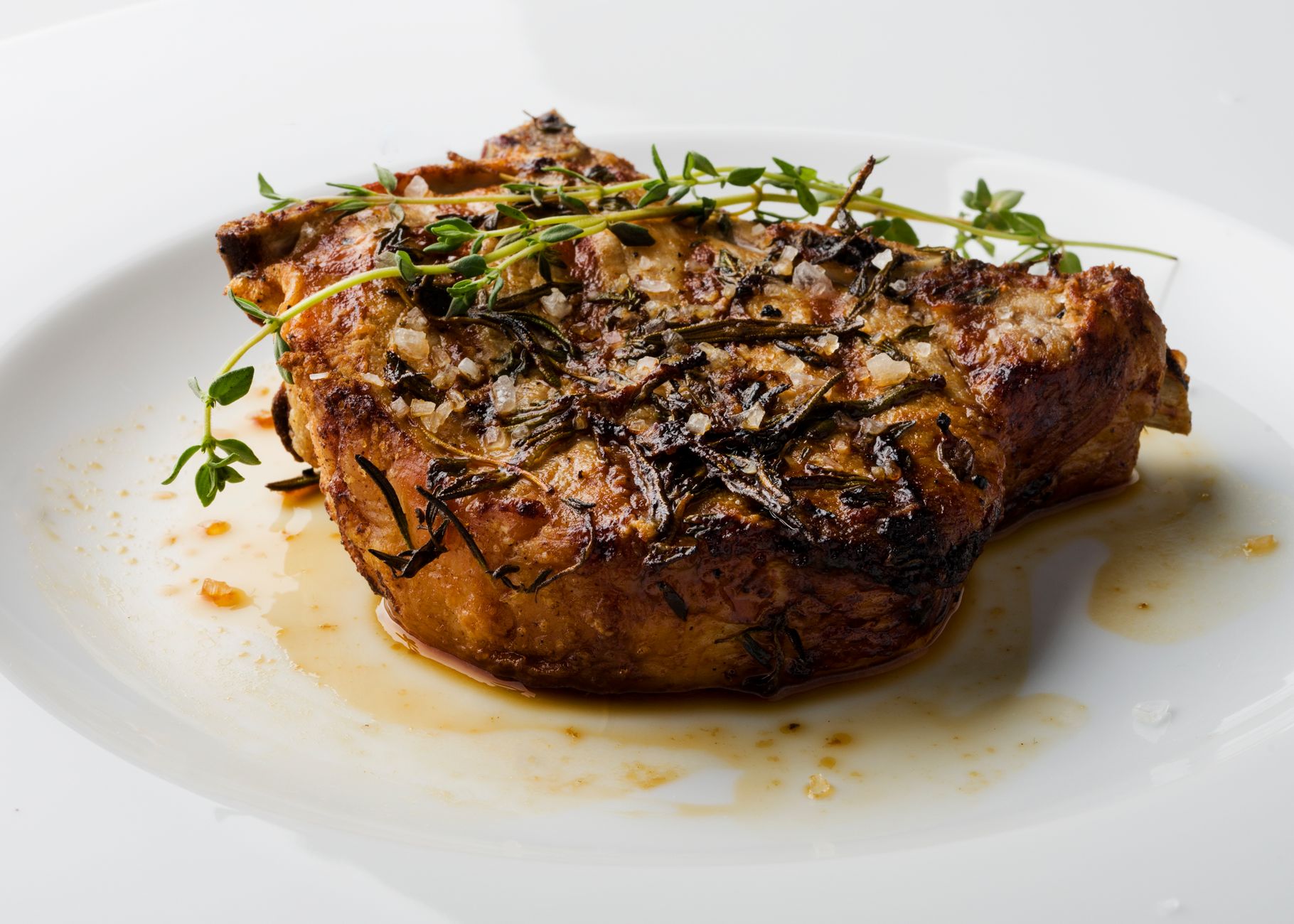
Combine methods for better results brine pork shoulder overnight, then apply a dry rub before smoking. Always rest cooked pork for 5 to 10 minutes under loose foil; this allows juices to redistribute evenly. Avoid overcooking: use an instant-read thermometer and stop at 145F (63C) for chops and loin, or 203F (95C) for shoulder and ribs.
If you have a meat grinder at home, grinding tougher cuts can also create tender ground pork for burgers or meatballs. Another helpful technique for sausages or patties is using a best hot dogs preparation method where the meat is emulsified for an ultra-smooth texture.
Common errors include pounding too thin, which causes edges to overcook, and marinating in metal bowls that react with acids. For the most consistent results, stick to one primary method per cooking session rather than layering too many techniques.
Storage and Food Safety
Marinated or brined pork keeps for 2 to 3 days in a sealed container in the refrigerator. Cooked tenderized pork lasts 5 to 7 days when stored in an airtight container at or below 40F (4C). Freeze uncooked marinated pork for up to 3 months thaw overnight in the fridge before cooking. Do not refreeze raw pork that has already been thawed.
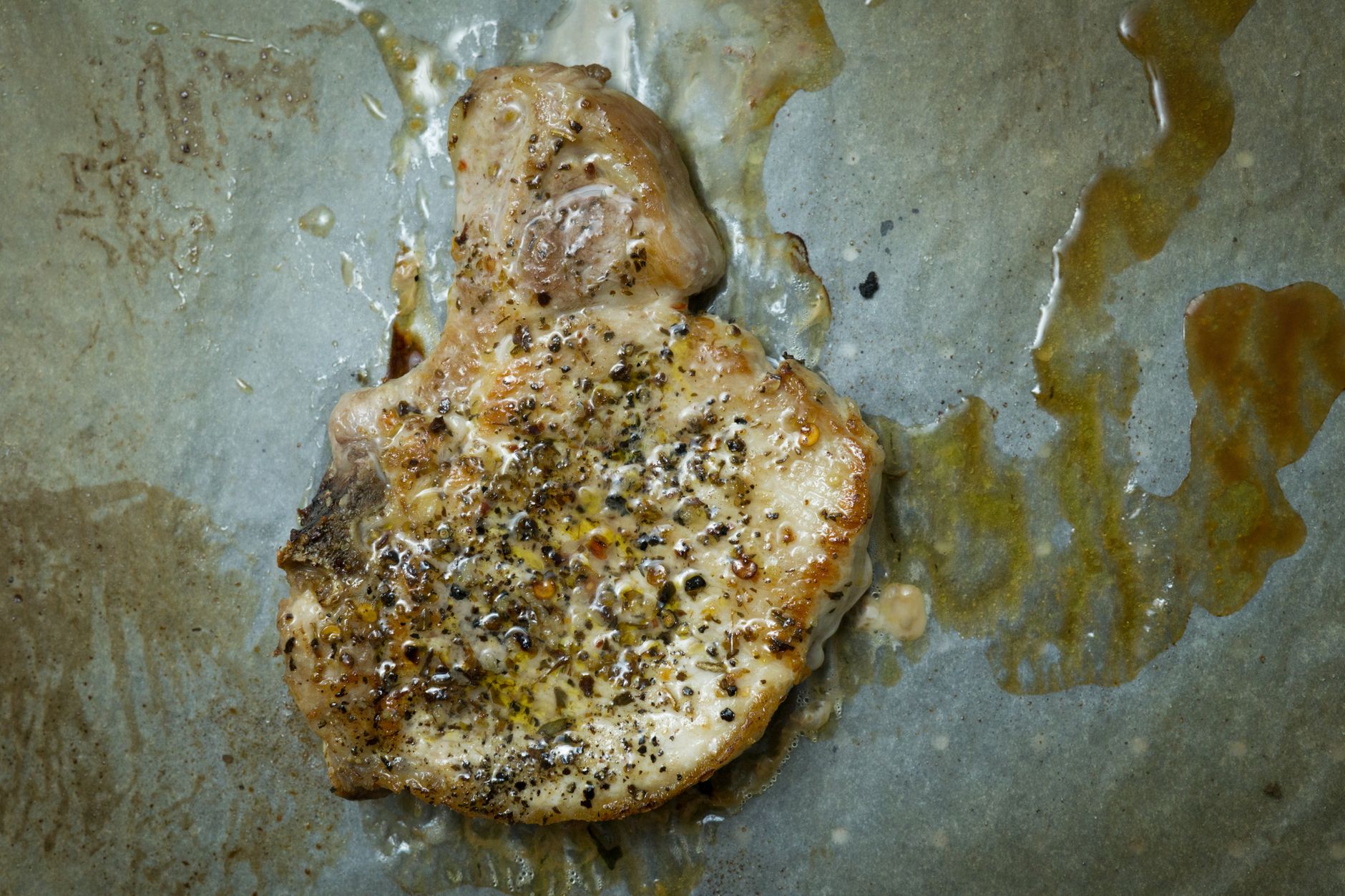
When is the best time to tenderize pork before cooking?
The ideal timing depends on the method. Brining works best started 4 to 12 hours ahead. Dry rubs need 1 to 4 hours of rest. Acidic marinades require only 30 minutes to 2 hours. Mechanical pounding is done right before cooking. Plan your tenderizing step the night before for deep flavor penetration.
Can I tenderize pork without salt?
Yes. Mechanical tenderizing, enzymatic tenderizers, and velveting all work without salt. However, salt enhances flavor and helps retain moisture. For a low-sodium option, use a baking soda velvet or a fruit enzyme paste instead. Check store-bought tenderizers for hidden sodium if you are on a restricted diet.
Does freezing pork tenderize it?
Freezing does not chemically tenderize meat, but ice crystals create small punctures in muscle fibers. This can slightly soften texture upon thawing. For best results, freeze pork after brining or marinating the prior tenderizing step ensures the texture survives the freeze-thaw cycle.
What is the fastest way to tenderize pork?
Velveting with baking soda is the fastest just 15 minutes of rest plus a quick rinse. Alternatively, a meat mallet takes 2 minutes per chop. For immediate results, slice pork across the grain into thin strips; this mechanically shortens muscle fibers and makes chewing easier without any rest time.
Can I over-tenderize pork?
Yes. Acidic marinades left too long turn the surface mushy and opaque. Enzymatic tenderizers left for more than 30 minutes create a mealy texture that feels unpleasant. Over-pounding flattens meat so thin it shreds during cooking. Always follow the recommended time ranges for each method.
Is it safe to tenderize pork with pineapple?
Yes, but only for a short period. Fresh pineapple contains bromelain, which works within 15 to 20 minutes. Extended exposure turns pork into a soft paste. Canned pineapple loses most enzyme activity due to heat processing, so it will not tenderize effectively. Always rinse off the pineapple paste before cooking.
What cut of pork requires the most tenderization?
Pork shoulder, also called pork butt, contains dense connective tissue and collagen. It benefits most from slow cooking, brining, or enzymatic tenderization. Lean cuts like loin and chops need gentler methods brining or light marinating to avoid drying them out. Ribs fall in between and respond well to dry rubs followed by smoking.
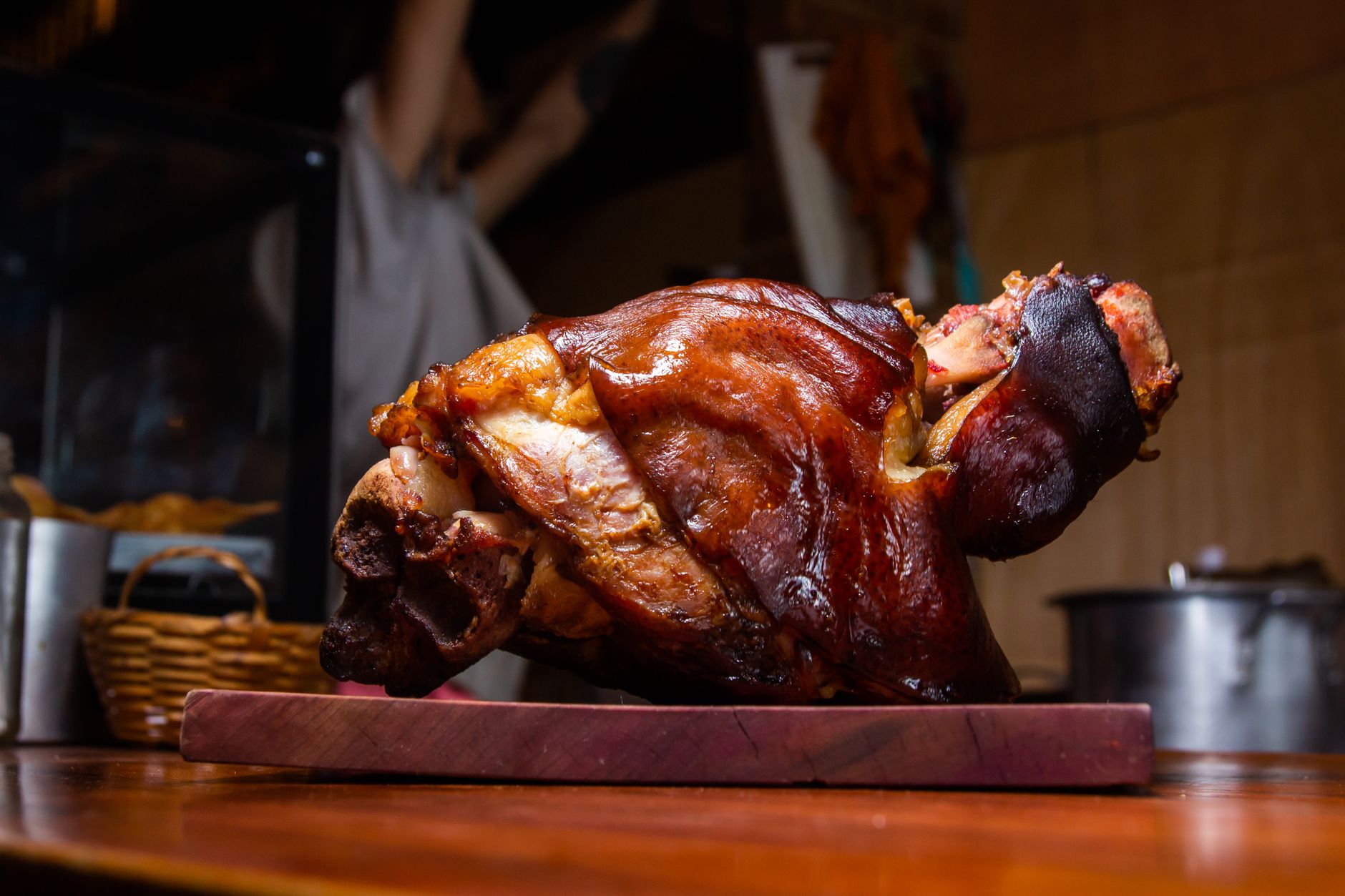
More You Might Like
If you enjoyed this guide, check out our deep dive on best hot dogs learn how to achieve that perfect snap and juiciness in your homemade sausages. For those who love cooking from scratch, our article on choosing a meat grinder covers the essential features that help you grind your own pork for burgers and meatballs.
Understanding how to tenderize pork opens up a world of better cooking results. Whether you choose brining for everyday chops or smoking for weekend feasts, each method gives you control over texture and flavor. Next time you buy pork from a Halal-certified source, check the cut and apply the technique that fits your plan. Try one method this week your dinner plate will thank you. Share your favorite tenderizing trick in the comments below, or ask if a specific cut has you puzzled. Happy cooking.
FAQs
When is the best time to tenderize pork before cooking?
The ideal timing depends on the method. Brining works best 4 to 12 hours ahead. Dry rubs need 1 to 4 hours of rest. Acidic marinades require only 30 minutes to 2 hours. Mechanical pounding is done right before cooking. Plan your tenderizing step the night before for deep flavor penetration.
Can I over-tenderize pork?
Yes. Acidic marinades left too long turn the surface mushy and opaque. Enzymatic tenderizers left for more than 30 minutes create a mealy texture. Over-pounding flattens meat so thin it shreds during cooking. Always follow the recommended time ranges for each method.
What is the fastest way to tenderize pork?
Velveting with baking soda is the fastest at just 15 minutes plus a rinse. Alternatively, a meat mallet takes 2 minutes per chop. For immediate results, slice pork across the grain into thin strips – this mechanically shortens muscle fibers without any rest time.
How long does tenderized pork last in the fridge?
Marinated or brined raw pork keeps for 2 to 3 days in a sealed container in the refrigerator. Cooked tenderized pork lasts 5 to 7 days when stored in an airtight container at or below 40°F (4°C). Freeze uncooked marinated pork for up to 3 months.
Is it safe to tenderize pork with pineapple?
Yes, but only for a short period. Fresh pineapple contains bromelain, which works within 15 to 20 minutes. Extended exposure turns pork into a soft paste. Canned pineapple loses most enzyme activity due to heat processing, so it will not tenderize effectively. Always rinse off the pineapple paste before cooking.