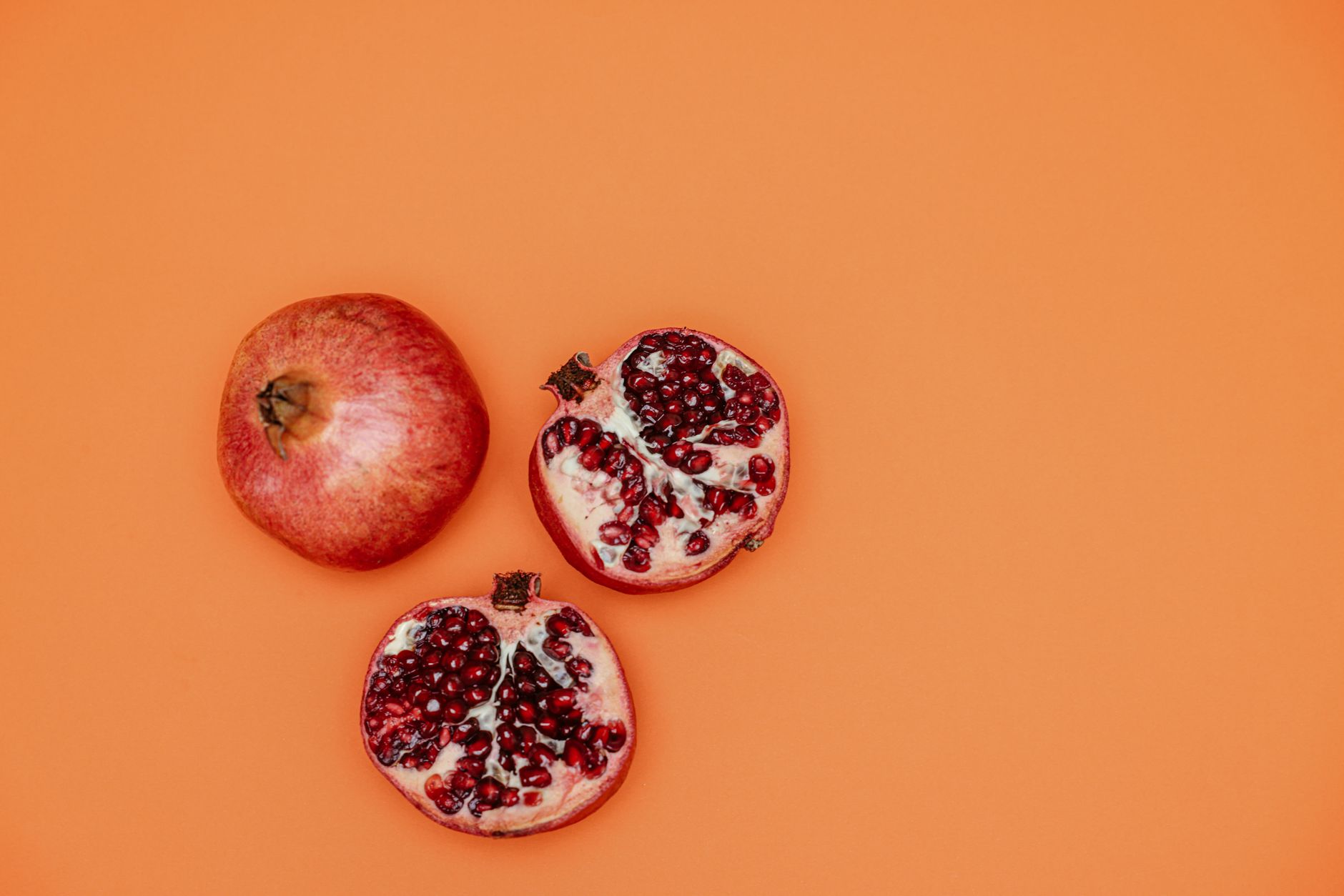
Pomegranates offer a vibrant burst of flavor and nutrients, making them a popular choice for health-conscious food lovers. But what happens when your pomegranate goes bad? Recognizing spoiled pomegranate early is crucial to avoid unpleasant flavors and potential stomach discomfort. From mushy seeds to sour smells, this guide will walk you through the key signs your fruit has spoiledand how to prevent it.
What Happens When Pomegranates Spoil?
How Does Pomegranate Spoilage Occur?
Pomegranates naturally begin to deteriorate after harvest due to oxidation and moisture loss. The juicy seeds inside start losing their antioxidants and sugars, which breakdown gradually, resulting in softer texture and off aromas. Exposure to heat, air, and humidity speeds up this process considerably. Even refrigerationwhile helpfulonly slows spoilage, it does not stop it completely. According to agricultural storage research, pomegranates stored at about 5C (41F) may last a few weeks longer, but will eventually show spoilage signs.
Common Symptoms of Pomegranate Spoilage
- Texture Changes: Soft, mushy, or shriveled seeds fail to offer a satisfying crunch.
- Color Shifts: Fresh seeds gleam bright ruby red. Spoiled ones darken, dull, or turn brownish.
- Off Smell: Spoiled pomegranates give off sour, fermented, or musty odors.
- Mold Presence: Mold or white fuzz may develop on the skin or even on the seeds, signaling rot.
Identifying Spoiled Seeds Versus Skin
Its important to differentiate between the fruits skin and the edible seeds when inspecting freshness. Spoiled seeds usually appear dried out, brownish, or leaking juice, while the skin may have soft spots, cracks, or mold growth.
| Fresh | Spoiled | |
|---|---|---|
| Seeds | Bright red, plump, juicy | Dull, dry, soft, brown or black spots |
| Skin | Firm, smooth, unblemished | Soft spots, cracks, mold, leaking juice |

Spoiled Signs Not to Ignore
What Does a Rotten Pomegranate Smell Like?
The smell of a rotten pomegranate can catch you off guard. It tends to be sour, almost fermented, sometimes with a musty undertone. Before cutting into a pomegranate, smell near the stem or any cracks. If it smells unusual or unpleasant, its safer to discard it. Always wash your hands after handling spoiled fruit to avoid spreading bacteria.
Is It Safe to Eat Slightly Spoiled Pomegranate?
Eating pomegranate with a few slightly off seeds might not always cause harm, but its best to err on the side of caution. Spoiled fruit can carry harmful bacteria or molds leading to digestive unease like nausea or diarrhea. If you notice any mold, off smell, or widespread mushy seeds, toss the whole fruit. Your stomach will thank you. According to food safety experts, minor blemishes can sometimes be trimmed off, but extensive spoilage means the fruit is no longer safe to eat.
How to Keep Pomegranates Fresh Longer
Storing Fresh Pomegranates
Pomegranates do best when stored properly. Whole fruit lasts best in the refrigerator at temperatures around 5C (41F). Keep them in a cool, dry place if you plan to use them within a week, but avoid moisture buildup. Once cut, place seeds in an airtight container and refrigeratethis helps retain their vibrant flavor and texture for 57 days.
Shelf Life Estimates in Different Conditions
| Storage Condition | Shelf Life |
|---|---|
| Room Temperature (2025C) | Up to 7 days |
| Refrigerator (5C) | 34 weeks (whole fruit) |
| Cut Seeds in Airtight Container | 57 days |
| Frozen Seeds | Up to 6 months |

Using Pomegranates Before They Spoil
If you notice your pomegranate is nearing spoilage, there are several ways to make good use of it. Juice the seeds immediately to preserve flavor, or freeze them in a single layer on a baking sheet, then transfer to freezer bags. Frozen seeds can be added to smoothies or desserts later. If the skin shows visible damage, harvest the undamaged seeds promptly to avoid losing the whole fruit.
One friend shared how she forgot a pomegranate in the fridge for weeks. The skin cracked, but the seeds underneath were still mostly freshshe quickly juiced them to save the fruit. Being mindful at harvest or cutting times helps you enjoy every bit.
Handling Accidental Consumption
Symptoms After Eating Bad Pomegranate
Eating spoiled pomegranate can lead to stomach cramps, nausea, or diarrhea within hours. These symptoms are usually mild and short-lived but might require monitoring. If vomiting persists, fever develops, or dehydration occurs, its important to seek medical advice promptly.
Minimizing Effects and Recovery
If you suspect youve eaten spoiled pomegranate, stay hydrated with water or oral rehydration solutions. Stick to a bland dietrice, bananas, toastuntil symptoms ease. Most digestive upset clears within 24 to 48 hours. Consult your healthcare provider if symptoms worsen or dont improve.

Halal Considerations for Pomegranate Products
When buying processed pomegranate products like juices or seeds, check for Halal certification logos such as JAKIM, HMC, or IFANCA. This ensures the products meet Islamic dietary standards without contamination from non-Halal sources.
Choosing certified Halal pomegranates or juices supports not just your health but also faith-based dietary needs. Look for clear labeling on packaging, especially when shopping from international or unfamiliar brands.
Foods high in protein low in fat are often paired well with pomegranate seeds for balanced snacks or meals.When is the best time to eat pomegranate to enjoy its benefits?
The best time to enjoy pomegranate is fresh, shortly after harvesting. Seeds eaten within a week of purchase offer optimal antioxidant levels and flavor. Morning or afternoon snacks are ideal to make the most of its natural sugars and vitamins, providing energy without heaviness.
Can you freeze pomegranate seeds to keep them fresh?
Yes. Freezing pomegranate seeds extends their shelf life up to 6 months. Spread seeds on a tray to freeze individually, then transfer to airtight bags. Frozen seeds retain most nutrients and flavor, perfect for smoothies and desserts.
What are the common causes of pomegranate spoilage at home?
Pomegranate spoilage typically stems from moisture exposure, warm temperatures, and physical damage to the skin. Poor storage practices like leaving fruit at room temperature too long or using non-airtight containers can accelerate spoilage.
Is mold on pomegranate always harmful?
Yes. Mold visible on pomegranate skin or seeds indicates fungal contamination. Eating moldy fruit can cause allergic reactions or digestive upset, so affected fruit should be discarded entirely.
How can you tell if pomegranate juice is spoiled?
Spoiled pomegranate juice often develops a sour or fermented smell, off-taste, and sometimes visible cloudiness or sediment. Always check expiration dates and store juices unopened in the fridge once opened; consume within 57 days.
Are organic pomegranates less likely to spoil?
Organic pomegranates are grown without synthetic pesticides but spoilage depends more on handling and storage than growing method. Proper refrigeration and avoiding skin damage remain the best ways to prevent spoilage regardless of origin.
What are the main signs to avoid when buying pomegranates?
Avoid pomegranates with cracked skin, soft spots, discoloration, or heavy bruising. Check for firmness by gently squeezing; fresh fruit feels heavy and intact. A clean, uniform skin color often signals fresher produce.
Pro Tips to Avoid Spoiled Pomegranates
- Dont Choose Damaged Fruit: Even small cracks allow bacteria in, quickening spoilage.
- Check Weight: Heavier pomegranates tend to have juicier seeds and longer shelf life.
- Keep in Fridge: Store whole pomegranates sealed in produce drawers at 5C for maximum freshness.
- Freeze for Later: If you buy in bulk, freeze extra seeds immediately to avoid waste.
- Expert Tip: Gently tapping the pomegranate will produce a metallic sound if freshduller sounds mean its drying out inside.
More You Might Like
- Learn about foods high in protein low in fat to complement your fresh pomegranate snacks for balanced nutrition.
- Discover the healthiest foods to eat that pair well with fruit-based dishes for wholesome meal ideas.
Wrap-Up
Keeping an eye out for early signs of pomegranate gone bad protects your health and enhances your enjoyment. From off smells and mushy seeds to mold spots, spoiled pomegranates are easy to identify once you know what to look for. With proper carerefrigeration, careful handling, and smart storageyou can savor fresh, vibrant pomegranates regularly. Next time you shop, check your fruit carefully, and dont hesitate to try creative ways to use your pomegranate before it spoils. Share your experiences or questions below!
FAQs
Is pomegranate gone bad actually Halal — what should I check on the label?
Yes, pomegranate itself is Halal as it is a natural fruit. When buying processed pomegranate products, look for Halal certification logos like JAKIM, HMC, or IFANCA on the packaging to ensure the product complies with Islamic dietary laws and is free from contamination.
What is the shelf life of pomegranate after opening or cutting?
Once opened or cut, pomegranate seeds should be stored in an airtight container in the refrigerator and are best consumed within 5 to 7 days. Proper storage helps retain flavor and reduces spoilage risks. Freezing seeds can extend shelf life up to 6 months.
How does pomegranate spoilage differ from other common fruits?
Pomegranate spoilage often shows mushy, dull seeds with sour or fermented smells, unlike fruits that may simply soften or lose color. Its thick skin can hide early spoilage signs, so inspecting seeds closely is important. Mold growth and juice leakage are also key spoilage indicators.
Is it safe to eat pomegranate seeds with minor bruises or slight softness?
Minor blemishes or a few softer seeds might be safe if the rest of the fruit looks and smells fresh. However, avoid eating if there is mold, a sour smell, or widespread mushiness, as spoiled seeds can cause digestive discomfort or allergic reactions.
Where can I buy fresh and Halal-certified pomegranates or juices?
Fresh pomegranates are widely available at supermarkets, farmers markets, and specialty stores. For Halal-certified pomegranate products, check the label at Halal grocery stores or trusted online retailers that specify certification from recognized bodies like JAKIM or IFANCA.