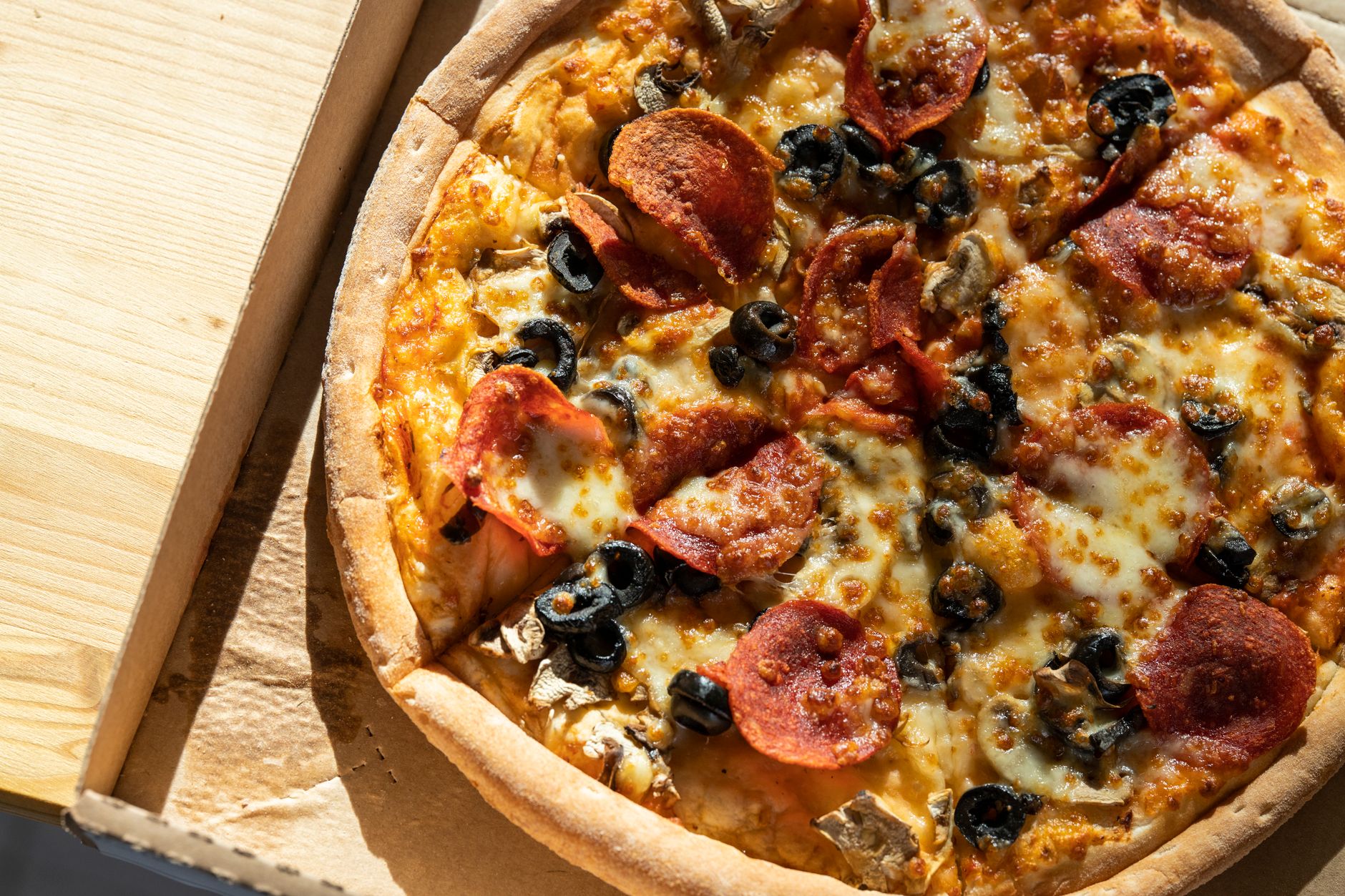
When you think about a crave-worthy pizza, the crust sets the stage. Pizza Hut crust options are known for their variety, but not all choices bring your taste buds to life. At first, the odd sensation was easy to overlook. After a few bites, it became clear: some Pizza Hut crusts fall short in texture and flavor, dragging down the entire experience. If you care about quality and want to avoid disappointment, knowing which crust to chooseor avoidis essential. Lets explore Pizza Hut crust types, what makes one style particularly problematic, and how you can pick the best option next time you order.
Pizza Hut Crust Overview
What Are the Different Pizza Hut Crust Styles?
Pizza Hut offers several crust varieties designed to fit your craving and appetite. Each comes with unique texture, flavor, and thickness:
- Pan Crust: Thick, buttery, and crispy on the outside with a fluffy interior. Developed for a rich mouthfeel and fullness.
- Thin N Crispy: Light and crunchy, this crust offers a more delicate bite with fewer calories compared to thicker options.
- Stuffed Crust: Edges filled with melted cheese for an indulgent, gooey surprise.
- Hand-Tossed: Classic style with a balanced chewiness and moderate thickness.
- Flavored Crusts (Garlic, Parmesan, etc.): Add extra aroma and taste layering to basic variants.
The wide range aims to satisfy diverse preferences. Still, each crust differs in ingredients, baking temperature, and assembly style, which influence their final quality.
How Does Pizza Huts Crust Quality Compare?
Compared to competitors like Dominos and Papa Johns, Pizza Hut often stands out for its pan crust, prized for its buttery crispness. However, some crust options can be inconsistent in freshness and texture. According to reviews and food industry analysis, the Thin N Crispy crust sometimes misses the mark with dryness or overly hard edges after reheating.
Customer feedback frequently praises the Stuffed Crust for richness but notes its higher in calories and sodium. By contrast, the Hand-Tossed crust hits middle ground but can vary by location due to preparation differences.
The ingredient lists behind Pizza Hut crusts generally include enriched wheat flour, yeast, water, salt, and sometimes added fats. Nutrition balances from USDA FoodData Central highlight that crust thickness affects calorie load significantly.
| Crust Type | Characteristics | Average Calories per Slice | Texture | Price Range |
|---|---|---|---|---|
| Pan | Thick, buttery, crispy edge | 320 kcal | Crispy outside, soft inside | Mid-range |
| Thin N Crispy | Light, crunchy, thin | 250 kcal | Crunchy | Mid-range |
| Stuffed | Cheese-filled edge | 380 kcal | Soft with gooey cheese | Higher |
| Hand-Tossed | Medium thickness, chewy | 290 kcal | Chewy and soft | Mid-range |
Identifying The Worst Pizza Hut Crust
Which Pizza Hut Crust Style Falls Short?
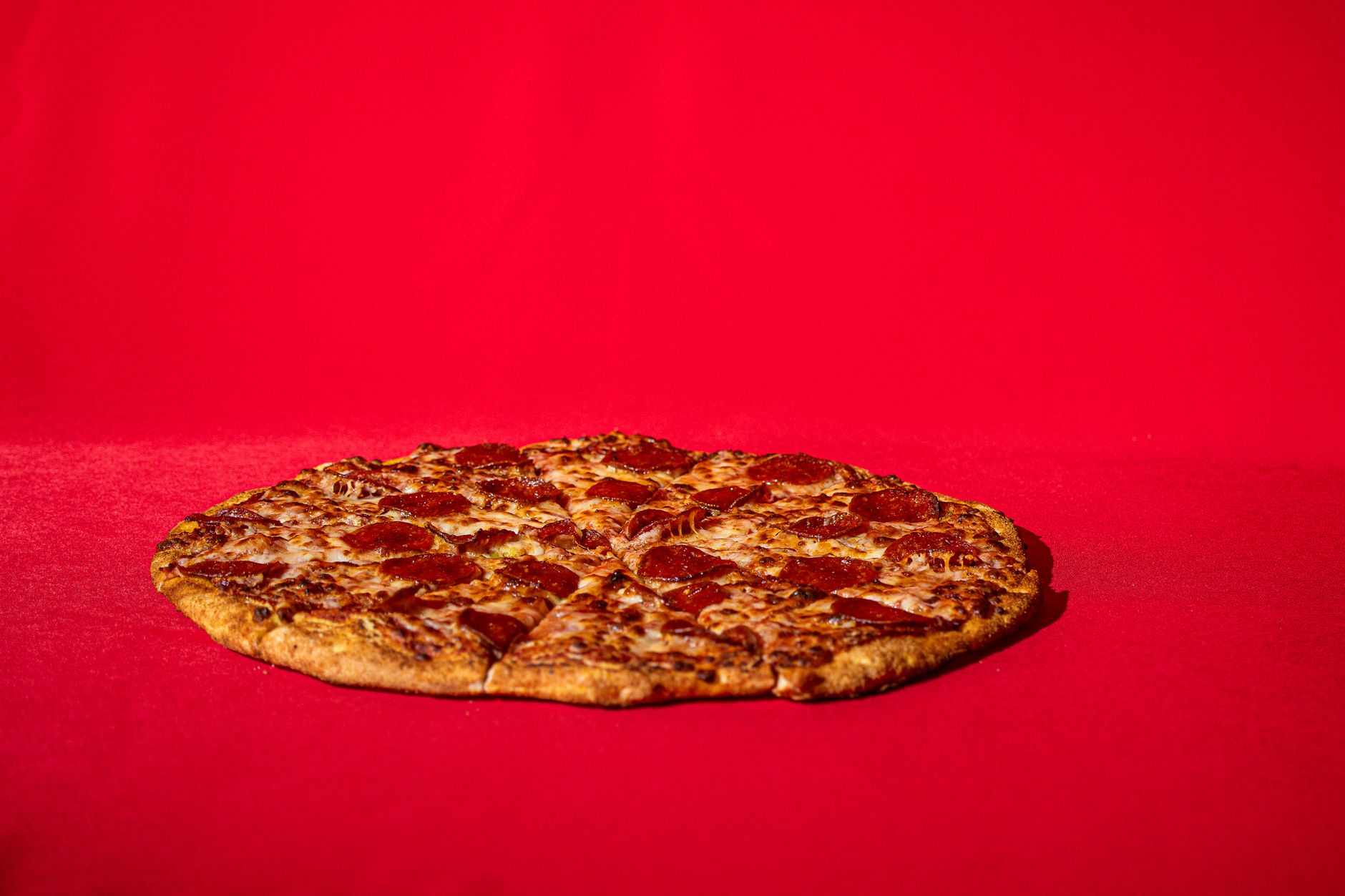
Among the lineup, the Thin N Crispy crust often draws criticism as the worst of the Pizza Hut crust styles. While it promises a light texture, customers frequently find it excessively dry or brittle, especially at certain outlets. The crust tends to lose flavor and quickly becomes hard after brief cooling or reheating, leading to a subpar eating experience. Complaints about a cardboard-like mouthfeel and inconsistent crispiness are common in customer reviews and food forums.
What Makes This Crust The Worst of the Worst?
The Thin N Crispy crusts poor performance roots in a few key factors:
- Sogginess: Contrary to the name, the crust can become soggy quickly under heavy toppings or sauce, losing its intended crunch.
- Flavor Loss: It lacks the buttery or yeasty depth found in Pan crust or Stuffed crust varieties.
- Texture Problems: Overly brittle edges and dry patches give an uneven bite experience.
- Inconsistency: Depending on preparation and store standards, some Thin N Crispy crusts come out acceptable while others fall flat.
Contrast this with Pan crust, which enrobes flavors and toppings in a moist but crisp shell, or Stuffed crust, which delivers satisfying cheese pockets. The Thin N Crispy often leaves pizza lovers reaching for something more hearty.
Real-World Experiences
Jessica, a long-time Pizza Hut customer, shared: The Thin N Crispy crust tastes like biting into dry cardboard after a couple of bites. I tried reheating it once, and it got so tough it was hard to chew.
Chef Omar, a pizza expert, explains, Thin crust pizza calls for very precise baking. Too long, and it dries out. Too short, and the dough stays undercooked and flimsy. Pizza Hut‘s large-scale production sometimes misses this balance.
Why Crust Quality Matters
Why Does Crust Make or Break Pizza?
The crust is the foundation supporting all toppings and sauceif it doesnt deliver structurally or flavor-wise, the entire pizza suffers. The right crust balances chewiness and crispness, providing texture contrast to gooey cheese and savory toppings.
Structurally, poor crust may soak up sauce and become soggy or lose integrity, ending with a limp slice hard to hold. Flavor-wise, a good crust adds a subtle, slightly yeasty or buttery note that complements the topping colors and layers.
Dietary considerations also come into play. Gluten content varies with crust type and preparation, and Halal-conscious buyers should look for crusts made with certified ingredients. According to JAKIM Halal certification standards, verifying dough ingredient sources ensures compliance with dietary laws.
How to Recognize a Good Pizza Crust?
Look for these traits when evaluating crust quality at fast-food chains:
- Texture: Should be firm but flexible, not crumbly or overly hard.
- Flavor: Noticeable yeast or butter undertones enhance taste.
- Appearance: Golden-brown crust with slight blistering or crisp edges.
- Freshness: Avoid stale or dry edges, which signal poor storage or preparation.
Quality indicators do differ by location and time of day, so ordering freshly baked pizzas maximizes crust enjoyment.
Better Pizza Hut Crust Choices
The Best Pizza Crust at Pizza Hut
Among Pizza Huts crusts, the Pan crust wins high praise for most customers. Featuring a buttery, crunchy bottom and soft inside, it delivers full flavor and satisfying bite every time. Fans of indulgence love the Stuffed crust for its melted cheese wrapped in the edge, providing a rich textural contrast. The Hand-Tossed crust strikes a balance for those seeking a traditional feel without excessive thickness.
For health-conscious choices, the Thin N Crispy offers lower calories but remember its quality caveats. Choosing simple crusts with fresh toppings often improves the overall meal.

Healthier or Gluten-Free Options?
Pizza Hut has started offering gluten-free crusts in some locations, catering to dietary restrictions. These crusts usually use alternative flours such as rice or tapioca starch but may not always be certified Halal, so check certification logos like IFANCA or HMC before ordering.
Zoning in on health labels, look for pizza options with whole grain flour or lower sodium toppings. Nutrition info from USDA FoodData Central shows lowering sodium below 420mg per slice improves heart health.
Practical Ordering Tips
- Customize crust toppings: Garlic butter or parmesan blends on Pan crust can amplify flavor.
- Avoid overloading thin crusts with wet or heavy toppings to keep them crisp.
- Pair pizza with side salads or lighter sides to balance the meal.
- Order fresh and consume within 20 minutes for best crust texture.
When wanting to dodge disappointing crusts, leaning into crowd favorites or local specialty toppings helps. For those curious, exploring Factor prepared foods offers convenient alternatives that prioritize quality and health.
Final Thoughts on Pizza Hut Crust
Should You Avoid the Worst Crust Style?
While the Thin N Crispy crust can disappoint, its not a total loss for everyone. Some enjoy a crunchier pizza or want lower calories and find it acceptable. Still, if you value balanced flavor and texture, skipping this crust in favor of Pan or Stuffed crust is wiser. Taste preferences vary, but persistent sogginess and brittleness make Thin N Crispy a tough sell compared to better choices.
How This Review Can Help Your Order
Knowing which Pizza Hut crust to pick empowers you to savor your pizza fully. Skip the worst of the worst, and opt for crusts with richer flavor and better structure. When you know what to expect, your next pizza night turns into a true treat. Have a favorite crust or a story? Sharing your thoughts keeps the pizza community informed and guided.
Is Pizza Hut crust actually Halal what should I check?
Pizza Hut generally sources ingredients that comply with Halal standards in regions with significant Muslim populations. However, certification varies by location. Look for prominent Halal certification logos such as JAKIM in Malaysia, HMC in the UK, or IFANCA in the US on packaging or store signage. Confirming these logos guarantees compliance with Islamic dietary laws. Always inquire about dough preparation methods and toppings to avoid cross-contamination.
When is the best time to eat Pizza Hut crust?
The crust tastes best fresh out of the oven, ideally within 1520 minutes. Eating quickly preserves crispness and optimal texture. Leftover slices can be reheated on medium heat for 34 minutes in an oven or air fryer to revive some crunch, though thin crusts may become tougher.
Does Pizza Hut crust contain common allergens?
Most Pizza Hut crusts contain wheat (gluten), and some have dairy or eggs, especially in Stuffed crust. Cross-contamination with nuts or soy is possible. Always check the allergen statement for your locations menu and inform staff about allergies when ordering.
How can I improve the flavor of Pizza Hut crust at home?
Brush the crust edges lightly with olive oil or garlic butter after reheating. Adding a sprinkle of parmesan or fresh herbs enhances aroma and richness. Keeping pizza warm and crisp makes a big difference in enjoyment.
Can Pizza Hut crust be part of a healthy diet?
Yes, with moderation. Thin N Crispy crust reduces calories, while Pan and Stuffed crusts are richer. Pairing with balanced toppingsvegetables and lean proteinssupports nutrition goals. Watching portion sizes and sodium intake, which can be 400+ mg per slice, is also key.
Is homemade pizza crust healthier than Pizza Hut crust?
Homemade crust lets you control ingredients, flour type, fats, and salt content, often yielding a cleaner label. It fits health-conscious goals better but requires time and skill. Pizza Hut crust provides convenience and consistency but may include preservatives or additives. Choosing between them depends on lifestyle.
What does high-quality pizza crust feel like?
A superior crust is slightly crisp on the outside with a tender, airy crumb inside. It has a fresh, bready aroma and balances chewiness with lightness. Biting should reveal subtle flavors but not dryness or excessive greasiness.
Why do some Pizza Hut crusts get soggy?
Sogginess happens when moisture from sauce or toppings seeps into the dough faster than it bakes or dries out. Thin crusts and Pan crusts that are underbaked or heavy with sauce are more prone. Eating pizza promptly minimizes this issue.
Buying Tips for Pizza Crust Quality
Most overlook freshness as the top buying mistake. Ordering pizzas made to order and avoiding peak busy times boosts crust quality. Cheap versions or discounts often mean pizzas came from earlier batches and lose texture.
Expert tip: When ordering, request lighter sauce or cheese on Thin N Crispy crusts to reduce sogginess, or add extra garlic butter to Pan crusts for richness.
More You Might Like
Explore the savory allure of a Double quarter pounder for a hearty meal complement. Discover the convenience and quality behind Factor prepared foods as healthy dining alternatives.
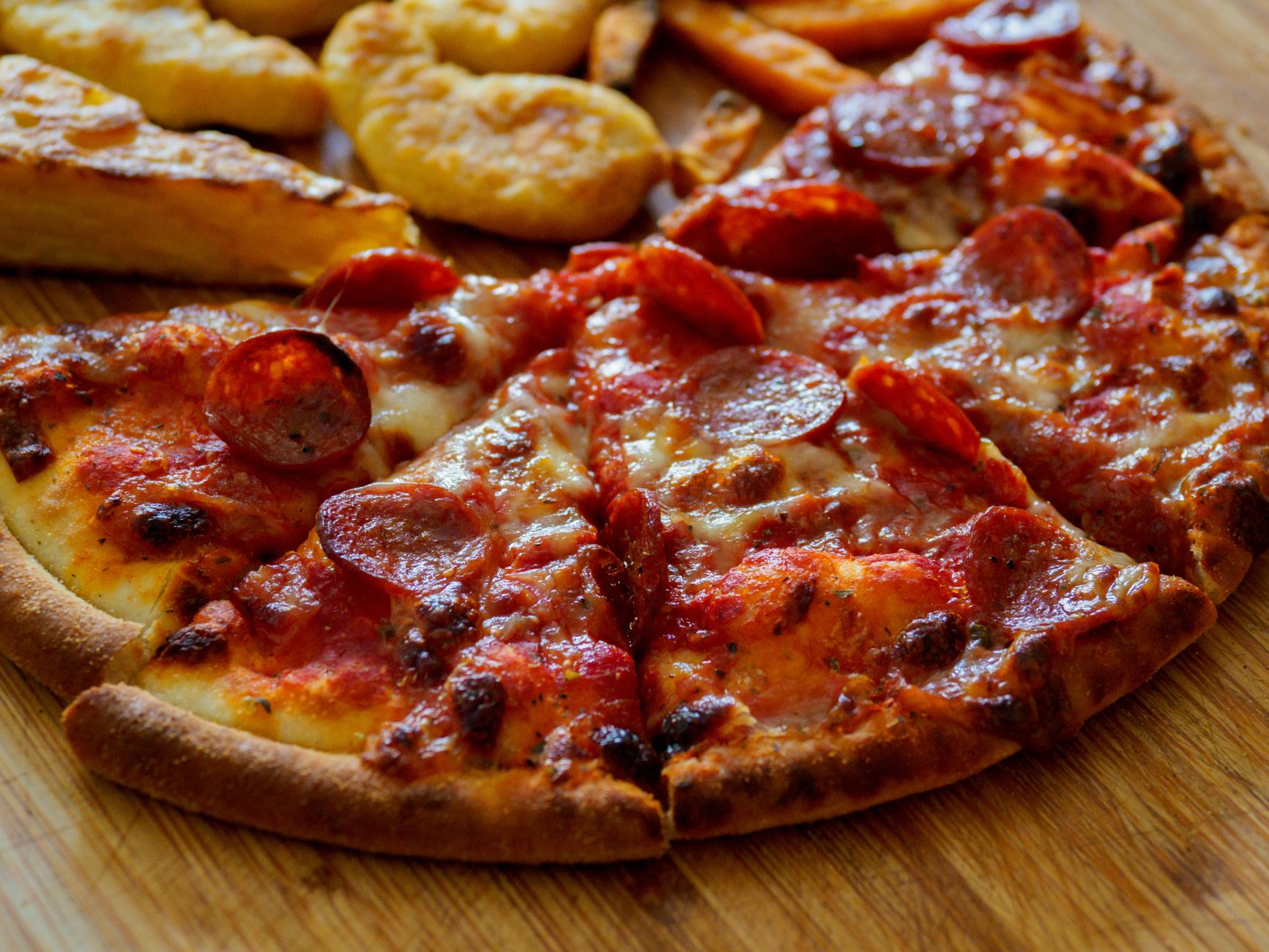
Pizza Hut Crust Buying Checklist
| Certification | Price Range | Common Formats | Shelf Life | Key Allergens |
|---|---|---|---|---|
| Look for Halal logos: JAKIM, HMC, IFANCA | $8$20 per pizza | Pan, Thin N Crispy, Stuffed, Hand-Tossed | Best eaten fresh; refrigerated leftovers keep 12 days | Wheat (gluten), dairy (in Stuffed), possible egg traces |
Conclusion
The Pizza Hut crust you choose impacts your pizza experience more than you might expect. While some styles deliver rich, satisfying bites, the Thin N Crispy crust often falls short with dryness and inconsistent quality. Next time you order, check for crust freshness, look for certified Halal labels, and consider Pan or Stuffed crusts for flavor and texture youll love. Your perfect slice is a crust awaywhy settle for less?
FAQs
Is Pizza Hut crust actually Halal — what should I check on the label?
Pizza Hut ingredients generally comply with Halal standards in Muslim-majority areas, but certification varies by location. Look for Halal logos like JAKIM, HMC, or IFANCA on packaging or store signs. Always ask about dough preparation and toppings to ensure no cross-contamination with non-Halal items.
What is the shelf life of Pizza Hut crust after opening?
Pizza Hut crusts are best eaten fresh. Leftover pizza can be refrigerated and typically remains good for up to 12 days, but quality and texture degrade over time, especially with Thin N Crispy crusts which harden quickly.
How does Pizza Hut crust compare to other popular pizza crusts?
Pizza Hut’s Pan crust is known for buttery crispness and softness inside, often favored over competitors. In contrast, their Thin N Crispy crust can be drier and brittle, unlike competitors like Domino’s which tend to have more consistent thin crusts.
Is it safe to eat Pizza Hut crust daily regarding calories and allergens?
Moderate consumption is safe, but crusts vary in calories and allergens. Pan and Stuffed crusts have higher calories and may contain dairy or eggs. Always check allergen info and portion sizes to maintain a balanced diet.
Where can I buy Pizza Hut crusts or pizzas with specific crust options?
Pizza Hut crust options are available at official Pizza Hut restaurants and delivery services. Some locations offer gluten-free crusts and flavored crusts. Confirm availability locally, especially for Halal-certified or specialty crusts.