If you've ever stood in the produce aisle wondering how many bananas to toss into your bag, you're not alone. The question of bananas per pound might seem small, but getting it right saves you from waste, overpaying, or ruining a recipe. The quick answer: one pound of bananas typically holds about three medium-sized bananas. But the exact number shifts depending on size, ripeness, and variety. This guide breaks down everything you need to know so you can shop smarter, cook accurately, and eat better.
Understanding Bananas Per Pound: What Affects the Number?
What Is the Average Weight of One Banana?
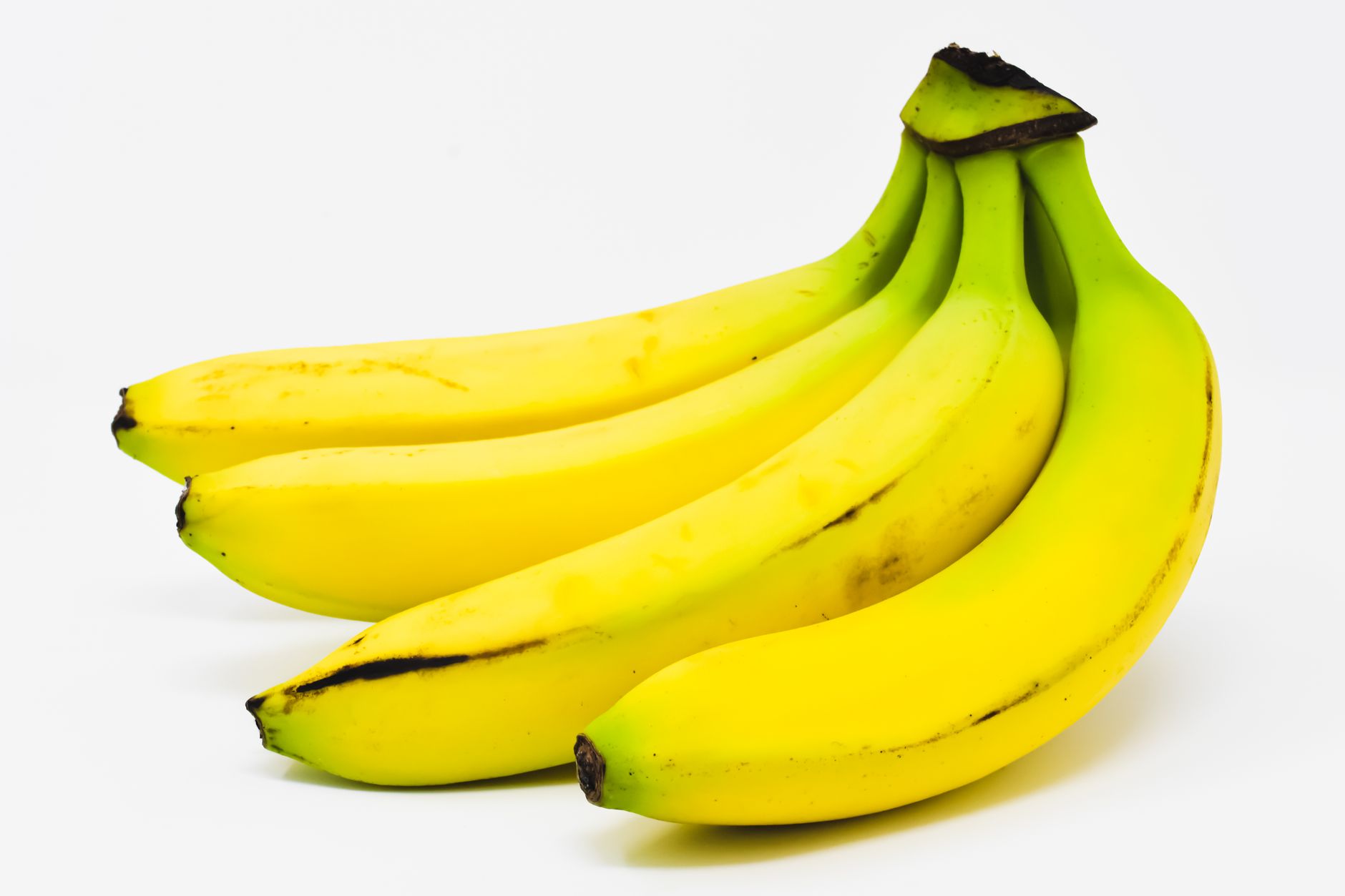
Bananas come in three main size categories: small, medium, and large. A small banana (under 6 inches) weighs around 2.5 ounces (70 g). A medium banana (78 inches) weighs about 4 ounces (113 g). A large banana (9 inches or longer) can reach 56 ounces (140170 g). These figures come from the USDA FoodData Central database, which tracks standard fruit weights for nutritional research.
Ripeness also plays a role. A very ripe banana loses some water as it ages, so the same fruit can weigh slightly less than when it was green. However, the difference is usually less than 0.5 ounce per banana, so it barely affects your perpound count.
How Many Bananas Make Up One Pound?
Using the average weights above, here is what you can expect per pound:
- Small bananas: 56 bananas per pound
- Medium bananas: 34 bananas per pound
- Large bananas: 23 bananas per pound
These counts assume whole, unpeeled fruit. Peeled bananas weigh roughly 30% less, so if your recipe calls for peeled weight, adjust accordingly.
Banana Weight Chart
| Banana Size | Typical Length | Average Weight (unpeeled) | Number Per Pound |
|---|---|---|---|
| Small | Under 6 inches | 2.5 oz (70 g) | 56 |
| Medium | 78 inches | 4 oz (113 g) | 34 |
| Large | 9+ inches | 56 oz (140170 g) | 23 |
Why Knowing Bananas Per Pound Matters
Portion Control and Healthy Eating
A single medium banana provides about 105 calories, 27 g of carbs, and 3 g of fiber, according to USDA data. When you know you're getting roughly three bananas per pound, you can easily estimate your calorie and sugar intake for the bunch. This is especially useful if you're following a lowcarb or balanced diet. Many nutritionists recommend limiting fruit to 23 servings a day, and a whole pound of bananas (about 315 calories) fits nicely into that range without overdoing it.
Cooking and Recipe Accuracy
Banana bread, smoothies, and baby food recipes often list 1 cup mashed banana or 2 medium bananas. If you grab large bananas, you might add too much moisture, throwing off the texture. Conversely, using small bananas leaves your baked goods dry. By weighing your bananas or using the perpound estimate, you get consistent results every time. For example, one cup of mashed banana requires roughly 2.5 medium bananas (about 10 ounces unpeeled).
Grocery Shopping and Budgeting
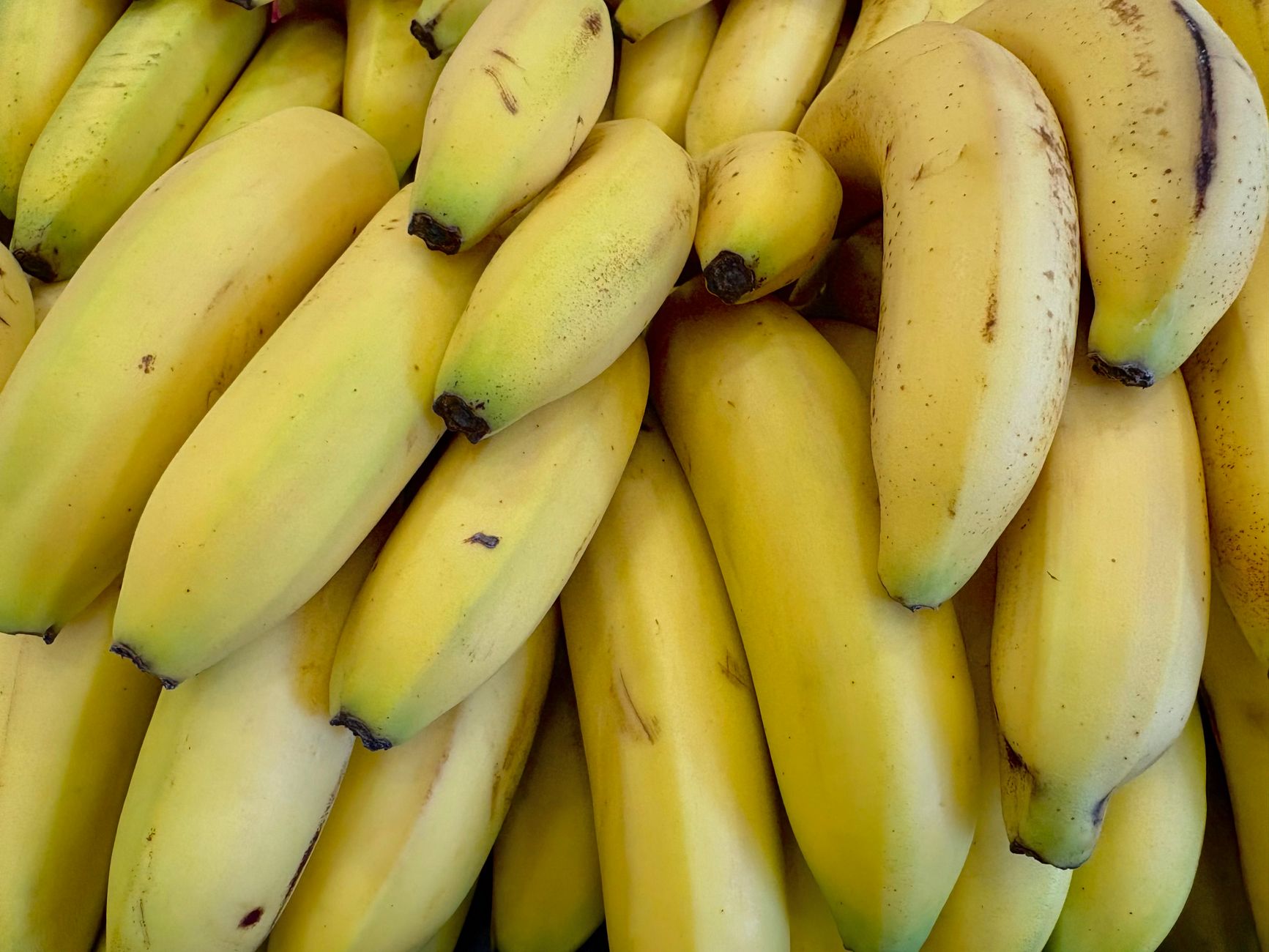
Bananas are sold by the pound, so knowing the count helps you buy the right amount without leftovers rotting on the counter. If you need exactly six medium bananas for a week of oatmeal toppings, grab about 1.5 pounds. Also, watch out for bargain bunches that look big but contain mostly small fruit you might get fewer edible ounces than expected. A common mistake is assuming all bananas weigh the same. Next time you shop, check the weight on the scale and count the pieces to see how many you actually get per pound.
Bananas Nutritional Info: What You Get in One Pound
Calories, Carbs, Fiber, and Sugar in Bananas Per Pound
One pound of medium bananas (about 3 whole fruits, unpeeled) delivers roughly:
- Calories: 315350
- Carbohydrates: 8190 g
- Sugar: 4248 g (natural fructose and glucose)
- Fiber: 912 g
- Potassium: 1,2001,350 mg
These numbers change slightly with ripeness yellower bananas have more sugar and less starch. Compared to other fruits, a pound of bananas provides more carbs than a pound of apples (about 60 g carbs) but less than a pound of grapes (about 100 g carbs). If you're looking for protein, bananas aren't a star only about 4 g per pound. For a broader list of plantbased protein sources, check out our guide on Vegetarian foods high in protein.
Health Benefits and Potential Risks of Eating Too Many Bananas
Bananas are rich in potassium, vitamin B6, and vitamin C. Eating a pound a day can help maintain blood pressure and muscle function. However, consuming excessive bananas (several pounds daily) may lead to potassium overload or hyperkalemia, especially for people with kidney disease. The body handles moderate amounts well, but stick to one to two bananas per day for most adults. Balance is key enjoy bananas as part of a diet that also includes other fruits, vegetables, and protein sources.
What Is the Best Way to Store Bananas?
Kept at room temperature, whole bananas stay fresh for 24 days, depending on ripeness. To slow ripening, store them in a cool, dark spot never in the fridge before they are fully yellow. Once ripe, you can refrigerate for up to 5 days (the peel will darken, but the fruit inside stays firm). Peeled, sliced bananas last 34 days in a sealed container inside the fridge. For longterm storage, freeze peeled bananas in a ziptop bag for up to 6 months. Use frozen slices directly in smoothies or thaw for baking.
Are frozen or dried bananas weighed the same way?
No. Frozen bananas retain about the same weight as fresh because they hold water, but dried banana chips or dehydrated slices lose 7080% of their water weight. One pound of fresh bananas yields only about 45 ounces of dried chips. Always check the label for net weight if you're substituting dried for fresh in recipes.
Can the ripeness of a banana affect its weight?
Yes, but the difference is small usually less than 0.5 ounce per banana. Green bananas contain more water, so they weigh slightly more than fully ripe ones. For most cooking purposes, the change is negligible. If precision matters, weigh your bananas after peeling.
Is banana produce inherently Halal, and what should I check?
Fresh whole bananas are naturally Halal they require no certification. However, processed banana products such as dried chips, banana syrup, or bananaflavored snacks may contain nonHalal additives. Always look for a recognized Halal logo from bodies like JAKIM (Malaysia), HMC (UK), or IFANCA (USA) on packaged banana goods.
How many bananas should I eat per day for weight loss?
One medium banana (about 105 calories) can fit into most weightloss plans. A full pound (three bananas) provides around 315 calories, which is fine as a snack or part of a meal. Just watch your total daily calorie intake and balance with protein and fiber from other foods.
Do different banana varieties (Cavendish vs. red bananas) weigh differently?
Yes. Common Cavendish bananas match the sizes described above. Red bananas are slightly shorter and plumper a medium red banana weighs about 4.5 ounces, giving you around 34 per pound. Plantains are much larger and denser; one pound usually equals one large plantain.
Can I use banana peels for anything?
Banana peels are edible when cooked thoroughly. They contain fiber, potassium, and antioxidants. Some people boil them to make tea, blend into smoothies, or use as a meat tenderizer in curries. For Halal cooking, ensure the peel is washed well and free from pesticides.
What is the most overlooked mistake when buying bananas by weight?
Mistaking bunch size for edible weight. A bunch that looks small because the bananas are short may actually contain 56 fruit (over 1 pound), while a bunch of three large bananas may be under a pound. Always read the scale price per pound and count the pieces don't rely on visual guesswork.

More You Might Like
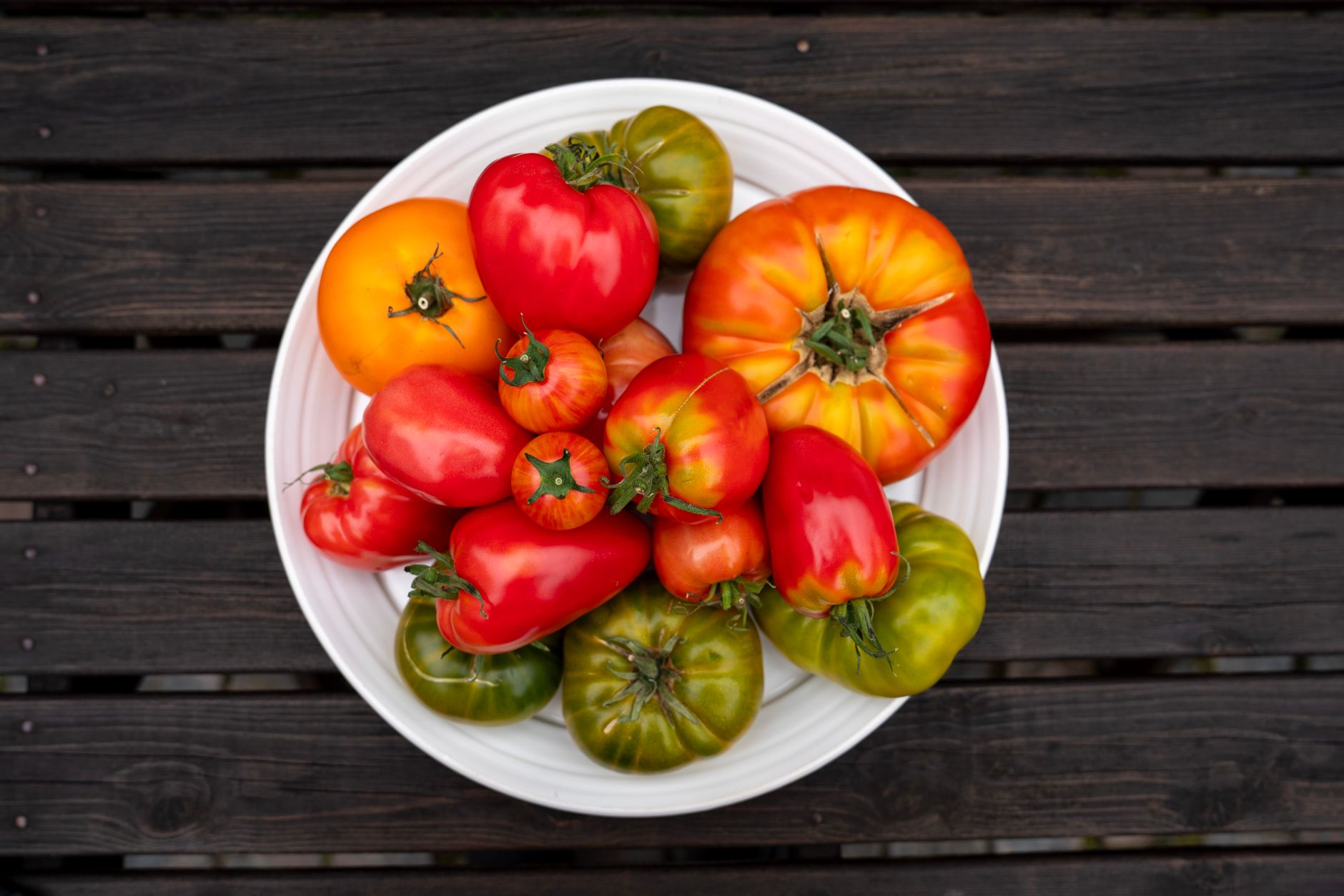
- Growing your own produce: If you love fresh fruit, try planting your own. Our guide on how to Grow tomatoes offers simple steps for a home garden perfect alongside banana plants in warm climates.
- Banana-based recipes: For a creamy breakfast treat, mash one medium banana with yogurt and oats. Add a pinch of cinnamon and bake at 350F for 20 minutes for an easy Halalfriendly snack.
- Understanding fruit weights for meal prep: Use the banana chart in this article as a template for other fruits apples and oranges also vary in count per pound based on size.
Conclusion
Knowing how many bananas you get per pound is more than a trivia fact it helps you plan meals, control calories, and avoid waste. Whether you need three medium bananas for your morning smoothie or five small ones for a fruit salad, the numbers in this guide have you covered. Next time you're at the market, weigh your bunch and count the pieces. Share your experience or ask a question in the comments we'd love to hear how you use bananas in your kitchen.
FAQs
Is bananas per pound actually Halal — what should I check on the label?
Fresh whole bananas are naturally Halal and require no certification. However, processed banana products like dried chips, syrup, or flavored snacks may contain non‑Halal additives. Always look for a recognized Halal logo from bodies such as JAKIM, HMC, or IFANCA on packaged banana goods.
How long do peeled bananas last in the fridge?
Peeled, sliced bananas last 3–4 days in a sealed container inside the fridge. To slow browning, sprinkle with lemon juice. For longer storage, freeze peeled bananas in a zip‑top bag for up to 6 months – use directly in smoothies or thaw for baking.
How do plantains compare to bananas per pound?
Plantains are much larger and denser than common Cavendish bananas. One pound typically equals one large plantain, whereas a pound of Cavendish bananas holds about three medium fruits. Plantains also have a starchier texture and are usually cooked before eating.
How many bananas should I eat per day for safe consumption?
For most adults, one to two medium bananas per day is safe and provides useful potassium and fiber. Eating a full pound (about three bananas) is fine occasionally, but excessive daily intake may lead to potassium overload, especially for those with kidney conditions.
Where can I buy bananas to get the best value per pound?
Grocery stores and supermarkets sell bananas by weight, with prices often lowest for loose yellow bananas. Check the scale and count the pieces – a visually large bunch may contain small fruit that gives you fewer edible ounces. Farmers markets sometimes offer bunches at a flat rate; compare per‑pound cost.