Picture this: you are prepping a bowl of fresh strawberries for your child‘s lunch. A large chef knife feels clumsy, even dangerous, for removing that tiny green cap. You reach for a smaller blade instead. That moment is exactly where paring knife use transforms your kitchen rhythm. This slim, agile tool is designed for the jobs big knives do poorly. Peeling apples, deveining shrimp, scoring bread dough, or slicing a single garlic clove into paper-thin rounds all become effortless. Many home cooks overlook this knife, reaching for their chef knife out of habit. That is a mistake. Understanding what this tool can do saves you time, reduces waste, and keeps your fingers safer. Let us walk through everything you need to know about choosing, using, and caring for a paring knife in your everyday kitchen.
What Is a Paring Knife and Why Does Paring Knife Use Matter
A paring knife is a small, lightweight blade, typically three to four inches long. Its narrow shape allows maximum control for detailed cutting tasks. Unlike a chef knife, which relies on weight and rock-chopping motion, a paring knife works with your fingertips. You hold it close to the blade, guiding each cut with precision. That is why paring knife use matters so much in Halal and health-conscious kitchens. When you prepare fresh vegetables, fruits, and meats, you want clean cuts that preserve texture and appearance. A dull or oversized blade bruises produce. A sharp paring knife glides through skins and membranes without crushing the flesh underneath.
What Makes a Paring Knife Different from Other Kitchen Knives
Paring knife use demands a blade that is narrow, pointed, and extremely sharp. The edge profile is usually straight or slightly curved, allowing both push cuts and rocking motions on small items. The handle is slim, letting you grip it like a pencil or a pinch grip depending on the task. Most paring knives weigh under two ounces, so your wrist does not fatigue during long prep sessions. Chef knives, by contrast, are heavier and longer, designed for chopping through large vegetables and meat cuts. Utility knives fall in between but still lack the needle-like tip that makes a paring knife ideal for intricate work like removing potato eyes or coring tomatoes.
Chef vs Paring Knife: When and Why to Use Each
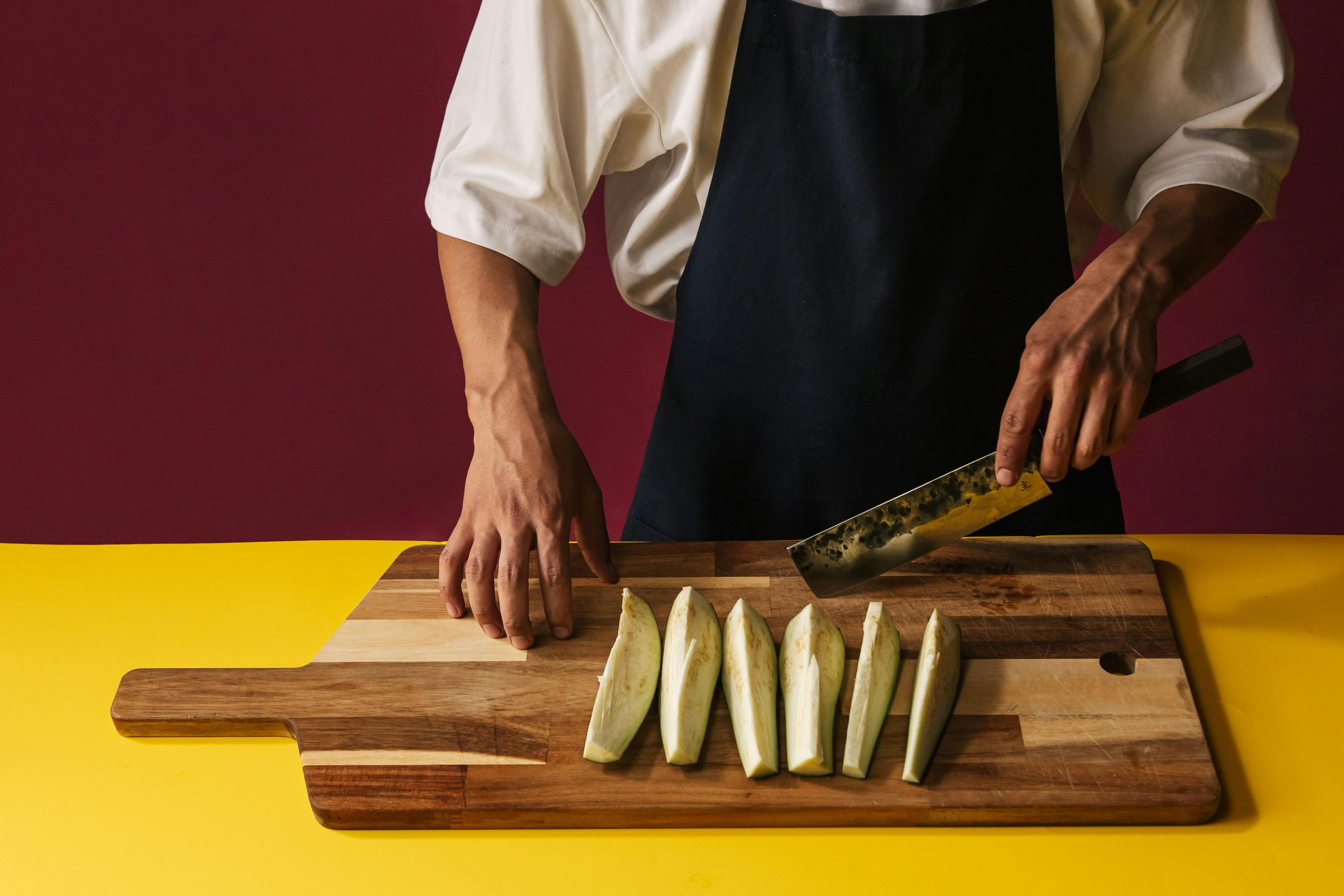
Think of your chef knife as a sledgehammer and your paring knife as a scalpel. Both are essential, but they serve different roles. Use your chef knife for chopping onions, slicing bell peppers, breaking down a whole chicken, or mincing herbs. Use your paring knife for peeling apples, removing shrimp veins, cutting small decorative garnishes, and trimming fat from chicken breasts. The table below summarizes the key differences.
| Feature | Chef Knife | Paring Knife |
|---|---|---|
| Blade length | 6 to 10 inches | 3 to 4 inches |
| Best for | Chopping, slicing large produce | Peeling, trimming, detail work |
| Grip style | Handle grip or pinch grip | Pencil grip or pinch grip |
| Cutting motion | Rock chop or push cut | Draw cut or tip cut |
| Weight | 6 to 10 ounces | 1 to 2 ounces |
Practical Uses for Paring Knife Use in Everyday Cooking
You do not need to be a professional chef to benefit from regular paring knife use. In a typical week, you might peel three oranges, core four apples, trim green beans, and slice cheese for sandwiches. Each of these tasks becomes faster and safer with the right blade. The pointed tip lets you start a peel precisely at the stem end. The short blade follows the curve of round fruits without cutting too deep. For Halal cooking, where meat presentation matters, a paring knife helps you remove silver skin from lamb or trim chicken breasts into uniform portions for even cooking.
What Is the Best Paring Knife for Your Kitchen
The best paring knife depends on your hand size, grip preference, and budget. Look for a blade made from high-carbon stainless steel. It holds an edge longer and resists rust better than plain stainless steel. The handle should feel secure in your hand, even when wet. Materials like polypropylene or textured rubber offer good traction. Avoid handles that are too thick or slippery. A full tang construction, where the blade metal runs through the handle, adds balance and durability. For beginners, a three-inch blade is easier to control. More experienced cooks often prefer a four-inch blade for slightly larger tasks. Check for certification logos from trusted bodies like JAKIM or IFANCA if the knife brand claims Halal compliance in materials or manufacturing. Some knives use animal-derived components in handles or sheaths, so reading the label ensures alignment with your values.
If you are trying to stretch your grocery budget, a good paring knife helps you waste less food. When you can peel and trim with precision, you keep more of the edible portion. That matters when you start noticing why are groceries so expensive and want every dollar to count. Reducing food waste through better knife skills is a small change with a real impact on your weekly spending.
How to Use a Paring Knife Safely and Effectively
Hold the knife with a pinch grip. Place your thumb and index finger on the blade above the handle, with your remaining fingers wrapped around the handle. This gives you maximum control. For peeling, hold the fruit or vegetable in your other hand and draw the blade away from your body. Use short, smooth strokes. For slicing small items like strawberries or mushrooms, place the item on a cutting board and use a gentle push cut. Never cut toward your fingers. Keep the blade sharp. A dull paring knife requires more pressure and is more likely to slip. According to knife safety guidelines from the USDA Food Safety and Inspection Service, a sharp blade actually reduces injury risk because it cuts cleanly without sudden force.

Benefits and Risks of Paring Knife Use: A Balanced Look
The benefits of consistent paring knife use are clear. You gain precision, speed, and less food waste. You also reduce hand fatigue because the knife is light. The risks are real but manageable. A sharp blade can cause deep cuts if misused. A dull blade forces you to press harder, increasing slip risk. The small size also makes it easy to leave the knife hidden under a towel or in a sink, where someone might grab it blindly. Always wash and store your paring knife immediately after use. Never soak it in soapy water where it becomes invisible. These simple habits keep your kitchen safe.
For those who want to improve their overall cooking efficiency, pairing good knife skills with better stove management helps. Knowing how to use a gas stovetop burner effectively means you can prep ingredients quickly with your paring knife while controlling heat precisely. The two skills together streamline your entire cooking process.
How to Maintain and Care for Your Paring Knife
Hand wash your paring knife with warm water and mild soap. Dry it immediately with a soft cloth. Dishwashers dull the blade and can damage the handle material. Hone the edge with a ceramic or steel rod every two to three uses. This realigns the blade edge without removing metal. Sharpen the knife fully every two to three months, depending on how often you cook. Use a whetstone with 1000-grit and 4000-grit sides, or take it to a professional sharpener. A well-maintained paring knife lasts ten years or longer. Replace it when the blade becomes chipped, bent, or too thin from repeated sharpening.
How to Store Your Paring Knife Correctly
Store your paring knife in a knife block, on a magnetic strip, or inside a blade guard. Never toss it loose into a drawer. Loose storage dulls the edge and creates a hazard when you reach in blindly. A knife block keeps the blade separated and visible. A magnetic strip mounted on the wall saves counter space and lets the knife air dry completely. If you use a blade guard, make sure it fits snugly and is made of rigid plastic or leather. Stored correctly, your paring knife stays sharp and ready for 5 to 7 days of regular use before needing a hone.
What to Look for When Buying a Paring Knife
Choosing a paring knife involves more than just grabbing the cheapest option. The blade material, handle construction, and ergonomics all affect performance. A poor-quality knife frustrates you and increases risk. Invest in a reliable tool from a reputable brand. Look for a blade hardness rating of 58 to 60 on the Rockwell scale. Softer blades dull quickly. Harder blades hold an edge but can be brittle. The handle should fit your hand without slipping. If possible, hold the knife before buying. The balance point should feel comfortable, neither blade-heavy nor handle-heavy.
Reading the Label: Materials and Certifications
When you read the product label, check the blade steel type first. High-carbon stainless steel is the best choice for home cooks. Avoid blades labeled only as "stainless steel" without carbon content, as they tend to dull faster. Check the handle material. Polypropylene, ABS plastic, and G-10 composite are durable and non-slip. For Halal-conscious buyers, verify that no animal-derived glues or bone handles are used. Some knife brands display certifications from IFANCA or HMC on their packaging. If the label does not mention certification, contact the manufacturer directly. A simple email asking about material sourcing takes five minutes and gives you peace of mind.

Pro Tips for Choosing Your Paring Knife
The most overlooked mistake when buying a paring knife is choosing one with a handle that is too thick. A thick handle forces your hand into an awkward grip, reducing control and causing fatigue. Cheap versions often disappoint because the blade steel is soft and the handle feels plasticky. One expert tip from professional chefs is to buy two paring knives: a straight-edge blade for peeling and slicing, and a serrated-edge blade for tomatoes and citrus. The serrated version cuts through soft skins without crushing them. Keep both sharp and you will never reach for a bread knife just to slice a tomato again.
When should you replace your paring knife?
Replace your paring knife when you notice visible chips along the blade edge, a bent tip, or rust spots that cannot be removed. If the blade feels loose in the handle, replace it immediately. A loose blade is dangerous. With proper care, a quality paring knife lasts 8 to 12 years. If you sharpen it more than once every two months and still cannot get a clean cut, the blade has reached the end of its useful life.
Can you sharpen a paring knife at home?
Yes, you can sharpen a paring knife at home with a whetstone or a handheld sharpener. A whetstone gives the best results. Start with the 1000-grit side, holding the blade at a 15 to 20 degree angle. Push the blade across the stone as if slicing a thin layer off the surface. Repeat 8 to 10 strokes per side, then switch to the 4000-grit side for polishing. A pull-through sharpener is faster but removes more metal over time.
What size paring knife is best for beginners?
A 3-inch blade is best for beginners. It gives you maximum control and reduces the risk of cutting yourself. The shorter blade also fits comfortably in a smaller hand. Once you feel confident with basic peeling and slicing, you can move to a 3.5-inch or 4-inch blade for slightly larger tasks. Many professional chefs own both sizes and choose based on the specific fruit or vegetable they are preparing.
Is a paring knife necessary if you have a chef knife?
Yes, a paring knife is necessary even if you own a high-quality chef knife. The chef knife cannot match the precision of a paring knife for small tasks. Peeling an apple, coring a strawberry, or deveining shrimp with a chef knife is awkward and risky. A paring knife handles these tasks in seconds with full control. Think of it as a complementary tool, not a replacement.
How do you hold a paring knife correctly?
Hold a paring knife with a pinch grip for most tasks. Place your thumb on one side of the blade and your index finger on the other side, just above the handle. Wrap your remaining three fingers around the handle. This grip gives you full control over the tip and edge. For peeling, you can switch to a pencil grip, holding the handle like a writing instrument. Both grips keep your fingers safely away from the cutting path.
What should you not cut with a paring knife?
Do not cut through bones, frozen food, or hard squash skins with a paring knife. The thin blade is not designed for heavy-impact tasks. Using it on frozen meat or pumpkin shells can chip or snap the blade. Reach for a cleaver or a heavy chef knife instead. Also avoid using your paring knife as a pry tool to open jars or pop lids. The tip is brittle and will break under lateral pressure.
Are ceramic paring knives better than steel?
Ceramic paring knives are extremely sharp and hold their edge up to ten times longer than steel. However, they are brittle and can chip or shatter if dropped or used on hard surfaces like bones or frozen food. Steel knives are more durable and easier to sharpen at home. For most home cooks, a high-carbon stainless steel paring knife is the better choice. Ceramic works well only if you are careful with handling and storage.
More You Might Like
If you found this guide helpful, you may also enjoy our article on choosing the best cutting board for your kitchen. A quality board protects both your knife edge and your countertop. Another useful read is our complete guide to Halal kitchen knife sets, which covers brands that offer certified materials. Finally, check out our knife sharpening basics for home cooks for a step-by-step tutorial on keeping every blade in your drawer razor-sharp.
Understanding proper paring knife use is one of those small kitchen skills that changes your daily cooking experience. You waste less food, prep faster, and reduce strain on your hands. Next time you reach for a knife to peel an orange or trim green beans, grab your paring knife instead of your chef knife. Give it a try for one week and notice the difference. Then check the label on your next knife purchase to confirm the materials match your standards. A good paring knife earns its place in your drawer every single day.
FAQs
Is paring knife use actually Halal — what should I check on the label?
Yes, a paring knife is Halal to use, but its materials must be verified. Check the blade steel (high-carbon stainless steel is fine), handle material (avoid animal-derived glues or bone handles), and look for certifications from JAKIM, IFANCA, or HMC on packaging. Contact the manufacturer if the label does not specify. A paring knife that passes these checks aligns with Halal kitchen standards.
How long does a paring knife last and when should it be replaced?
With proper care, a quality paring knife lasts 8 to 12 years. Replace it when you see visible chips on the blade edge, a bent tip, rust that cannot be removed, or if the blade feels loose in the handle. If sharpening more than once every two months no longer restores a clean cut, the blade has reached its end of life.
What is the difference between a paring knife and a chef knife?
A paring knife has a 3‑ to 4‑inch narrow blade, weighs 1‑2 ounces, and is used for peeling, trimming, and detail work with a pencil or pinch grip. A chef knife has a 6‑ to 10‑inch blade, weighs 6‑10 ounces, and is designed for chopping, slicing large produce, and breaking down proteins using a rock‑chop motion. Each complements the other.
How can I safely use a paring knife every day?
Always hold the knife with a pinch grip (thumb and index finger on the blade, rest around the handle). Cut away from your body and keep the blade sharp – a dull knife requires more force and increases slip risk. Never soak the knife in soapy water where it can be hidden. Wash, dry, and store it immediately after use in a block, magnetic strip, or blade guard.
Where can I buy a good paring knife that meets Halal standards?
Reputable kitchen supply stores, online marketplaces, and specialty Halal kitchen shops stock quality paring knives. Before purchasing, check product descriptions for blade and handle materials, and look for Halal certifications (IFANCA, JAKIM) or contact the seller. Brands known for clear material sourcing include Wüsthof, Victorinox, and Mercer – verify each model individually.